India’s festival calendar is enormous — Diwali, Holi, Onam and dozens of regional celebrations — but most of these follow the lunar or a regional calendar, so exact dates shift every year. Treat any date below as approximate and always verify for the specific year you are travelling.
The big national festivals
Diwali, the festival of lights, is India’s biggest celebration — homes and streets strung with lights and diyas, fireworks, and family gatherings, usually falling in October or November. It marks different stories in different traditions, but the common thread everywhere is light overcoming darkness, and for a visitor it means beautifully lit streets, sweets shared freely, and, in many cities, a genuinely loud few nights of fireworks. Holi, the festival of colours, is the boisterous spring counterpart, typically in March, when streets fill with coloured powder and water — expect to get thoroughly covered in colour if you step outside on the day itself, and to be warmly invited to join in. Dussehra and Durga Puja, both usually around October, mark the triumph of good over evil in different regional traditions — elaborate pandals and processions in Kolkata for Durga Puja, effigy-burning for Dussehra elsewhere in the country. Raksha Bandhan celebrates the bond between siblings, and Eid, marking the end of Ramadan, follows the Islamic lunar calendar and so moves earlier each year on the Gregorian one.
Regional highlights
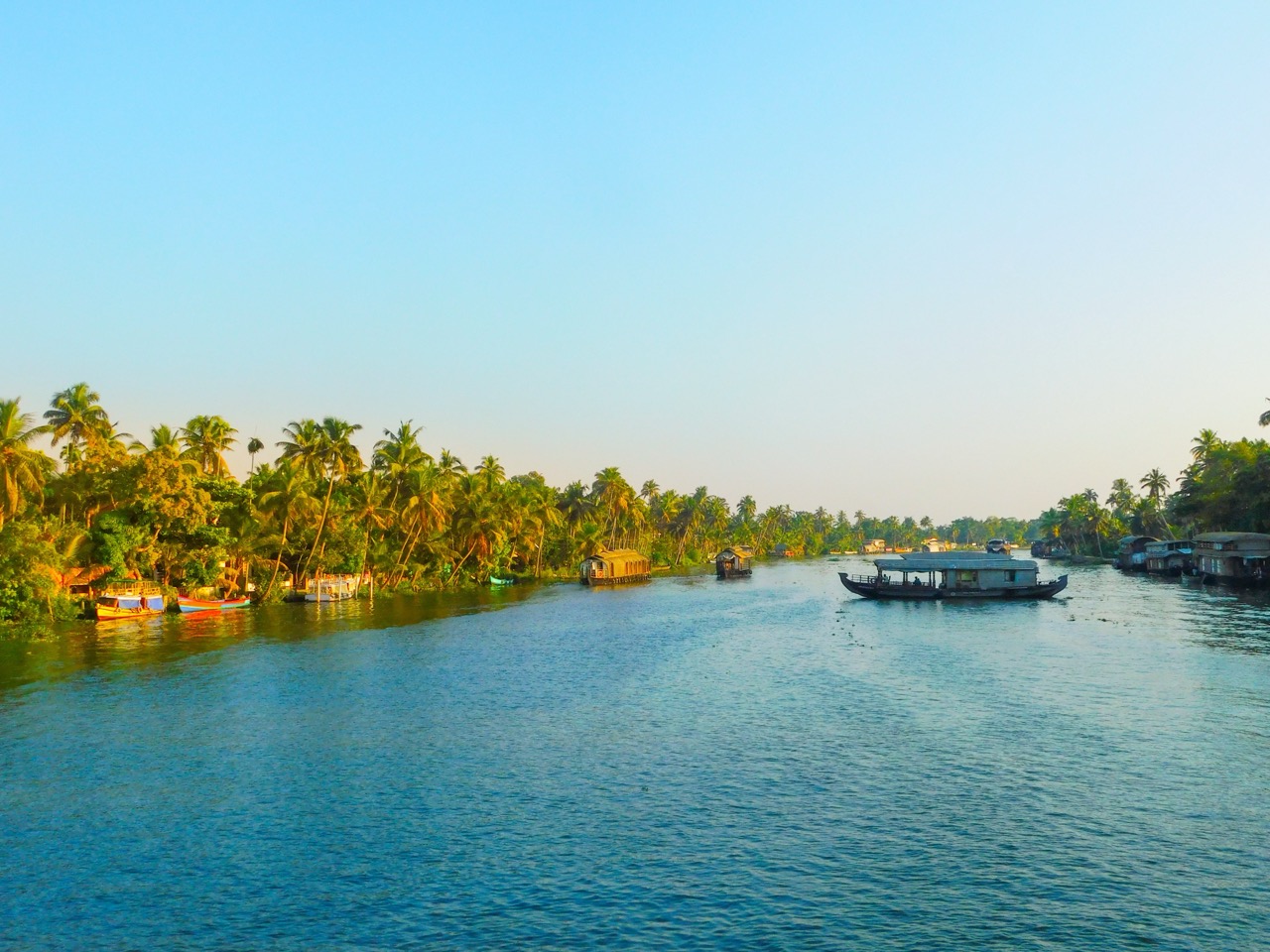
Onam, Kerala’s harvest festival, usually falls in August or September and is one of the state’s most visible celebrations — boat races on the backwaters, intricate flower carpets (pookalam) laid outside homes, and the elaborate sadhya feast served on a banana leaf; see our Kerala hub for more. The Pushkar Camel Fair in Rajasthan, usually in November, is a livestock fair turned major tourist spectacle, with thousands of camels and traders gathering in the desert town for trading, races and a genuinely striking fairground atmosphere. Thrissur Pooram, Kerala’s grandest temple festival, typically falls in April or May and is known for its procession of decorated elephants and a famous percussion performance that draws crowds from across the state. Rann Utsav, a winter festival on the white salt desert of Gujarat’s Rann of Kutch, runs over several months rather than a single date, with tented camps set up for visitors on the edge of the salt flats. Hornbill, in Nagaland, brings together the Northeast’s tribal cultures each December, with traditional dance, music and food from across the state’s many indigenous communities.
Plan around the crowds
Hotel prices spike and popular destinations get genuinely crowded around India’s biggest festivals, particularly Diwali and Holi — book well ahead if your trip coincides with one. See the best time to visit India for how festival season interacts with weather and travel conditions more broadly.
Dates shift every year
This is worth stating plainly: most Indian festivals follow the lunar calendar or a regional agricultural calendar, not the fixed Gregorian dates used in the West, so Diwali, Holi, Onam, Eid and most others fall on different dates each year. Never book a trip around a festival based on last year’s date — always check the confirmed date for your travel year before finalising plans.
Frequently asked questions
When is Diwali or Holi?
Approximately October–November for Diwali and March for Holi, but the exact date shifts yearly with the lunar calendar — always verify for your travel year.
What is the best festival to experience in India?
Diwali is the biggest nationally, Onam is Kerala’s signature celebration, and the Pushkar Camel Fair in Rajasthan is one of the most visually striking regional events.
Do festivals affect travel plans?
Yes — expect crowds and higher hotel prices around major festivals, so book transport and accommodation well ahead if your trip overlaps with one.