Kolar district
Kolar is a district of Karnataka. Browse its towns, famous tourist places, treks, beaches, temples, backwaters and local businesses. Hotels and homestays can list for free, and travellers contact them directly.

Kolar at a glance
Kolar is a district of Karnataka — The eastern Bayaluseeme plateau district of Karnataka, on the Andhra Pradesh and Tamil Nadu borders south-east of Bengaluru, gold-bearing hills, granite outcrops and old temple towns; Chikkaballapura was carved out of it in 2007, with its headquarters at Kolar. It is best known for The Kolar Gold Fields, the Ganga-Chola Kolaramma and Vijayanagara Someshwara temples, the caves of Antara Gange, the giant Kotilingeshwara lingam, the monolithic Kurudumale Ganesha, the Ramachandra heritage of Avani, Hyder Ali’s Budikote fort and the sculptors of Shivarapatna. Signature sights include Kolar Gold Fields (KGF), Antara Gange, Kotilingeshwara. The nearest airport is Kempegowda International, Bengaluru (BLR) ~70 km from Kolar and the main rail gateway is Bangarapet (BWT) Junction — the district rail gateway on the Bengaluru–Chennai line — with Kolar and KGF on branch lines; trains from Bengaluru, Chennai and Chintamani. October to February is the coolest, most comfortable season; March to May is hot on the plains, and the June–September southwest monsoon brings the main rains, heaviest along the coast and Western Ghats. Most travellers spend 1–2 days here, and while Kannada is the local language, English is widely understood.
Best time, weather & festivals in Kolar
October to February is the coolest, most comfortable season across Kolar; March to May is hot, and the June–September southwest monsoon brings the main rains. Live conditions below are for Kolar.
Live forecast loads in your browser.
Karnataka festivals worth timing your trip around
Celebrated across Karnataka, including Kolar. Dates shift with the Kannada calendar — confirm the year's exact dates before booking.
- Mysuru Dasara Sep – Oct — Karnataka's grand 10-day state festival — the lit Mysuru Palace and the Jumboo Savari elephant procession on Vijayadashami.
- Karaga Mar – Apr — Bengaluru’s centuries-old Thigala community festival, with a night procession from the Dharmaraya Swamy Temple.
- Kadalekai Parishe Nov – Dec — The groundnut fair around the Bull Temple in Basavanagudi, Bengaluru.
- Ugadi Mar – Apr — Kannada New Year, marked with bevu-bella and home celebrations across the state.
- Hampi Utsav (Vijaya Utsava) Nov — Hampi’s grand cultural festival among the Vijayanagara ruins, with music, dance and light-and-sound shows.
- Hasanamba Temple Utsava Oct – Nov — The Hasanamba temple in Hassan opens to devotees for only about a week each year around Deepavali, drawing enormous queues.
- Vairamudi Brahmotsava, Melukote Mar – Apr — Melukote’s grand festival when the deity of the Cheluvanarayana temple is adorned with the Vairamudi (diamond crown), brought under armed guard; huge crowds throng the hill town.
- Sharada Navaratri, Sringeri Sep – Oct — The nine-night Navaratri festival at the Sringeri Sharada Peetham, with processions, music and rituals for the goddess Sharadamba on the Tunga river.
- Mangaluru Dasara (Kudroli) Sep – Oct — Mangaluru’s grand Dasara centred on the Kudroli Gokarnath temple, with illuminated Navaratri tableaux and night processions through the city.
- Dharmasthala Laksha Deepotsava Nov – Dec — The festival of a hundred thousand lamps at the Dharmasthala Manjunatha temple, with cultural programmes and huge pilgrim crowds.
- Udupi Paryaya Jan (every 2 years) — The grand biennial handover of the management of the Udupi Sri Krishna Matha between the eight mathas, with processions filling Car Street.
- Udupi Krishna Janmashtami Aug – Sep — Krishna’s birthday at the Udupi Sri Krishna Matha, marked by the lively Vitla Pindi and Mosaru Kudike celebrations.
- Gokarna Maha Shivaratri Feb – Mar — Gokarna’s grand car festival at the Mahabaleshwara temple, when a huge temple chariot is drawn through the streets and pilgrims throng the town.
- Sirsi Marikamba Jatra Mar (every 2 years) — The biennial fair of the goddess Marikamba at Sirsi — one of the largest festivals in Karnataka, drawing lakhs of devotees.
- Basava Jayanti Apr – May — The birth anniversary of the 12th-century reformer Basavanna, marked across Karnataka and especially at his birthplace of Basavana Bagewadi in Vijayapura district.
- Banashankari Jatre Jan – Feb — The great fair of the goddess Banashankari at Cholachagudda near Badami, running for days around the Pushya full moon with a temple-car procession and a float on the Haridra Tirtha tank.
- Khwaja Bande Nawaz Urs Nov — The annual urs of the Sufi saint Gesu Daraz at the Khwaja Bande Nawaz dargah in Kalaburagi, with several days of qawwali, prayer and vast pilgrim crowds.
- Saundatti Yellamma Jatre Jan – Feb (full moon) — The great full-moon fairs of the Renuka-Yellamma temple on Yellammana Gudda hill near Saundatti in Belagavi district, when hundreds of thousands of pilgrims climb the hill, especially at the Bharata Hunnime.
- Gavisiddeshwara Jatre, Koppal Jan — The huge annual fair of the Gavisiddeshwara matha in Koppal — days of rituals, a cattle fair and mass free meals that fill the town, sometimes called a "Kumbha Mela of South India".
- Itagi Bhimambika Jatra Nov – Dec — The annual jatra of the goddess Bhimambika at Itagi in Ron taluk, Gadag district — days of rituals, a fair and a free kitchen that draw crowds of Shakta pilgrims.
Where to go in Kolar
Featured: Kolaramma TempleKolar
The district capital of the eastern plateau — the Ganga-Chola Kolaramma temple that named the town, the Vijayanagara Someshwara temple by the old fort, and the boulder caves and spring of Antara Gange on its edge.
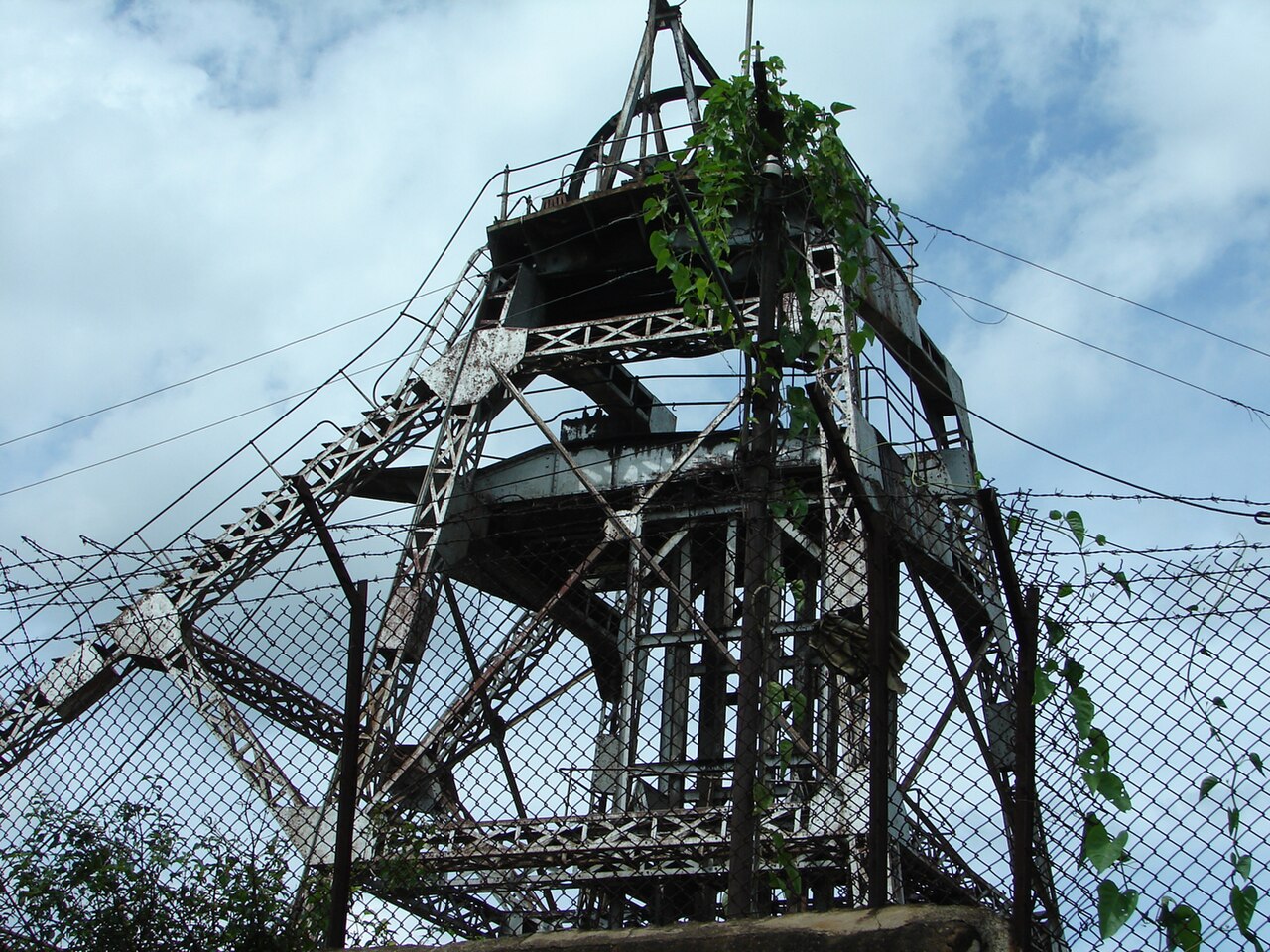 Featured: Kolar Gold Fields (KGF)
Kolar Gold Fields
The historic gold-mining town about 30 km from Kolar — the deep-shaft BGML heritage and colonial townscape of KGF, and the colossal lingam field of Kotilingeshwara at Kammasandra nearby.
 Featured: Bangaru Tirupati
Bangarapet
The railway-junction taluk west of KGF — Hyder Ali’s birthplace fort at Budikote, the hilltop Bangaru Tirupati temple, and the Palar reservoir of Bethamangala.
 Featured: Virupaksha Temple, Mulbagal
Mulbagal
The eastern temple town near the Andhra border — the monolithic Kurudumale Ganesha, the Anjaneya and Virupaksha temples, the Sripadaraja mutt at Narasimha Tirtha, the Ramalingeshwara heritage of Avani and the Devarayasamudra lake.
Malur
The western taluk toward Bengaluru — the living granite stone-sculpture village of Shivarapatna, the "Shilpakashi of Karnataka".
Map of Kolar
Every place on this guide with a verified location. Tap a pin for its name and guide link.
Places in Kolar
Every verified place across Kolar district — filter by what you’re after.
The Ganga-and-Chola Shakti temple in Kolar town after which the district is named — a Dravida vimana of about the 10th–11th century with twin shrines to Kolaramma and the Saptamatrikas, and fine Chola-era bronzes and inscriptions. This temple guide belongs to the Kolar planning base in Kolar, Karnataka, with route context, best-time notes and verified inventory categories for stays, food, operators, shops, wellness and transport as they are approved. (see option in Kochi)

A large 14th-century Vijayanagara Shiva temple near the old fort of Kolar town, an ASI Monument of National Importance with a soaring gopura, a deep temple tank and richly carved yali pillars. (Distinct from the Someshwara temples of Dharwad and Ulsoor.) This temple guide belongs to the Kolar planning base in Kolar, Karnataka, with route context, best-time notes and verified inventory categories for stays, food, operators, shops, wellness and transport as they are approved. (see option in Kochi)

A boulder-strewn hill of the Shatashrunga range about 3 km from Kolar town, known for its perennial Basavanna spring that feeds a stone tank, its volcanic cave passages and monkeys, and the steps up to the Kashi Visweswara shrine — a popular cave-trek and rappelling spot. This cave guide belongs to the Kolar planning base in Kolar, Karnataka, with route context, best-time notes and verified inventory categories for stays, food, operators, shops, wellness and transport as they are approved. (nature option in Kochi)
The historic gold-mining town about 30 km from Kolar, whose Bharat Gold Mines shafts — including Champion Reef, once among the deepest mines on earth — made it India’s gold capital and one of the first Indian towns to be electrified, in 1902; a landscape of colonial bungalows, clubs and deep-shaft heritage. This heritage guide belongs to the Kolar Gold Fields planning base in Kolar, Karnataka, with route context, best-time notes and verified inventory categories for stays, food, operators, shops, wellness and transport as they are approved. (see option in Kochi)

A temple complex at Kammasandra near KGF famous for its colossal ~33 m Shivalinga and ~11 m Nandi — among the tallest in the world — surrounded by fields of lakhs of small Shivalingas donated by devotees, with eleven subsidiary shrines. This temple guide belongs to the Kolar Gold Fields planning base in Kolar, Karnataka, with route context, best-time notes and verified inventory categories for stays, food, operators, shops, wellness and transport as they are approved. (see option in Kochi)
A hilltop Sri Venkataramana Swamy temple at Guttahalli in Bangarapet taluk, said to resemble the great Tirupati shrine, with adjoining Varaha, Vinayaka and Anjaneya shrines — a busy Vishnu pilgrimage of the district. (Distinct from Andhra’s Tirupati and from Ghati Subramanya.) This temple guide belongs to the Bangarapet planning base in Kolar, Karnataka, with route context, best-time notes and verified inventory categories for stays, food, operators, shops, wellness and transport as they are approved. (see option in Kochi)

A reservoir and dam on the Palar built in the early 1900s to supply water to the Kolar Gold Fields, once home to a British sailing club and now a quiet bird-watching and picnic lake in the KGF–Bangarapet country. This dam guide belongs to the Bangarapet planning base in Kolar, Karnataka, with route context, best-time notes and verified inventory categories for stays, food, operators, shops, wellness and transport as they are approved. (see option in Kochi)
A finely carved Shiva temple near Mulbagal with a Simha-vahini Durga shrine and an ornamental temple tank — a lesser-known heritage temple of the eastern plateau. (Distinct from the Virupaksha temple of Hampi.) This temple guide belongs to the Mulbagal planning base in Kolar, Karnataka, with route context, best-time notes and verified inventory categories for stays, food, operators, shops, wellness and transport as they are approved. (see option in Kochi)

A heritage temple village about 13 km from Mulbagal, called the "Gaya of the South" — the 10th-century Nolamba Ramalingeshwara group of ASI-protected Shiva temples (their lingas named for Rama, Lakshmana, Bharata and Shatrughna) below the Avani Betta hill, whose Sita temple is linked to the Valmiki-ashram and Lava–Kusha legend. This heritage guide belongs to the Mulbagal planning base in Kolar, Karnataka, with route context, best-time notes and verified inventory categories for stays, food, operators, shops, wellness and transport as they are approved. (see option in Kochi)
A ruined hill fort and heritage village about 15 km from Bangarapet, best known as the birthplace of Hyder Ali, the 18th-century ruler of Mysore — the earthwork-and-stone fort and its old temples anchor the village. This fort guide belongs to the Bangarapet planning base in Kolar, Karnataka, with route context, best-time notes and verified inventory categories for stays, food, operators, shops, wellness and transport as they are approved. (see option in Kochi)
A famous temple at Kurudumale about 10 km north of Mulbagal, housing a ~4 m monolithic Ganesha said to be swayambhu, set in a finely carved Vijayanagara pillared mantapa — one of the largest Ganesha idols in Karnataka. This temple guide belongs to the Mulbagal planning base in Kolar, Karnataka, with route context, best-time notes and verified inventory categories for stays, food, operators, shops, wellness and transport as they are approved. (see option in Kochi)
A revered Hanuman (Anjaneya) temple in Mulbagal town, associated with the Dvaita saint Vyasaraja, and housing shrines to Rama-Sita, Lakshmi-Narasimha and Venugopala — a central pilgrimage of the temple town called the "Dakshina Mandara". This temple guide belongs to the Mulbagal planning base in Kolar, Karnataka, with route context, best-time notes and verified inventory categories for stays, food, operators, shops, wellness and transport as they are approved. (see option in Kochi)
A cave shrine and Dvaita matha near Mulbagal around a swayambhu Yoga-Narasimha on a boulder, where the 15th-century saint Sripadaraja — teacher of Vyasaraja — lived and taught; the Sripadaraja Mutt and its brindavana stand here. This heritage guide belongs to the Mulbagal planning base in Kolar, Karnataka, with route context, best-time notes and verified inventory categories for stays, food, operators, shops, wellness and transport as they are approved. (see option in Kochi)
A large historic reservoir of about 500 acres in the Mulbagal country, a scenic and bird-rich picnic lake fed by the plateau’s seasonal streams. This lake guide belongs to the Mulbagal planning base in Kolar, Karnataka, with route context, best-time notes and verified inventory categories for stays, food, operators, shops, wellness and transport as they are approved. (see option in Kochi)
A living stone-sculpture village in Malur taluk, called the "Shilpakashi of Karnataka", where some three hundred families of traditional shilpis carve granite temple idols by hand — a craft village unlike any other in the district. This heritage guide belongs to the Malur planning base in Kolar, Karnataka, with route context, best-time notes and verified inventory categories for stays, food, operators, shops, wellness and transport as they are approved. (see option in Kochi)
Famous tourist places and treks in Kolar
A practical tourist-guide list for the district. Full place pages, hotels, homestays, restaurants and local operators are added progressively under each town or attraction.
templeKolaramma Temple
The Ganga-and-Chola Shakti temple in Kolar town after which the district is named — a Dravida vimana of about the 10th–11th century with twin shrines to Kolaramma and the Saptamatrikas, and fine Chola-era bronzes and inscriptions. This temple guide belongs to the Kolar planning base in Kolar, Karnataka, with route context, best-time notes and verified inventory categories for stays, food, operators, shops, wellness and transport as they are approved.
templeSomeshwara Temple, Kolar
A large 14th-century Vijayanagara Shiva temple near the old fort of Kolar town, an ASI Monument of National Importance with a soaring gopura, a deep temple tank and richly carved yali pillars. (Distinct from the Someshwara temples of Dharwad and Ulsoor.) This temple guide belongs to the Kolar planning base in Kolar, Karnataka, with route context, best-time notes and verified inventory categories for stays, food, operators, shops, wellness and transport as they are approved.
caveAntara Gange
A boulder-strewn hill of the Shatashrunga range about 3 km from Kolar town, known for its perennial Basavanna spring that feeds a stone tank, its volcanic cave passages and monkeys, and the steps up to the Kashi Visweswara shrine — a popular cave-trek and rappelling spot. This cave guide belongs to the Kolar planning base in Kolar, Karnataka, with route context, best-time notes and verified inventory categories for stays, food, operators, shops, wellness and transport as they are approved.
heritageKolar Gold Fields (KGF)
The historic gold-mining town about 30 km from Kolar, whose Bharat Gold Mines shafts — including Champion Reef, once among the deepest mines on earth — made it India’s gold capital and one of the first Indian towns to be electrified, in 1902; a landscape of colonial bungalows, clubs and deep-shaft heritage. This heritage guide belongs to the Kolar Gold Fields planning base in Kolar, Karnataka, with route context, best-time notes and verified inventory categories for stays, food, operators, shops, wellness and transport as they are approved.
templeKotilingeshwara
A temple complex at Kammasandra near KGF famous for its colossal ~33 m Shivalinga and ~11 m Nandi — among the tallest in the world — surrounded by fields of lakhs of small Shivalingas donated by devotees, with eleven subsidiary shrines. This temple guide belongs to the Kolar Gold Fields planning base in Kolar, Karnataka, with route context, best-time notes and verified inventory categories for stays, food, operators, shops, wellness and transport as they are approved.
Budikote
A ruined hill fort and heritage village about 15 km from Bangarapet, best known as the birthplace of Hyder Ali, the 18th-century ruler of Mysore — the earthwork-and-stone fort and its old temples anchor the village. This fort guide belongs to the Bangarapet planning base in Kolar, Karnataka, with route context, best-time notes and verified inventory categories for stays, food, operators, shops, wellness and transport as they are approved.
templeBangaru Tirupati
A hilltop Sri Venkataramana Swamy temple at Guttahalli in Bangarapet taluk, said to resemble the great Tirupati shrine, with adjoining Varaha, Vinayaka and Anjaneya shrines — a busy Vishnu pilgrimage of the district. (Distinct from Andhra’s Tirupati and from Ghati Subramanya.) This temple guide belongs to the Bangarapet planning base in Kolar, Karnataka, with route context, best-time notes and verified inventory categories for stays, food, operators, shops, wellness and transport as they are approved.
damBethamangala (Palar Dam)
A reservoir and dam on the Palar built in the early 1900s to supply water to the Kolar Gold Fields, once home to a British sailing club and now a quiet bird-watching and picnic lake in the KGF–Bangarapet country. This dam guide belongs to the Bangarapet planning base in Kolar, Karnataka, with route context, best-time notes and verified inventory categories for stays, food, operators, shops, wellness and transport as they are approved.
Kurudumale Ganesha Temple
A famous temple at Kurudumale about 10 km north of Mulbagal, housing a ~4 m monolithic Ganesha said to be swayambhu, set in a finely carved Vijayanagara pillared mantapa — one of the largest Ganesha idols in Karnataka. This temple guide belongs to the Mulbagal planning base in Kolar, Karnataka, with route context, best-time notes and verified inventory categories for stays, food, operators, shops, wellness and transport as they are approved.
Anjaneya Swamy Temple, Mulbagal
A revered Hanuman (Anjaneya) temple in Mulbagal town, associated with the Dvaita saint Vyasaraja, and housing shrines to Rama-Sita, Lakshmi-Narasimha and Venugopala — a central pilgrimage of the temple town called the "Dakshina Mandara". This temple guide belongs to the Mulbagal planning base in Kolar, Karnataka, with route context, best-time notes and verified inventory categories for stays, food, operators, shops, wellness and transport as they are approved.
templeVirupaksha Temple, Mulbagal
A finely carved Shiva temple near Mulbagal with a Simha-vahini Durga shrine and an ornamental temple tank — a lesser-known heritage temple of the eastern plateau. (Distinct from the Virupaksha temple of Hampi.) This temple guide belongs to the Mulbagal planning base in Kolar, Karnataka, with route context, best-time notes and verified inventory categories for stays, food, operators, shops, wellness and transport as they are approved.
Narasimha Tirtha (Sripadaraja Mutt)
A cave shrine and Dvaita matha near Mulbagal around a swayambhu Yoga-Narasimha on a boulder, where the 15th-century saint Sripadaraja — teacher of Vyasaraja — lived and taught; the Sripadaraja Mutt and its brindavana stand here. This heritage guide belongs to the Mulbagal planning base in Kolar, Karnataka, with route context, best-time notes and verified inventory categories for stays, food, operators, shops, wellness and transport as they are approved.
heritageAvani
A heritage temple village about 13 km from Mulbagal, called the "Gaya of the South" — the 10th-century Nolamba Ramalingeshwara group of ASI-protected Shiva temples (their lingas named for Rama, Lakshmana, Bharata and Shatrughna) below the Avani Betta hill, whose Sita temple is linked to the Valmiki-ashram and Lava–Kusha legend. This heritage guide belongs to the Mulbagal planning base in Kolar, Karnataka, with route context, best-time notes and verified inventory categories for stays, food, operators, shops, wellness and transport as they are approved.
Devarayasamudra Lake
A large historic reservoir of about 500 acres in the Mulbagal country, a scenic and bird-rich picnic lake fed by the plateau’s seasonal streams. This lake guide belongs to the Mulbagal planning base in Kolar, Karnataka, with route context, best-time notes and verified inventory categories for stays, food, operators, shops, wellness and transport as they are approved.
Shivarapatna
A living stone-sculpture village in Malur taluk, called the "Shilpakashi of Karnataka", where some three hundred families of traditional shilpis carve granite temple idols by hand — a craft village unlike any other in the district. This heritage guide belongs to the Malur planning base in Kolar, Karnataka, with route context, best-time notes and verified inventory categories for stays, food, operators, shops, wellness and transport as they are approved.
Get listed in Kolar for free
Roampedia is commission-free. Travellers find your business and contact you directly. Basic listings stay free; optional Gold and Platinum monthly packages will vary by business type, with no booking commission.
Top things to do in Kolar
Our editors' pick of the standout experiences, ordered by what we'd prioritise on a first visit — an honest judgement call, not a rated ranking.
Antara Gange
The boulder caves and perennial spring 3 km from Kolar town — go early, carry a torch and water, and keep food away from the monkeys.
2Kolar Gold Fields (KGF)
The historic deep-shaft gold-mine town — view the colonial townscape from public roads; the active mine and shaft areas are restricted.
3Kotilingeshwara
The giant Shivalinga and Nandi amid lakhs of small lingas at Kammasandra near KGF — busiest at Shivaratri; carry water and a hat for the open fields.
4Kurudumale Ganesha Temple
The great monolithic Ganesha in a carved Vijayanagara mantapa north of Mulbagal — remove footwear and do not touch the idol.
5Avani
The Nolamba Ramalingeshwara temple group and Sita’s Avani Betta near Mulbagal — the "Gaya of the South"; carry water for the hill climb.
Entry fees & timings in Kolar
Indicative entry fees and opening hours for the ticketed and timed places in Kolar. These change — always confirm with the official operator before you go.
How to reach Kolar
Kolar is known for The Kolar Gold Fields, the Ganga-Chola Kolaramma and Vijayanagara Someshwara temples, the caves of Antara Gange, the giant Kotilingeshwara lingam, the monolithic Kurudumale Ganesha, the Ramachandra heritage of Avani, Hyder Ali’s Budikote fort and the sculptors of Shivarapatna.
By road from major cities
Approximate driving distance to Kolar. Ghat roads and traffic make real journey times vary a lot — allow extra, and confirm your route before travel.
Emergency numbers
Save these before you travel in Kolar. The national and Karnataka-wide lines work everywhere in the district.
Daily budget for Kolar
A quick estimate using typical Karnataka daily costs. Off-season (monsoon) can cut accommodation 30–60%. Excludes flights and big-ticket experiences.
Mid-range: comfortable hotels, some private transport, mix of dining.
Rough estimate for stays, food, local transport & sightseeing — excludes international flights. Off-season (monsoon) can cut accommodation 30–60%.
Kolar — frequently asked questions
How do I reach Kolar?
For Kolar, the nearest airport is Kempegowda International, Bengaluru (BLR) ~70 km from Kolar, and the rail gateway is Bangarapet (BWT) Junction — the district rail gateway on the Bengaluru–Chennai line — with Kolar and KGF on branch lines; trains from Bengaluru, Chennai and Chintamani. NH-75 (the Bengaluru–Chennai highway) runs through Kolar; KSRTC hubs at Kolar, KGF, Bangarapet and Mulbagal with frequent buses from Bengaluru. A car or auto is best for Antara Gange, Avani, Budikote and Kurudumale. The district headquarters is Kolar.
What is Kolar known for?
Kolar is known for The Kolar Gold Fields, the Ganga-Chola Kolaramma and Vijayanagara Someshwara temples, the caves of Antara Gange, the giant Kotilingeshwara lingam, the monolithic Kurudumale Ganesha, the Ramachandra heritage of Avani, Hyder Ali’s Budikote fort and the sculptors of Shivarapatna. Highlights include Kolar Gold Fields (KGF), Antara Gange, Kotilingeshwara.
What are the top places to visit in Kolar?
Popular places in Kolar include Kolaramma Temple, Someshwara Temple, Kolar, Antara Gange, Kolar Gold Fields (KGF), Kotilingeshwara, and more — see the full guidebook list on this page.
When is the best time to visit Kolar?
October to February is the coolest, most comfortable season across Karnataka, including Kolar. March to May is hot on the plains, and the June–September southwest monsoon brings the main rains, heaviest along the coast and Western Ghats.
Karnataka guides
Districts, destination bases, famous places and verified listing categories.
Hotels, homestays, food, guides, operators and rentals are added after verification.
Image credits
- Kolaramma Temple:Hariharan Arunachalam ( NIC ), CC BY-SA 3.0, via Wikimedia CommonsCC BY-SA 3.0
- Kolar Gold Fields (KGF):Adu65 at English Wikipedia, Public domain, via Wikimedia CommonsPublic domain
- Bangaru Tirupati:Vijethnbharadwaj, CC BY-SA 4.0, via Wikimedia CommonsCC BY-SA 4.0
- Virupaksha Temple, Mulbagal:Sudhir Herle, CC BY-SA 4.0, via Wikimedia CommonsCC BY-SA 4.0
- Someshwara Temple, Kolar:kumararun85, CC BY-SA 3.0, via Wikimedia CommonsCC BY-SA 3.0
- Antara Gange:Sneha G Gupta, CC BY-SA 4.0, via Wikimedia CommonsCC BY-SA 4.0
- Kotilingeshwara:Mithila, Public domain, via Wikimedia CommonsPublic domain
- Bethamangala (Palar Dam):Shyamal, CC BY-SA 3.0, via Wikimedia CommonsCC BY-SA 3.0
- Avani:Akrenemis2302, CC BY-SA 4.0, via Wikimedia CommonsCC BY-SA 4.0