Kerala has a tropical climate with two monsoons, so timing matters. The short version: October to March is the dry, comfortable peak season and the best all-round time to visit; June to September is the lush, wet southwest monsoon.
The seasons
Kerala by season
| Season | Months | What it’s like |
|---|---|---|
| Peak (dry) | Oct – Mar | Warm, dry and pleasant (~18–30°C). Best for backwaters, beaches and hill stations. |
| Southwest monsoon | Jun – Sep | Heavy rain, lush green, fewer crowds, lower prices. The traditional Ayurveda season. |
| Retreating monsoon | Oct – Nov | A shorter second rainy spell before the dry season sets in. |
Coast vs hills
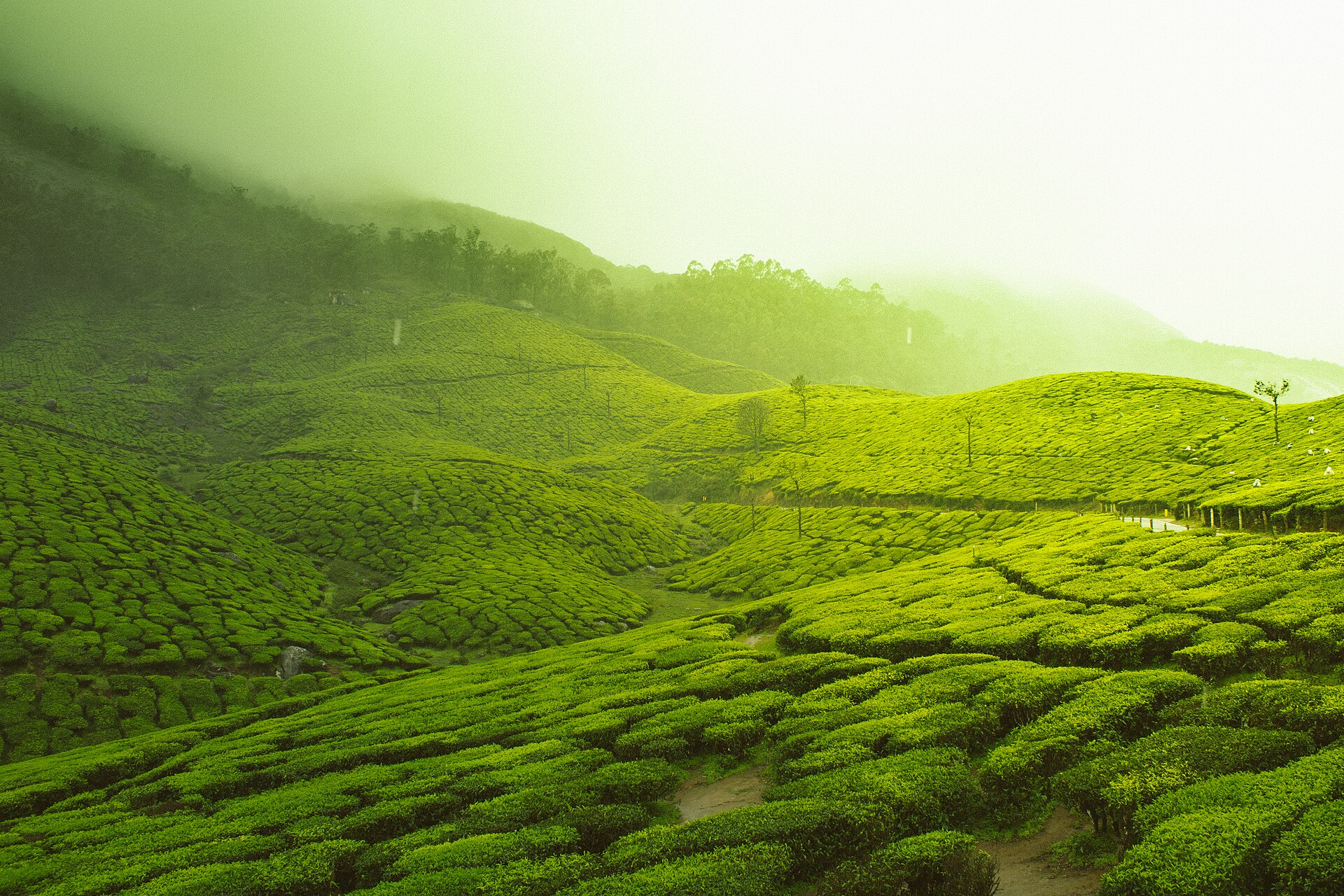
The coast and backwaters stay warm and humid year-round. The Western Ghats hill stations are much cooler — Munnar can drop into single digits on winter nights — so October to February is ideal for the hills. If you’re chasing waterfalls and green tea slopes, the monsoon and the weeks just after are spectacular (with some travel disruption).
When to go for Ayurveda
Counter-intuitively, the monsoon is the classic Ayurveda season — the cool, humid Karkidakam month (around mid-July to mid-August) is traditionally considered the best time for rejuvenation therapies, and many wellness resorts run their signature packages then.
Time it around a festival
Kerala’s calendar can shape when you go. Onam, the state’s biggest harvest festival with grand sadya feasts and the Nehru Trophy snake-boat race, falls in August–September. Thrissur Pooram, the spectacular temple festival with caparisoned elephants, is in April–May. In the Malabar north, the ritual Theyyam season runs roughly October to May. Our festivals guide has the details and how to see them respectfully.
Frequently asked questions
What is the best month to visit Kerala?
December to February is the sweet spot — dry, comfortable weather across the coast, backwaters and hills, though it’s also peak season for crowds and prices. October–November and March are quieter shoulder months.
Is it worth visiting Kerala in the monsoon?
Yes, if you don’t mind rain — it’s lush, green, uncrowded and cheaper, and it’s the traditional season for Ayurveda. Just expect heavy downpours and some travel disruption.