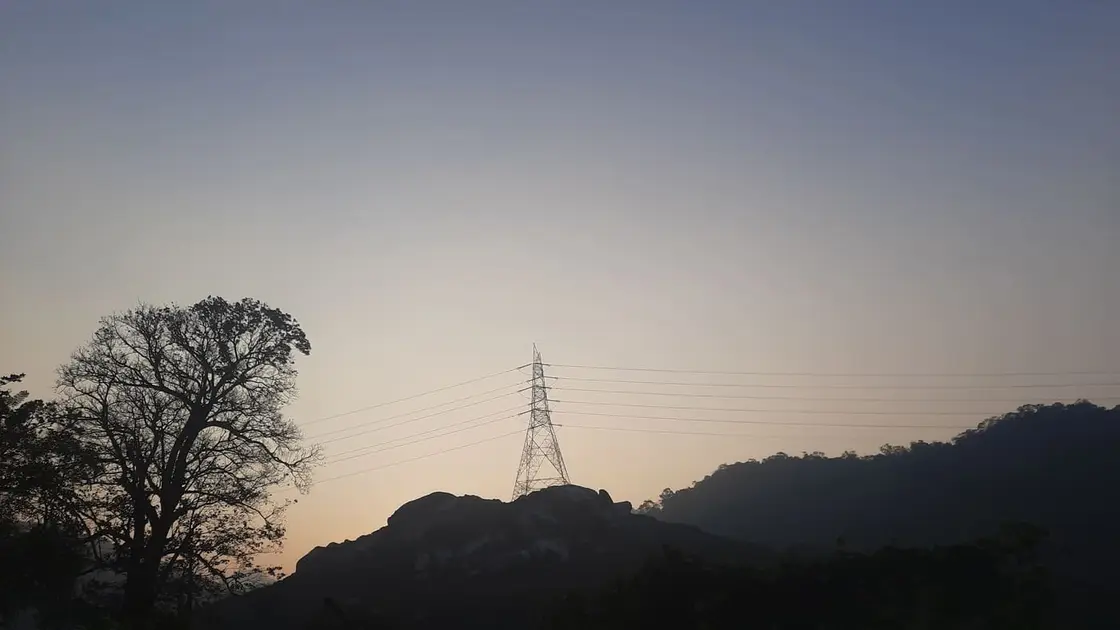
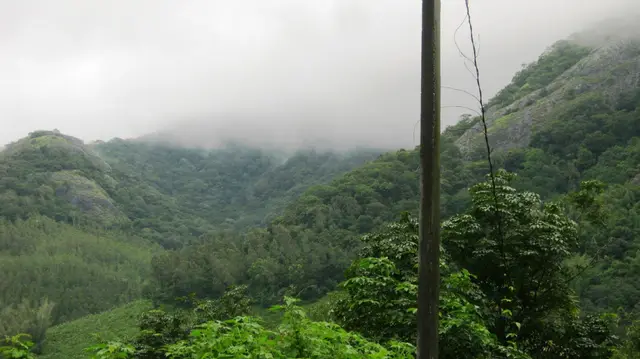
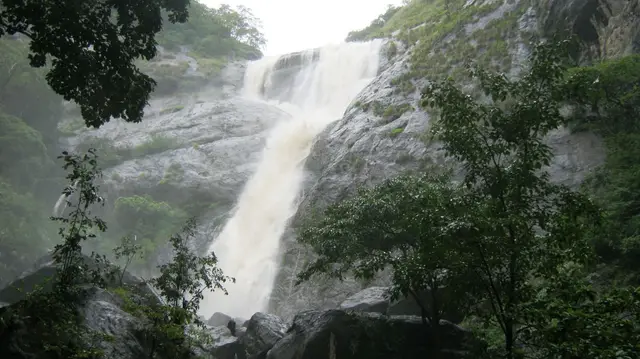
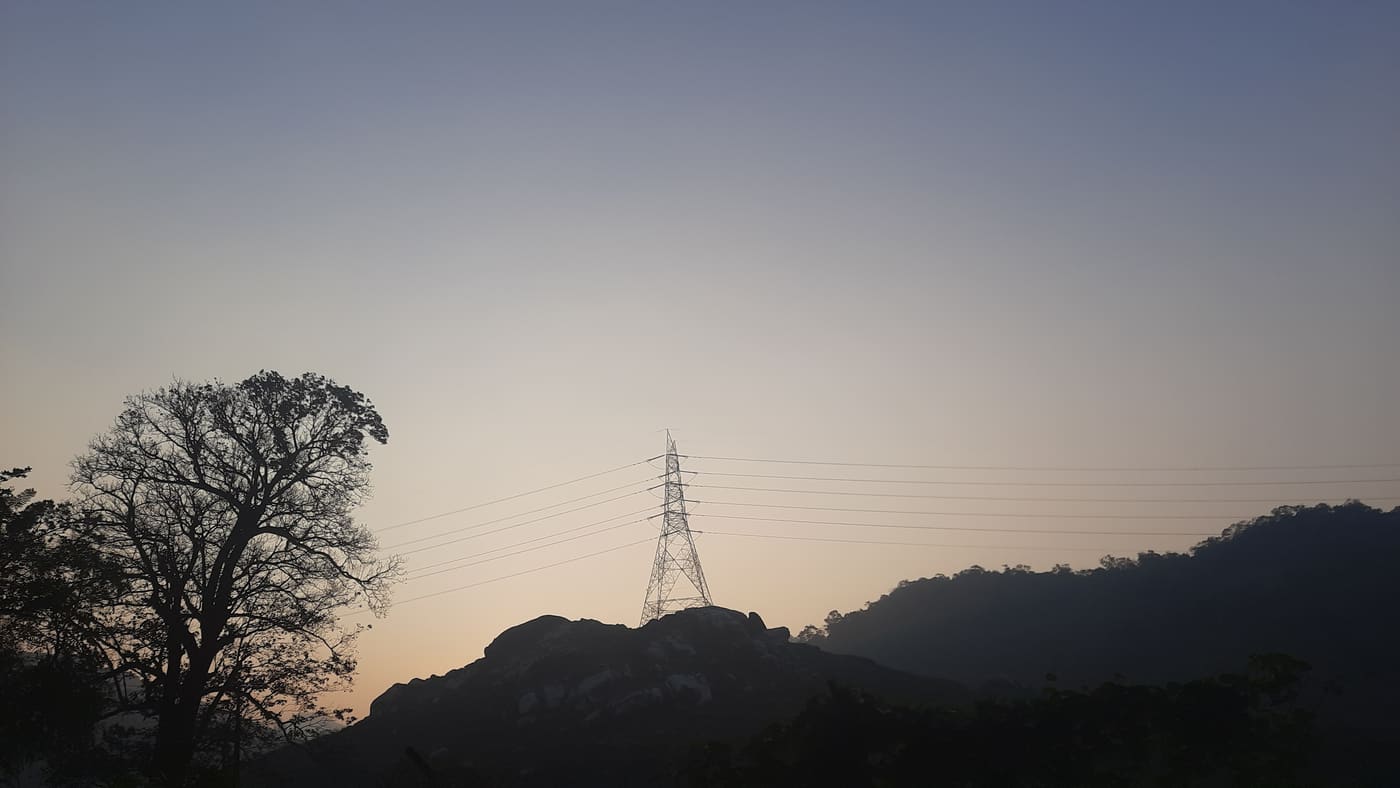
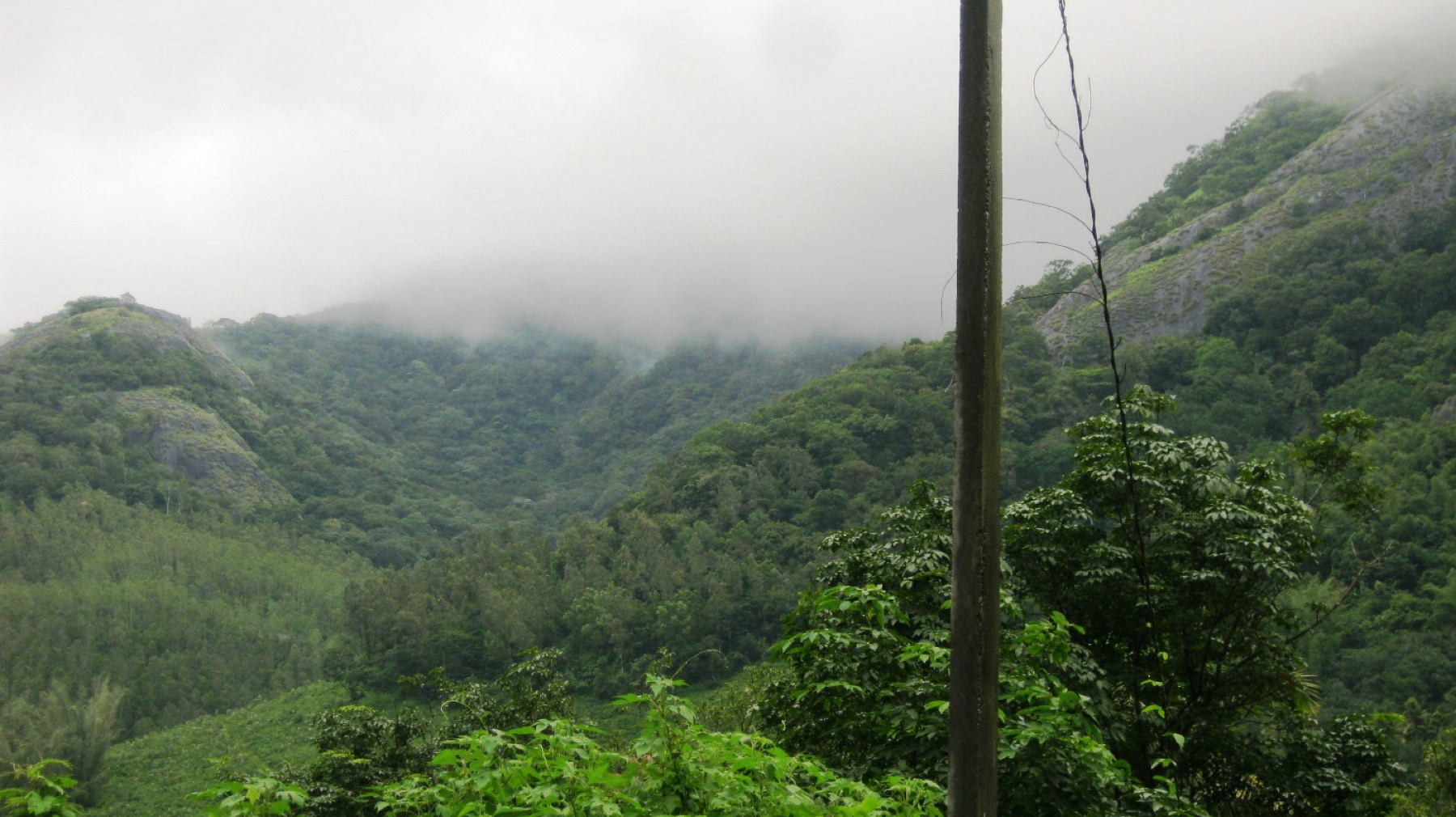
A 172-sq-km sweep of tropical evergreen jungle wrapped around a mirror-still reservoir, named for a tree that grows almost nowhere else on Earth.
The story of Shendurney / Deep Woods guided trekking
Shendurney Wildlife Sanctuary unfurls across roughly 172 square kilometres of the Western Ghats in Kollam district, a dense, humid mosaic of tropical evergreen and semi-evergreen forest laced with the Kallada river and its tributaries. At its heart lies the Parappar reservoir — the water body held back by the Thenmala (Parappar) dam — a broad, glassy sheet of around 18 sq km whose fingers reach deep into wooded valleys. Drifting across it by boat, with kingfishers stitching the shoreline and the forest wall rising sheer on every side, is the experience most visitors carry away from Shendurney.
The sanctuary takes its name from the Chenkurinji tree (Gluta travancorica), an endemic species that clings to these hills and precious few others. Local people called it ‘Chenkurinji’ or ‘Chengurinji’, and the anglicised ‘Shendurney’ grew from that root. It is a fitting emblem, because botanists count Shendurney among the richest biodiversity pockets in the whole of the Western Ghats — over a thousand species of flowering plants have been logged here, a large share of them found only in this mountain chain.
The forest is genuinely alive with wildlife. Elephants, gaur, sambar, barking deer, Nilgiri langur and the endangered lion-tailed macaque move through the canopy and undergrowth, while leopard and, rarely, tiger pass through the deeper reaches. But it is the birdlife that draws naturalists: well over two hundred species have been recorded, from the great hornbill and myriad woodpeckers to raptors and flycatchers. Shendurney even holds an ornithological footnote — a distinctive nightjar was first documented in these hills.
Shendurney sits inside the Agasthyamalai Biosphere Reserve, one of the most important conservation landscapes in southern India, and forms the wild green backdrop to Thenmala — promoted as India’s first planned eco-tourism destination. That pairing means the sanctuary is unusually easy to slip into: boating, guided forest treks, birdwatching, bamboo rafting and camping by the water are all organised through the Kerala forest eco-tourism network, with the manicured gardens, leaning bridge and musical fountain of the Thenmala eco-tourism complex just down the road.
Push deeper and the forest rewards you. Trekking trails climb to Rosemala, a remote grassland-and-forest viewpoint tucked some way inside the sanctuary, where the Ghats fall away in blue ridgelines. The Kani people, one of Kerala’s indigenous forest communities, have long lived in and around these hills, and their knowledge of the plants and paths is woven into the sanctuary’s story. Camps near the reservoir, reached on foot or by boat, let visitors wake to mist lifting off the water and the calls of hornbills echoing across the valley.
For all its lushness, Shendurney remains refreshingly under-visited compared with Kerala’s marquee hill stations. It is a place for slow travel — a boat ride at dawn, a quiet walk under towering trees, an afternoon watching for hornbills — rather than crowds and selfie points. That, more than anything, is its appeal: a serious, biodiverse rainforest that still feels like a discovery.
History
Shendurney was notified as a wildlife sanctuary in 1984, carved out to protect a particularly rich tract of Western Ghats evergreen forest around the Kallada river system. Its notified extent is about 172 square kilometres, and it is administered by the Kerala Forest and Wildlife Department under a Wildlife Warden based at Thenmala.
The reservoir that defines the sanctuary is the product of the Kallada Irrigation Project, among the largest irrigation undertakings in Kerala. The Parappar (Thenmala) dam impounds the Kallada river to create the reservoir that today anchors the sanctuary’s boating and camping activity, its backwaters threading between forested hills that were once dry valleys.
Shendurney is a core component of the Agasthyamalai Biosphere Reserve, a UNESCO-recognised landscape spanning the border hills of Kerala and Tamil Nadu that is celebrated for exceptional plant endemism. The sanctuary’s botanical fame rests above all on the Chenkurinji (Gluta travancorica), the endemic tree from which it takes its name and which is largely restricted to this corner of the Ghats.
These forests have deep human roots. The Kani (Kanikkar), an indigenous community of the southern Western Ghats, have inhabited the region for generations, living as forest-dwellers with intimate botanical knowledge of the hills. Archaeological interest in the area has also grown: researchers have reported prehistoric traces, including material said to date to the Mesolithic period, hinting that people used these river valleys in the very distant past.
In the modern era Shendurney’s profile rose alongside Thenmala, which was developed and marketed as India’s first planned eco-tourism destination. The Thenmala Eco-tourism Project was conceived in and around the Shendurney sanctuary, turning what had been a working forest-and-dam landscape into an accessible showcase for responsible nature tourism, with the sanctuary’s reservoir, trails and wildlife as its living centrepiece.
Why visit
Boating and bamboo rafting on the tranquil Parappar reservoir, ringed by rainforest.
One of the richest biodiversity pockets in the Western Ghats — over 1,000 flowering-plant species and 200-plus birds.
Named for the rare endemic Chenkurinji tree, part of the Agasthyamalai Biosphere Reserve.
Chances of spotting elephant, gaur, Nilgiri langur and the endangered lion-tailed macaque.
Treks to the remote Rosemala viewpoint deep inside the forest.
Paired with Thenmala, India’s first planned eco-tourism destination, for an easy nature-and-adventure day.