Angadipuram temples

Angadipuram temples is one of the guidebook places to plan around Perinthalmanna and Kodikuthimala, with practical planning organized from the nearest town/base and verified local listings when available.

Angadipuram temples, Perinthalmanna and Kodikuthimala
Practical guide

Plan Angadipuram temples

Typeheritage
Nearest basePerinthalmanna and Kodikuthimala
Best timeNovember to February and early mornings are best for walking
Time needed1 to 3 hours
EntryFree — there is no entry fee to worship at the temples or to view the Angadipuram Laterite monument (special festival darshan or offerings may involve their own charges; indicative — confirm locally).
Nearest town/basePerinthalmanna and Kodikuthimala
DistrictMalappuram
Place typeheritage
Time needed1 to 3 hours.

Angadipuram temples is one of the guidebook places to plan around Perinthalmanna and Kodikuthimala, with practical planning organized from the nearest town/base and verified local listings when available.

Angadipuram temples belongs under Perinthalmanna and Kodikuthimala, one of the practical travel bases in Malappuram district. Use Perinthalmanna and Kodikuthimala for stays, food, local transport and operators, then plan this place as a focused stop rather than an isolated pin.

The story

Angadipuram, a small town on the ridge road just north of Perinthalmanna in Malappuram district, wears an outsized crown of history — it was the capital of the medieval kingdom of Valluvanad, and it is so thick with shrines that Malabar has long called it a temple town. Two great sanctuaries anchor its fame: the ancient Angadipuram Thali (Tali) Mahadeva Temple, a Shiva shrine counted among Kerala’s revered Thali temples, and the hilltop Thirumandhamkunnu Bhagavathy Temple, the tutelary goddess-seat of the Valluvanad royal house. Stranger still, Angadipuram also holds a place in the world atlas of science — it is the type locality of laterite, the brick-red rock that clothes half the tropics, and a slab of that very ground is now a nationally notified Geological Monument.

The story of Angadipuram temples

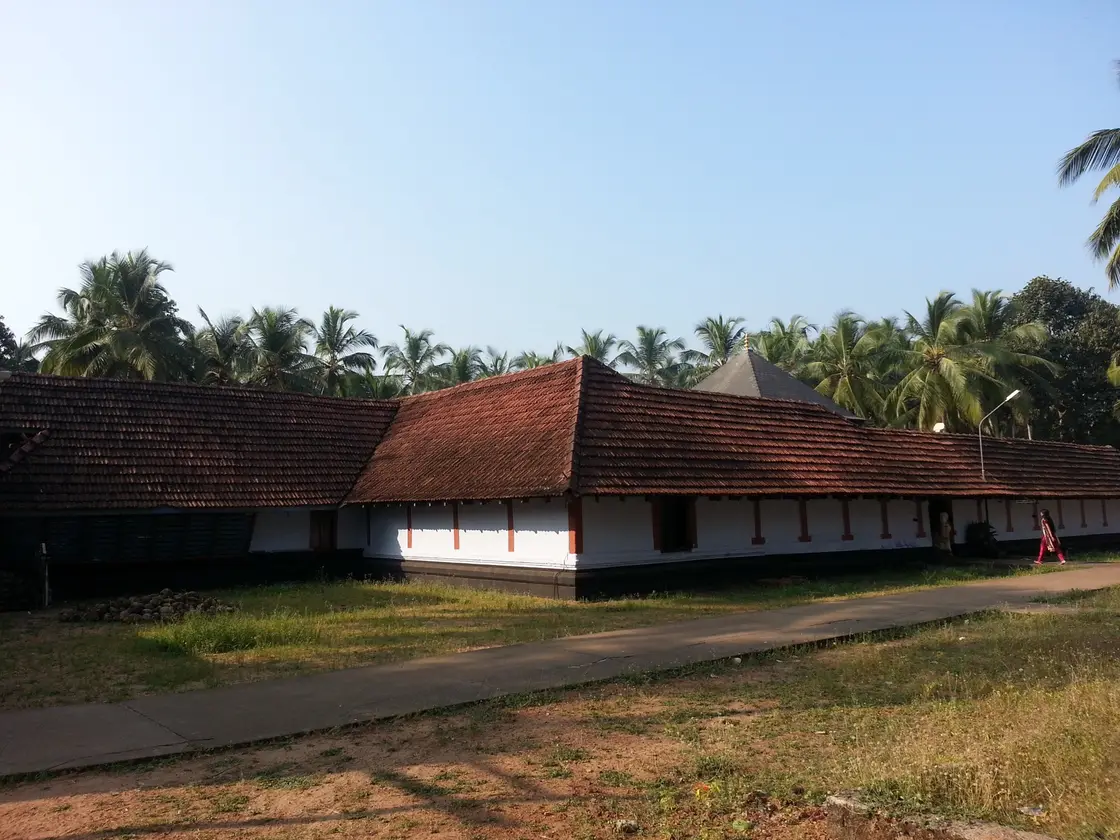
The Thali Mahadeva Temple sits close to the highway, unassuming until you sense its age. Tradition holds that its origins were the simplest imaginable — a single Shiva Linga standing in a grove of kanjiram (strychnine) trees, worshipped in the open before walls and roofs ever rose around it. Over centuries the grove became a temple and the temple became a landmark, drawing pilgrims from across Valluvanad. Shiva is enshrined here as the Shivalinga, with Ganapati honoured as the principal upa-devata (subordinate deity).

The name Thali is the thread that binds Angadipuram to a wider sacred geography. Kerala tradition speaks of a set of great Thali temples — some accounts fold Angadipuram into the eighteen Thali shrines said to have been consecrated by Parasurama, the axe-bearing sage who legend credits with raising the land of Kerala from the sea (told here, as always, as legend rather than record). Whatever the count, the Thali temples were seats of Vedic learning and royal patronage, and Angadipuram’s belonged squarely to the ritual world of the Valluvanad rulers.

A short walk and a climb away, on a low wooded hill, stands the temple that gives the town its emotional centre — Thirumandhamkunnu, sacred to the goddess Bhagavathy, worshipped in her fierce and protective aspects as Durga and Kali. She was the paradevata, the household and guardian deity, of the Valluvakonathiris, the Rajas of Valluvanad, and to this day her festival is the great public drama of the district. Note that Thirumandhamkunnu is a celebrated temple in its own right, one of the most famous goddess shrines in Malabar, standing near — and historically twinned with — the Thali temple in the town below.

The living heart of Angadipuram is its festival calendar. Thirumandhamkunnu Pooram, held in the Malayalam month of Kumbham (February–March), is an eleven-day extravaganza of caparisoned elephants, chenda-melam percussion, nadaswaram, ritual arts and enormous crowds; on the concluding days the goddess is borne out of the sanctum on a decorated elephant for the arattu, the ceremonial holy bath (all indicative — confirm dates locally as they follow the lunar-solar calendar). At the Thali temple the marquee observance is Sivaratri, alongside the annual pratishta (re-consecration) festival kept in Medam on the Vishu day.

Angadipuram’s temples also carry the scars and pride of Malabar history. Local memory records that the Thali temple was attacked and ransacked during the campaigns of Tipu Sultan (recounted in local tradition — treat specifics with care). Far more recent, and vivid in living memory, is the Thali temple agitation of 1968, when the reformer K. Kelappan led a movement demanding the shrine’s renovation and freedom of worship; it culminated in the founding of the Malabar Kshetra Samrakshana Samithi, and is still marked each year as a day of temple-freedom remembrance.

And then there is the rock. Beside the temples, in the compound of the old PWD rest house, a fenced outcrop of red, iron-rich, pockmarked stone is honoured with a plaque as a National Geological Monument — because this ordinary-looking laterite is the very ground from which the world’s knowledge of laterite began. Few pilgrimage towns anywhere can say their soil is a museum piece.

Legend & myth

The legend of Thirumandhamkunnu reaches back to King Mandhata of the solar (Surya) dynasty, from whom the hill is said to take its name — Thiru-Mandham-Kunnu, the sacred hill of Mandhata. As the story goes, Mandhata performed severe penance upon Mount Kailash, and a pleased Shiva granted him a Shivalinga to worship. But the linga was one that Parvati herself venerated, and when she found it gone she pursued the king to reclaim it. In the struggle over the sacred stone the linga split, and from the broken portion the goddess Bhagavathy manifested in her fierce form — and there, on the hill, she chose to remain and be worshipped. The Valluvanad kings, taking her as their guardian deity, are said to have raised the temple around her (told here as devotional legend, not history).

History

Angadipuram was the seat of Valluvanad, one of the significant kingdoms of medieval Malabar, ruled by the Valluvakonathiris of the Samanthan Nair lineage. At its height the domain stretched from the Bharathapuzha river toward the uplands, and its rulers were patrons of temples, learning and the martial-ritual culture of the region — the Thali and Thirumandhamkunnu shrines were expressions of that royal religious authority.

The town’s density of shrines earned it the epithet temple town of Malabar, with around a dozen temples clustered in and around it. The Thali temple belonged to the network of Kerala’s Thali institutions — historically centres of Vedic scholarship and Brahminical assembly under royal sponsorship — while Thirumandhamkunnu served as the dynastic goddess-seat where the ruler’s ritual legitimacy was renewed.

The Thirumandhamkunnu Pooram, the town’s defining festival, is traced in tradition to the early decades of the sixteenth century and is said to have been established as an annual observance by the Mankada Valluvakonathiri (indicative dating drawn from temple tradition). Its scale — eleven days, multiple elephants, the goddess taken out for arattu — reflects the old fusion of devotion and royal spectacle that once ordered public life in Valluvanad.

The colonial and post-colonial centuries left their marks. The Thali temple’s reported damage during Tipu Sultan’s Malabar campaigns, and its long decline afterward, set the stage for the celebrated 1968 agitation led by K. Kelappan on 16 November, which demanded the temple’s restoration; the Malabar Kshetra Samrakshana Samithi was formed on 25 November 1968, and the temple is today administered by a local kshetra samrakshana (temple-protection) committee.

Angadipuram’s second, wholly secular claim to history was written in 1807, when the Scottish physician-naturalist Francis Buchanan-Hamilton, travelling through Malabar, described the local red, clayey, iron-rich rock that hardened on exposure and could be cut into building bricks. He coined a name for it, and Angadipuram thereby became the type locality of laterite — the reference point against which the rock is defined worldwide.

Why visit

It is a rare two-in-one pilgrimage: within a short distance you can offer worship at an ancient Shiva Thali temple and at one of Malabar’s most revered Bhagavathy shrines, the guardian goddess of the old Valluvanad kings — a concentration of sanctity that gives Angadipuram its title as a temple town.

If you can time your visit to Thirumandhamkunnu Pooram in Kumbham (February–March), you witness one of the district’s grandest festivals — eleven days of elephants, chenda-melam, ritual arts and the goddess borne out for the arattu — an immersive spectacle of living Kerala temple culture (confirm the exact dates locally each year).

For lovers of history, Angadipuram is a walk through the memory of a lost kingdom: the capital of Valluvanad, the royal deity, the temple-freedom agitation of 1968 led by K. Kelappan, and the folk memory of Tipu Sultan’s campaigns all converge in one small town.

The Angadipuram Laterite is a genuinely unusual thing to see — a nationally notified Geological Monument, the type locality of a rock that carpets the tropics, honoured with a plaque to Francis Buchanan-Hamilton. It turns an ordinary red outcrop into one of the few places on earth where a rock type was first defined.

The setting itself rewards a slow visit — a quiet ridge town off the Perinthalmanna highway, green and unhurried, where the temples, the hill, the geological monument and a dozen smaller shrines can all be taken in on foot in a single relaxed morning.

It pairs naturally with a wider Malappuram-Valluvanad circuit — Perinthalmanna’s temples and bazaars, and the nearby Kodikuthimala viewpoint — making Angadipuram an easy, meaningful stop rather than a long detour.
Visiting

Angadipuram temples — at a glance

TimingsKerala temples typically open early morning and again in the evening, closing around midday (broadly circa 5 am–12 noon and 5 pm–8 pm; the Thali and Thirumandhamkunnu temples keep their own schedules). The laterite monument outcrop is an outdoor site best seen in daylight. All timings indicative — confirm locally.
Best timeOctober to March is the pleasant, drier season and the most comfortable time to visit. For the great spectacle, come during Thirumandhamkunnu Pooram in Kumbham (February–March); the monsoon (June–September) is lush but wet (indicative — confirm festival dates locally).

Entry: Free — there is no entry fee to worship at the temples or to view the Angadipuram Laterite monument (special festival darshan or offerings may involve their own charges; indicative — confirm locally).

Dress code: Traditional Kerala temple attire is required: men typically remove shirts and wear a mundu (dhoti); women wear a saree or salwar/set-mundu with shoulders and knees covered. Footwear is removed before entry. Follow on-site notices (indicative — confirm locally).

Festivals: Thirumandhamkunnu Pooram — an ~11-day festival in Kumbham (Feb–March) with caparisoned elephants, chenda-melam, nadaswaram, ritual arts and the goddess taken out for arattu — is the great annual event. At the Thali Mahadeva temple, Sivaratri and the annual pratishta festival on Vishu day (Medam) are the principal observances. Thira/Thalappoli-style ritual performances feature in the region’s temple calendar (all indicative — confirm dates locally).

Photography: Photography of temple exteriors, the town and the geological monument is generally fine; photography inside sanctums and of certain rituals may be restricted, especially during festivals. Always ask temple staff before photographing inner areas (indicative — confirm locally).

Getting here

How to reach Angadipuram temples

  • ✈︎ By air The nearest airport is Calicut International Airport (Karipur), roughly 45–55 km away by road; taxis and buses connect it to Perinthalmanna and Angadipuram (indicative distance — confirm locally).
  • 🚆︎ By train Angadipuram has its own railway station on the Nilambur–Shoranur line; the larger railhead at Shoranur Junction (well connected across Kerala) and stations around Pattikkad/Perinthalmanna are alternatives (indicative — confirm current services locally).
  • 🚗︎ By road Angadipuram is reached via Perinthalmanna, just off the main highway through the district; the temple town, the hilltop shrine and the geological monument are all a short drive or walk apart (indicative — confirm routing locally).
  • 🚌︎ By bus Frequent buses run to Angadipuram and Perinthalmanna from towns across Malappuram and central Kerala; from Perinthalmanna, local buses and autorickshaws cover the last few kilometres to the temples (indicative — confirm locally).
Do

Things to do

  • Worship at the Angadipuram Thali (Tali) Mahadeva Temple, the ancient Shiva shrine with the Shivalinga and Ganapati as upa-devata.
  • Climb to the hilltop Thirumandhamkunnu Bhagavathy Temple, the royal goddess-seat of Valluvanad, and take in the shrine and its surroundings.
  • See the Angadipuram Laterite — the notified National Geological Monument and the type locality of laterite — and read the plaque to Francis Buchanan-Hamilton.
  • If timing allows, experience Thirumandhamkunnu Pooram, with its elephants, chenda-melam and the arattu procession.
  • Wander the temple town on foot to sense why Angadipuram is called the temple town of Malabar, with its cluster of smaller shrines.
  • Combine the visit with Perinthalmanna town and the nearby Kodikuthimala viewpoint for a fuller Valluvanad day out.
  • Learn the local history — the capital of Valluvanad, the tutelary deity of its kings, and the 1968 temple-freedom agitation led by K. Kelappan.

Angadipuram is a living temple town, so dress and behave with the respect due to active places of worship; festival days bring very large crowds. Legends of Parasurama and King Mandhata are recounted here as devotional tradition, not documented history. Timings, fees, entry rules and festival dates should always be confirmed on the ground.

What to expect

Highlights

  • Heritage experience at Angadipuram temples
  • Architecture, local stories and old trade/cultural routes
  • Good fit for guided walks and nearby cafes/shops
Getting there

How to visit

  • Base yourself in Perinthalmanna and Kodikuthimala or a nearby town in Malappuram, then confirm the last-mile route locally before leaving.
  • Walkable heritage areas are best done slowly; combine nearby streets, museums, markets and food stops.
  • If the visit depends on forest, temple, boat, ferry, weather or seasonal access, check the official/local rule on the day before travel.

Distance by road

  • Kozhikode49 km
  • Coimbatore133 km
  • Kochi168 km
  • Mysuru192 km
  • Mangaluru277 km

Road km to Malappuram; ghat roads and traffic vary — allow extra.

Timing

Best time

November to February and early mornings are best for walking; avoid midday heat where possible.

Visitor notes

  • Use a local guide when the value is in stories rather than just the building.
  • Check closure days for museums or protected monuments nearby.
Safety

Good to know

  • Watch traffic on narrow heritage streets.
  • Keep valuables close in crowded markets.
Stay · eat · do · rent · see · shop

Stays, food & things to do near Angadipuram temples

Verified hotels, homestays, restaurants, experiences, sights, shops and rentals around Angadipuram temples — commission-free, with direct contact. Filter by what you need.

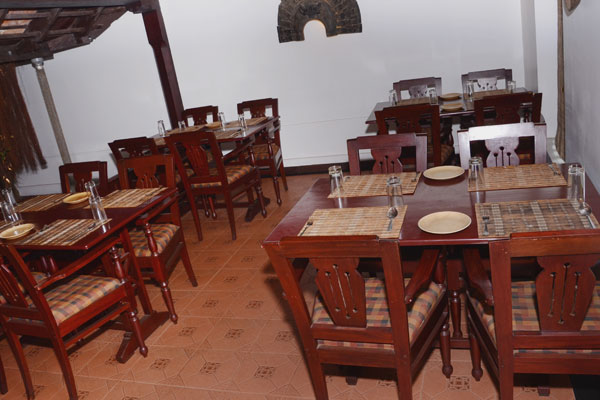
Chengara Heritage Restaurant Perinthalmanna — Hotel restaurant in Perinthalmanna and Kodikuthimala
Verified
Hotel restaurant · Perinthalmanna and Kodikuthimala
Chengara Heritage Restaurant Perinthalmanna

Chengara Heritage Restaurant Perinthalmanna is a sourced hotel restaurant record for the perinthalmanna-and-kodikuthimala guide. (eat option in Perinthalmanna and Kodikuthimala)

Commission-freeView details
Kodikuthimala DTPC Malappuram — Official district destination source in Perinthalmanna and Kodikuthimala
Verified
Official district destination source · Perinthalmanna and Kodikuthimala
Kodikuthimala DTPC Malappuram

DTPC Malappuram destination source for Kodikuthimala, evening walks and Perinthalmanna-side hill planning. (see option in Perinthalmanna and Kodikuthimala)

View guide
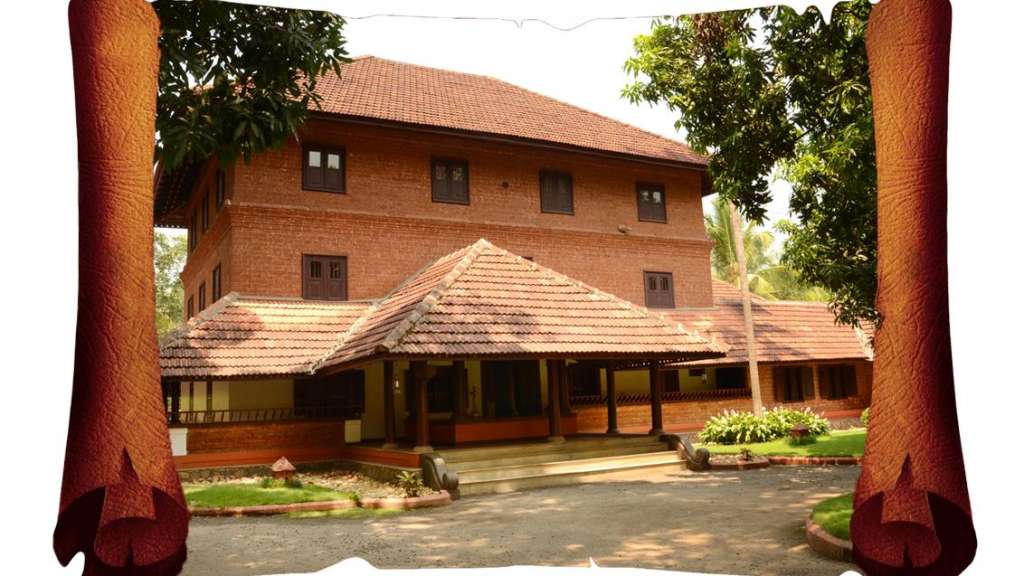
Chengara Heritage Perinthalmanna — Heritage hotel in Perinthalmanna and Kodikuthimala
Verified
Heritage hotel · Perinthalmanna and Kodikuthimala
Chengara Heritage Perinthalmanna

stay option in Perinthalmanna and Kodikuthimala: Chengara Heritage Perinthalmanna is a Heritage hotel option for stay planning in Perinthalmanna and Kodikuthimala, Ernakulam, kerala, India. Use Chengara Heritage Perinthalmanna as a stay option in Perinthalmanna and Kodikuthimala, Ernakulam, kerala, India. book your stay, transport and nearby food stops. Key details: Near Railway Gate, Marungath Colony, Perinthalmanna, Angadippuram, Malappuram, Kerala 679321 · Price range: Contact direct · Amenities: Perinthalmanna stay, Angadippuram, Heritage hotel.

Commission-freeView details
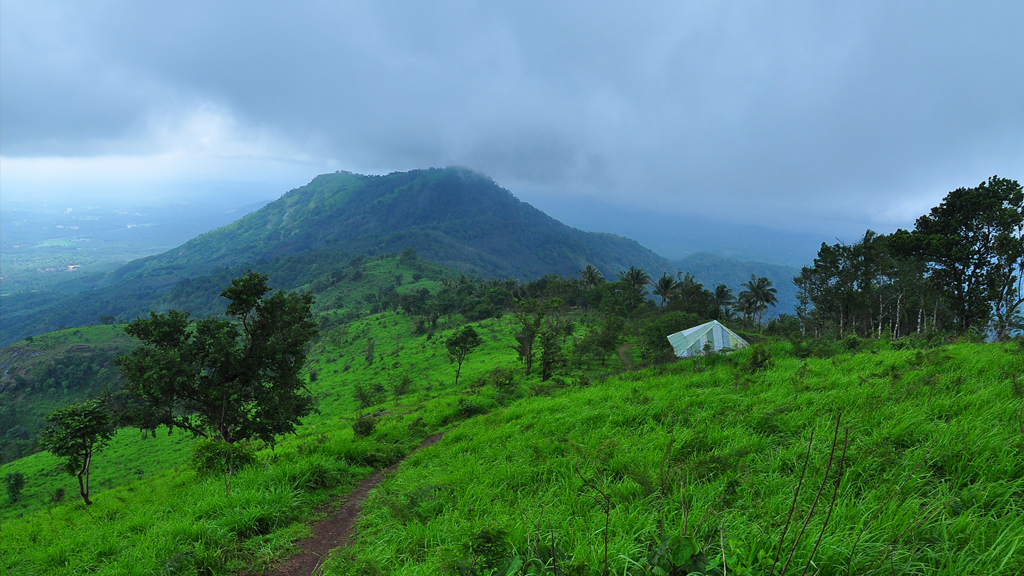
Kodikuthimala Kerala Tourism — Hill viewpoint in Perinthalmanna and Kodikuthimala
Verified
Hill viewpoint · Perinthalmanna and Kodikuthimala
Kodikuthimala Kerala Tourism

do option in Perinthalmanna and Kodikuthimala: Kodikuthimala Kerala Tourism is a Hill viewpoint option for do planning in Perinthalmanna and Kodikuthimala, Ernakulam, kerala, India. Use Kodikuthimala Kerala Tourism as a do option in Perinthalmanna and Kodikuthimala, Ernakulam, kerala, India. book timing, permits and local support before heading out. Key details: Kodikuthimala, near Perinthalmanna, Malappuram, Kerala · Price range: Check current access · Amenities: Kodikuthimala, Perinthalmanna, Hill viewpoint.

Commission-freeView details
O
Orentincars | Car Rental Service
Vehicle rental
Top pick Verified
Self-drive car rental · Perinthalmanna and Kodikuthimala
Orentincars | Car Rental Service
4.7 (199)

Self-drive car rental in perinthalmanna and kodikuthimala — confirm vehicles, rates, documents and deposit directly. (vehicle rental option in Perinthalmanna and Kodikuthimala)

Commission-freeView details
E
Emarald Ayurveda Resort
Place to stay
Top pick
Hotel · Perinthalmanna and Kodikuthimala
Emarald Ayurveda Resort

Riverside wellness resort with an Ayurvedic spa, daily yoga and Panchakarma detox packages. Set on Resort Road in Pulamanthole, near Perinthalmanna. (stay option in Perinthalmanna and Kodikuthimala)

Commission-freeView details
N
Narmada Homestay
Place to stay
Top pick
Hotel · Perinthalmanna and Kodikuthimala
Narmada Homestay

Premium homestay of five river-named villas with Ayurvedic treatment facilities. Sits at Angadippuram, close to Thirumandhamkunnu Temple. (stay option in Perinthalmanna and Kodikuthimala)

Commission-freeView details
R
Rithu Regency
Place to stay
Top pick
Hotel · Perinthalmanna and Kodikuthimala
Rithu Regency

Vegetarian-friendly hotel with suites and a Koothambalam banquet hall on NH-213. Stands beside Thirumandhamkunnu Temple in Angadippuram. (stay option in Perinthalmanna and Kodikuthimala)

Commission-freeView details
M
MP Residency
Place to stay
Top pick
Hotel · Perinthalmanna and Kodikuthimala
MP Residency

Budget 24-hour hotel with AC rooms, CCTV and power backup. Located opposite the Government Hospital, handy for Perinthalmanna's medical hub. (stay option in Perinthalmanna and Kodikuthimala)

Commission-freeView details
B
Blue Diamond Residency
Place to stay
Hotel · Perinthalmanna and Kodikuthimala
Blue Diamond Residency

Compact hotel with elegant rooms, an on-site restaurant and meeting space. Stands at the Bypass Junction on the Kozhikode-Palakkad road. (stay option in Perinthalmanna and Kodikuthimala)

Commission-freeView details
N
Nahdi Kuzhi Mandi
Where to eat
Restaurant · Perinthalmanna and Kodikuthimala
Nahdi Kuzhi Mandi
Arabian / Mandi

Arabian restaurant serving slow-cooked kuzhi mandi and biryani since 2013. Located on Pattambi Road near the post office in central Perinthalmanna. (eat option in Perinthalmanna and Kodikuthimala)

Commission-freeView details
P
Perinthalmanna Taxi Route Support
Things to do
Verified
Hill route transport support · Perinthalmanna and Kodikuthimala
Perinthalmanna Taxi Route Support

Hill route transport support for Perinthalmanna Taxi Route Support, researched for perinthalmanna-and-kodikuthimala trip support. (do option in Perinthalmanna and Kodikuthimala)

Commission-freeView details
W
White Flower Mountain Resort Kodikuthimala
Place to stay
Verified
Kodikuthimala resort support · Perinthalmanna and Kodikuthimala
White Flower Mountain Resort Kodikuthimala

Kodikuthimala-area resort support record for travellers needing a hill overnight near Perinthalmanna. (stay option in Perinthalmanna and Kodikuthimala)

Commission-freeView details

Roampedia is commission-free — own or know a stay, eatery, guide or shop near Angadipuram temples? List it and it appears here once verified.

Add a nearby business
Good to know

Angadipuram temples — frequently asked

When is the best time to visit Angadipuram temples?

November to February and early mornings are best for walking; avoid midday heat where possible.

What are the entry fee and timings at Angadipuram temples?

Entry: Free — there is no entry fee to worship at the temples or to view the Angadipuram Laterite monument (special festival darshan or offerings may involve their own charges; indicative — confirm locally).. Timings: Kerala temples typically open early morning and again in the evening, closing around midday (broadly circa 5 am–12 noon and 5 pm–8 pm; the Thali and Thirumandhamkunnu temples keep their own schedules). The laterite monument outcrop is an outdoor site best seen in daylight. All timings indicative — confirm locally.. Fees and timings are indicative — confirm on site before you travel.

How do I reach Angadipuram temples?

Base yourself in Perinthalmanna and Kodikuthimala or a nearby town in Malappuram, then confirm the last-mile route locally before leaving. Walkable heritage areas are best done slowly; combine nearby streets, museums, markets and food stops. If the visit depends on forest, temple, boat, ferry, weather or seasonal access, check the official/local rule on the day before travel.

How much time do I need for Angadipuram temples?

1 to 3 hours.

What should I know before visiting Angadipuram temples?

Watch traffic on narrow heritage streets. Keep valuables close in crowded markets.

Image credits