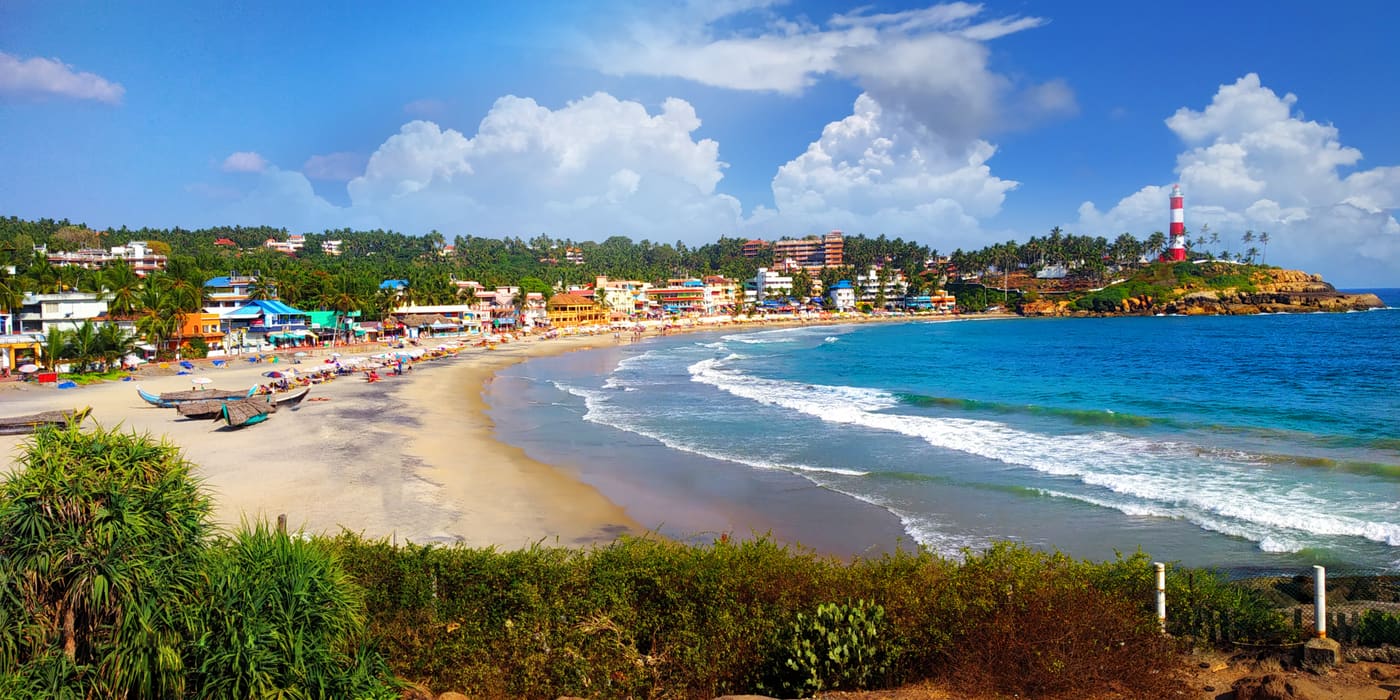
The most famous crescent of Kovalam, watched over by a red-and-white striped lighthouse — this is the sun-drenched sweep that put Kerala on the world tourism map.
The story of Lighthouse Beach
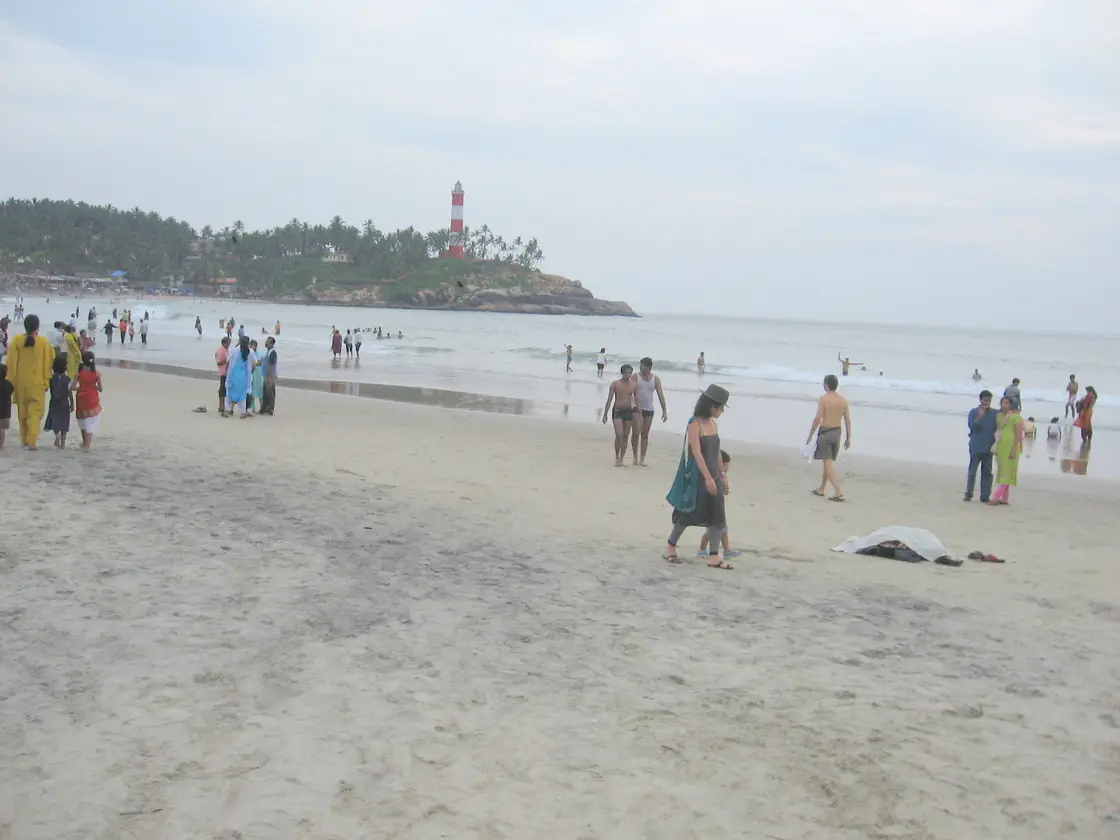
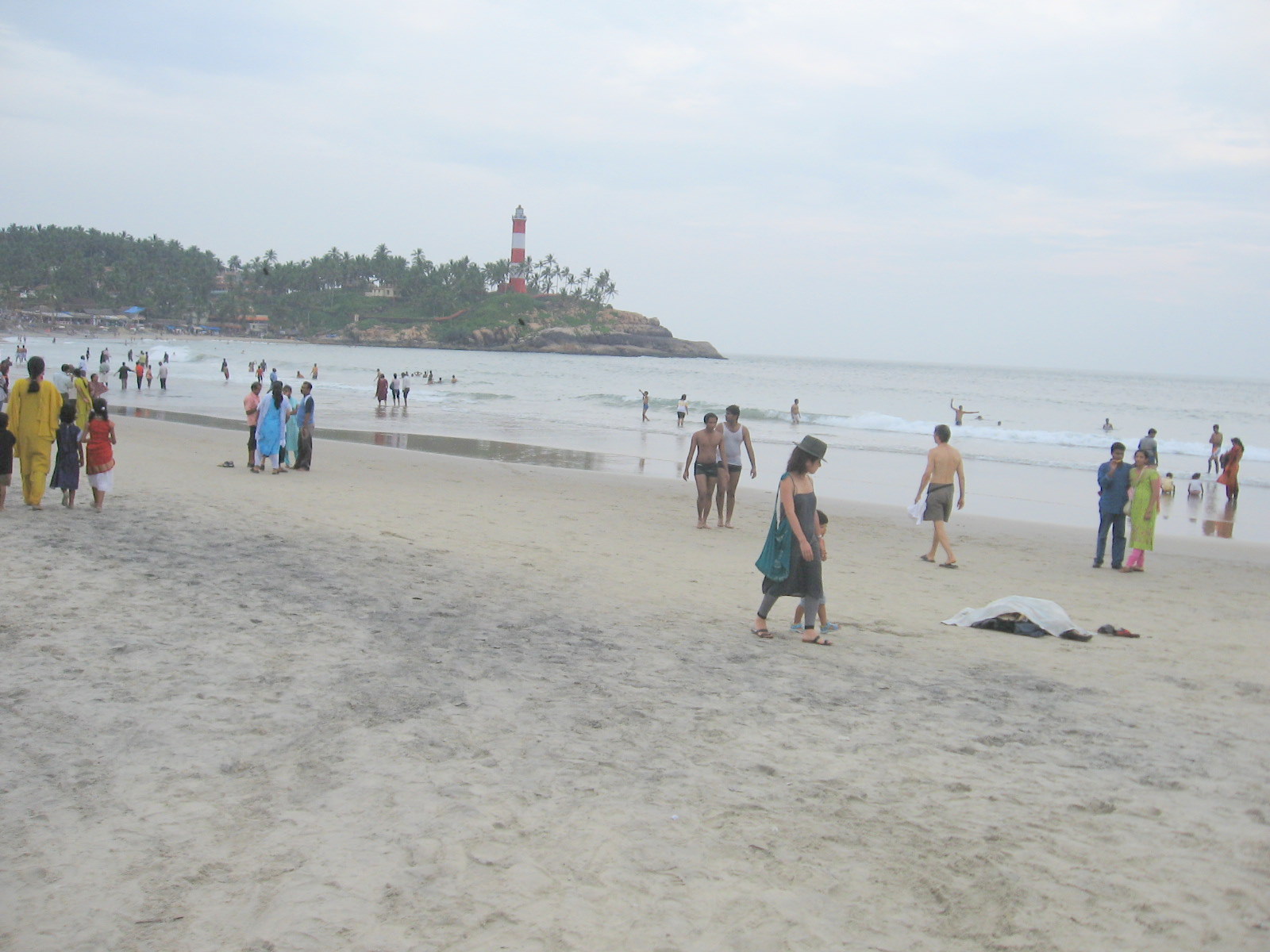
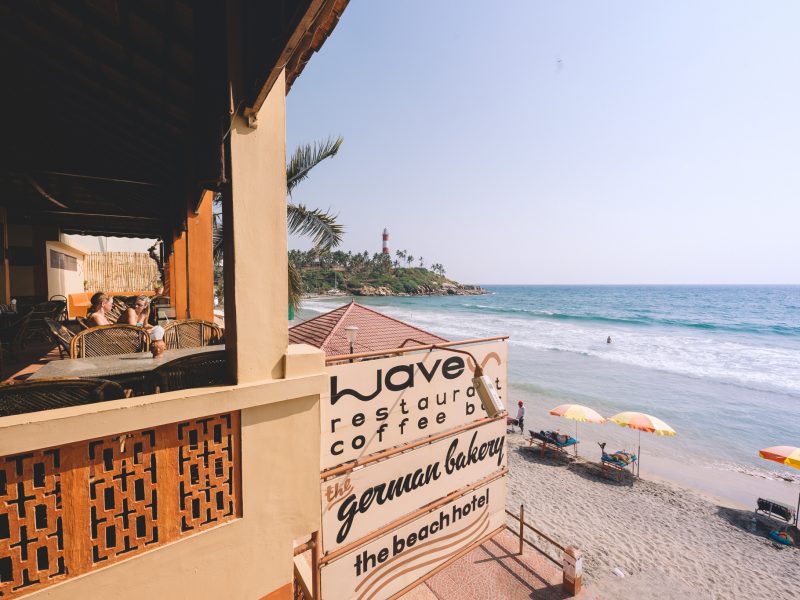
Lighthouse Beach is the southernmost and most celebrated of Kovalam’s trio of coves, a graceful crescent of golden sand curving beneath the Arabian Sea. It takes its name from the tall, boldly banded Vizhinjam lighthouse that stands on Kurumkal hill at its southern tip, a beacon so distinctive that it lent its identity to the whole beach. Of Kovalam’s three bays — Lighthouse, Hawah and Samudra — this is the liveliest, the one travellers picture when they imagine Kerala’s coast.
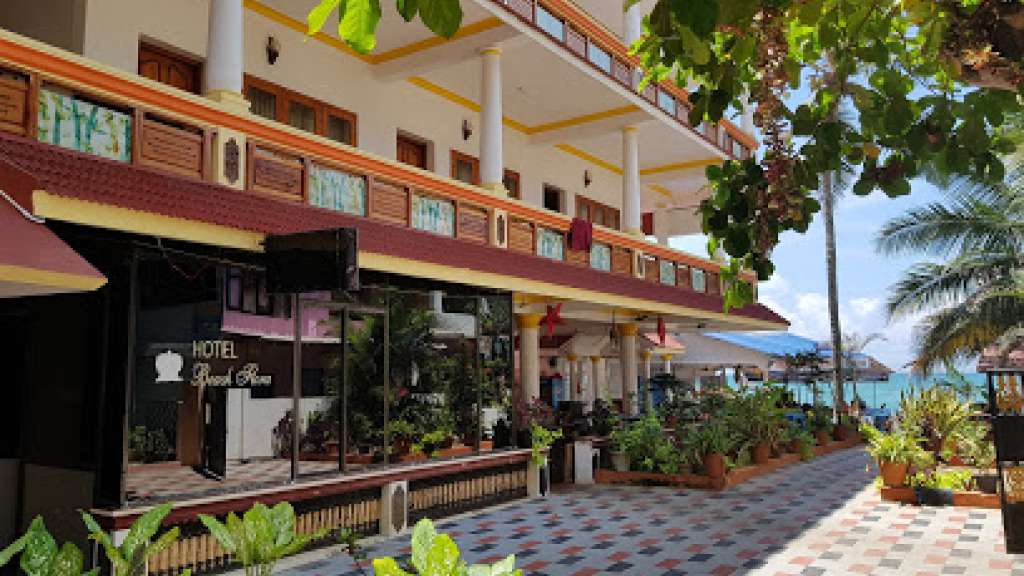
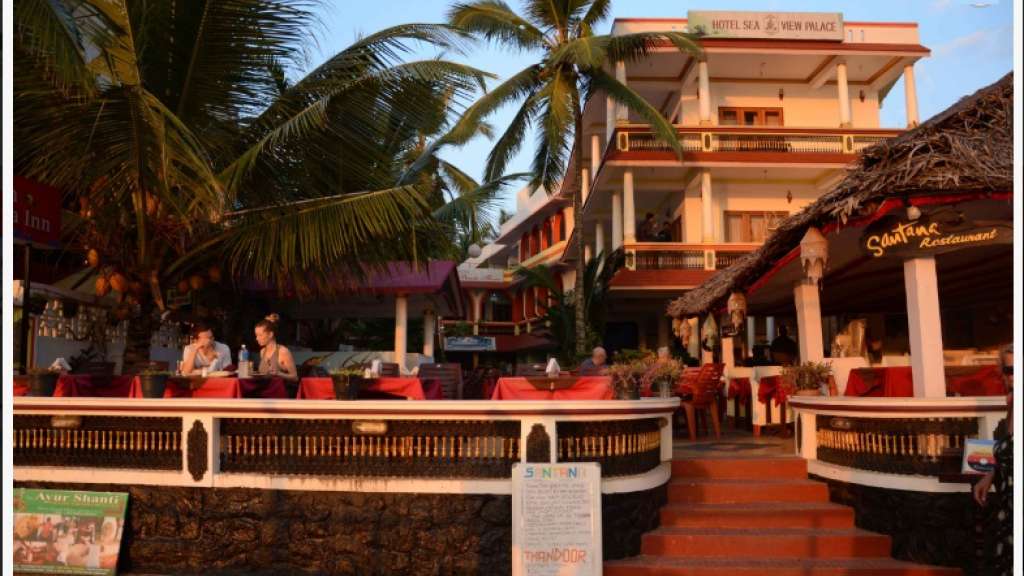
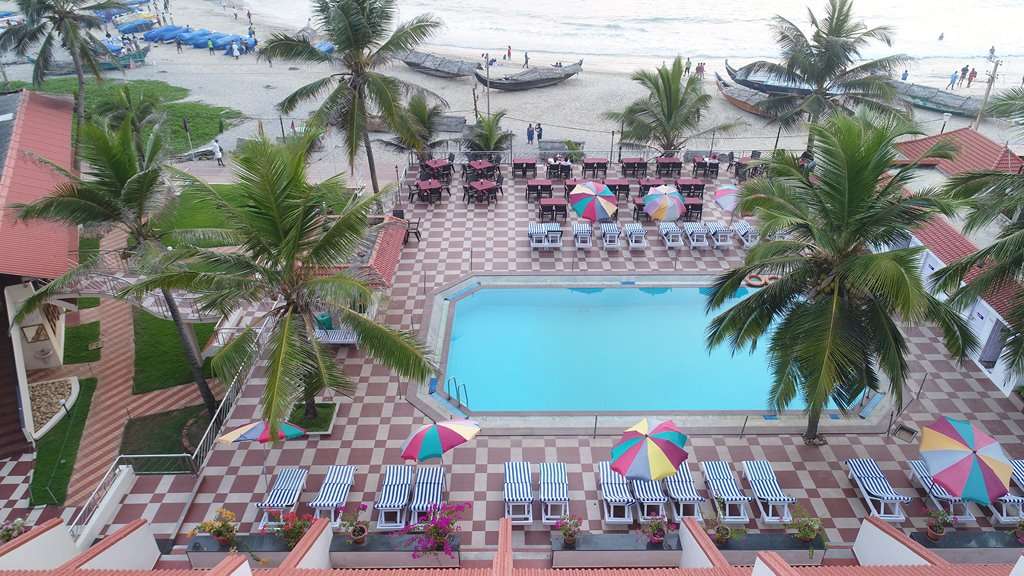
The bay is framed by rocky headlands that give it a sheltered, amphitheatre feel, with the lighthouse anchoring one end and a rolling line of surf breaking along the shore. A paved promenade runs the length of the sand, lined with a near-continuous ribbon of shacks, cafes, guesthouses, curio stalls and Ayurveda parlours. By day the beach fills with sunbathers, swimmers and hawkers selling fresh pineapple and sarongs; by night the promenade glows with fairy lights and the smell of grilled seafood.
Kovalam’s modern story began here in the early 1970s, when the cove became a fabled stop on the overland hippie trail that led from Europe through Asia towards Goa and Ceylon. Backpackers seeking warm water, cheap rooms and freedom from Western convention washed up on Lighthouse Beach, and local families answered by opening the first open-air cafes and simple guesthouses. Israeli, German, French and British travellers arrived in growing numbers, and a laid-back, cosmopolitan culture took root that lingers to this day.
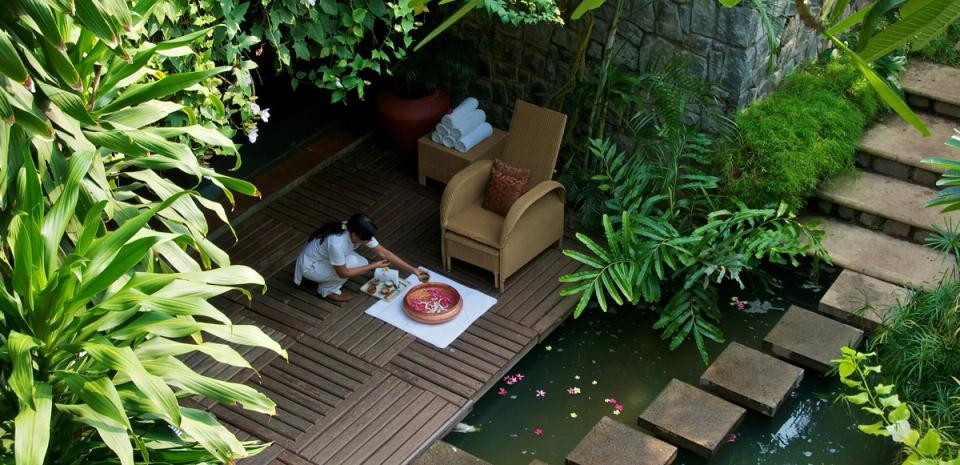
That bohemian inheritance still colours the beach. The shack restaurants display the day’s catch on beds of ice — kingfish, prawns, squid, lobster — and grill it to order over charcoal as you watch the sun sink into the sea. Behind the seafront, Ayurveda centres offer massage and rejuvenation therapies, dive shops arrange lessons, and yoga classes greet the dawn. It is a place built for lingering, where a single sunset can stretch into a whole unhurried evening.
Fishing remains woven into the beach’s daily rhythm. At dawn and dusk, local fishermen still push their long wooden catamarans through the shallows and haul in nets by hand, a working reminder that Vizhinjam was a busy little port long before the tourists came. Their silhouettes against the reddening sky, framed by the striped lighthouse, are the enduring image of Lighthouse Beach.
Sunset is the moment the whole crescent gathers to watch. Crowds drift down to the water’s edge, the shacks light their lamps, and the Arabian Sea turns molten gold and then deep rose behind the fishing boats. Whether you climb the lighthouse for a sweeping coastal panorama or simply nurse a coconut on the sand, Lighthouse Beach delivers the quintessential Kerala seaside evening.
History
The name Kovalam derives from the Malayalam for a grove of coconut trees — a fitting description of the palm-fringed coast on which the beach sits. Long before it drew international visitors, Vizhinjam, the fishing settlement just south of the beach, was a busy seaport during the eighteenth and nineteenth centuries, and the shoreline was a working coast of catamarans and fishing hamlets.
The area first attracted attention as a resort in the late 1920s and 1930s under the patronage of the Travancore royal family. In 1932 Halcyon Castle was built on the promontory above the beach by Sri Rama Varma Valiya Koil Thampuran, consort of the Regent Maharani Sethu Lakshmi Bayi, as a family retreat. European guests of the Travancore court recognised the tourism potential of the coves, and the seed of Kovalam as a destination was sown. The castle was sold to the Government of India in 1964 and later became the core of a luxury hotel.
The lighthouse that gives the beach its name — the Vizhinjam Lighthouse, also called the Trivandrum or Kovalam lighthouse — began functioning on 30 June 1972. It stands on Kurumkal hill at the southern headland: a cylindrical tower about 36 metres (118 feet) tall, painted in bold red and white bands. Visitors can climb its internal spiral staircase of around 140 steps, with an elevator also available, to reach a gallery with spectacular views over the Arabian Sea and the sweep of the coast.
Kovalam’s transformation into India’s premier international beach resort came in the early 1970s, when it became a celebrated stop on the hippie trail and the Government of India moved to develop it formally. The renowned architect Charles Correa was commissioned to design the Kovalam Beach Resort, worked into the sloping coastal site and completed in the mid-1970s. Operated under ITDC as the Kovalam Ashok Beach Resort, the project — together with Halcyon Castle — helped place Kerala firmly on the world tourism map.
Through the 1980s the Kerala government invested heavily in promoting Kovalam, and resorts, guesthouses and amenities multiplied along Lighthouse Beach and its neighbours. Improved connectivity to the nearby Thiruvananthapuram airport and city cemented its status, and the once-quiet fishing cove grew into one of the best-known beach destinations on the Indian subcontinent.
Why visit
The most iconic and lively of Kovalam’s beaches — the postcard image of Kerala’s coast, complete with its landmark striped lighthouse.
Climb the Vizhinjam lighthouse for a sweeping panorama over the Arabian Sea, the crescent bay and the palm-lined coast.
World-famous sunsets watched from the sand, with fishing catamarans silhouetted against the reddening sea.
A buzzing seafront promenade of shacks and cafes serving the day’s fresh catch grilled to order.
A deep-rooted Ayurveda and wellness scene — massage, rejuvenation therapies and dawn yoga a few steps from the water.
A relaxed, cosmopolitan traveller culture inherited from the 1970s hippie-trail days, welcoming to backpackers and families alike.