Roughly 30 km from Thiruvananthapuram, at the very foot of the Western Ghats, Neyyar Dam holds back the Neyyar river to form a glittering reservoir ringed by forested hills — a picnic-and-boating favourite that doubles as the gateway to a wildlife sanctuary, a lion safari, a crocodile centre and a world-famous yoga ashram.
The story of Neyyar Dam
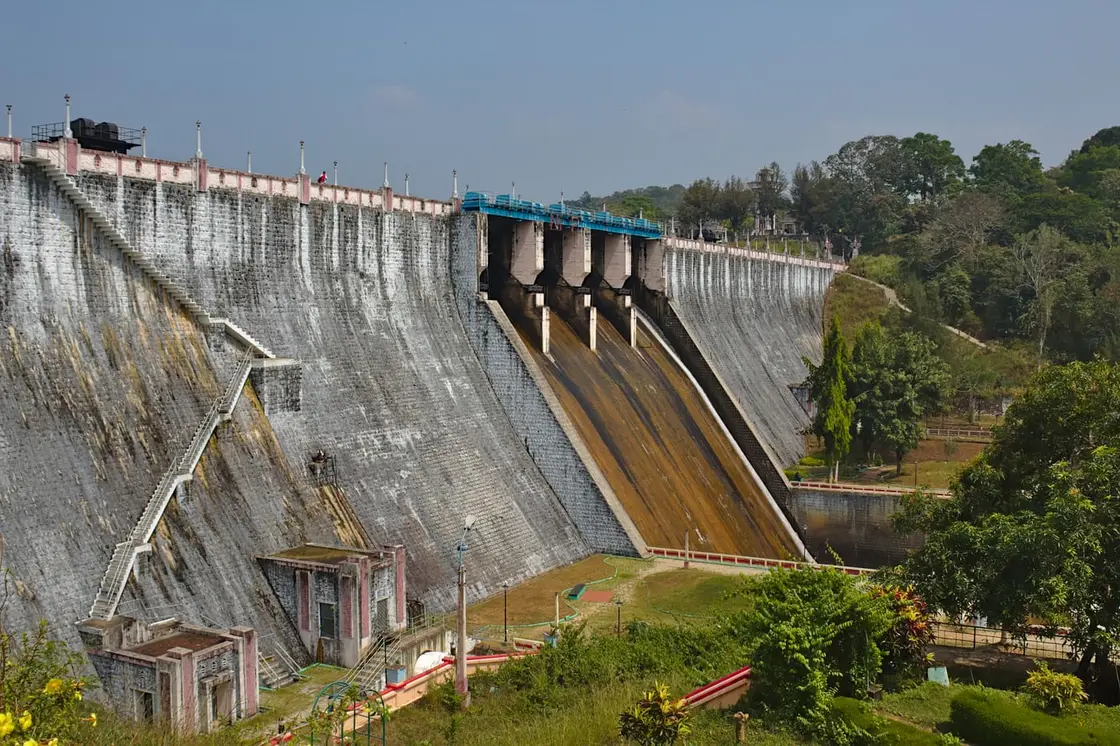
The road up from Kattakada tips you out at one of southern Kerala’s most photographed vantage points: a broad rubble-masonry dam wall with the still, blue-green Neyyar reservoir stretching away behind it and the blue ridgelines of the Agasthyamala hills rising beyond. On a clear morning you can pick out the distant cone of Agasthyakoodam, the second-highest peak in Kerala, presiding over the whole basin. It is the kind of view that makes Neyyar Dam a standing weekend outing for Thiruvananthapuram families and a natural half-day stop for anyone heading down to the coast at Poovar or Kovalam.
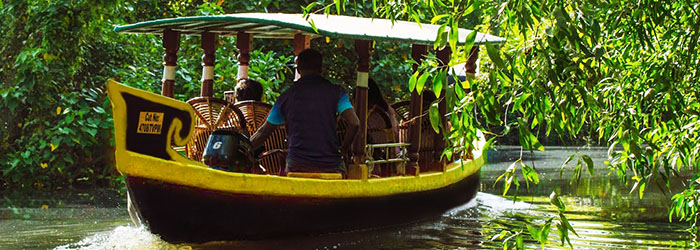
The reservoir is the heart of the visit. Boats — pedal boats and larger motor launches run by the tourism and forest departments — set out from the jetty for cruises across the water, and it is from the water that most people first glimpse the sanctuary’s hillsides and, if luck holds, animals coming down to drink. The boat ride is also the usual way to reach the island-style enclosures that make Neyyar unusual among Kerala dams: a Lion Safari Park, a crocodile rehabilitation centre and a deer park, each a short crossing away.
The Lion Safari Park is the headline draw for children — a fenced forest tract through which a guided vehicle carries visitors in search of lions living in semi-wild conditions. Nearby, the crocodile rehabilitation and breeding centre, one of the oldest of its kind in the state, keeps mugger crocodiles in pools you can watch from safe walkways, while the deer park shelters spotted deer among the trees. Sightings are never guaranteed — these are living animals in a working conservation set-up — but the cluster of attractions packs a lot of variety into a single ticketed circuit.
Above the dam, a watch-tower and landscaped gardens give walkers a place to catch the breeze and look out over the water. The surrounding Neyyar Wildlife Sanctuary is home to elephants, gaur, sloth bears, Nilgiri tahr and a long list of birds; captive elephants are sometimes kept near the dam, and the forest edge here is the trailhead for the demanding seasonal trek up Agasthyakoodam, undertaken only with a Forest Department permit during the short open window each year.
A short distance from the dam, tucked into forest by the reservoir, stands the Sivananda Yoga Vedanta Dhanwantari Ashram — an internationally known yoga centre whose teacher-training courses draw students from around the world. Its presence gives Neyyar Dam a second life beyond the day-tripper crowd: while families queue for boat tickets by the water, robed practitioners follow a very different rhythm of asana, meditation and sattvic living just up the hill.
Put together, Neyyar Dam is really several outings in one place — an engineering landmark, a scenic reservoir, a mini-zoo of safari, crocodiles and deer, a trekking base and a spiritual retreat — which is why a stop that people plan as an hour so often stretches into most of a day.
History
Neyyar Dam was built across the Neyyar river and was completed in 1958 as the centrepiece of the Neyyar Irrigation Project, conceived to bring reliable water to the farmlands of the Thiruvananthapuram region. Local accounts recall that land for the project was given by an agriculturist and his family, and the scheme went on to irrigate a large command area of paddy and garden crops in the district’s southern taluks.
Structurally it is a rubble-masonry gravity dam, standing about 56 m high with a crest length of close to 295 m (figures indicative — confirm locally). The reservoir it impounds not only feeds irrigation canals but also supplies drinking water to Thiruvananthapuram and its surroundings, and the project later added a modest hydroelectric component, making the single scheme serve water, power and, increasingly, tourism.
The forests around the reservoir were brought under protection as the Neyyar Wildlife Sanctuary, established in 1958 and covering roughly 128 sq km of the Agasthyamalai section of the Western Ghats (area indicative — confirm locally). The sanctuary safeguards a rich cross-section of Western Ghats wildlife and encloses Agasthyakoodam, the sacred peak that gives the whole hill range its name.
The visitor attractions grew up in stages. A crocodile farm was set up at Neyyar in 1977 to breed and rehabilitate mugger crocodiles, and the Lion Safari Park and deer park were developed to let day visitors experience the sanctuary’s wildlife from close quarters. Together with boating on the reservoir, these turned an irrigation dam into one of the busiest outing spots near the state capital.
In February 1978, Swami Vishnudevananda — a disciple of Swami Sivananda of Rishikesh — inaugurated the Sivananda Yoga Vedanta Dhanwantari Ashram in the forest beside the reservoir. Set on a wooded tract near the dam, it became the movement’s principal Indian ashram and a globally recognised centre for classical yoga and teacher training, adding a lasting spiritual chapter to Neyyar Dam’s story.
Why visit
Sweeping reservoir views with the Agasthyamala hills — and, on clear days, the Agasthyakoodam peak — as a backdrop.
Boat cruises across the Neyyar reservoir, the classic way to see the sanctuary’s wooded shores and reach the island attractions.
A rare cluster of family draws in one place: Lion Safari Park, crocodile rehabilitation centre and deer park.
A watch-tower and gardens above the dam for easy walking, breezes and photography.
The forest edge as base for wildlife (elephants, gaur, Nilgiri tahr, birds) and the seasonal, permit-only Agasthyakoodam trek.
The internationally known Sivananda Yoga Vedanta Dhanwantari Ashram nearby, for yoga courses and retreats.
An easy half-day trip from Thiruvananthapuram, and a natural add-on to the Poovar–Kovalam coast.