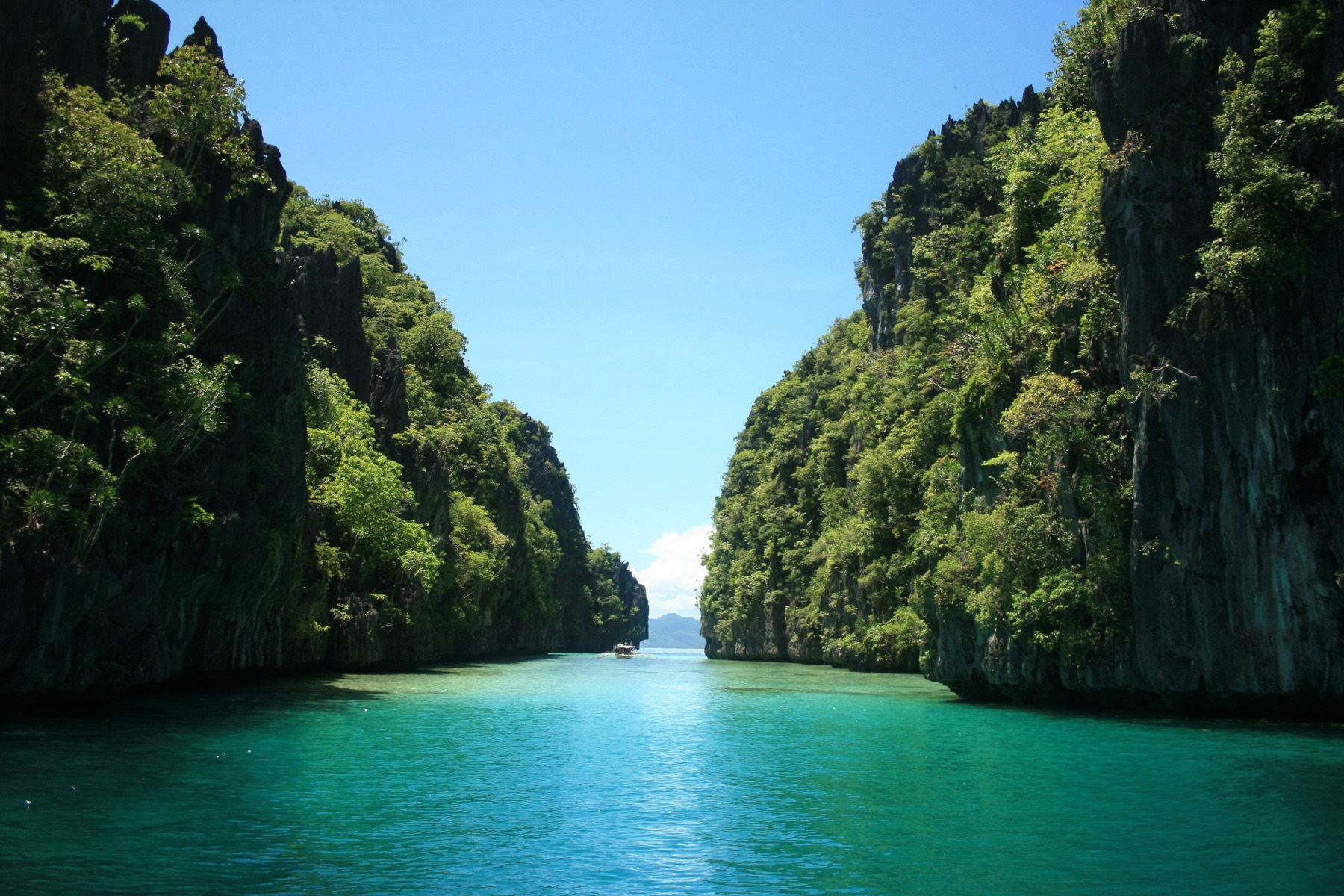
Many of the Philippines’ best experiences are fragile: reefs, caves, whale-shark areas, mountain trails, waterfalls, surf breaks and indigenous cultural landscapes. Roampedia should make responsible choices visible before users reach the booking stage.
Responsible travel checks
| Activity | Better choice |
|---|---|
| Whale sharks | Prefer regulated, conservation-led operators; avoid touching, chasing or feeding wildlife |
| Reefs and diving | Use licensed operators, secure fins, avoid standing on coral and follow marine-park rules |
| Caves and waterfalls | Use local guides where required, wear proper footwear and avoid flash-flood risk |
| Mountains and volcanoes | Check permits, weather, trail status and guide requirements before travel |
| Cultural areas | Ask before photographing people, ceremonies, weaving or private spaces |
Roampedia content rule
- Flag controversial wildlife experiences clearly.
- Do not promote unsafe shortcuts to closed viewpoints, caves, waterfalls or volcano routes.
- For BARMM and remote island routes, keep pages in research mode until logistics and safety are manually verified.
Frequently asked questions
Is whale-shark tourism in the Philippines ethical?
It depends on the operator and location. Travellers should avoid any experience that feeds, touches, corners or crowds whale sharks.
Do I need guides for waterfalls and caves?
Often yes, especially where access crosses villages, slippery trails, caves or rivers. Use local rules and safety conditions as the deciding factor.