The story
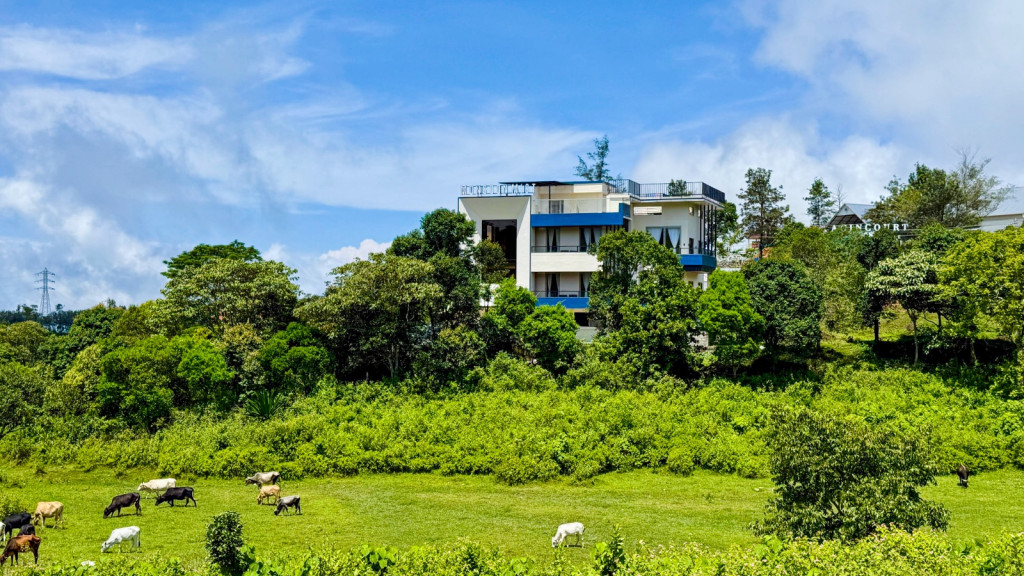
Perched at roughly 1,100 metres on the Kottayam–Kumily highway in Idukki district, Kuttikkanam is a mist-wrapped hill station within the historic Peermade highlands — a cool, green world of tea and cardamom estates, pine-clad slopes, rolling meadows and weathered colonial bungalows where the Travancore kings once fled the heat of the plains.
The story of Kuttikkanam
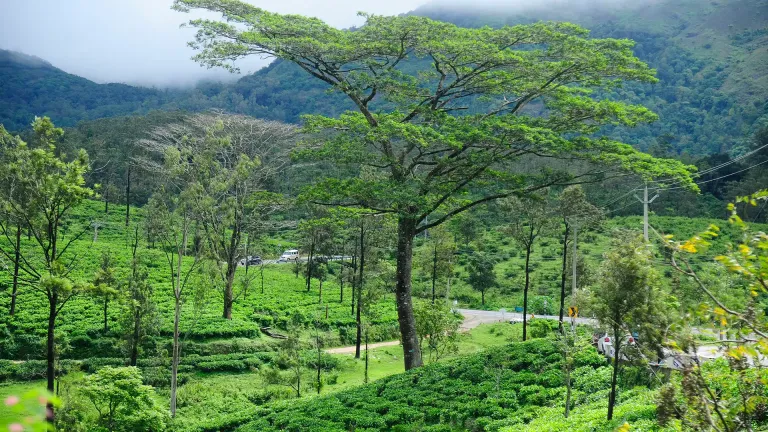
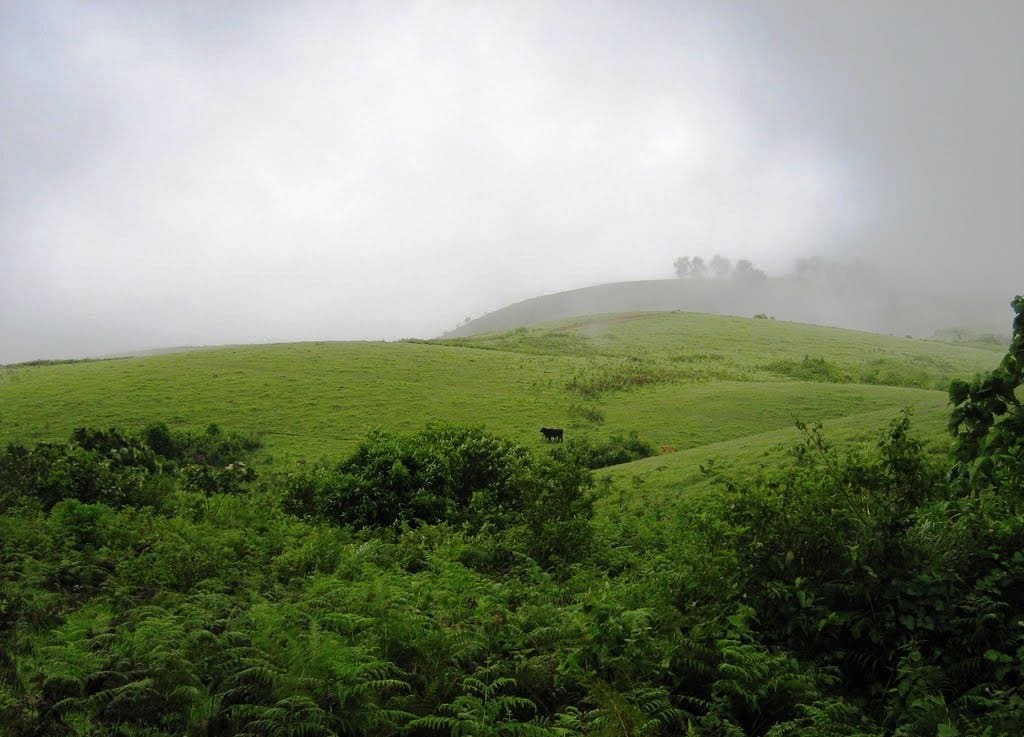
Kuttikkanam arrives quietly. One moment you are climbing the winding Peermade road through cardamom country, and the next the temperature drops, cloud drifts across the windscreen and the hills fold into soft, tea-carpeted ridges. At around 3,500 feet the air is genuinely cool the year round, and by afternoon a fine mist often rolls in off the meadows, blurring the tree lines and lending the whole plateau a hushed, storybook stillness.
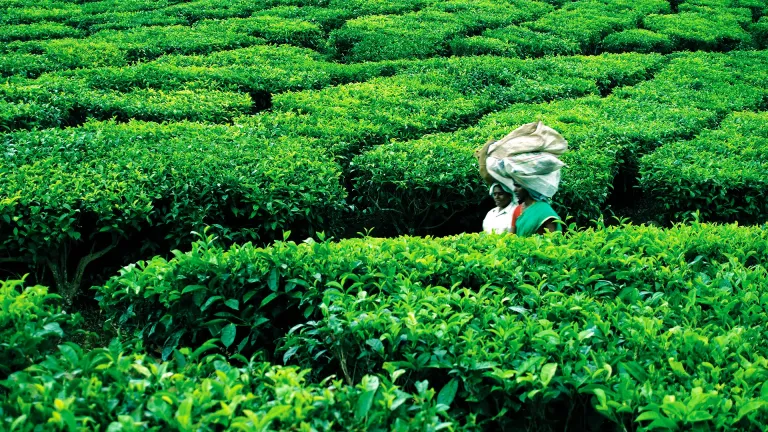
It is a landscape shaped by leaf and estate. Sweeping tea gardens stitch the slopes in geometric green, broken by shade trees and the darker tangle of cardamom plantations that scent the damp air. Above the estates lie open grasslands and a pine forest said to spread across roughly a hundred acres, home to some thirty species of birds — a rare, almost European texture that sets Kuttikkanam and its parent town of Peermade apart from Kerala’s other hill retreats.
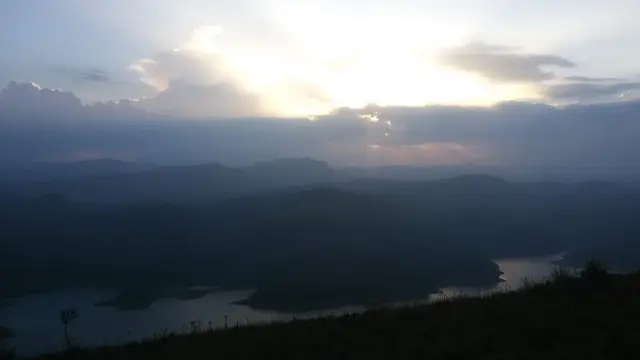
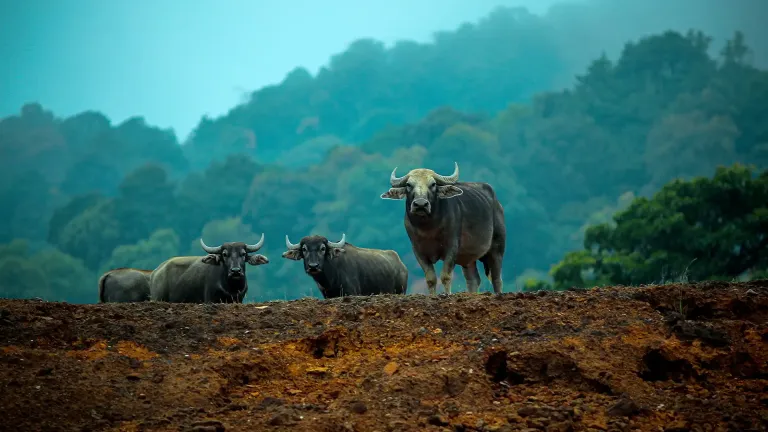
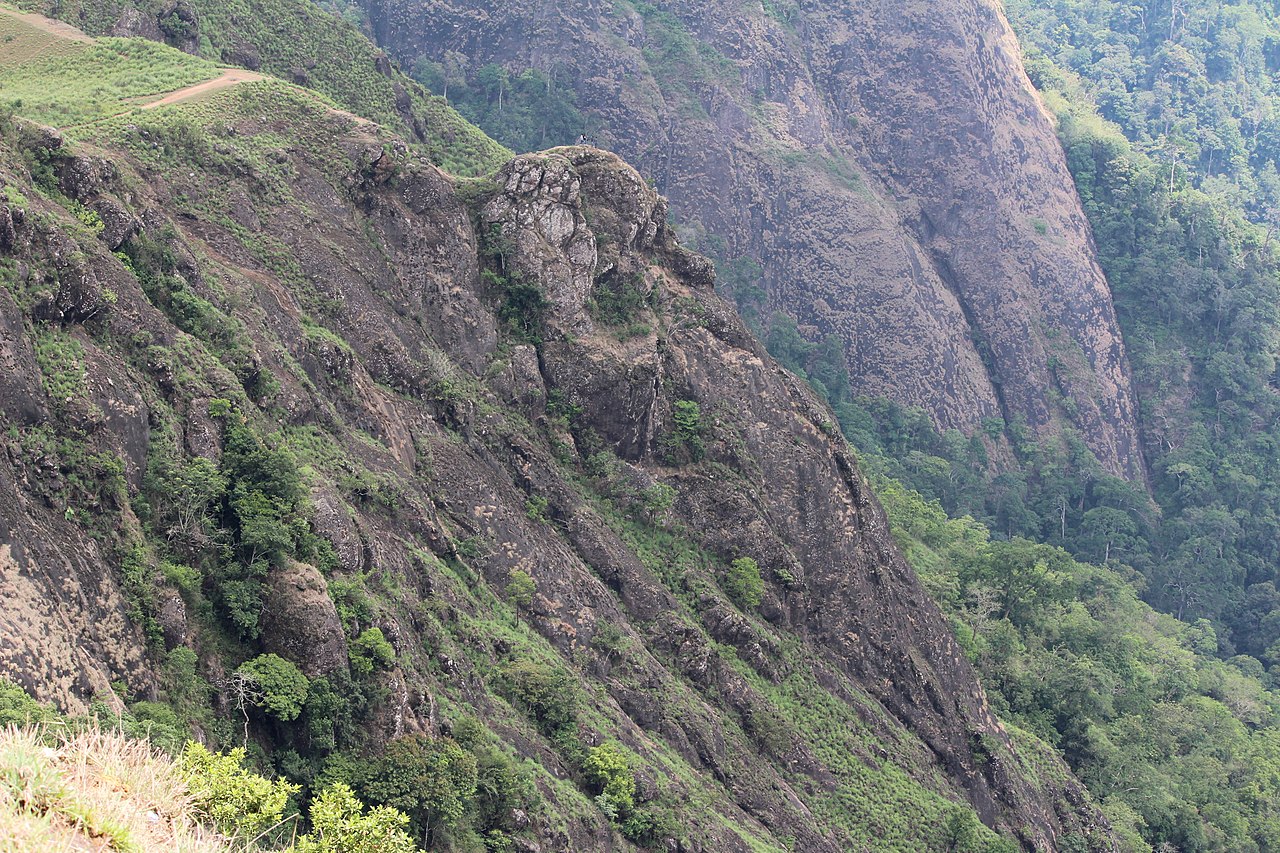
This is walking and wandering country rather than a place of ticketed monuments. Trails thread through plantations and up to breezy viewpoints; early mornings reward you with valleys drowned in cloud and, if you are patient, glimpses of Indian bison (gaur) grazing the fringes and monkeys crossing the tracks. The pleasures here are unhurried — a plantation stroll, a flask of estate tea, the long silence of a ridge at dusk.
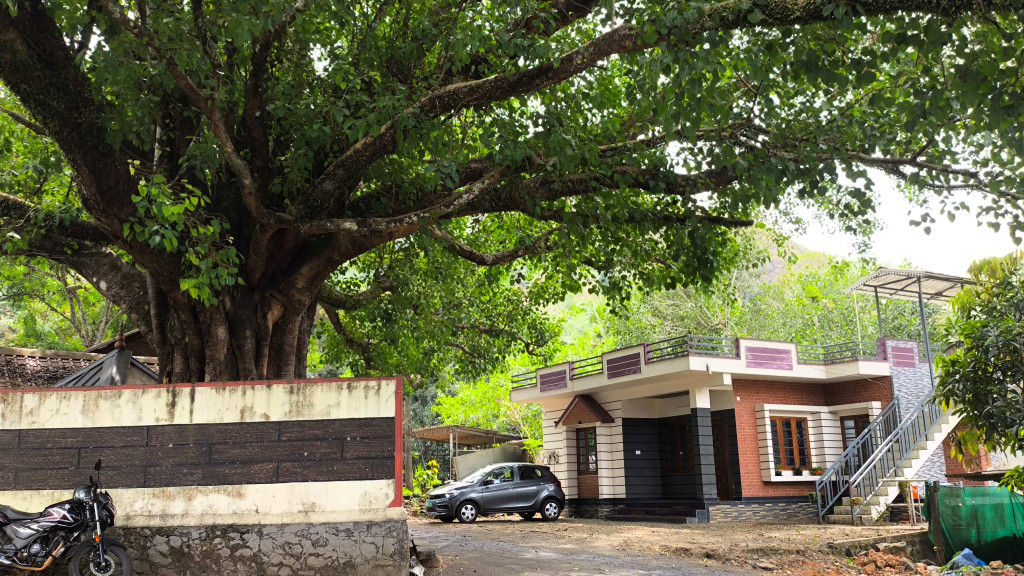
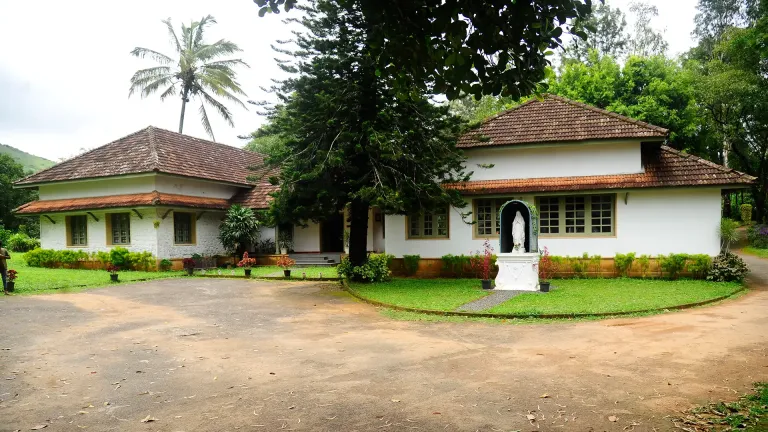
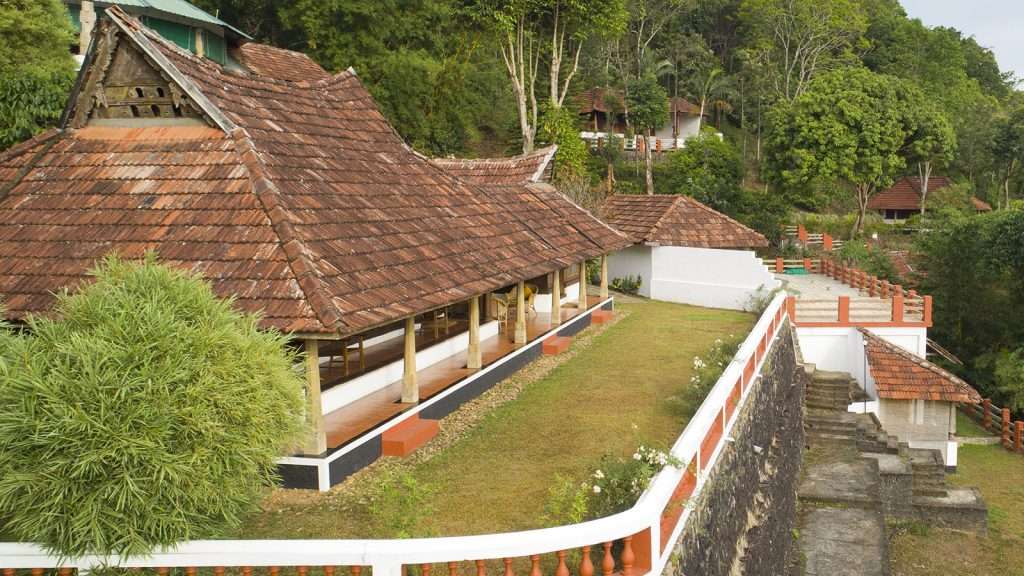
Scattered through the hills are the ghosts of the planting era: high-fronted bungalows with teak staircases and bedroom fireplaces, estate roads laid by European planters, and the old summer retreats of Travancore royalty. Names like Ashley and Fairfield still cling to estates founded in the 1860s and 1870s, and the region wears its colonial past not as a museum but as lived-in architecture folded among working tea gardens.
Kuttikkanam is also a place of learning and quiet institutions, most famously Marian College, whose hillside campus has drawn students up into these clouds for decades. That mix — plantation heritage, academic calm and raw Ghats scenery — gives the town an unusually settled, gentle character, more retreat than resort.
Come for the climate and stay for the mood. Where Munnar can feel crowded, Kuttikkanam and Peermade remain comparatively untouristed — a slow hill station of cardamom-scented lanes, misty meadows and long views, best savoured with a jacket, a good pair of shoes and no fixed itinerary.
Legend & myth
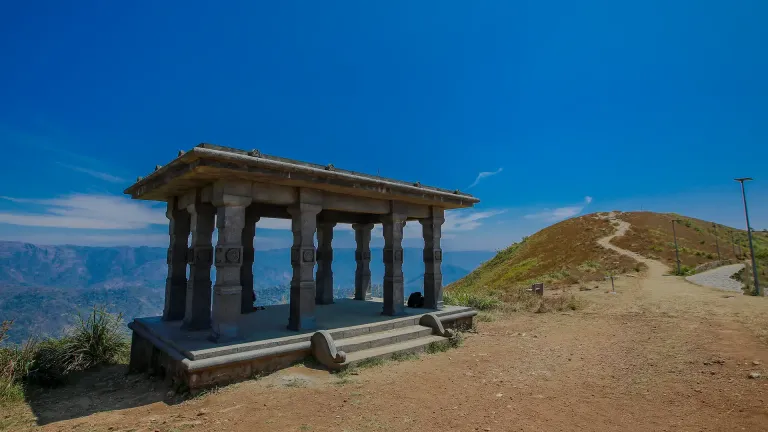
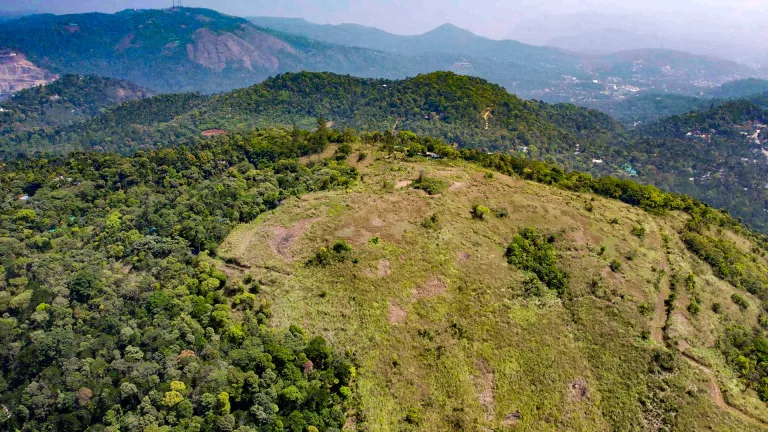
The nearby viewpoint of Panchalimedu, reached from the Kuttikkanam–Peermade highlands, carries a well-loved Mahabharata legend. Local tradition holds that the Pandavas passed this way during their years of forest exile, and that Draupadi — also called Panchali — bathed at a spring here; the hill is said to take its name from her, and a small shrine and perennial pond keep the story alive for pilgrims who climb the grassy summit.
The parent town of Peermade owes its very name to a legend of sainthood. It is said to honour Pir Muhammed (Peer Mohammed) Waliullah, a Sufi mystic and poet from Tamil Nadu sometimes called the ‘Rumi of South India’, who is believed to have meditated in these hills. Whether history or devotion, the tale gives the whole plateau — Kuttikkanam included — a quiet spiritual undertone beneath its planting-era surface.
History
For much of recorded history these highlands were near-empty forest. In the sixteenth century the tract lay under the kings of Changanacherry and was largely uninhabited, roamed by wildlife and a handful of hill communities. In 1756 the King of Travancore absorbed the region, and over the following century the cool plateau around Peermade and Kuttikkanam became a favoured summer escape for the royal family, who came up to flee the fierce heat of the coastal plains.
The modern character of the place was forged by coffee, then tea. A Church Mission Society missionary, Henry Baker, is credited with starting coffee plantations in these hills, and under the reign of Sri Moolam Thirunal much of that acreage was converted to tea. A pivotal turn came in 1865, when Travancore regularised taxes on trees and released tracts of ‘barren’ highland for cultivation — legislation that pulled European planters up into the Ghats to secure large estates.
By the late nineteenth and early twentieth centuries the forest had been remade into sprawling tea, coffee and cardamom estates laced with plantation roads and bungalows. Planters’ residences such as Ashley Bungalow, dated to 1868, and the Fairfield estate bungalow of about 1880 on a plantation opened in 1868 survive from this boom, their teak furniture, high fronts and bedroom fireplaces recalling a distinctly Victorian hill life transplanted to the tropics.
Access, however, was hard-won. With no proper road at first — only a footpath up the ghat — the British floated the Aerial Ropeway Ltd, remembered as Travancore state’s first public limited company, to haul goods and produce over the difficult terrain. Under the Raj, Kuttikkanam grew into an up-market retreat, and the summer palace of the Travancore kings stood here, complemented by royal residences such as the Ammachi Kottaram with its courtyard-centred, part-traditional, part-colonial design.
Much of today’s population descends from labourers who migrated from across Kerala and neighbouring Tamil Nadu to work the estates, giving the hills a mixed Malayalam- and Tamil-speaking community. The estates still turn, colonial churches such as St Mary’s in Peermade still stand, and institutions like Marian College have added a new layer of life — so that Kuttikkanam remains, layer upon layer, a working monument to Travancore’s planting age.
Why visit
The climate. Sitting near 1,100 metres, Kuttikkanam stays cool and fresh all year, with afternoon mist rolling across the meadows — a proper hill-station chill that draws visitors up out of Kerala’s humid plains.
Tea and cardamom country. Endless estates carpet the slopes in green, the cardamom-scented air and geometric tea gardens making even a short plantation walk memorable.
Colonial heritage. Weathered planters’ bungalows, old estate roads and the legacy of Travancore’s summer retreats give the hills a rare architectural and historical texture you can still see standing among working estates.
Genuine peace. Compared with busier Munnar, Kuttikkanam and Peermade remain relatively untouristed — ideal for travellers who want mist, silence and long views rather than crowds and queues.
Trekking and viewpoints. The plateau is one of Idukki’s best for gentle-to-serious trekking, with grassland ridges, pine forest and nearby viewpoints such as Panchalimedu and Parunthumpara opening onto vast, cloud-filled valleys.
Wildlife and birds. The pine forest and estate fringes host around thirty bird species, and lucky visitors spot Indian bison (gaur) and troops of monkeys against the misty backdrop.