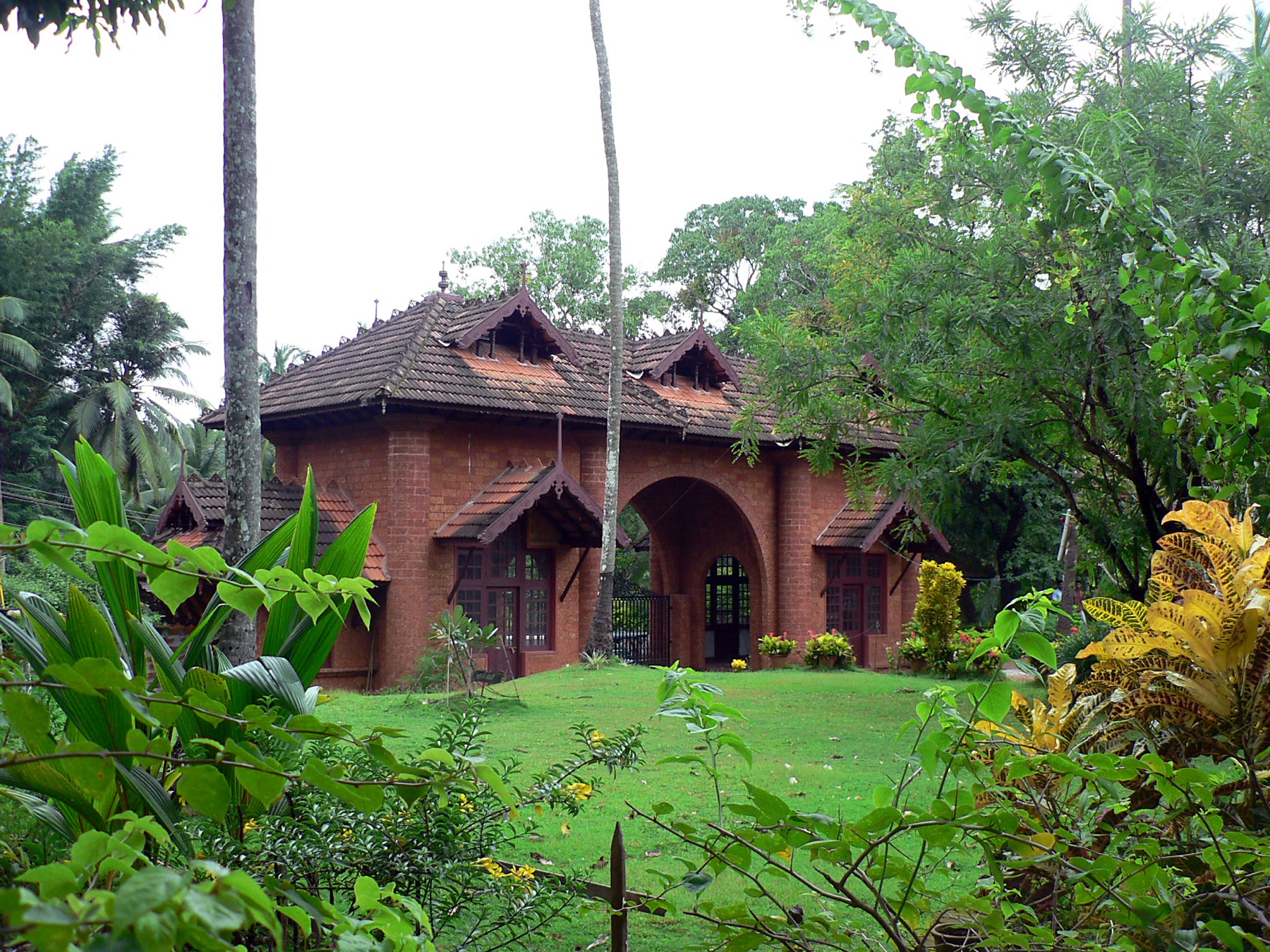
Where the Bharathapuzha winds down to the sea, Biyyam Kayal spreads out as a sheet of still water at the edge of Ponnani — the coastal town Malabar’s Muslims have long called the ‘Mecca of Kerala’.
The story of Biyyam Kayal
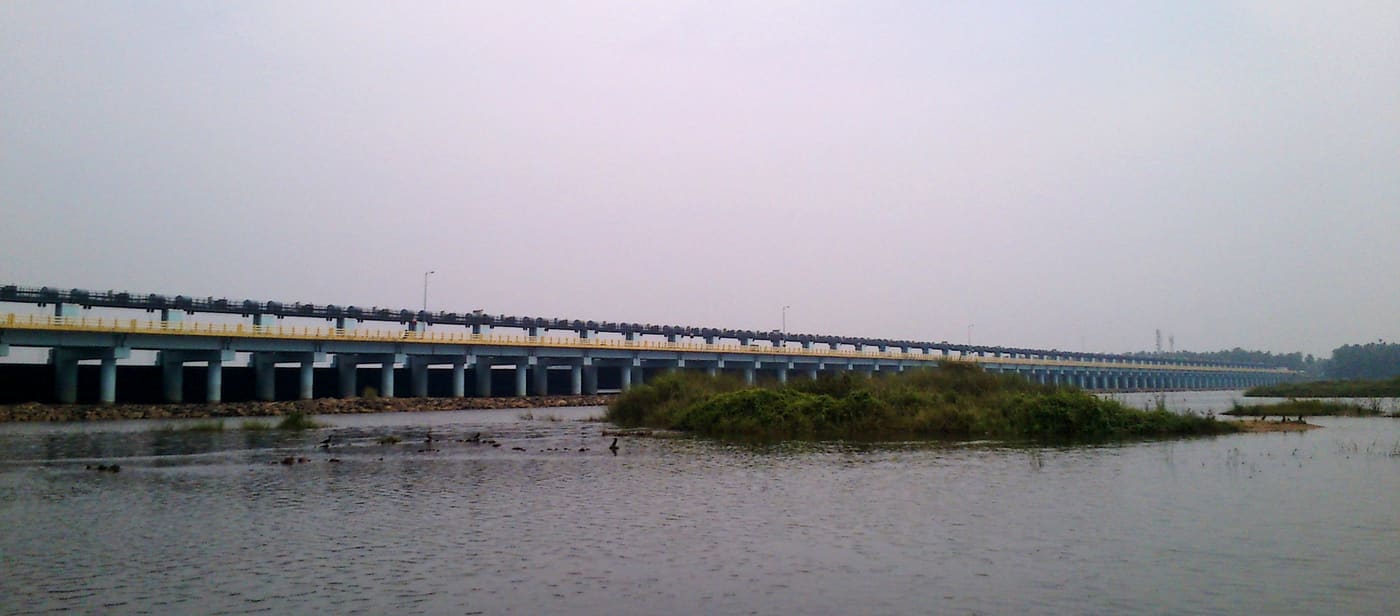
Biyyam Kayal is the calm, glassy backwater that gives Ponnani much of its charm — a broad kayal (lagoon) lying just inland from the point where the Bharathapuzha, Kerala’s second-longest river, empties into the Arabian Sea. Fringed by coconut groves and paddy fields, it is the quieter, less commercial cousin of the famous Alappuzha backwaters, and that is exactly its appeal: you get the mirror-flat water, the drifting boats and the soft coastal light without the crowds and the tour-bus bustle.
The District Tourism Promotion Council (DTPC) developed the lakeside into a dedicated tourism and adventure-sports zone, and today it is one of Ponnani’s best-loved outings. The water is worked in a whole spread of ways — gentle pedal boats and paddle boats for families, kayaks and canoes for those who want to slip quietly along the fringing canals, and, for the thrill-seekers, speed-boat rides and water-scooter (jet-ski) runs that carve white lines across the lagoon.
On the bank sits a landscaped park with a children’s play area, making Biyyam Kayal an easy, all-ages stop — parents on the grass, kids on the swings, and the water always in view. A picturesque hanging bridge is strung across part of the kayal, a favourite spot to pause mid-crossing and take in the whole sweep of water, and it has become one of the most-photographed sights here.
There is a private adventure and water park on the lake as well, which layers on kayaking, zip-lines, rope courses, pedal boats and a kids’ zone for those who want a fuller half-day of activity rather than just a quiet paddle. Between the DTPC facilities and the adventure park, Biyyam Kayal manages to be two things at once — a serene sunset backwater and a busy little activity hub.
Sunset is the hour to be here. As the light drops behind the coconut palms and the estuary, the whole lagoon turns molten, small boats become silhouettes, and the water goes utterly still — it is the shot everyone comes for. In the cooler months the surrounding wetlands and the nearby Bharathapuzha estuary also draw migratory birds (Ponnani sees good passage roughly February to April), so an early-morning visit can add a little quiet birdwatching to the itinerary.
The lagoon comes fully alive once a year during Onam, when Biyyam Kayal hosts its own vallam kali (boat race). Around two dozen country boats churn the water while crowds watch from bankside pavilions to the beat of drums — a smaller, more local affair than Kerala’s marquee snake-boat regattas, but all the more atmospheric for it. Paired with the town’s beach, estuary and centuries-old mosque, the kayal makes Ponnani a genuinely rewarding, off-the-usual-trail coastal stop.
History
Biyyam Kayal’s story is really the story of Ponnani, one of the oldest and most historically important towns on the Malabar coast. Ponnani was a thriving port for Arab traders more than two thousand years ago, and it became a principal gateway through which Islam entered Kerala. Local tradition even traces the town’s name to ‘pon naanayam’ (gold coin) in Malayalam, a nod to its old life as a trading and money-changing hub.
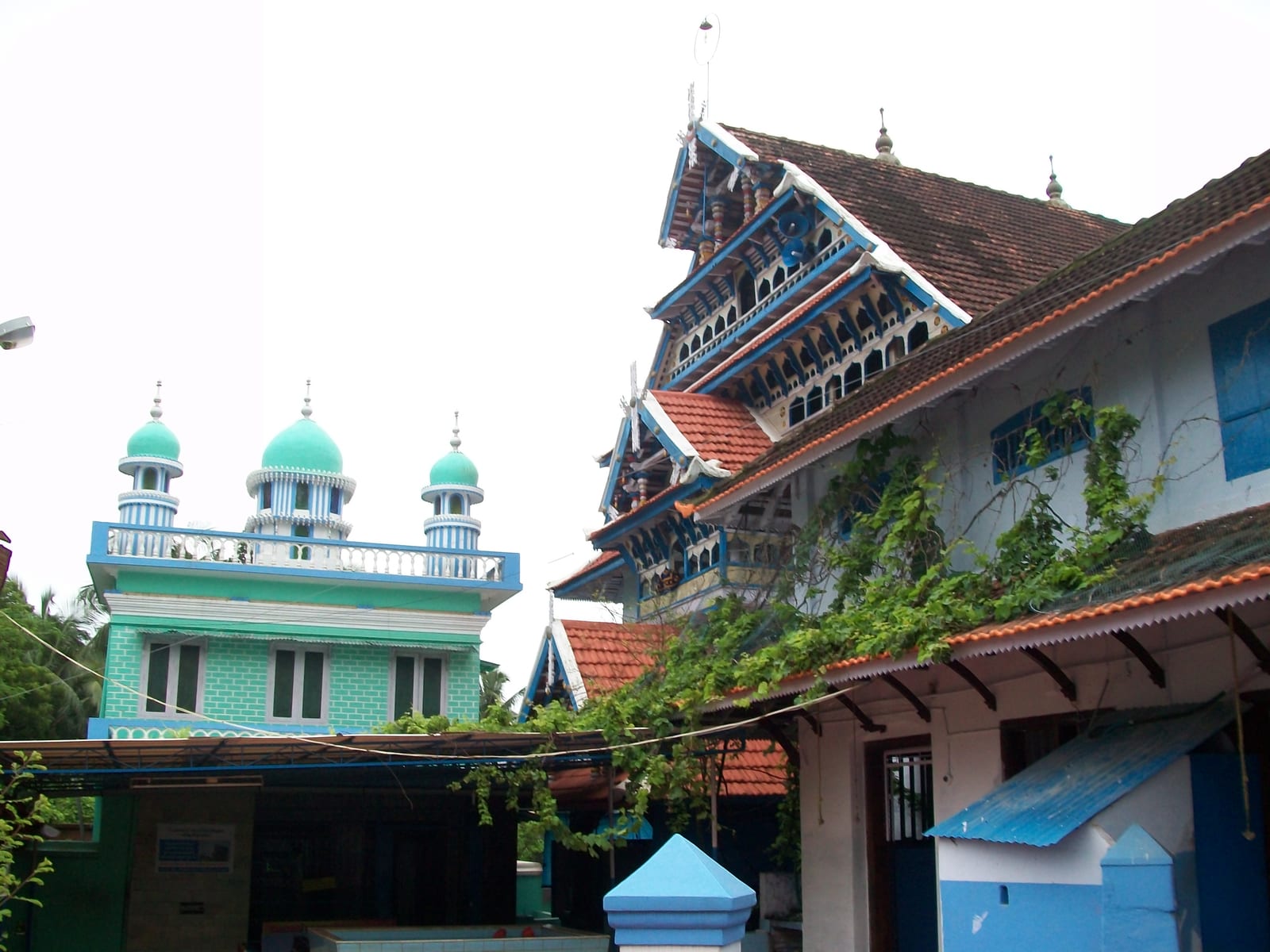
The town’s spiritual and intellectual fame rests on the Ponnani Juma Masjid, the ‘Valiya Palli’, generally dated to the early sixteenth century and associated with Sheikh Zainuddin Makhdoom. It was here that the ‘Palli dars’ system — a mosque-based higher-education tradition — took root, attracting students from across South and Southeast Asia to study jurisprudence, theology and Arabic. A famous oil lamp, said to be around five centuries old, has been kept burning in the mosque as a symbol of that unbroken tradition of learning. William Logan, the British Collector of Malabar, recorded in his 1887 Malabar Manual that the mosque functioned as a centre of Islamic learning with several hundred resident students. It is this deep heritage that earned Ponnani its enduring nickname, the ‘Mecca of Kerala’ (or ‘Mecca of Malabar’).
Ponnani was also the cradle of a distinctive literary culture. Arabi Malayalam — Malayalam written in an adapted Arabic script — flourished among the Mappila Muslim community here, and the town produced generations of scholars, poets and religious teachers. Alongside the mosque stands the Thrikkavu Temple, and a well-known local legend holds that a Hindu–Muslim pair, having survived a storm at sea, built both places of worship — a story that captures Ponnani’s long history of coexistence.
Geography shaped all of this. Ponnani sits at the mouth of the Bharathapuzha (the Nila), Kerala’s second-longest river, which completes its journey here by merging with the Arabian Sea; the town is hemmed by an estuary to the north, backwaters to the south and the sea to the west. Biyyam Kayal is part of that intricate coastal water system, and Padinjarekkara Beach, where the river meets the sea nearby, has long offered boating and estuary views.
In recent decades the local municipality and the District Tourism Promotion Council turned this natural asset into a managed tourism site — adding boating jetties, water-sports facilities, the park and the hanging bridge, and reviving the Onam boat race as a community event. Firm dates for the lake’s specific development are not well documented publicly, so treat the tourism-history details as broad context; the reliable through-line is that Biyyam Kayal is Ponnani’s modern, recreational face, resting on one of Kerala’s most storied stretches of coast.
Why visit
A calm, uncrowded backwater — the tranquil, local alternative to touristy Alappuzha.
Something for every pace: pedal boats and kayaks for the calm, speed boats and water scooters for the thrill.
A landscaped park with a children’s play area, so it works for families.
A photogenic hanging bridge and postcard-perfect sunsets over the estuary.
Migratory birds in the cooler months and a lively Onam vallam kali (boat race).
Easily paired with historic Ponnani town — the Juma Masjid, Padinjarekkara Beach and the Bharathapuzha estuary.