The story
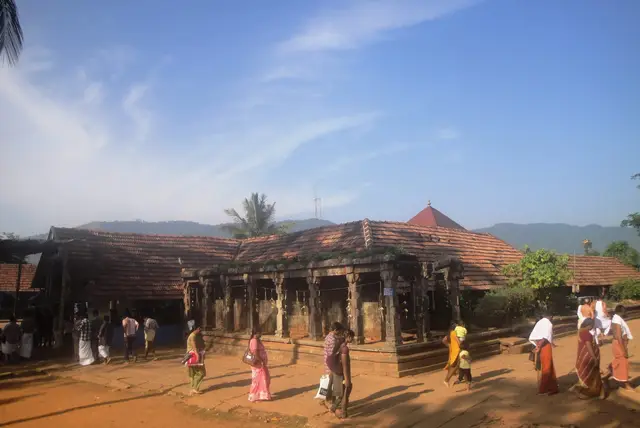
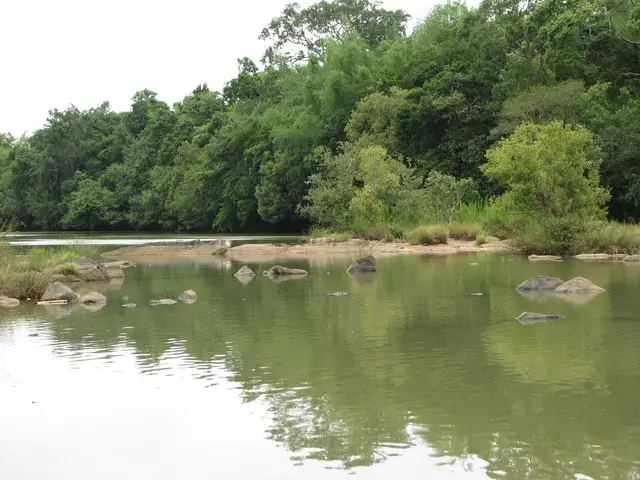
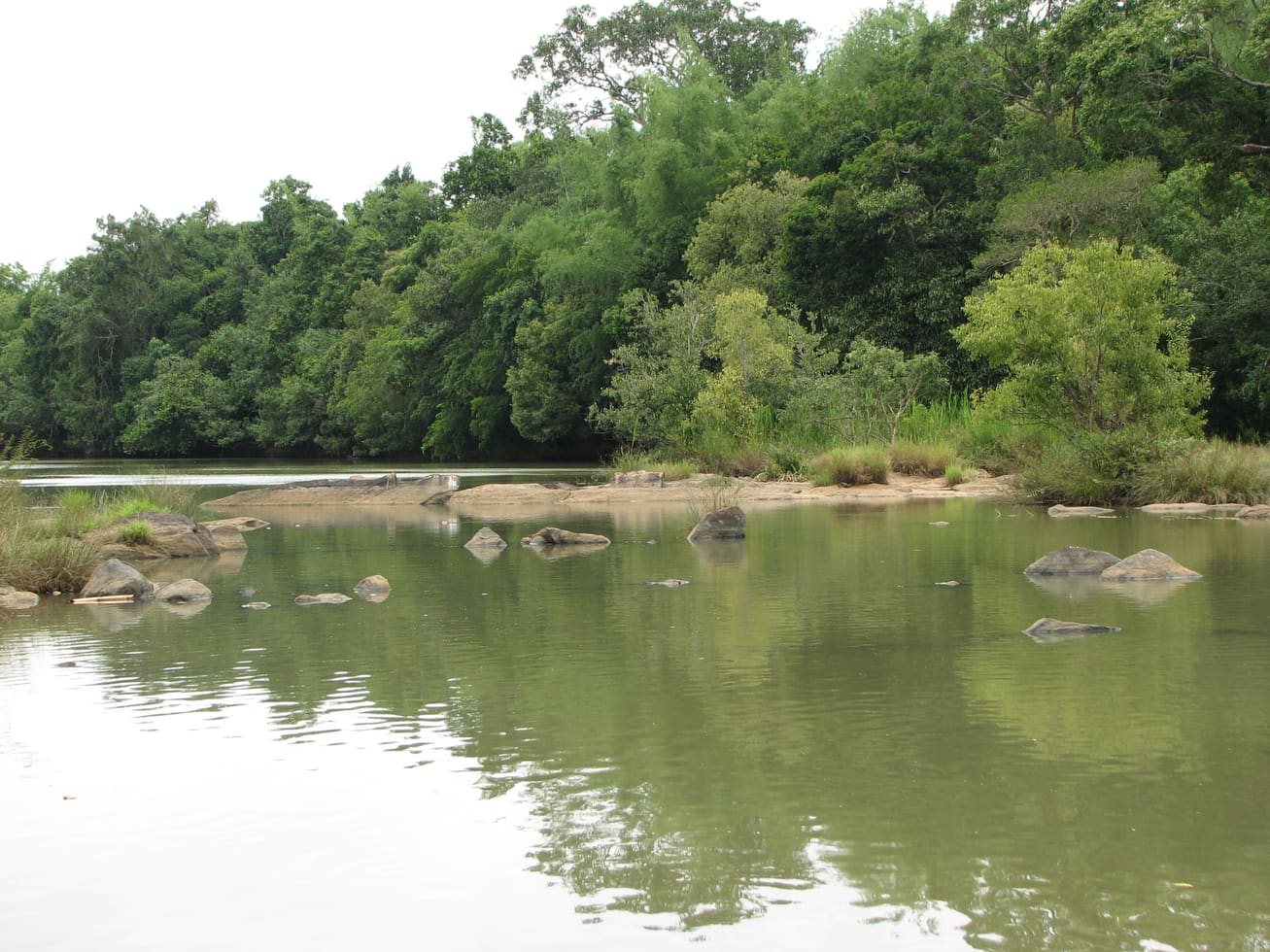
Set on the wooded banks of a river a few kilometres from Mananthavady, Valliyoorkavu Bhagavathy Temple is one of Wayanad’s most revered Devi shrines — a place bound tightly to the land, the water and, above all, to the district’s Adivasi (tribal) communities, whose devotion to the goddess reportedly runs back many generations.
The story of Valliyoorkavu Bhagavathy Temple
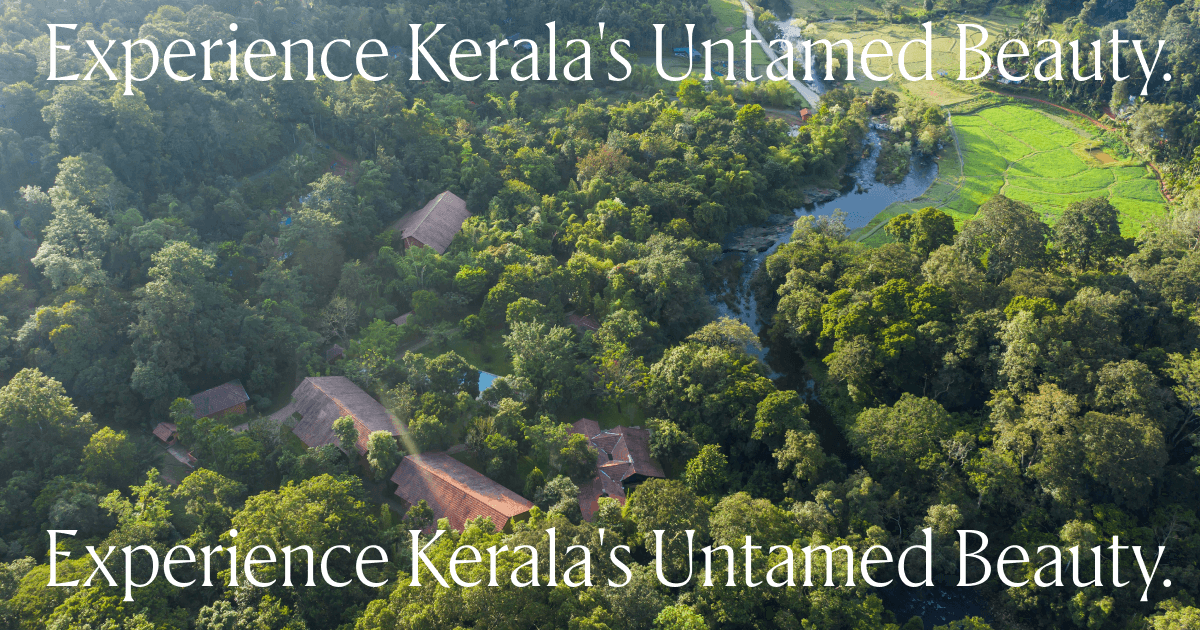
Valliyoorkavu (also written Valliyoorkkavu) lies roughly 3 km from Mananthavady town in Wayanad, on the banks of a river that most sources identify as the Kabini or its tributary the Panamaram — the high, forested plateau country of northern Kerala. The word “kavu” itself points to the shrine’s character: in Kerala a kavu is a sacred grove, a patch of protected forest where a deity is felt to dwell among the trees rather than only within walls, and Valliyoorkavu is understood to belong to this old grove-shrine tradition.
The presiding deity is the Bhagavathy — the Devi, a form of the supreme mother often identified with Durga and Bhadrakali. What makes worship here distinctive is that the goddess is said to be venerated in three forms across the shrine and its riverside settings: as Vana Durga, the forest goddess and guardian of the woods; as Jala Durga, the goddess of the waters who is felt to protect life along the river; and as Bhadrakali, the fierce slayer of the demon Darika. Sources vary on exactly how these forms are distributed, so the framing is best treated as a widely repeated devotional understanding rather than a fixed doctrine.
For the Adivasi peoples of Wayanad — communities such as the Paniya, Kurichiya (Kurichya) and Kuruma, among others — Valliyooramma, as the goddess is affectionately called, is reportedly far more than a distant deity. She is described in many accounts as the goddess of the tribes, a mother figure whose shrine anchored the ritual calendar, the oaths and the seasonal rhythms of tribal life. This profound bond is what gives the temple its particular reputation, and it colours everything from the annual festival to the folk arts performed here.
The temple is best known for its grand annual festival, the Valliyoorkavu Uthsavam, held over roughly a fortnight in the Malayalam month of Meenam (around March–April). It is counted among the largest festivals in Wayanad, drawing many thousands of devotees — tribal and non-tribal alike — to the riverside grove for ritual, procession, folk performance and the great gatherings that historically made this one of the region’s major social occasions of the year.
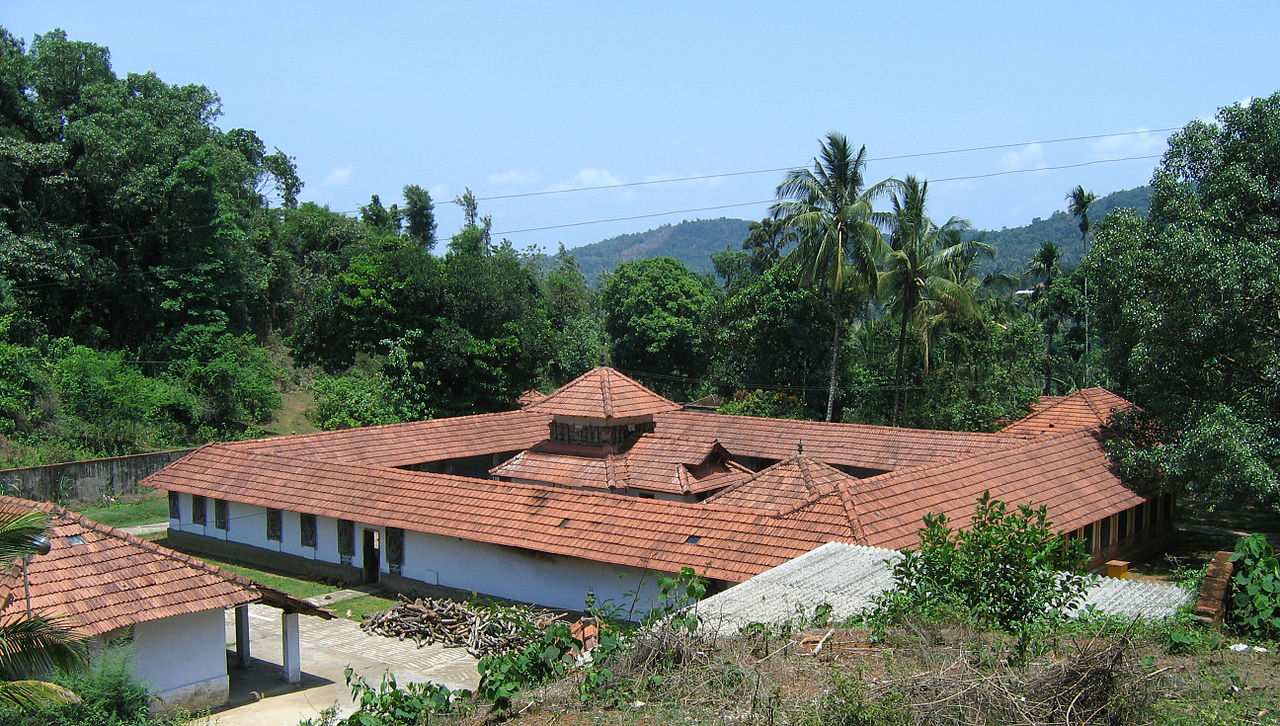
Architecturally and in atmosphere the shrine keeps the unshowy, grove-and-river character of an old Kerala kavu rather than the towering scale of a metropolitan temple. The idol is popularly believed to be self-manifested (swayambhu), a belief that tends to accompany shrines held to be very ancient; firm documentary dating is limited, though some popular accounts place a built temple here several centuries ago. Visitors should treat such age claims as tradition rather than settled history.
Today Valliyoorkavu draws pilgrims year-round for quiet darshan and rises to a great crescendo at festival time. It also carries a heavier historical memory: the same festival that gathered the tribes for worship was, in a harsher era, tied to a system of bonded labour — a piece of documented social history that is now openly discussed and is worth understanding respectfully as part of the place’s full story.
Legend & myth
As with many of Kerala’s Bhagavathy shrines, the goddess of Valliyoorkavu is linked in devotional legend to Bhadrakali, born of Shiva’s fury to destroy the demon Darika when he grew invincible through his boons and terrorised the worlds. In this telling the Devi is the mother’s wrath made manifest — fierce, protective and victorious — and the ritual known as Rudhirakkolam performed during the festival is understood to recall her bloody triumph over the demon. This is related here as sacred legend, not as history.
Local tradition also holds the idol to be swayambhu — self-manifested rather than installed by human hands — and imagines the goddess as having chosen this forest by the river as her dwelling, appearing to devotees among the trees and waters. Such origin stories are common to grove-shrines (kavus) across Kerala and are cherished as living faith; they are best received as the community’s own way of expressing how deeply the goddess is felt to belong to this particular stretch of forest and river, rather than as verifiable event.
History
Valliyoorkavu’s deepest historical significance lies in its bond with Wayanad’s Adivasi communities, who make up the largest tribal population of any Kerala district and include the Paniya, Kurichiya, Kuruma, Adiya and others. For these communities the shrine of Valliyooramma reportedly stood at the centre of the ritual year, and the annual Meenam festival was as much a great social convergence of the tribes as it was an act of worship — a gathering whose scale and importance made it a landmark event across the plateau.
That same gathering carries a difficult and well-documented social history that deserves to be told honestly. In an earlier era the Valliyoorkavu festival was closely tied to a system of bonded or contracted labour, recorded under names such as valpattam, vallipani or kundalpani. During the fortnight of the festival, landlords (janmis) would engage tribal labourers — primarily from the Paniya and Adiya communities — for the coming year, a selection process that survivors and researchers have described in painful terms as resembling the picking of workers from a market.
The contract was sealed with an advance payment — reportedly called nippupanam or vallurkavu panam — handed over in the presence of the goddess. Because the Adivasi communities revered Valliyooramma so profoundly, an oath or transaction made before her carried immense binding force; to break it was, in the social logic of the time, close to unthinkable. Wages were often paid in paddy, and a labourer who had accepted the advance was generally bound to serve that landlord, and no other, until the next festival came round. Accounts stress that the temple as an institution was not itself the agent of this exploitation; rather, deeply held religious sentiment was harnessed to enforce an unjust labour order.
This system was outlawed with the Bonded Labour System (Abolition) Act of 1975, which survivors later remembered as the moment they ceased to live in fear of the janmis and could begin to send their children to school. The abolition is an essential part of the story: what remains at Valliyoorkavu today is a place of faith and festival, while the labour system that once shadowed it belongs to a closed chapter of social history that Kerala has formally rejected. Visitors are best served by holding both truths together — the sincerity of the devotion and the injustice of the old order — without sensationalising either.
The festival itself, shorn of that old economic function, endures as a vibrant tribal and religious celebration. Over its roughly fourteen days it reportedly features tribal chieftains performing ceremonial rites, folk arts and native percussion, the daily floor art of kalamezhuthu, processions such as the Adiyaras and Oppana varavu bringing offerings and the goddess’s emblem to the shrine, and ritual performances tied to the legend of Darika’s defeat. Together these keep alive an unusually direct link between a major Kerala temple festival and the living folk traditions of the region’s indigenous peoples.
Why visit
To experience one of Wayanad’s most atmospheric Devi shrines — a riverside sacred grove where the goddess is worshipped as forest, water and fierce mother, in a setting that feels grown out of the landscape rather than imposed on it.
For the Valliyoorkavu Uthsavam, if you can time a visit to the roughly fortnight-long Meenam (around March–April) festival — among the biggest in Wayanad, alive with tribal folk arts, ritual floor painting, processions and huge, devout crowds.
For its rare and profound connection to Wayanad’s Adivasi communities, which makes it one of the most meaningful places in Kerala to appreciate how indigenous devotion and temple tradition have intertwined.
To engage thoughtfully with a layered history — the shrine’s deep faith alongside the honestly acknowledged, now-abolished bonded-labour past — for travellers who value understanding a place fully rather than only its picturesque surface.
For the quiet, uncrowded beauty of the grove and riverbank outside festival time, an easy and rewarding add-on to a Mananthavady itinerary that can include Thirunelli, Kuruva Island and the wider northern Wayanad circuit.
For the sense of standing at a living crossroads of forest, river, folk art and faith — a temple whose story is inseparable from the land and people of Wayanad.