Punnamada Kayal is the glittering finishing stretch of Vembanad Lake where, on the second Saturday of every August, forty-metre snake boats and a hundred thousand voices turn the water into Kerala’s loudest, most joyous spectacle — the Nehru Trophy Boat Race.
The story of Punnamada Lake
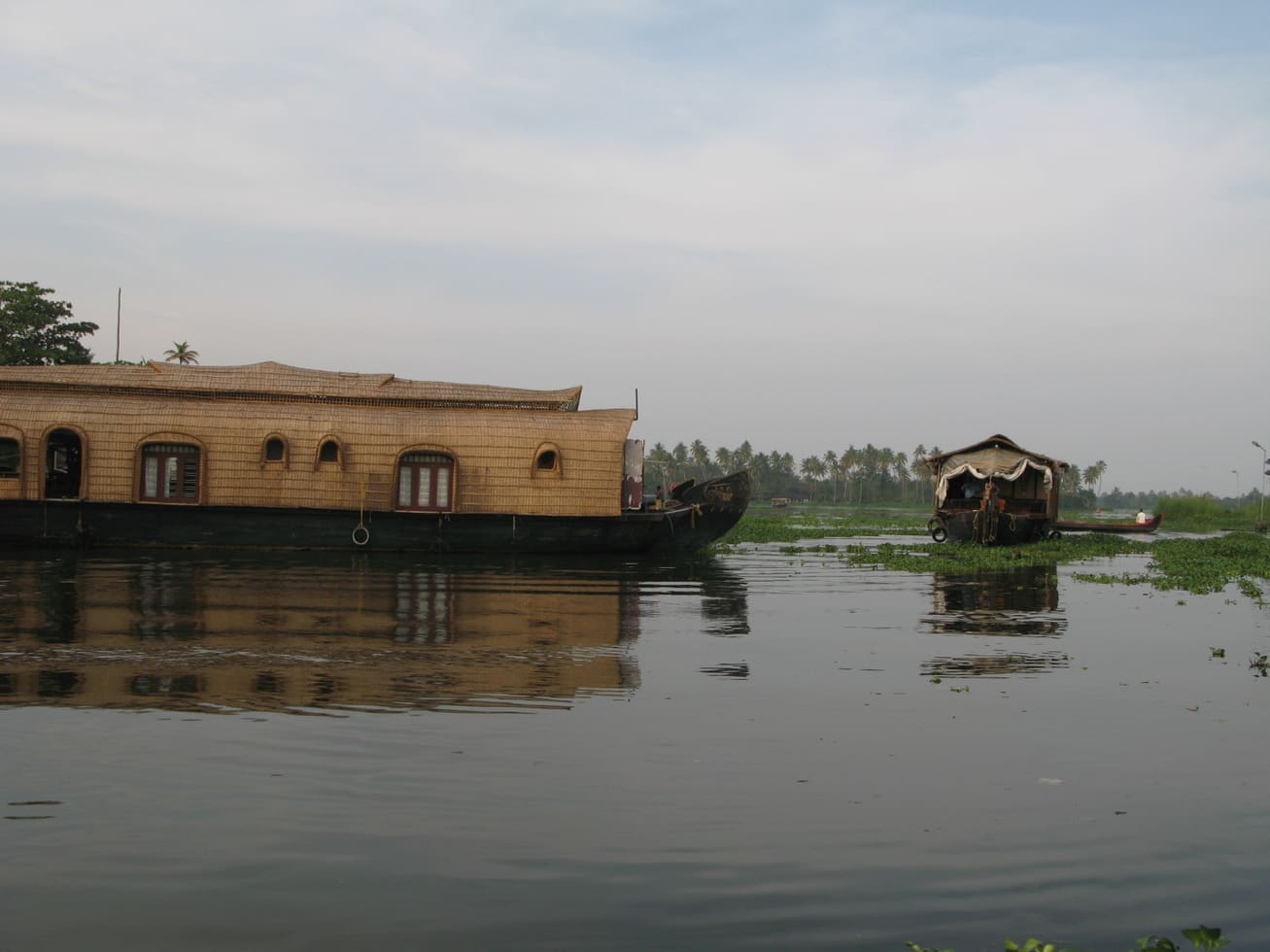
Punnamada Lake, or Punnamada Kayal, is the broad, shimmering north-eastern arm of Vembanad — Kerala’s largest lake — lapping the edge of Alappuzha, the town the British once nicknamed the Venice of the East. On an ordinary morning it is a sheet of pale silver fringed with coconut palms, drifting water hyacinth and the low green line of Kuttanad’s paddy fields, so still that the sky seems to lie down on it. It is the kind of water that erases the boundary between land and reflection, and for most of the year it belongs to fishermen, ferry commuters and the slow parade of tourist houseboats.
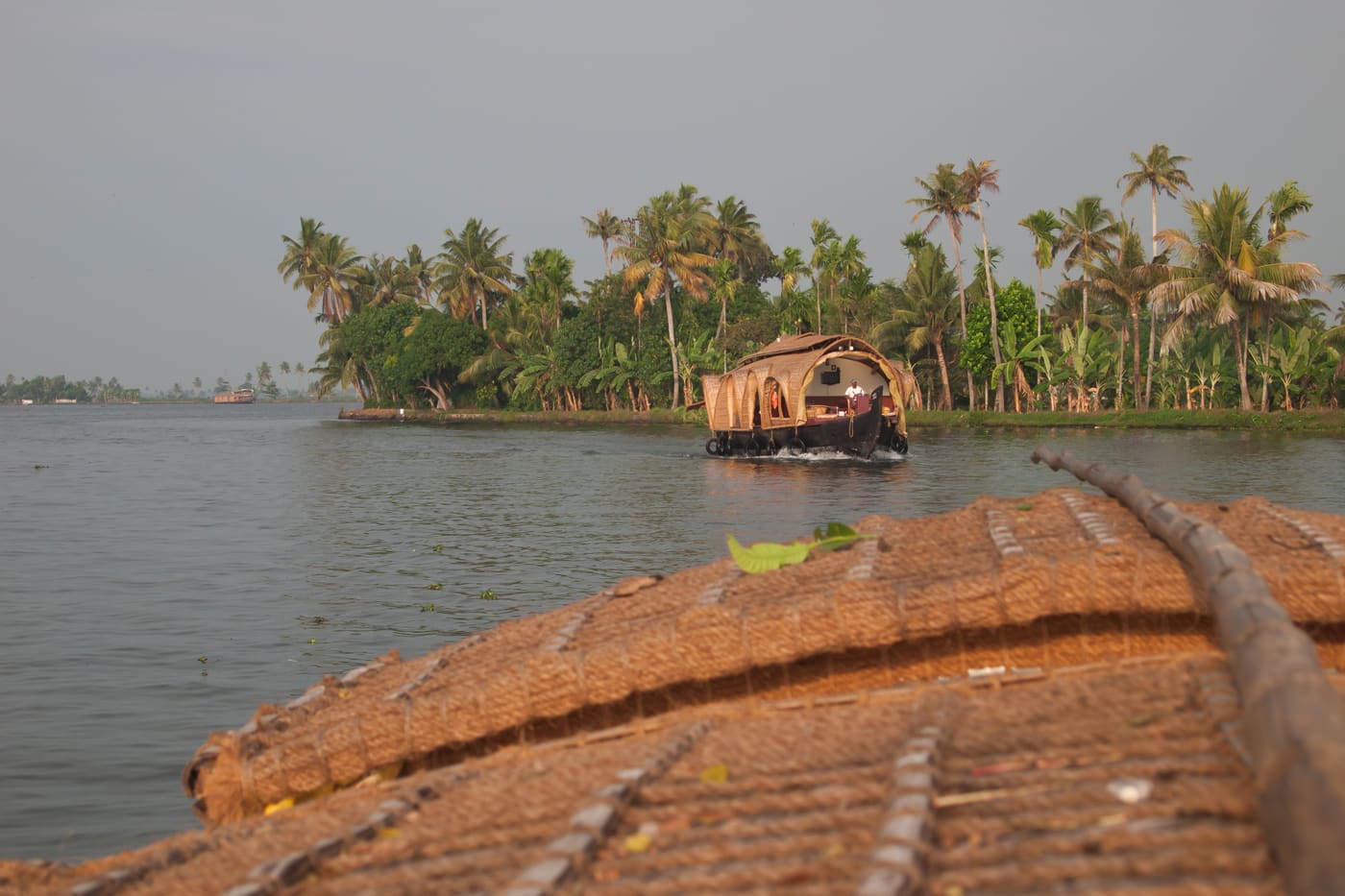
Those houseboats — the kettuvallam — are the soul of the Alappuzha backwaters. Once cargo barges that carried rice and spices down the waterways, they are built the old way, jackwood planks lashed together with miles of coir rope and not a single nail, their arched roofs woven from bamboo and palm-leaf thatch. Today they have been reborn as floating hotels, some with bedrooms, sun-decks and a cook who grills karimeen (pearl-spot fish) as you glide past. To board one at Punnamada jetty and cruise out at dusk, watching the light go gold and then rose over the kayal, is the postcard image of Kerala made real.
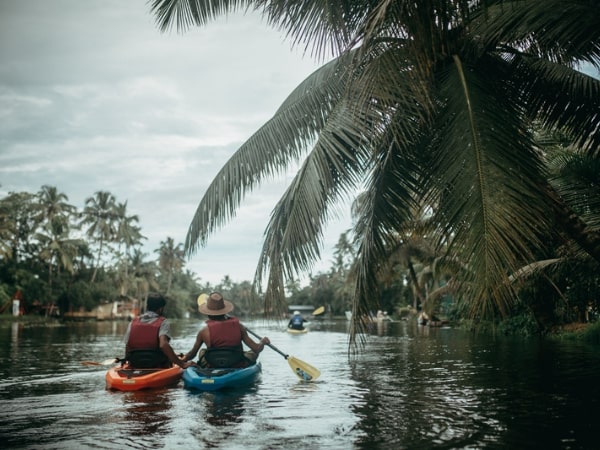
Around the lake spreads Kuttanad, one of the strangest and most beautiful farmscapes on earth. Here rice is grown up to two metres below sea level, on polders reclaimed from the water and ringed by earthen bunds and pumps that hold the lake at bay — a below-sea-level farming tradition so rare it has been recognised by the UN Food and Agriculture Organization as a Globally Important Agricultural Heritage System. From a canoe you drift with your eyeline beneath the level of the paddy, ducks paddling in flotillas, church spires and coir-making villages sliding past on either bank.
But Punnamada is famous above all for one day. On the second Saturday of August, the lake is transformed into a stadium of water. A marked course of roughly 1,380 metres is laid down the kayal, temporary galleries rise along the banks, and the crowd swells into the hundreds of thousands. Then come the chundan vallam — the snake boats — sleek war canoes over a hundred feet long, their sterns curling up like a cobra’s hood, each carrying a hundred or more oarsmen who row in ferocious unison to the beat of the vanchipattu, the boat song.
The atmosphere is electric and utterly local: whole villages back a single boat, drums and cymbals thunder from the banks, and the water boils white as the crews sprint the final stretch to a roar that seems to lift off the lake. This is Vallam Kali — literally the play of boats — an ancient Kerala tradition of snake-boat racing woven into the Onam harvest season, and Punnamada hosts its most celebrated edition, the Nehru Trophy Boat Race.
Come on any other day and Punnamada is serenity itself — shikara rides, village-canal tours, sunset cruises and the endless drift of the backwaters. Come on race day and it is pure adrenaline. Either way, the lake distils everything Kerala offers into one horizon of water: the coir and paddy heritage, the houseboat romance, the fishing-village rhythms and the roar of a spectacle that draws the whole state to its banks.
History
The great festival on the kayal has a precise and rather charming origin. In December 1952, India’s first Prime Minister, Jawaharlal Nehru, visited Kerala and was escorted through the backwaters towards Alappuzha by a flotilla of snake boats. Delighted by the spectacle, Nehru is said to have leapt aboard the winning chundan, the Nadubhagam, and ridden it to the jetty. Back in Delhi, he had a silver trophy made — a replica snake boat mounted on a wooden pedestal and inscribed with his own signature — and gifted it to be raced for every year.
That trophy gave the event its name. The race was formalised in the years that followed — early editions were held in the Kainakari and Meenappilli backwaters around 1954 — before a roughly 1,380-metre course on Punnamada Lake was fixed as its permanent home. Ever since, the Nehru Trophy Boat Race has been held on Punnamada Kayal, traditionally on the second Saturday of August (indicative — confirm locally), and has grown into one of the most famous sporting and cultural events in South India.
The race itself, though, is far older than the trophy. Snake-boat racing, or Vallam Kali, belongs to a centuries-old tradition rooted in the era of the region’s princely states, when riverside kingdoms built chundan vallam as fast war canoes to move troops through the waterways. Villages competed to build the longest, swiftest boats, and the races evolved into a community ritual of the Onam harvest season, complete with the rhythmic vanchipattu boat songs sung by the oarsmen.
Punnamada is only one jewel in a whole circuit of Kerala boat races. The Champakulam Moolam Vallam Kali, held on the Pamba river, is widely regarded as the oldest snake-boat race of all, linked by tradition to the installation of the deity at the Ambalappuzha Sree Krishna Temple; other celebrated events include the Aranmula Uthrattadhi race and the Payippad Jalotsavam. Together they form a living tradition of which the Nehru Trophy is the grandest and most publicised showcase.
The lake sits within a landscape of national and international importance. Punnamada is part of the Vembanad wetland system, which is protected as a Ramsar Site of international importance, while the surrounding Kuttanad below-sea-level farmland is recognised by the FAO as a Globally Important Agricultural Heritage System. From the 1990s onward, the conversion of traditional cargo kettuvallam into tourist houseboats turned Alappuzha and its backwaters into one of India’s signature destinations, and Punnamada — as both race venue and cruising hub — became a centrepiece of Kerala tourism.
Why visit
Witness the Nehru Trophy Boat Race — a hundred-oar snake boat sprint and one of Kerala’s most thrilling spectacles — if you time your visit to the second Saturday of August.
Cruise the backwaters aboard a traditional kettuvallam houseboat, gliding across the kayal and into the palm-lined village canals.
See Kuttanad’s below-sea-level paddy fields, a UN-recognised agricultural heritage landscape found almost nowhere else on earth.
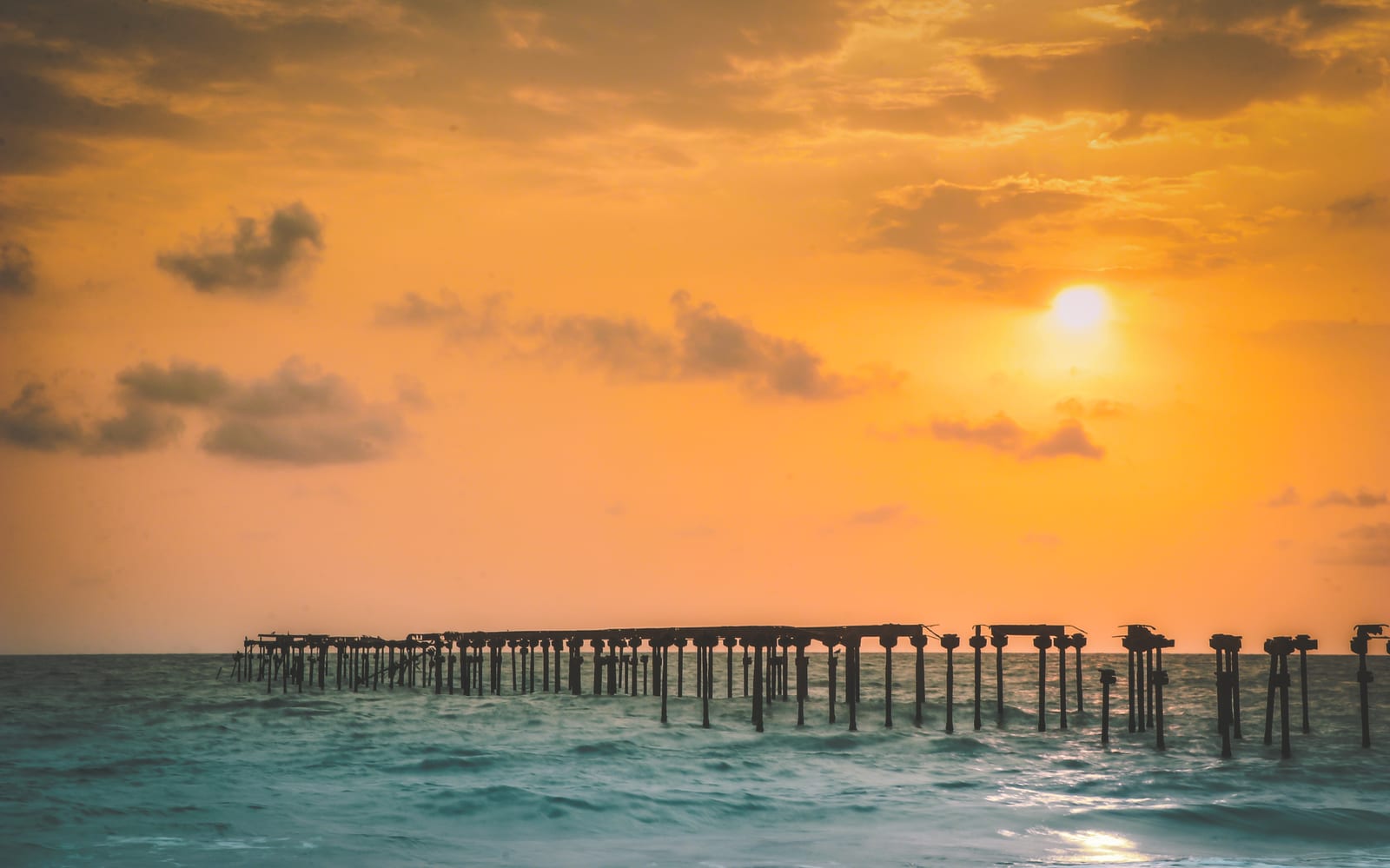
Catch a magical Punnamada sunset, when the wide lake turns molten gold and rose behind the silhouettes of houseboats.
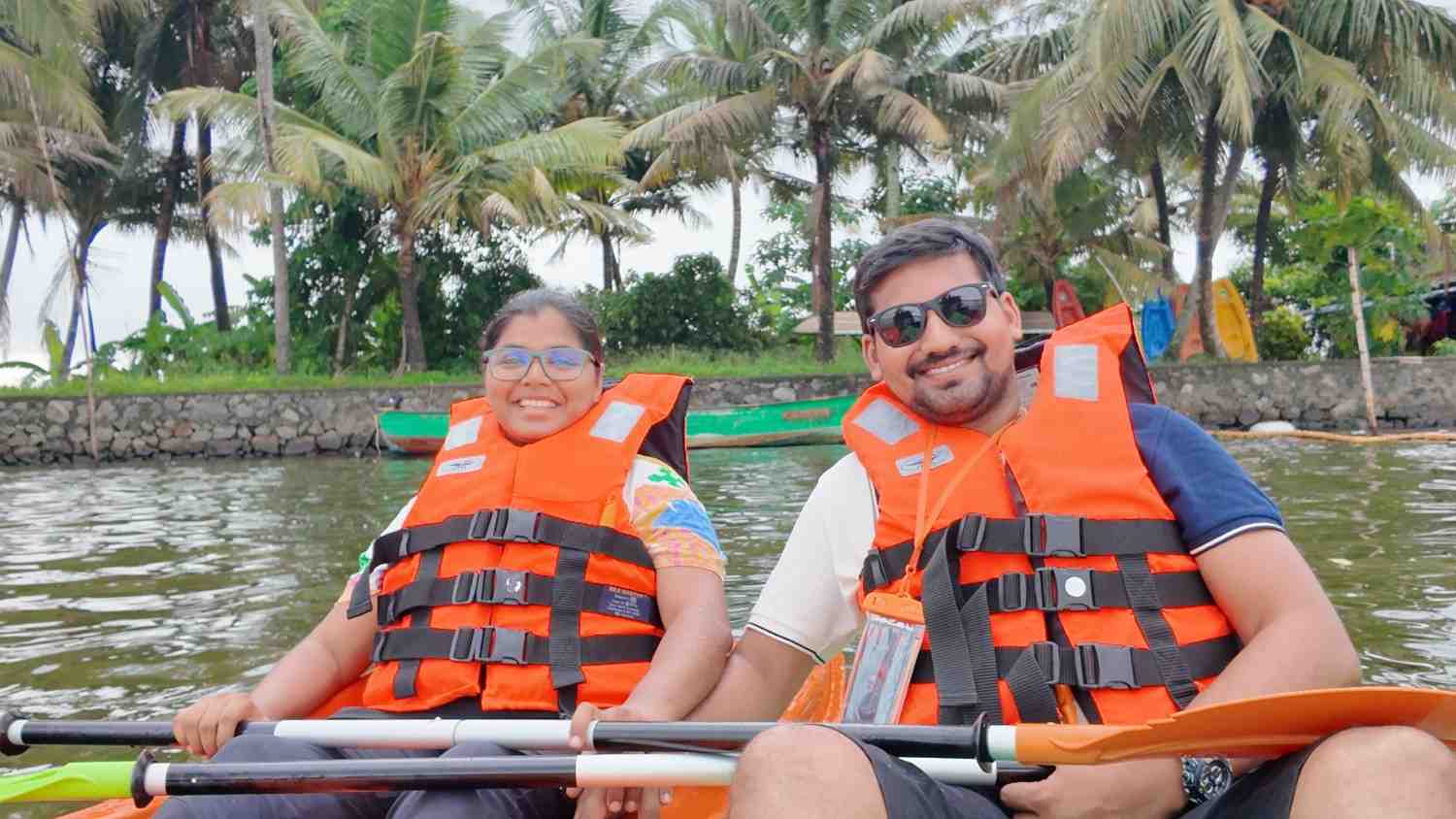
Take a quiet shikara or canoe tour through fishing hamlets, coir-making villages and duck farms for a slower, more intimate backwater experience.
Use Punnamada as the gateway to the wider Alappuzha–Vembanad–Kumarakom backwater circuit, one of India’s most celebrated slow-travel destinations.