Roughly 18 km inland from Thodupuzha, where the plains of Idukki crumple upward into the first green ridges of the Western Ghats, the Kaliyar stream throws itself down the hillside in a staircase of white water. Thommankuthu is best known for its famous seven-step cascade — seven tiers, each with its own plunge pool — but the falls actually string on much further, a series of some twelve drops scattered over about five kilometres of forest (indicative — confirm locally). It is one of Kerala’s marquee eco-tourism sites: a place for trekkers, for photographs, and for a hard, honest respect for moving water.
The story of Thommankuthu Waterfalls
The approach tells you what kind of place this is. You leave the tar road, cross into the reserve, and the light changes — canopy closing overhead, the roar arriving before the water does. The first sight is the showpiece: a broad, tiered cascade tumbling down dark rock in seven distinct steps, each ledge catching the stream and passing it to the next, each pausing in a green-black pool before the next drop. On a full monsoon day the whole staircase runs white and the ground trembles a little underfoot.
But the seven famous steps are only the beginning. Follow the guided trail upward and the falls keep coming — a chain of cascades, chutes and pools said to number around a dozen, spread over roughly five kilometres of hill forest (indicative — confirm locally). Some drops are gentle sheets over slabs; others are sudden, steep plunges into deep, cold basins the colour of strong tea. The higher you climb, the quieter and wilder it gets, the crowds thinning until it is mostly you, the water, and the trees.
This is the Kaliyar country — the stream that feeds the falls, running out of evergreen and semi-evergreen forest on the southern flank of the Western Ghats. The trek that laces it all together, run under the local eco-tourism setup, is often quoted at around twelve kilometres of forest path (indicative — confirm locally), threading past rock overhangs and small caves, oddly shaped trees, low branches, and glimpses of the tribal hamlets that have always known this hill. It is a proper day out, not a five-minute stop.
For all its beauty, Thommankuthu wears its danger openly. The pools that look so inviting are deep, the rocks around them slick with algae and spray, and the current at the lip of a drop gives no second chances. Local accounts speak of a grim tally of lives lost here over the years — boards at the viewpoints are said to record the deaths that have happened at each — and during the peak monsoon months bathing and river-crossing are simply banned (confirm locally). This is not fear-mongering; it is the price of admission to a live, unfenced mountain stream.
And yet, treated with respect, it rewards you. Sit on a warm slab in the January sun with the roar filling your ears and mist drifting off the steps; watch the forest come alive with birdcall at dawn; feel your legs burn on the climb and your breath catch at the top. Thommankuthu is the Ghats in miniature — water, rock and jungle stacked one on another — and it asks only that you read its signs, stay where you are told, and let the water impress you from a safe distance.
In the end the falls belong less to the guidebooks than to the sound they make: that continuous, layered roar of seven, then twelve, drops all falling at once, a noise you carry back down the trail long after the last pool is out of sight.
History
Thommankuthu sits in the forest belt of Thodupuzha taluk, in the transitional hill country where Idukki climbs from lowland rubber and spice gardens into the true Western Ghats. For generations this was tribal and forest land, worked and walked by hill communities long before it appeared on any tourist map, and the stream and its steps were part of daily life rather than a destination.
The name itself carries a story, and it is told locally as a legend rather than documented fact. By that account the falls are named for a man called Thomman — remembered variously as a tribal leader or local hunter — who is said to have drowned, or been swept away, while trying to cross the stream at the falls; thereafter the place was known as Thommankuthu, ‘Thomman’s falls’, from kuthu, the local word for a waterfall or plunge (framed as legend — verify locally). Whether or not the man was real, the name has stuck, and it doubles as the site’s oldest safety warning.
In the modern era the falls were developed as one of Kerala’s eco-tourism showpieces, managed through the Forest Department and the District Tourism Promotion Council (DTPC) framework for Idukki, which oversee ticketing, guided trekking and the marked viewpoints (confirm current arrangements locally). The pitch has always been low-impact adventure — trek, look, photograph — rather than heavy construction, keeping the surrounding forest largely intact.
That development came with hard lessons. Because the falls are a genuine wild watercourse and not a landscaped pool, the authorities have layered on rules over the years — restricted access at dangerous points, forest-guard monitoring, viewpoint boards, and seasonal bans on bathing and river-crossing during the heaviest monsoon flow — in response to repeated fatalities (confirm locally).
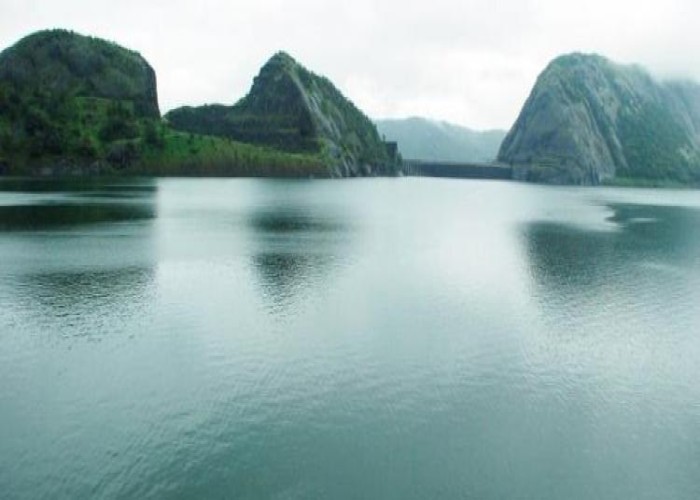
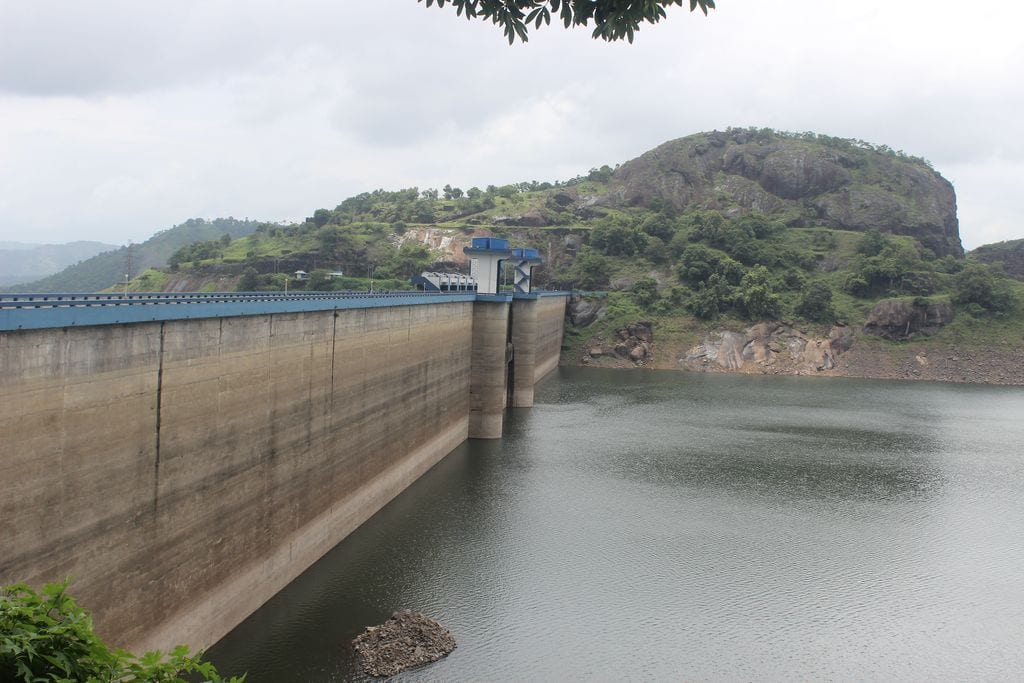
Today Thommankuthu holds a settled place on the Idukki circuit, often paired with Thodupuzha, Malankara Dam and the wider Idukki high-range, and marketed as a monsoon-and-early-winter cascade for trekkers. The balance it strikes — open access to a beautiful, dangerous piece of the Ghats — is the same tension its name has carried all along.
Why visit
The seven-step cascade is the headline, and it delivers: a full tiered staircase of falling water, each step with its own pool, best seen thundering in and just after the monsoon — one of the most photogenic waterfalls in the Idukki lowlands.
It is far more than a single viewpoint. A chain of around a dozen falls strung over roughly five kilometres of forest means the reward keeps unfolding as you climb, from the crowded lower steps to quiet, wild upper pools (indicative — confirm locally).
It is a real trek, not a car-park photo stop. The guided forest trail — often quoted near twelve kilometres — takes you past caves, overhangs and tribal-hamlet country, making this a proper half-day adventure for anyone with reasonable fitness (confirm the current route and distance locally).
The setting is classic Western Ghats: evergreen forest, birdsong, cool spray and the constant roar of the Kaliyar stream, all within an easy drive of Thodupuzha and well placed on a wider Idukki itinerary.
As a managed eco-tourism site with ticketing, guides and marked viewpoints, it offers a way to experience a genuinely wild cascade with at least some structure and guidance — a good introduction to the high-range for first-timers.
And for the adventurous it is a spot to feel the raw scale of monsoon Kerala safely — provided you treat the water with the caution it demands and stay strictly within permitted zones.