Painavu is the quiet, forested hill town that Kerala chose as the capital of its most mountainous district — a green government outpost perched high in the High Range, minutes from the great Idukki Arch Dam.
The story of Painavu
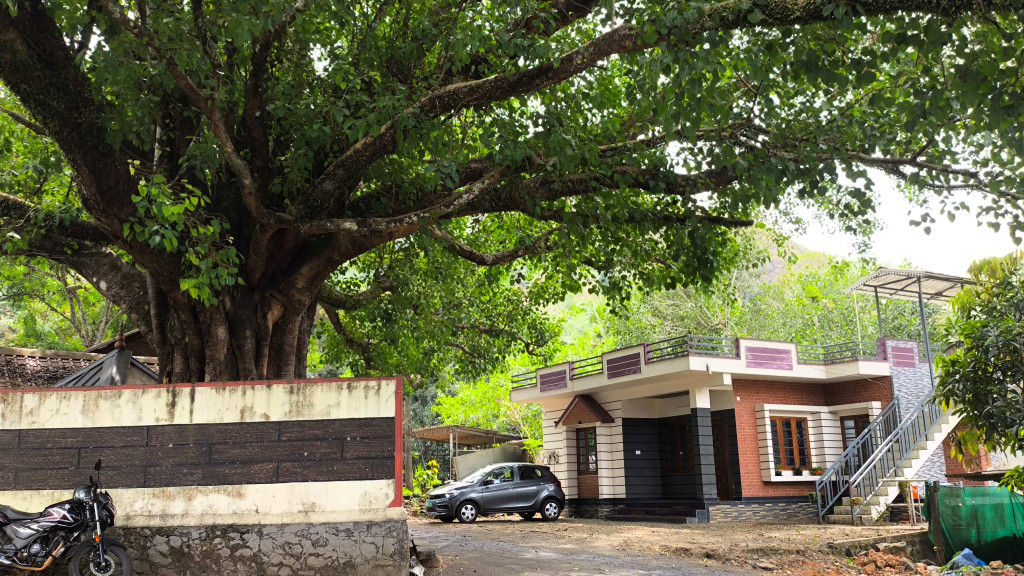
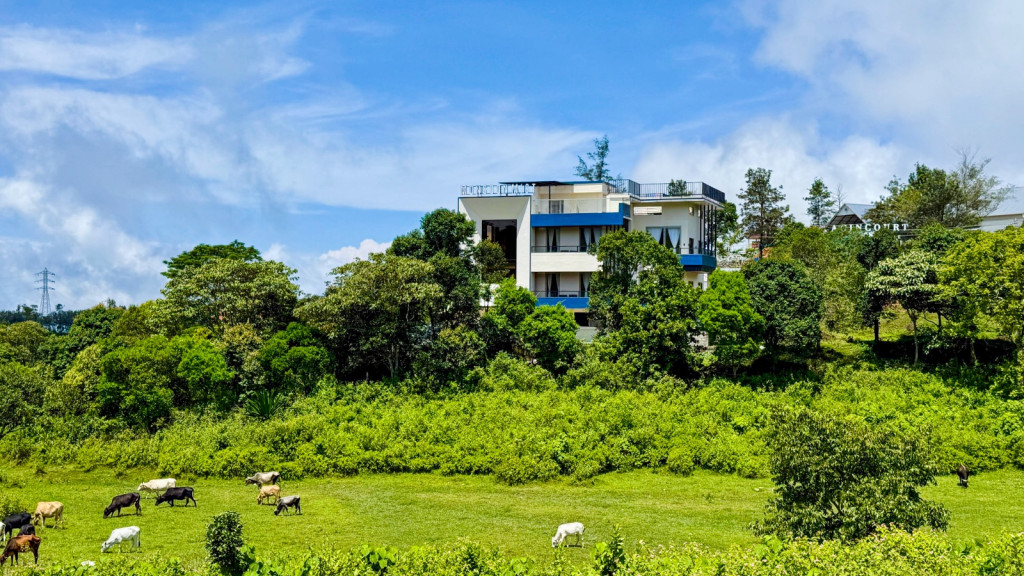
Painavu will surprise anyone expecting a bustling headquarters. It is a small, unhurried town wrapped in wooded ridges roughly 1,200 metres above sea level, where mist drifts through the tree line on cool mornings and the loudest sound is often birdsong. This is the administrative seat of Idukki — the district that spills across the Cardamom and Anamalai foothills — yet it wears its status lightly, with a scatter of offices, a college, a school or two and homes tucked into the slopes rather than a dense urban core.
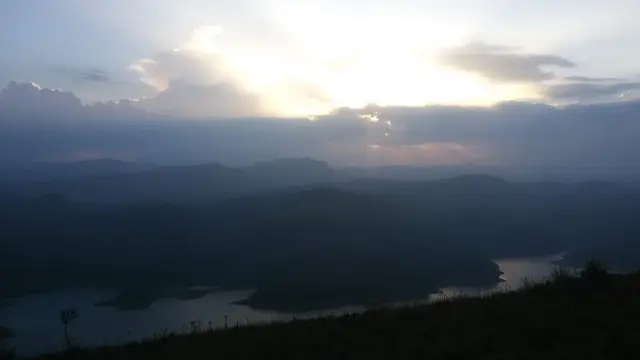
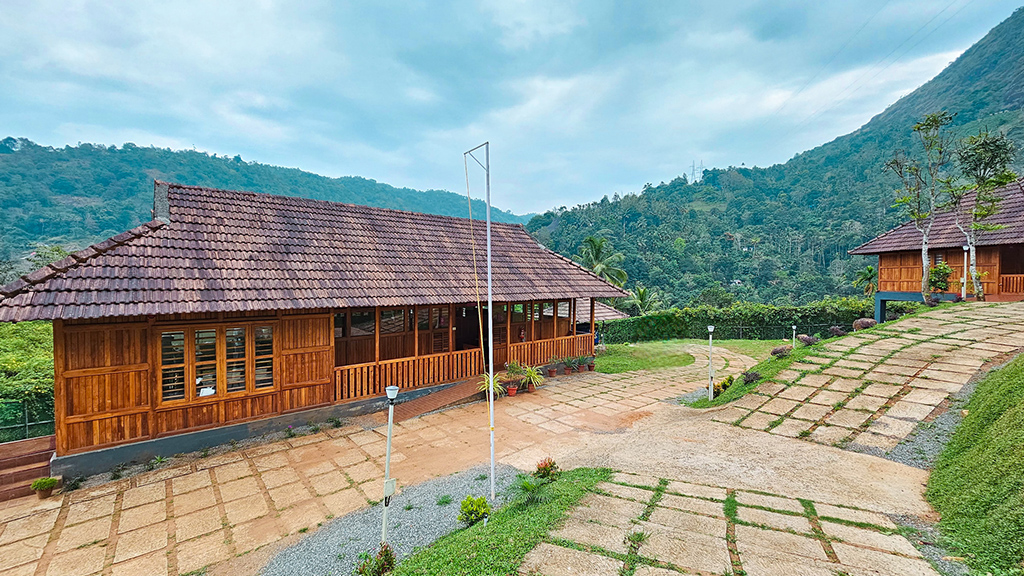
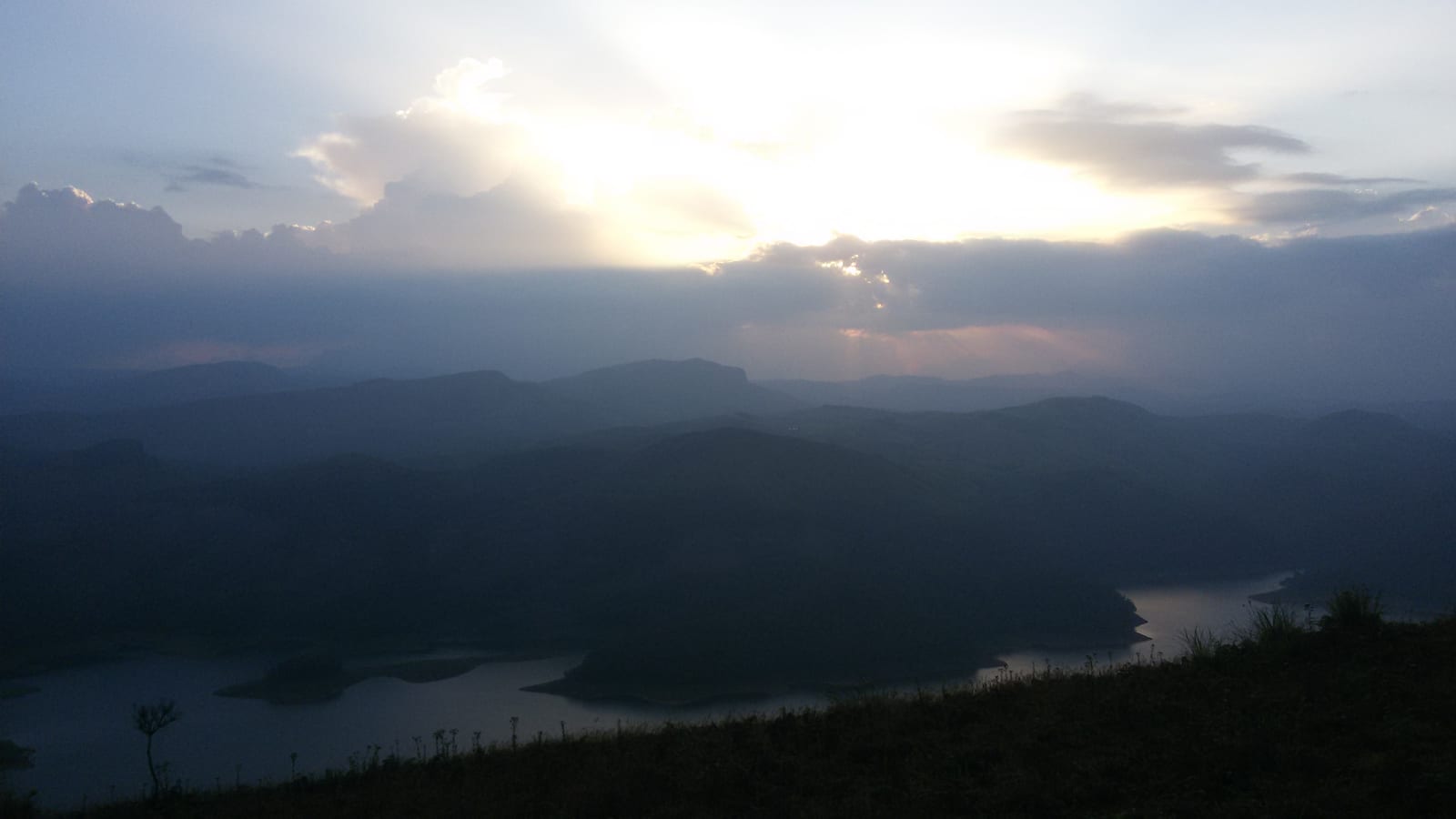
The town sits inside the notified boundary of the Idukki Wildlife Sanctuary, and that setting defines the whole experience of being here. Instead of traffic and shopfronts you get plantation-fringed hills, patches of evergreen forest and long green horizons folding away toward the distant peaks of the High Range. The air is genuinely cool for much of the year — a relief after the humid lowlands — and the light on the ridges at dawn and dusk is the town’s real attraction.
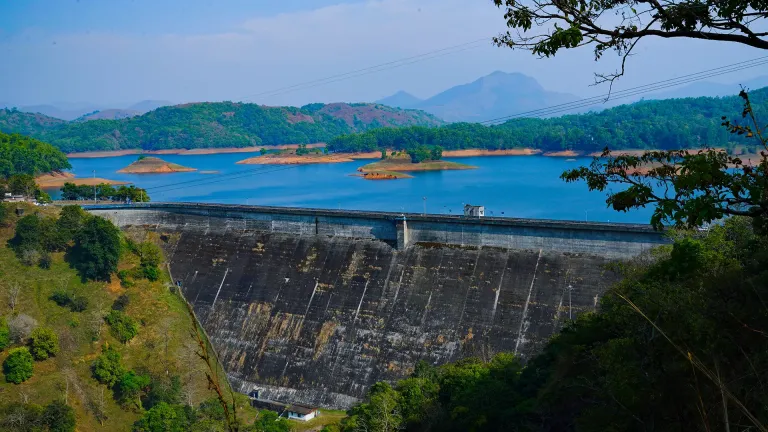
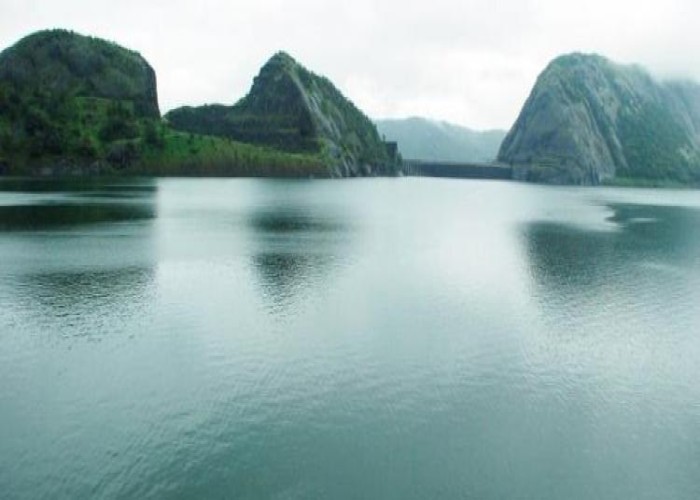
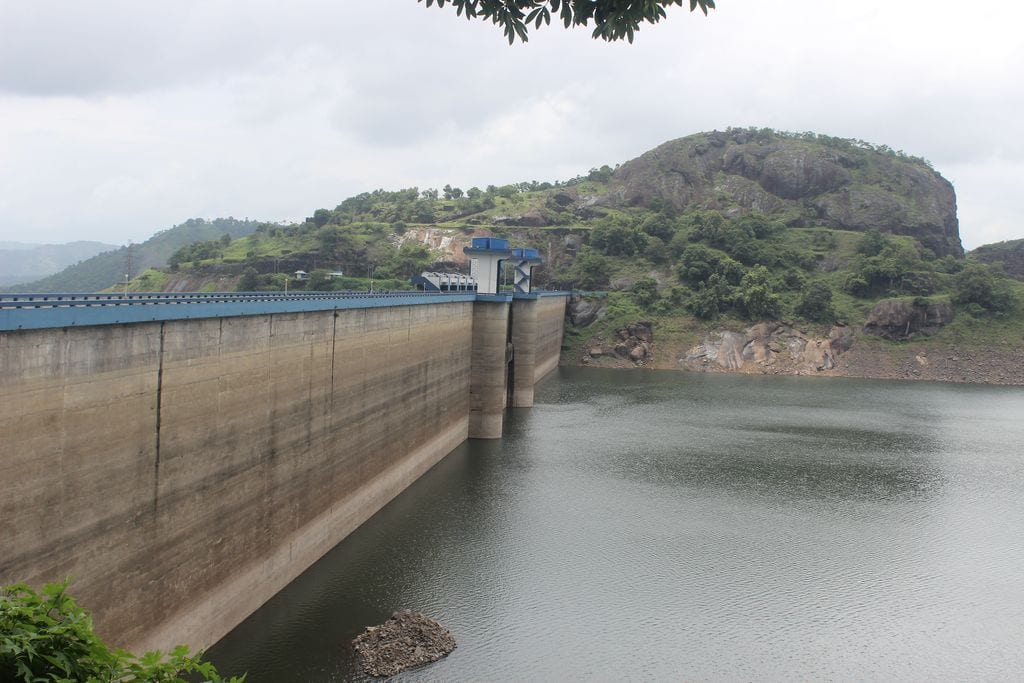
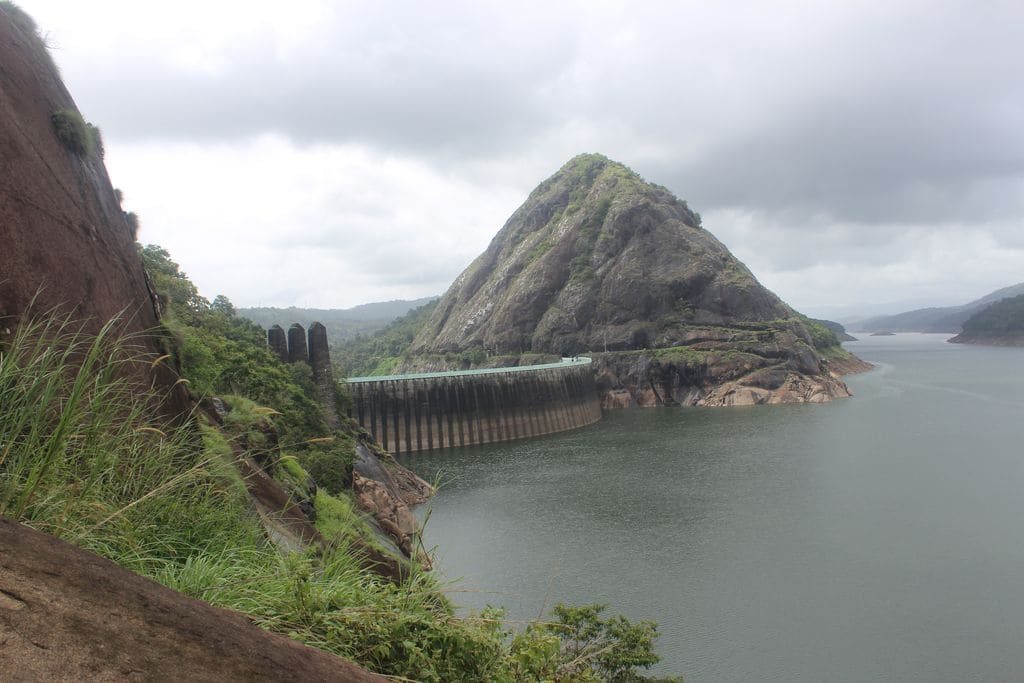
What draws most travellers to Painavu is not the town itself but what lies a short drive away. The colossal Idukki Arch Dam and the Cheruthoni Dam — the twin faces of the Idukki Hydroelectric Project — sit only a few kilometres off, holding back a vast reservoir that fills the valleys with sheets of still water. From high vantage points around Painavu and neighbouring Cheruthoni, the reservoir appears as a long silver ribbon threaded between forested spurs, one of the most photographed panoramas in Kerala’s hill country.
Because of this, Painavu functions best as a base rather than a destination in its own right. Set up here or in adjoining Cheruthoni and you are within easy reach of the arch dam, the reservoir viewpoints, the hilltop cross of Kalvari Mount, the boating stretches between the dams, and the walking trails through forest and plantation. It is the natural staging post for exploring the surrounding wildlife sanctuary and the wider High Range, with the practical comfort of a district town’s services close at hand.
The rhythm of the place is slow and green. Government workers commute to the Civil Station, students head to the engineering college, and the surrounding countryside carries on its long tradition of High Range cultivation — cardamom, pepper, rubber and other hill crops that have shaped this landscape for generations of settler-farmers. For a visitor, Painavu is somewhere to breathe cool mountain air, watch the reservoir change colour through the day, and slip out to the big sights whenever the mood strikes.
None of this makes Painavu a headline attraction, and it would be dishonest to pretend otherwise — there is no grand temple, fort or bazaar here. Its appeal is quieter and cumulative: the setting, the calm, the reservoir and hill views, and its unbeatable position as a launch pad into one of Kerala’s most dramatic engineered and natural landscapes.
History
Idukki district was carved out and formally created on 26 January 1972, bringing together the High Range and midland tracts of what had been parts of Kottayam and Ernakulam. It was, and remains, one of Kerala’s most mountainous and forested districts, dominated by the Western Ghats and their cardamom-scented ridges.
When the district was first formed, its administration functioned from Kottayam, well outside the hills it governed. In June 1976 the headquarters was shifted up into the High Range to Painavu, in the Thodupuzha taluk, placing the seat of government much closer to the heart of the district it served. Over the following years the Civil Station and a cluster of government institutions took shape on the wooded slopes, giving the small town its distinctive administrative character.
Painavu’s modern significance is inseparable from the Idukki Hydroelectric Project, the giant engineering scheme that reshaped this region in the same era. The centrepiece is the Idukki Arch Dam, built across the Periyar river between two hills — a double-curvature arch dam widely described as Asia’s first of its kind. Work on the great arch began around 1969, the reservoir started filling in the early 1970s, and the project was commissioned in 1976, the same period Painavu became the district capital.
Alongside the arch dam, the Cheruthoni Dam and the Kulamavu Dam were raised to close off the valleys and create a single vast reservoir feeding the underground power station. Together these works submerged old valley land, drew in workers and engineers, and transformed a remote forest tract into a place of national importance for power generation — the backdrop against which the quiet capital town of Painavu grew.
The wider human story here is one of settler-farming in the High Range: waves of migrant cultivators who, through the twentieth century, opened up the hills for cardamom, pepper, rubber and other plantation crops. Much of the surrounding land was later brought within the Idukki Wildlife Sanctuary, notified to protect the forests and their elephants and other wildlife, so that today Painavu sits at the meeting point of administration, agriculture, hydro-power and conservation.
Why visit
It is the calm, cool-climate base for visiting the famous Idukki Arch Dam and Cheruthoni Dam.
Panoramic reservoir and High Range hill views right on its doorstep.
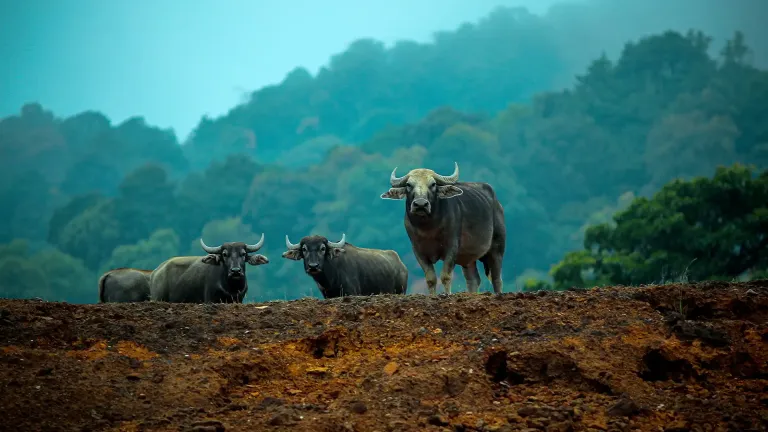
Set inside the Idukki Wildlife Sanctuary — forest, birdlife and plantation country all around.
Springboard for Kalvari Mount, reservoir boating and forest trekking.
A genuinely quiet, green government town — an antidote to crowded hill resorts.
Well-connected road access and district-town services make it a practical hub for the region.