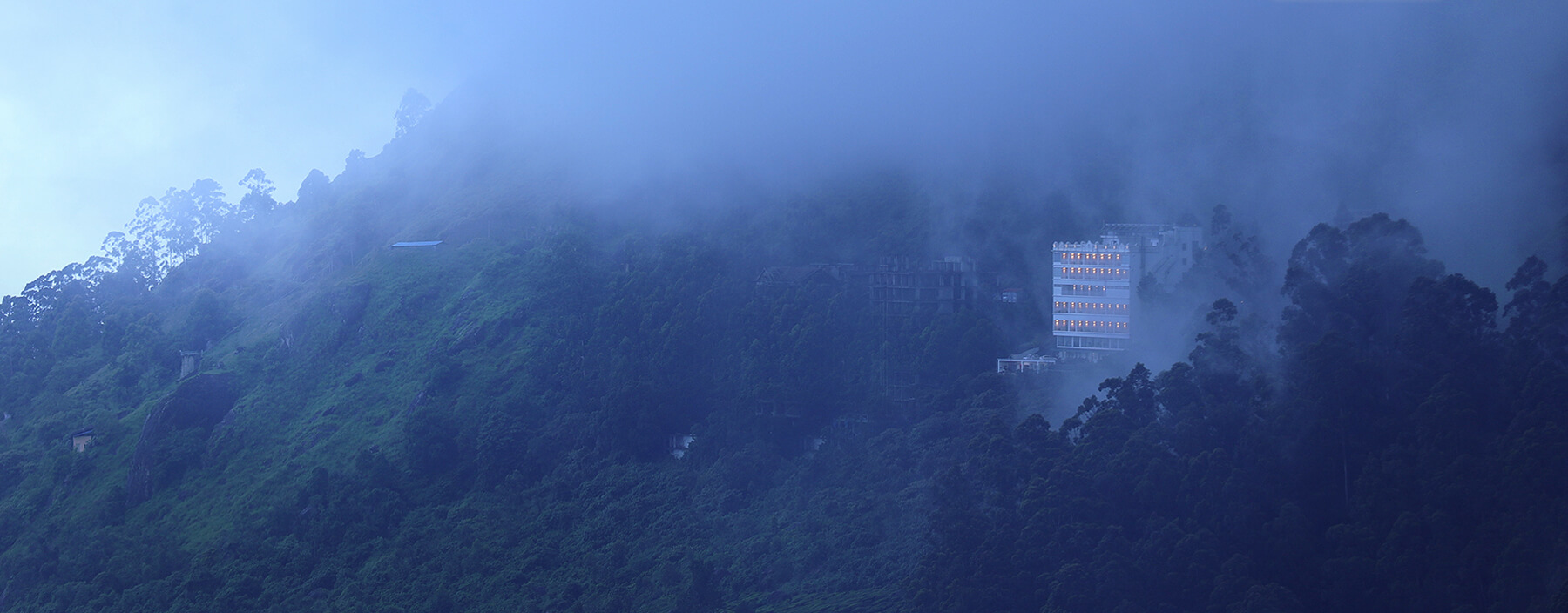
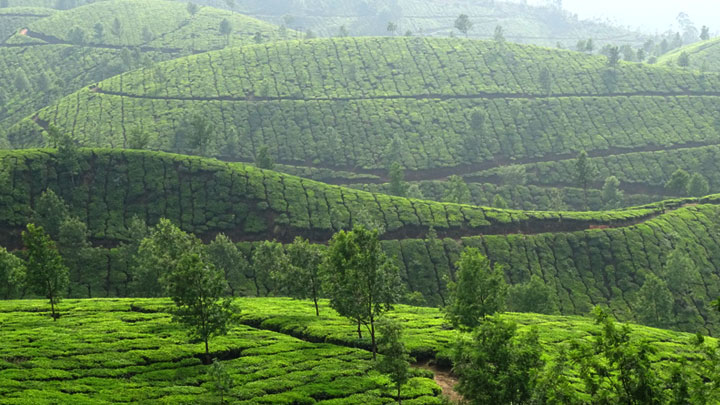
At roughly 7,900 feet — over 2,100 metres — Kolukkumalai is the highest tea estate in the world, and the price of admission is a bone-rattling pre-dawn jeep climb to a lonely ridge on the Kerala–Tamil Nadu edge. You stand shivering in the dark until the sun cracks the horizon and sets fire to a rolling ‘sea of clouds’ pooled in the valleys far below. Tea slopes tumble away on every side, a British factory still clatters with 1930s machinery, and for a few minutes the whole of the Western Ghats seems to float above the mist.
The story of Kolukkumalai
The adventure begins in the dark, and it begins with the road. Jeeps gather in Suryanelli or Munnar well before dawn, and the last stretch to the summit — a rough, unpaved track of jagged rock, loose gravel, steep hairpins and dust — can only be driven by seasoned local 4WD drivers who know every hollow and hairpin by feel. The vehicle lurches, tilts and crawls upward for the better part of an hour; passengers hang on as headlights sweep across tea bushes and sheer drops, and the temperature falls with every metre gained. It is uncomfortable, genuinely thrilling, and completely part of the ritual — the shaking, jolting climb is half the reason people talk about Kolukkumalai for years afterwards.
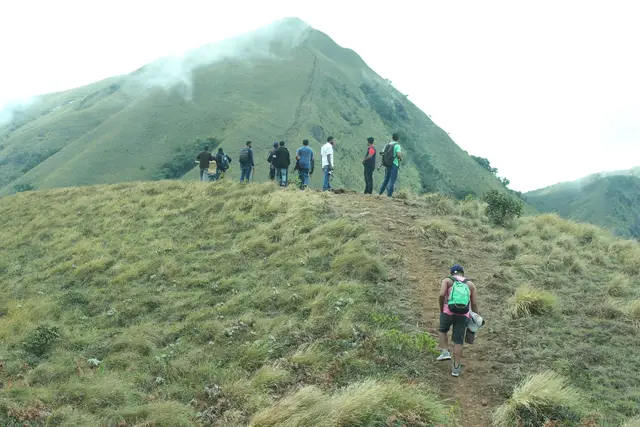
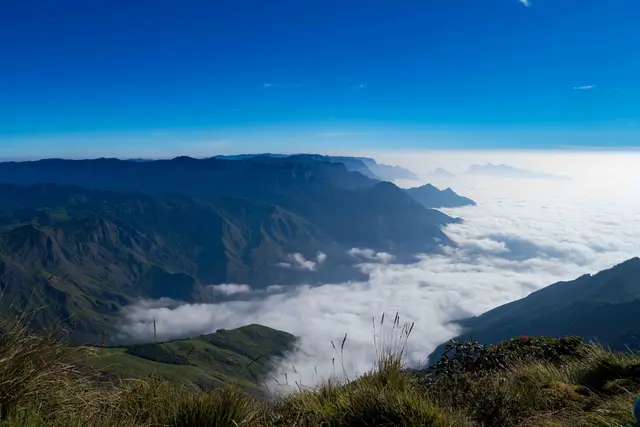
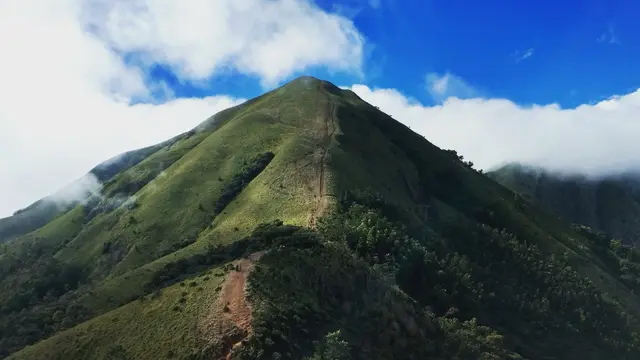
You arrive near the top still in darkness, then usually walk the final short stretch — roughly a kilometre or so uphill on foot — to the viewpoint, and wait. Then the show begins. The sky lightens over the distant ranges, colour bleeds slowly across the horizon, and below you the valleys reveal themselves choked with a thick white blanket of cloud that looks exactly like a rolling ocean. As the sun lifts clear, its low golden light skims the surface of that ‘sea of clouds’ and floods the surrounding peaks — a genuine near-360-degree panorama that ranks among the most famous sunrise views in all of South India.
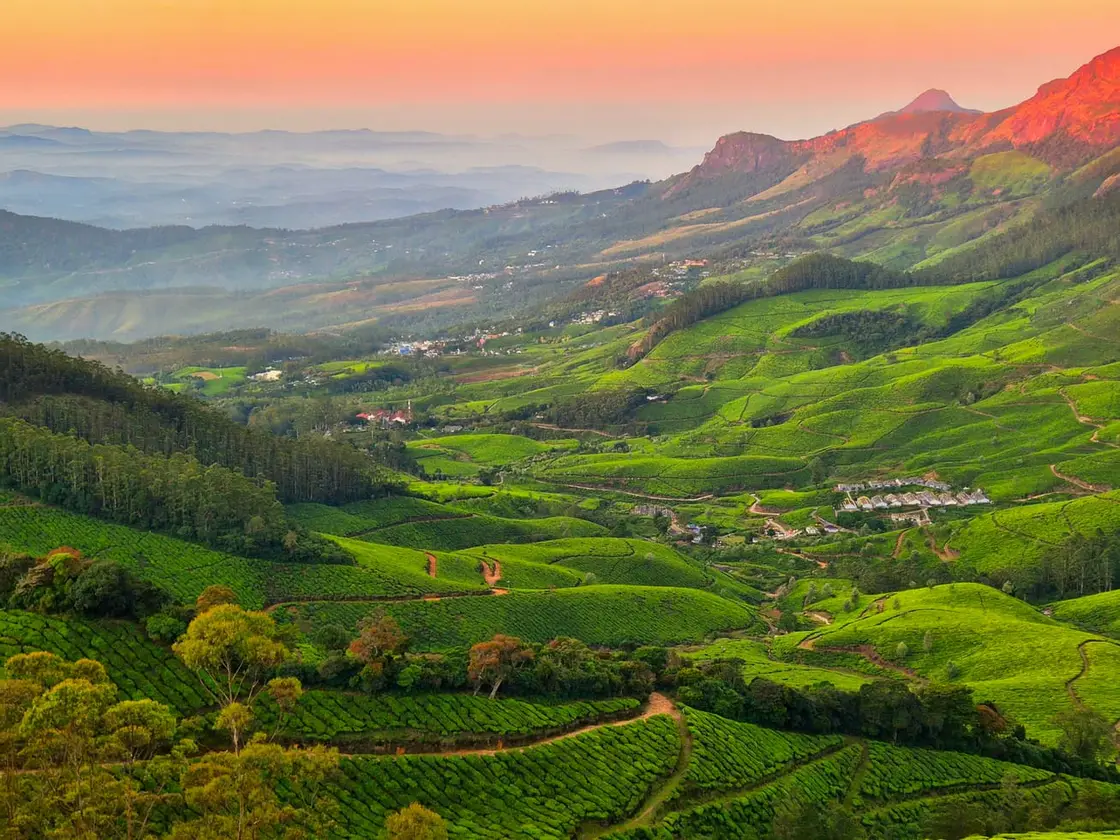
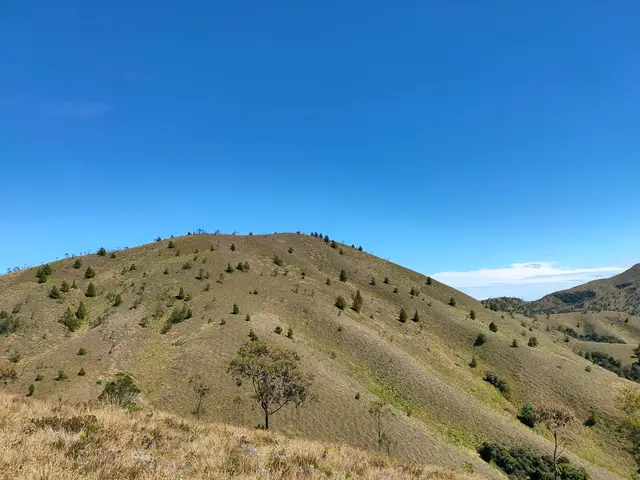
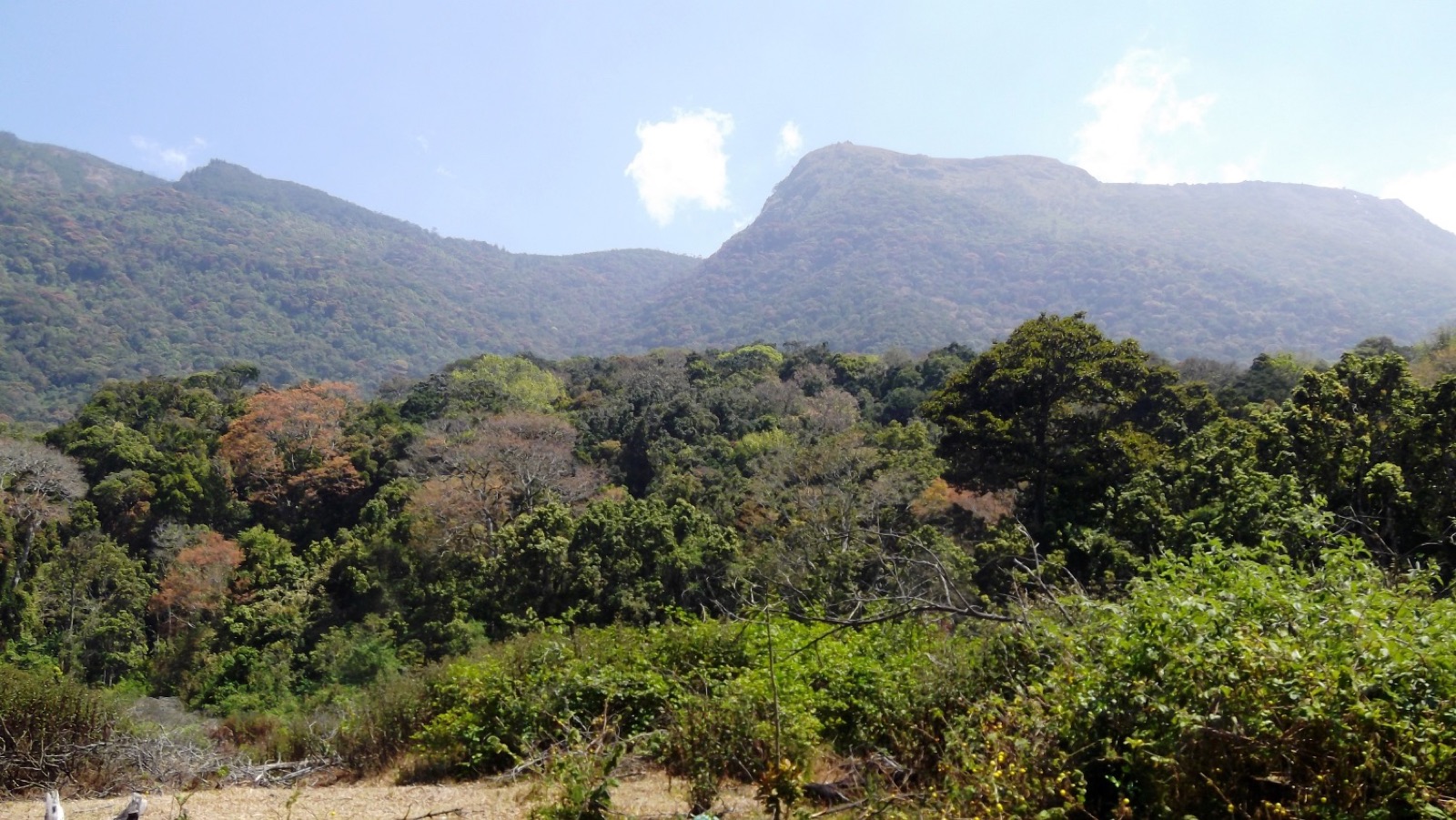
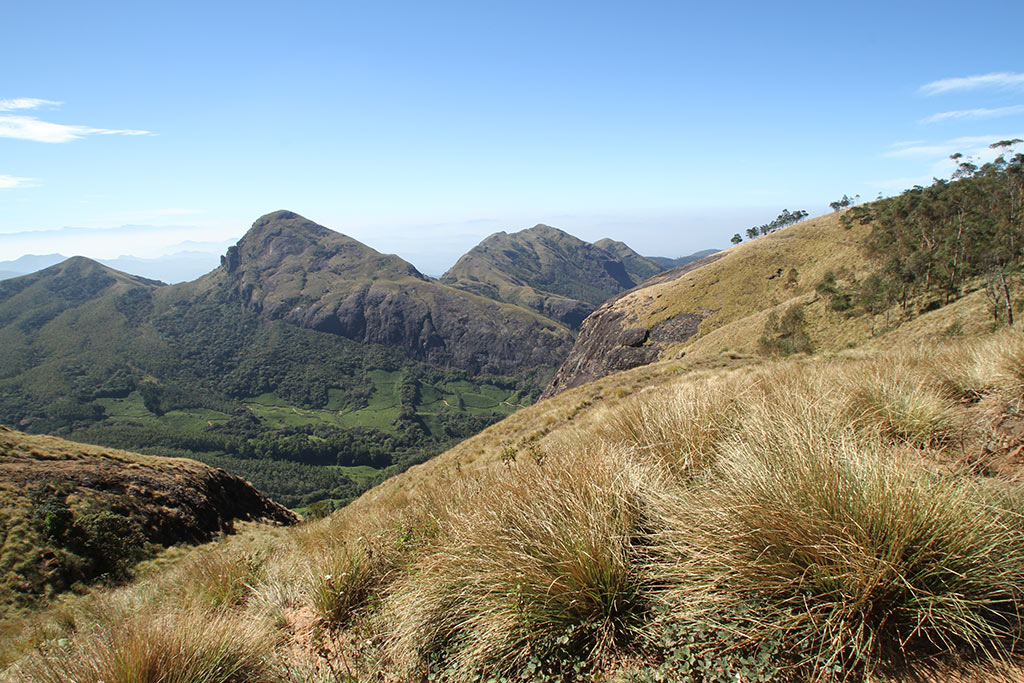
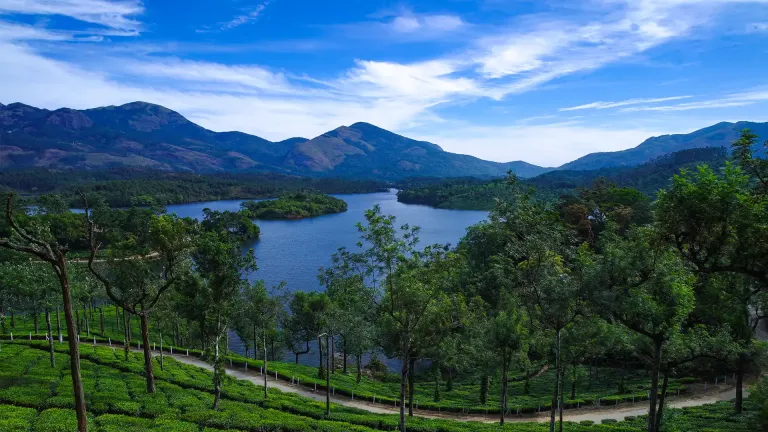
When the light has fully arrived, the landscape underneath comes into focus and takes the breath away all over again. Manicured tea slopes climb impossibly steep gradients, tea-pluckers’ paths thread across the contours, dry golden grassland ridges roll off toward Tamil Nadu, and the silvery ribbon of trekking trails winds away toward Meesapulimala, the second-highest peak in the Western Ghats. Clouds drift through at eye level, close enough to touch, and on a clear morning you can see for tens of kilometres across Idukki and down into the Theni plains far below.
The cold is real, and first-timers rarely expect it. At this altitude the pre-dawn air is thin, crisp and genuinely biting, and the wind can cut straight through a light jacket; regulars carry gloves, caps and a flask of hot tea, and part of the pleasure is wrapping cold hands around a glass of freshly brewed Kolukkumalai leaf while the sun does its work. Even in the warmer months the summit can feel wintry at 5 a.m., a startling contrast to the humid lowlands only a few hours’ drive away.
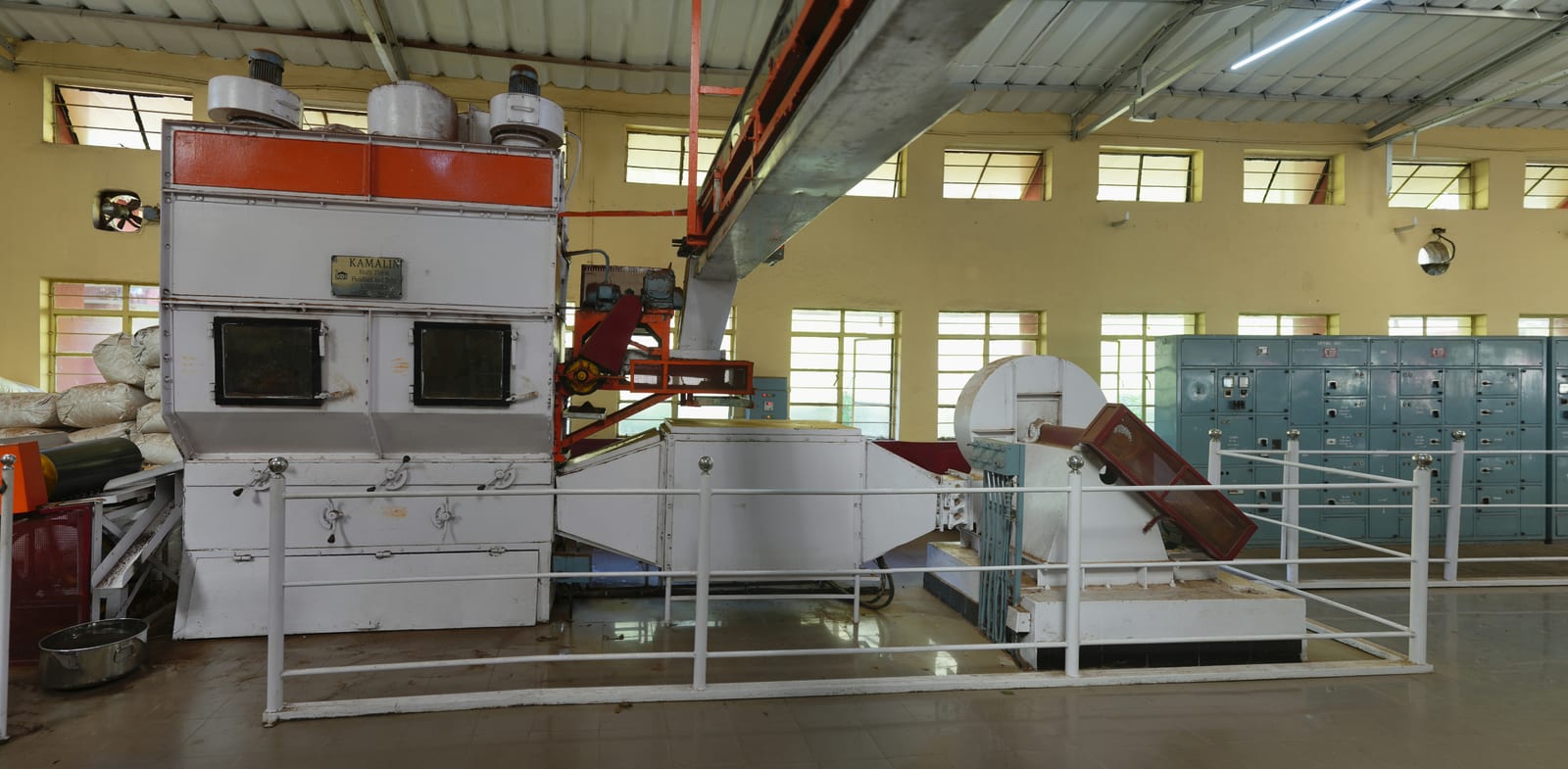
Once the sun is up, the estate itself becomes the attraction. Kolukkumalai’s claim to fame is its working British-era tea factory — a weathered timber-and-tin shed that has barely changed in nearly a century. Inside, the air is thick with the smell of withering leaf, and vintage rollers, wooden trays and hand-cranked sifters clatter and hum exactly as they did in the 1930s. A guided walk-through shows the full Orthodox process step by step, and you can taste and buy the estate’s prized high-grown tea straight from source, still warm from the dryer.
For all its fame, Kolukkumalai stays wild and comparatively uncrowded — the sheer difficulty of getting there keeps the numbers down and the atmosphere hushed. This is tea country at its most elemental: a remote frontier ridge straddling two states, where clouds pour over the pass, hawks ride the thermals, and a handful of plantation families keep an almost-forgotten craft alive at the literal roof of the tea-growing world. Come for the sunrise, and you leave having stood somewhere that feels genuinely at the edge of things.
History
Tea came to these remote heights under British colonial rule in the early twentieth century, when planters recognised that the extreme altitude, cool climate and slow-growing bushes could yield a distinctive, aromatic high-grown leaf unlike anything produced in the lowland gardens. The estate sits administratively within Bodinayakanur taluk of the Theni district in Tamil Nadu, right on the border with Kerala’s Idukki district, roughly 32 km from Munnar — a frontier location that has shaped its isolation and its character ever since.
The estate’s tea factory was built by the British around the mid-1930s, originally to process and sort the leaf gathered from the surrounding high-altitude slopes, and it has been working more or less continuously ever since. That unbroken run, combined with its extraordinary elevation of around 7,900 feet, is what earns Kolukkumalai its enduring reputation as the world’s highest tea plantation and tea factory (widely cited, though such superlatives are best treated as indicative).
What makes the factory truly extraordinary is that it never modernised. Instead of the fast, industrial CTC (Crush, Tear, Curl) process now used almost everywhere else in India, Kolukkumalai still follows the labour-intensive Orthodox method — the traditional multi-stage sequence of withering, rolling, sieving, fermenting, drying, fibre extraction and grading. It is slower and far more demanding, but it preserves the leaf’s natural aroma, colour and delicate flavour, which is why high-grown Kolukkumalai tea is so prized.
Much of the original British-era equipment is still in daily use. Vintage rollers, wooden withering and fermenting trays and hand-operated sifters dating back to the 1930s are driven by decades-old belt-and-pulley machinery rather than automation, and the layout of the shed has scarcely been altered since the day it was built. For visitors this turns the factory tour into something close to a living museum of colonial-era tea-making — one of the last places anywhere still producing tea the old way, by hand and by original machine.
Kolukkumalai’s second life, as a sunrise pilgrimage, is far more recent. For most of the twentieth century it was simply a working plantation reachable only by a punishing track, known mainly to planters and estate workers. As Munnar grew into one of South India’s most popular hill destinations in the 2000s and 2010s, local jeep operators from Suryanelli began running pre-dawn safaris up to the ridge, and word of the ‘sea of clouds’ sunrise spread through travellers and photographers. Today the jeep safari and the vintage factory together have made this once-obscure border estate one of the signature experiences of the Munnar region.
Why visit
Watch sunrise over a genuine ‘sea of clouds’ from the world’s highest tea estate.
Take a thrilling pre-dawn off-road 4WD jeep climb that is an adventure in itself.
Tour a working British-era factory still making Orthodox tea on 1930s machinery.
Soak up jaw-dropping near-360-degree views across the Western Ghats and toward Meesapulimala.
Photograph dramatic high-altitude tea slopes, drifting mist and low golden light.
Escape the crowds — it is far quieter, colder and wilder than central Munnar.