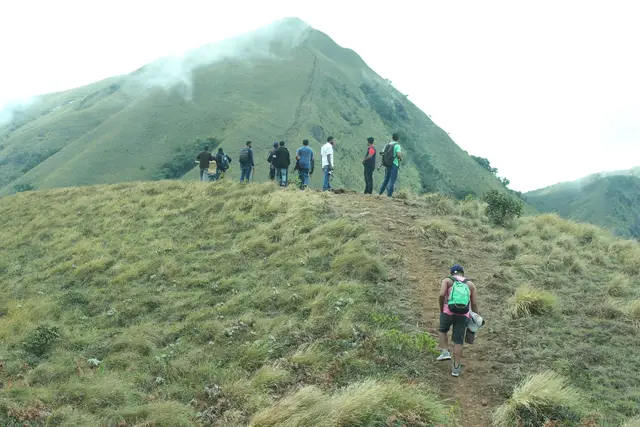
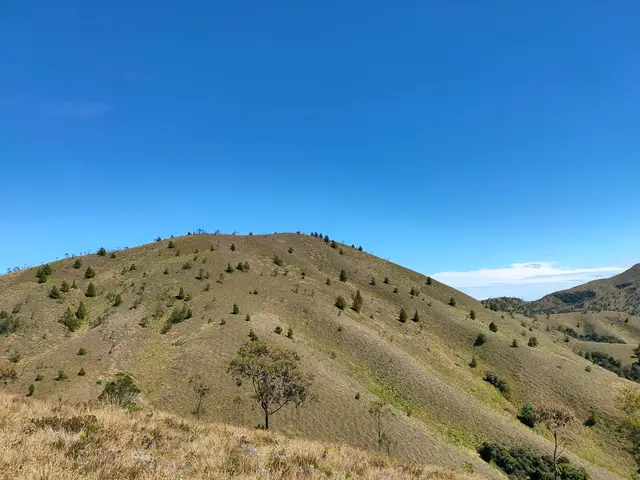
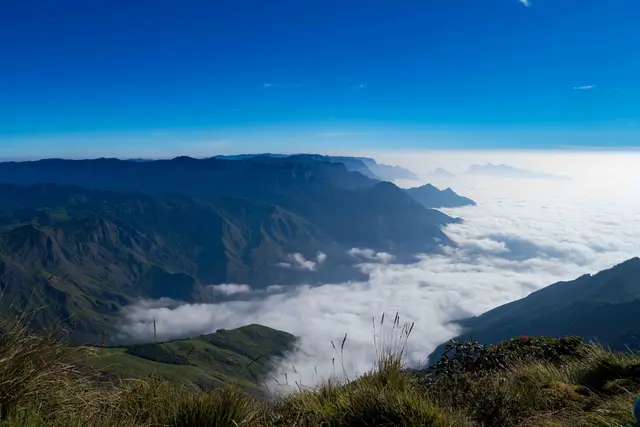
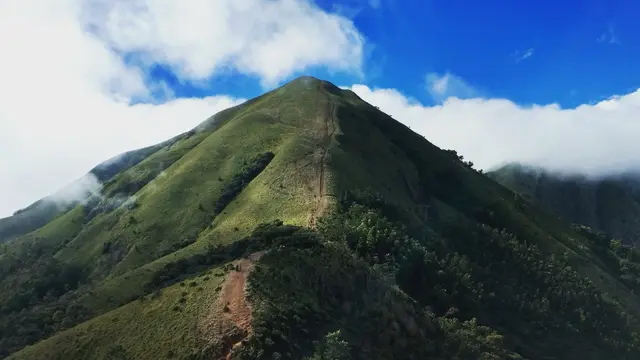
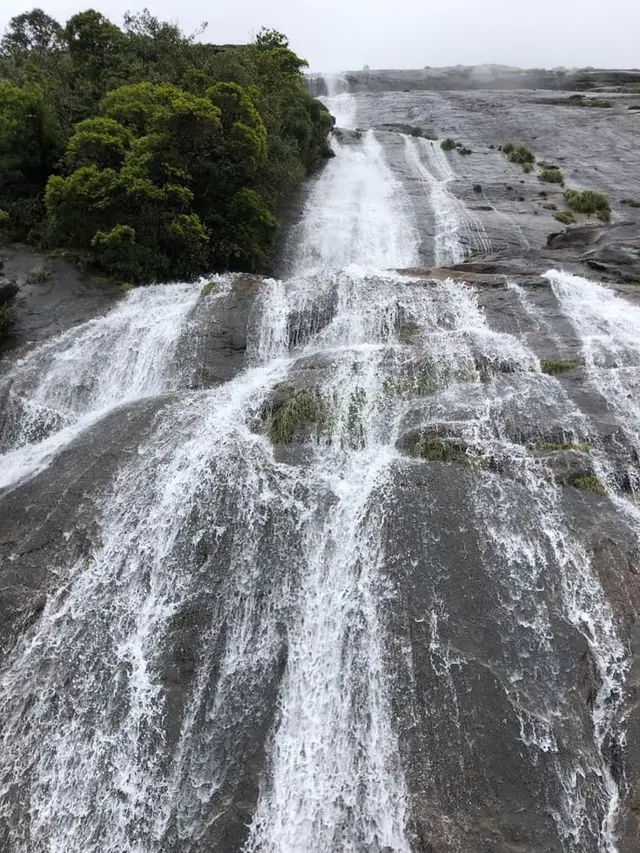
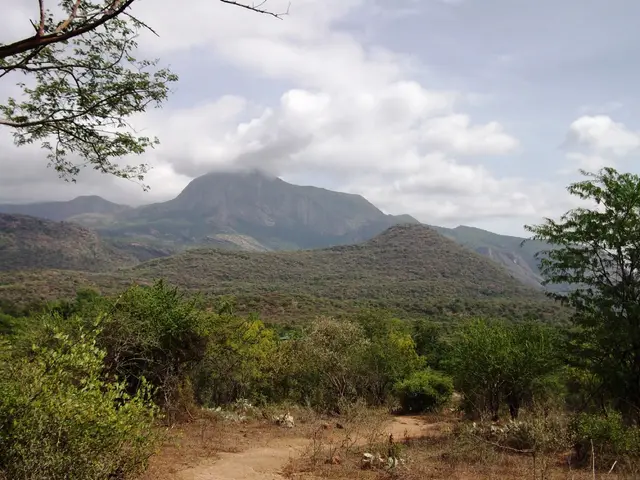
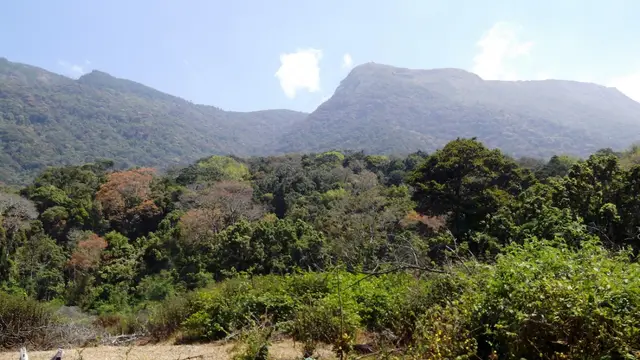
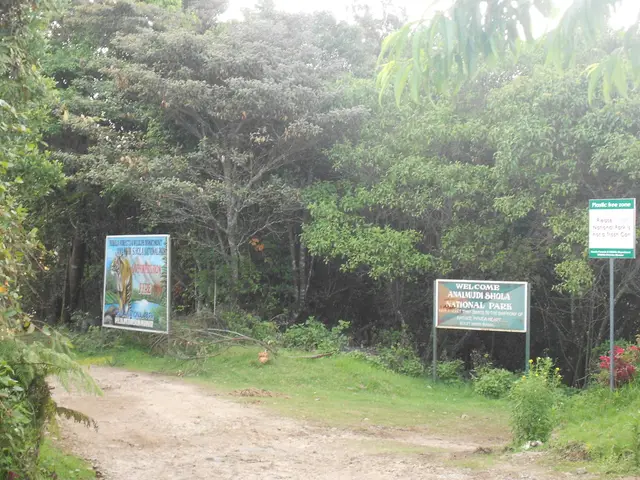
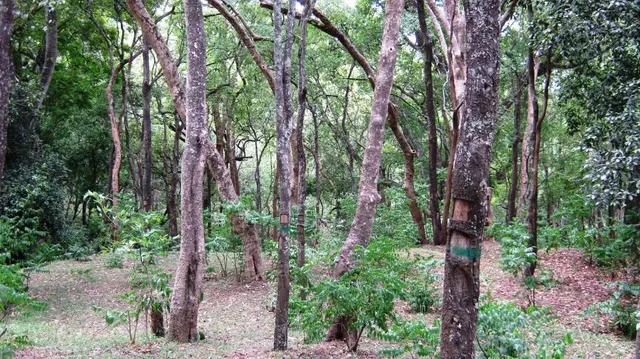
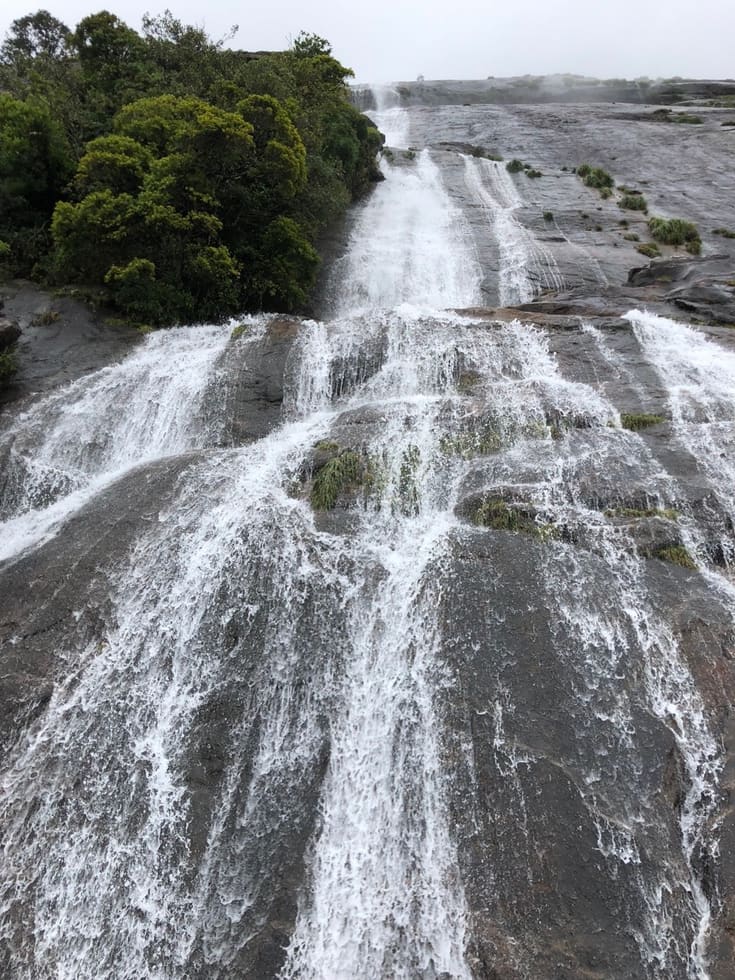
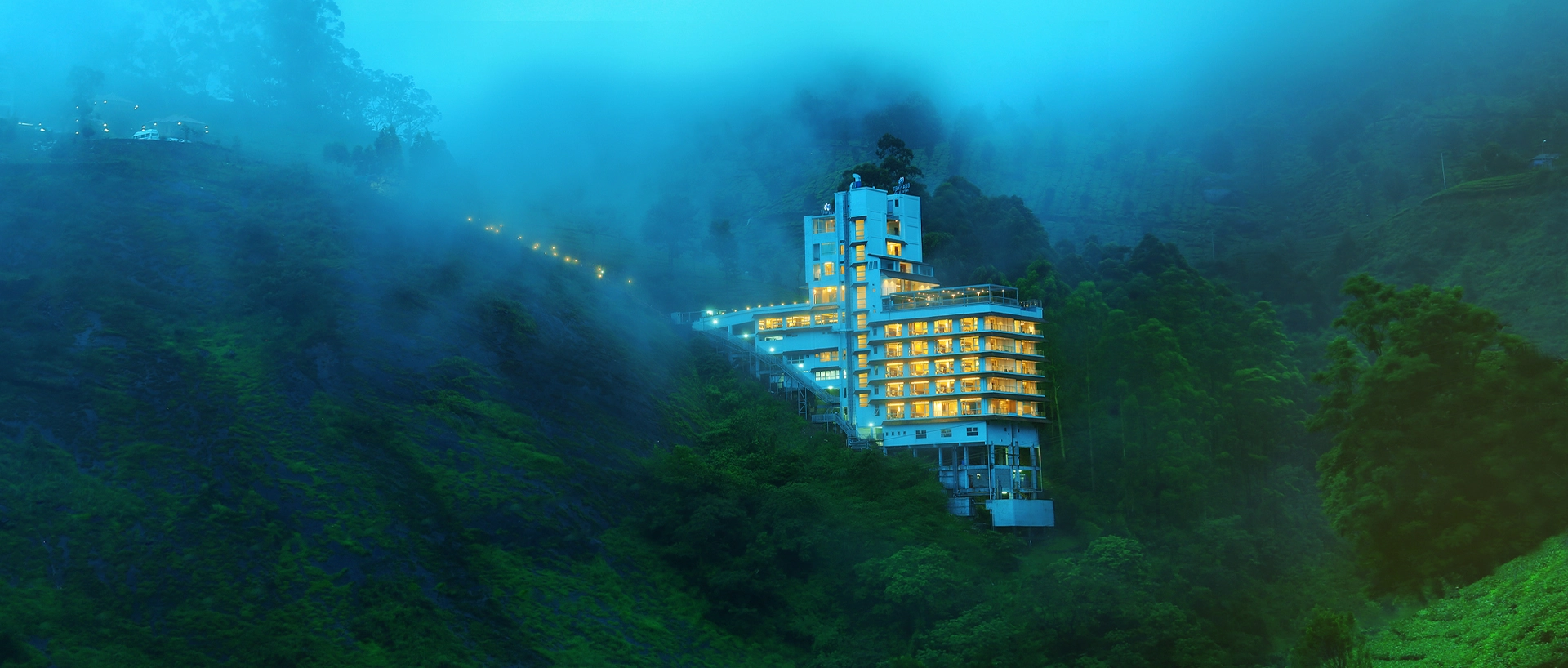
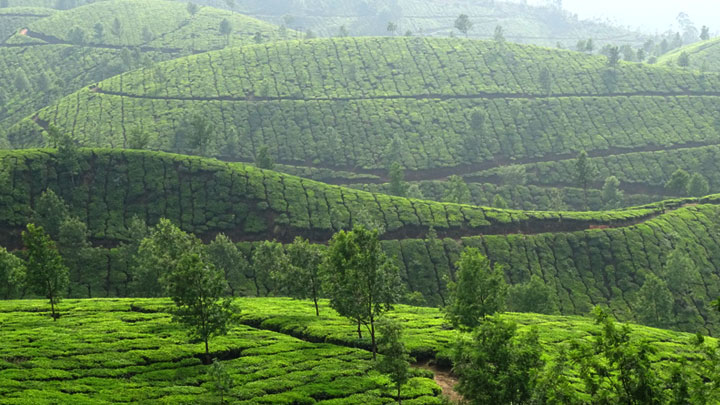
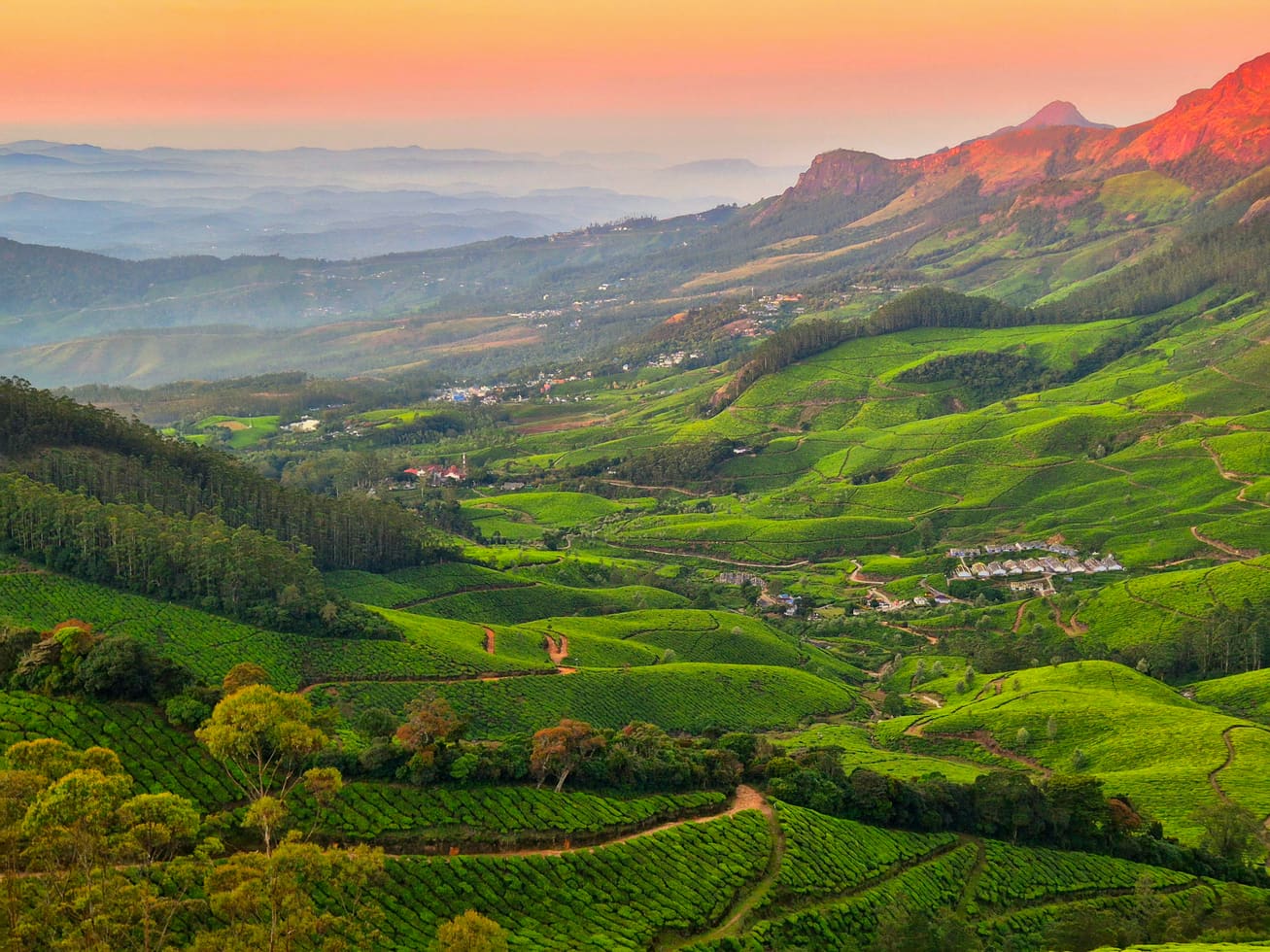
Set on a bend of the high-range road that climbs from Mattupetty towards Top Station, Echo Point is one of Munnar’s best-loved roadside halts — a lakeside clearing where the hills lean in so close that a shout thrown across the water comes back to you, clear and unhurried, a heartbeat later. Ringed by tea-clad slopes and shola forest and often wrapped in drifting mist, it pairs a genuinely fun natural curiosity with the kind of soft, blue-green Western Ghats scenery that makes people slow down, get out of the car and simply stand for a while.
The story of Echo Point
The draw is in the name. Walk down to the water’s edge, cup your hands, and call out across the lake — and the sound travels over the still surface, strikes the wall of hills rising on the far side, and bounces straight back to you. On a quiet morning, before the tour buses arrive, the return is startlingly crisp; children shriek their own names and wait, grinning, for the valley to answer. It is the simplest of pleasures, and it is exactly why the place earned both its reputation and its name.
There is nothing supernatural about it, and the honest explanation only makes it more satisfying. An echo is just sound reflecting off a distant hard surface. Here the geography lines up perfectly: a broad sheet of calm water in the foreground, and a steep, near-continuous ridge of forested hills a few hundred metres across the lake. Your voice carries cleanly over the water with little to absorb it, hits the far slope, and reflects back. Because the hills sit far enough away, the returning sound arrives a fraction of a second after you stop speaking — long enough for your ear to register it as a separate echo rather than part of your own voice.
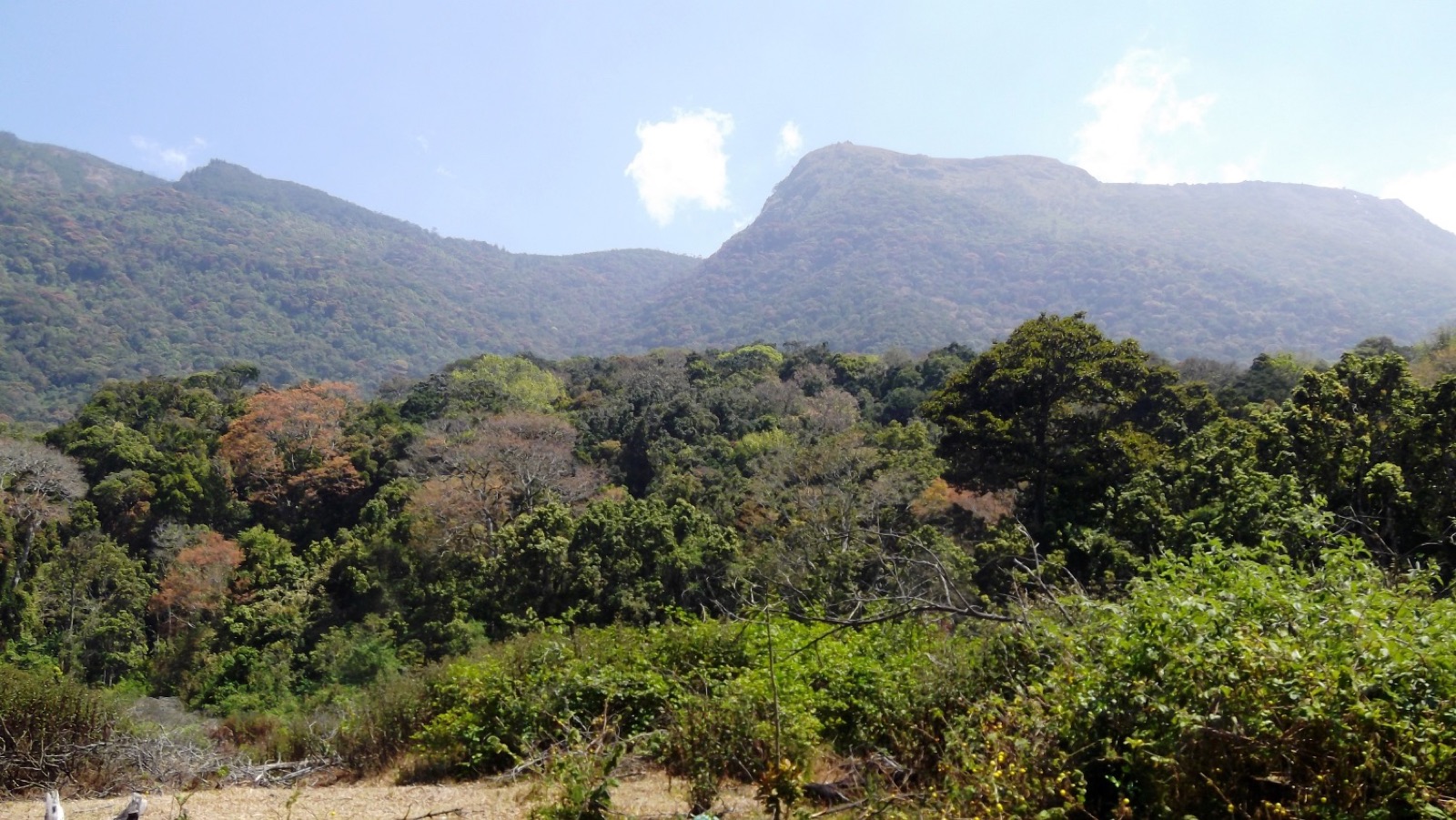
The setting does the rest of the work. Echo Point sits in a natural amphitheatre where, local guides like to say, three of the high range’s catchment slopes — the Mudrapuzha, Nallathanni and Kundala drainages — gather towards the valley floor. Whether or not you count ranges, the effect is real: hills curve around the lake on more than one side, so on a good day you can send your call in more than one direction and hear it answered from more than one.
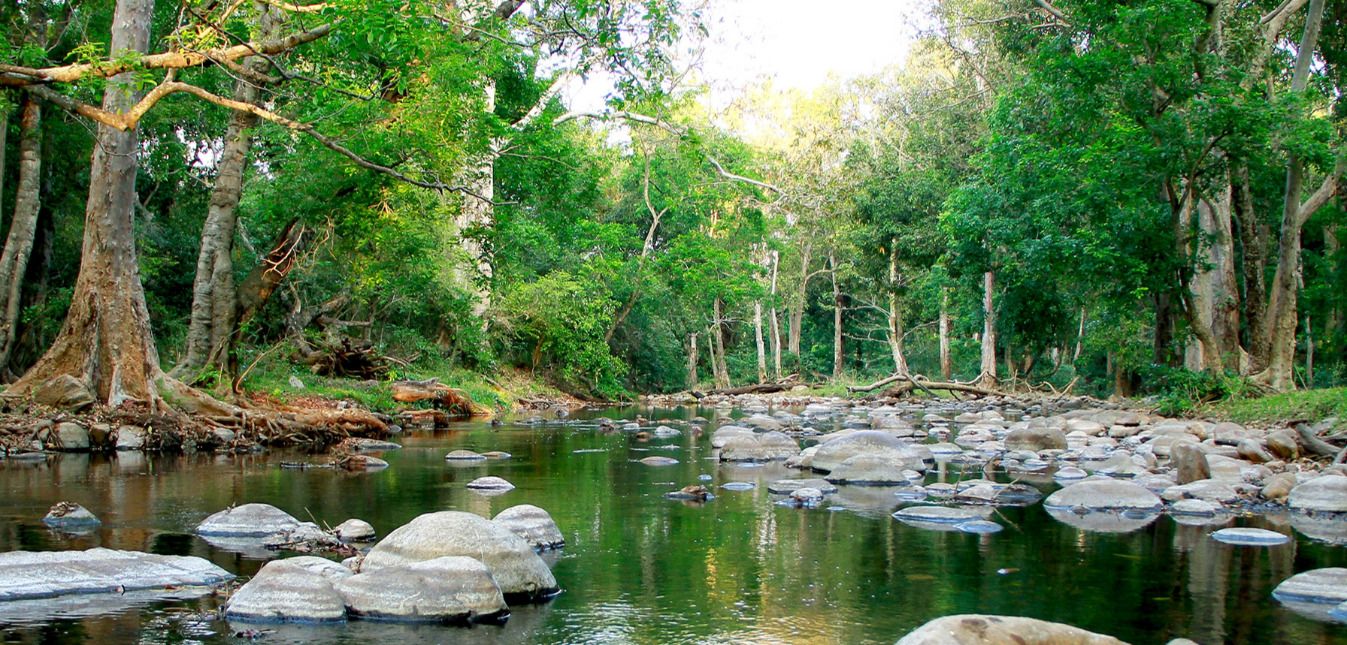
The water itself belongs to the great chain of high-range reservoirs and streams that feed the Mattupetty and Kundala catchment — the same tea-country lakes that make this stretch of road so photogenic. The surface is usually glass-still in the early hours, mirroring the tea rows and the sky, before the day’s breeze ruffles it. Pedal boats, kayaks and rowing boats wait at a small boating jetty, and a slow paddle to the middle of the lake is the classic way to take in the surrounding slopes from the water.
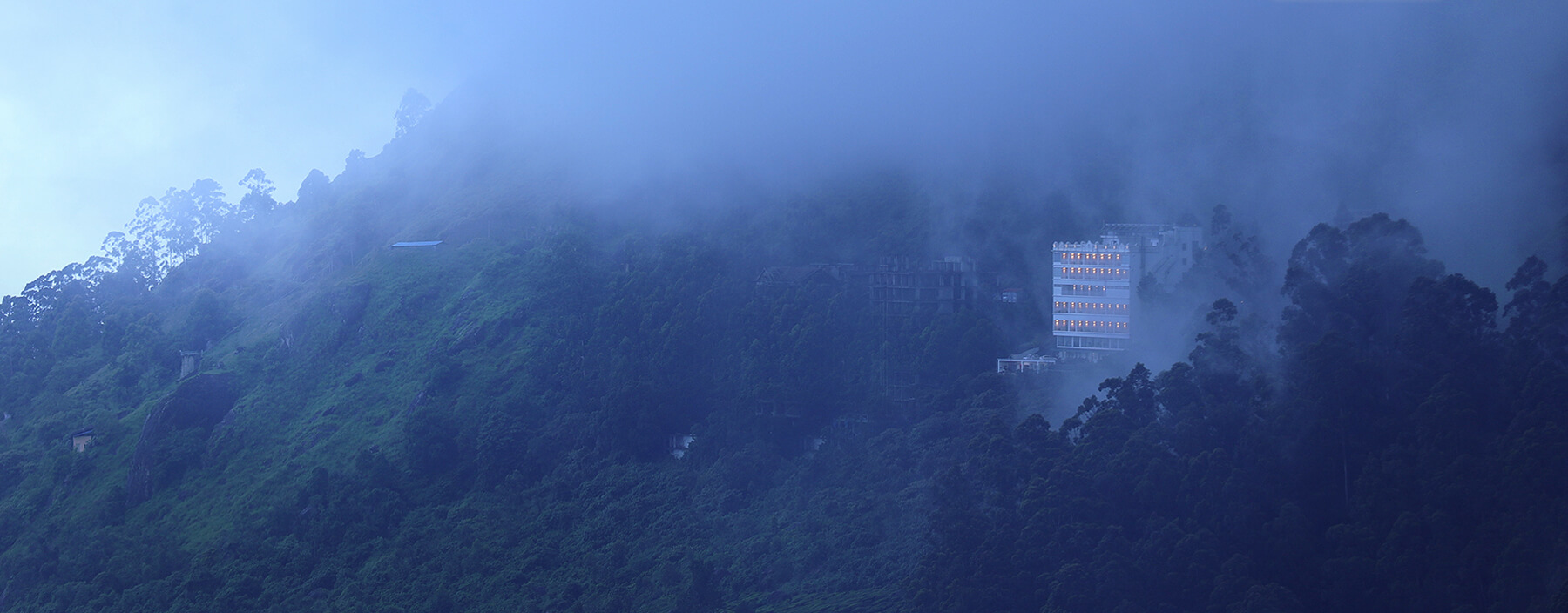
Mist is part of the character here, not a flaw. Because Echo Point sits high and beside water, cloud and fog roll in and out through much of the cooler season, sometimes swallowing the far hills entirely — at which point the echo comes back out of a soft grey wall you cannot even see. When the cloud lifts, the slopes reappear layer by layer in every shade of green, and photographers who waited are rewarded with the classic blue-mountain Munnar view.
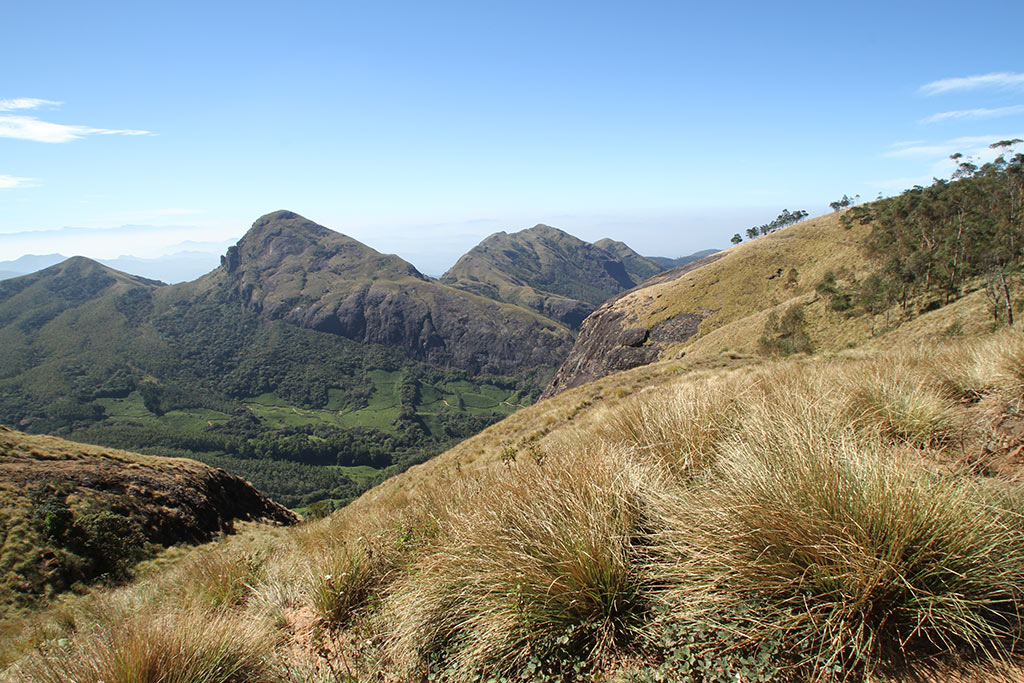
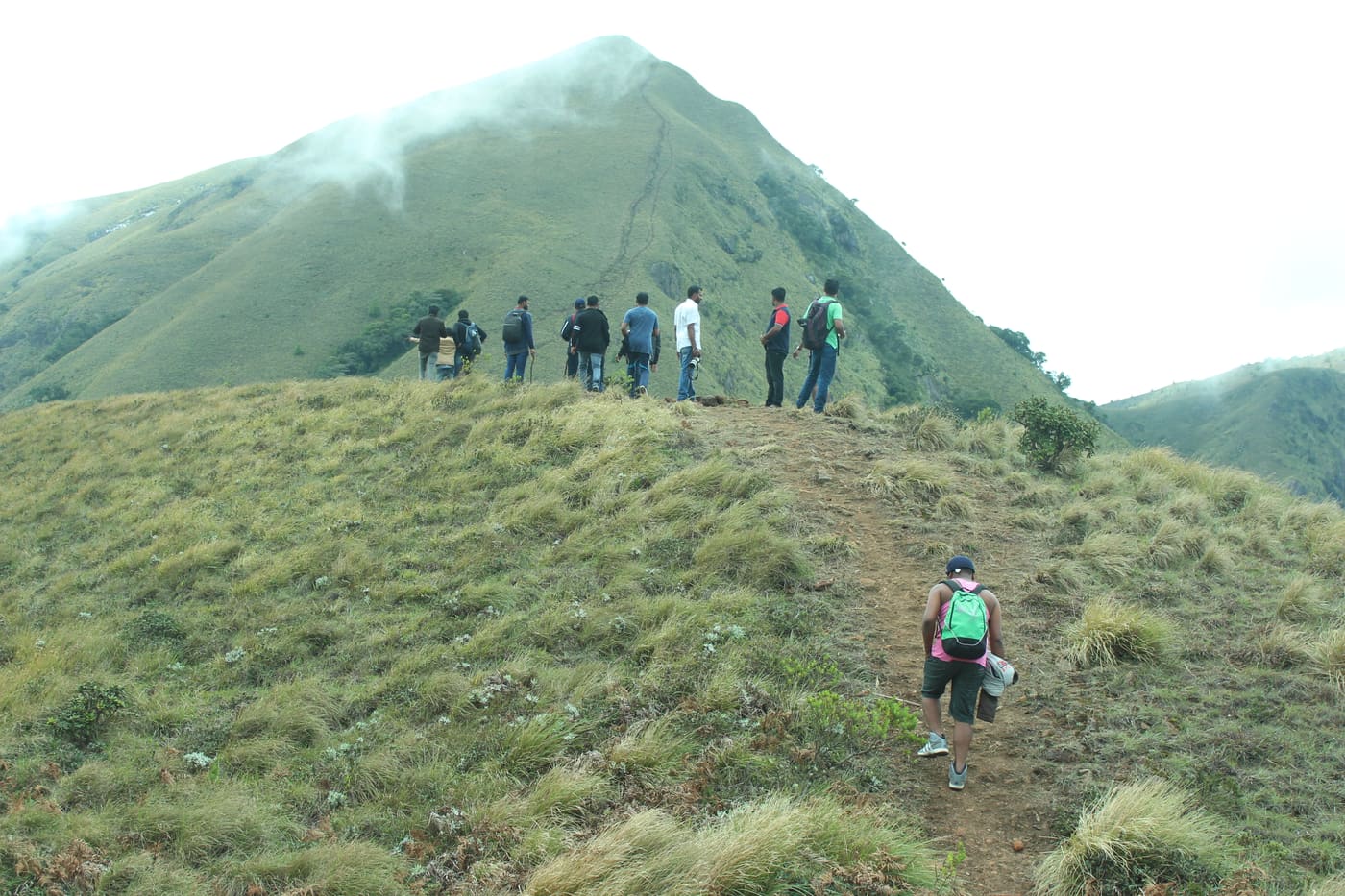
The point is also caught up in Munnar’s most famous botanical event. The surrounding grassy slopes are Neelakurinji country: once roughly every twelve years the Strobilanthes kunthiana shrub blooms in a single vast flush and washes the hills in violet-blue. In an off year there is nothing to see of it, but in a Kurinji year this whole high-range corridor, Echo Point included, becomes a pilgrimage for flower-watchers from across the country.
History
Echo Point has no ancient monument and no dynastic story — its history is the history of the Munnar high range itself, a landscape that was remote hill and grassland forest until the second half of the nineteenth century. What turned these mountains into a named, mapped, visited place was tea.
From the 1870s and 1880s, British planters pushed up into the Kannan Devan hills above the Muthirapuzha valley and began clearing the higher slopes for tea. The estates that grew here — later consolidated under the Kannan Devan Hills Produce and, in time, Tata — laid down the roads, the plantation villages and the whole working geography of modern Munnar. The lane that runs past Echo Point is one of those estate-and-tourism roads, threading from Munnar town up through Mattupetty towards the frontier viewpoint of Top Station.
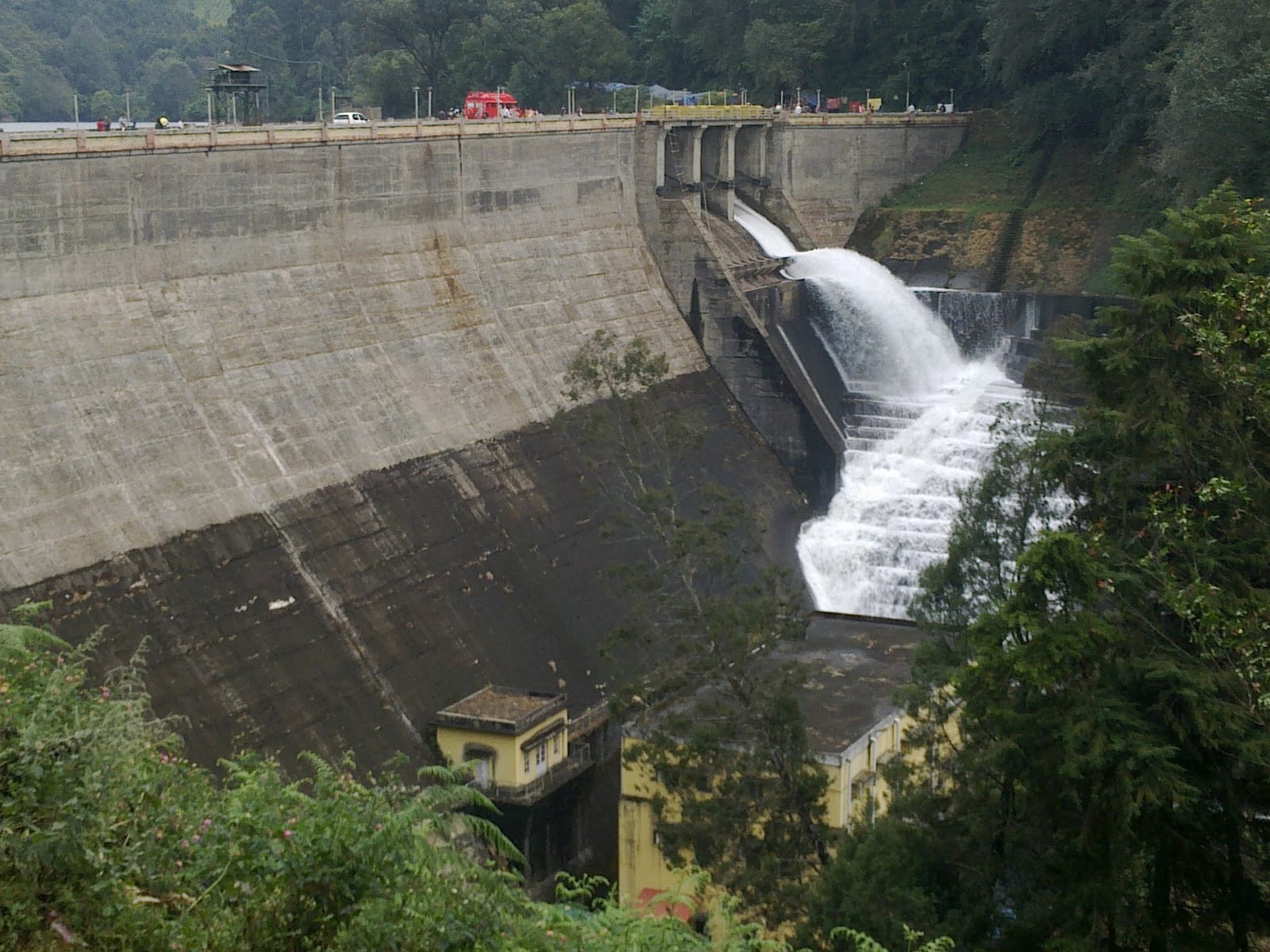
The lakes that give this route its beauty are largely engineered. Through the twentieth century the high range was dammed for hydro-electricity and water storage — Mattupetty and Kundala among the best known — turning stream valleys into the calm reservoirs that now mirror the tea slopes. Echo Point’s own sheet of water sits within this catchment landscape, which is why boating and lakeside halts became part of the Munnar circuit at all.
Top Station, at the far end of the road, adds the older layer. In the early twentieth century it was the upper terminus of an ingenious ropeway-and-tramway system that carried tea down the escarpment towards the plains of the Tamil country — the ‘top’ station of that aerial link. Today the road that once served the plantations serves visitors, and Echo Point has grown from an unremarkable bend in it into a ticketed, jetty-equipped stop with parking, boats and roadside stalls, its fame spread almost entirely by word of mouth and the simple delight of hearing the hills talk back.
Why visit
It delivers a genuine, repeatable natural phenomenon that everyone from toddlers to grandparents enjoys — you shout, the hills answer, and no ticket is needed to appreciate why.
The lakeside setting is quintessential Munnar: calm water in the foreground, tea-carpeted and shola-clad hills behind, and mist that comes and goes through the cooler months.
Boating on the lake — pedal boat, kayak or rowing boat — lets you take the whole amphitheatre in from the water, and is the single most popular thing to do here beyond the echo itself.
It sits perfectly on the Mattupetty–Kundala–Top Station sightseeing road, so it slots into a half-day loop with Mattupetty Dam, Kundala Lake and the Top Station viewpoint without any detour.
In a Neelakurinji year the surrounding slopes turn violet-blue, making this high-range corridor one of the most sought-after spots in South India for that once-in-twelve-years bloom.
It is an easy, low-effort stop — a short walk from the car park to the water — that rewards families, casual travellers and photographers alike, with woodland walks and birdlife for those who want to linger.