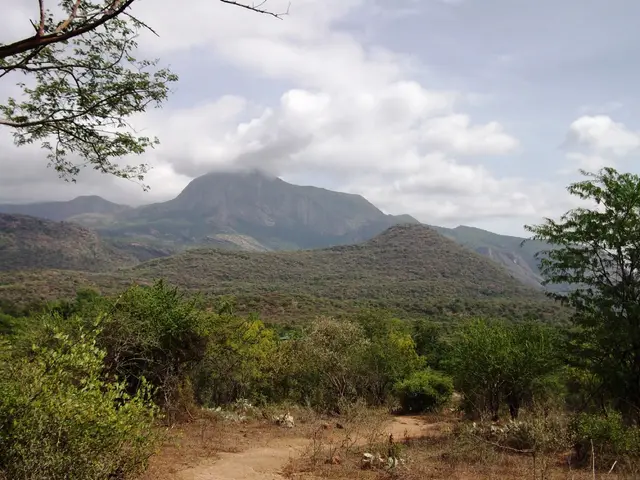
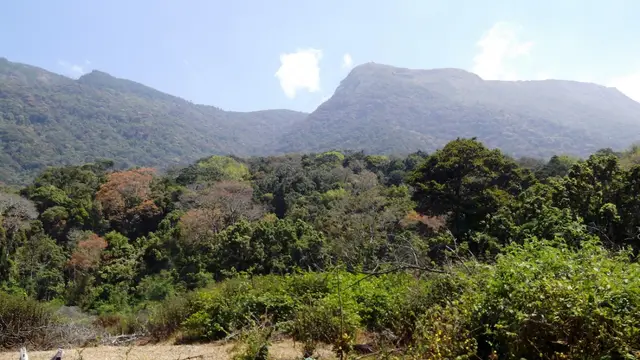
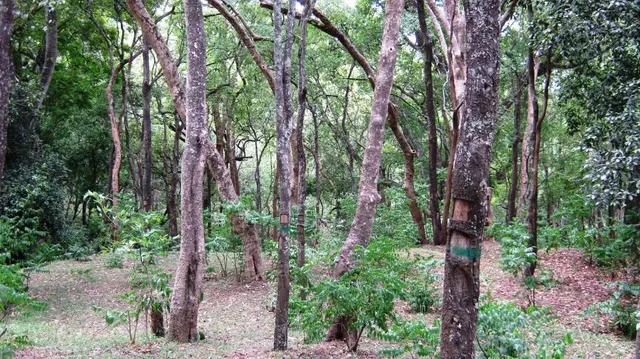
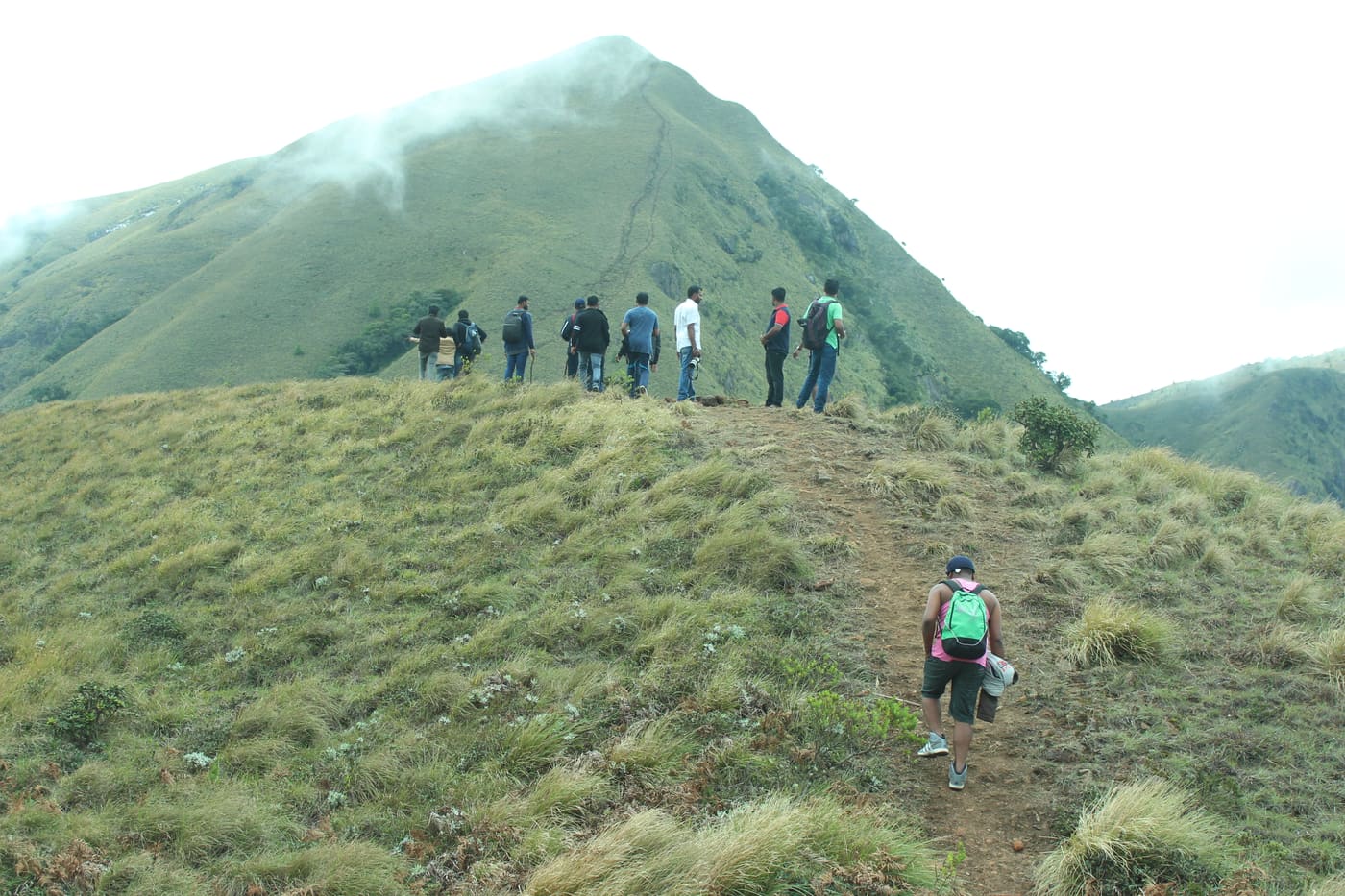
High in the Palani Hills on Kerala's frontier with Tamil Nadu, Vattavada is a hamlet of terraced farms perched at roughly 2,000 metres — one of the coldest inhabited corners of the state, where mist pools in the valleys at dawn and strawberries ripen on slopes that fall away into pine and shola forest.
The story of Vattavada
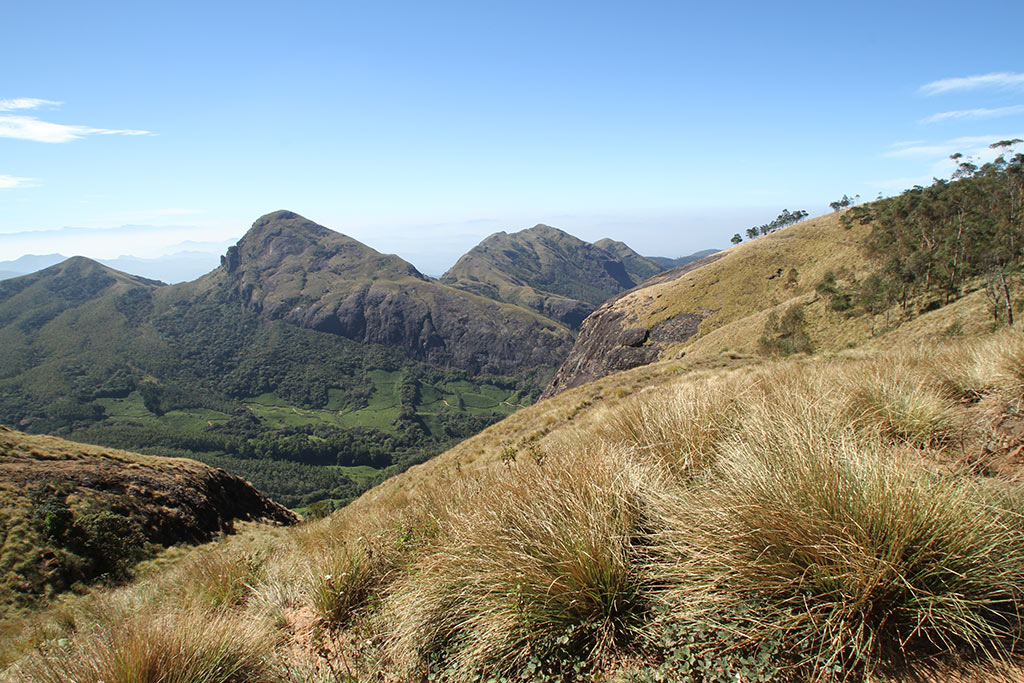
The first thing you notice on the climb up from Munnar is that the landscape stops behaving like Kerala. The tea gives way to bare, wind-combed ridges and then to hillsides carved into neat green steps — terrace upon terrace of carrots, cabbage, beetroot, garlic and cauliflower stitched across gradients so steep the farmers seem to be gardening on a staircase. This is the sight that earns Vattavada its nickname, the 'vegetable bowl of Kerala', and it looks less like a tropical state than a fragment of the temperate world folded into the Western Ghats.
Vattavada sits at around 2,000 metres (about 6,500 feet), high enough that the air is thin and the nights bite. In the cold months the mercury can drop close to freezing, frost silvers the terraces before sunrise, and villagers wrap up in blankets and woollens rather than the cottons of the coast. Locals will tell you, with some pride, that theirs is among the coldest places anyone lives in Kerala — a claim the shivering visitor rarely disputes at six in the morning.
That cold is also the village's fortune. The same altitude that chills the nights lets Vattavada grow what the lowlands cannot — and above the vegetable terraces spread orchards of a distinctly un-tropical kind. Strawberries are the celebrity crop, sold fresh and by the punnet to passing travellers, but the slopes also carry plums, peaches, passion fruit, oranges, gooseberries and even apples. Come in season and roadside stalls turn into a running market of temperate fruit and just-picked produce, much of it heading down the ghat to feed the towns below.
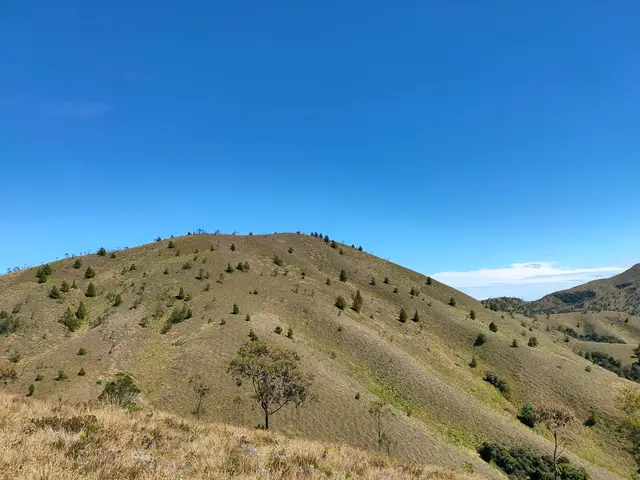
The reason all of this thrives here is a quirk of geography: Vattavada lies in a rain shadow. The high ridges to the west wring most of the moisture out of the monsoon before it arrives, so the village stays comparatively dry and sunny while Munnar, only a short drive away, disappears into cloud and drizzle. That drier, brighter, cooler regime is exactly what fruit orchards and cool-season vegetables want — and it gives Vattavada a light and a colour palette quite unlike the sodden green of the tea country next door.
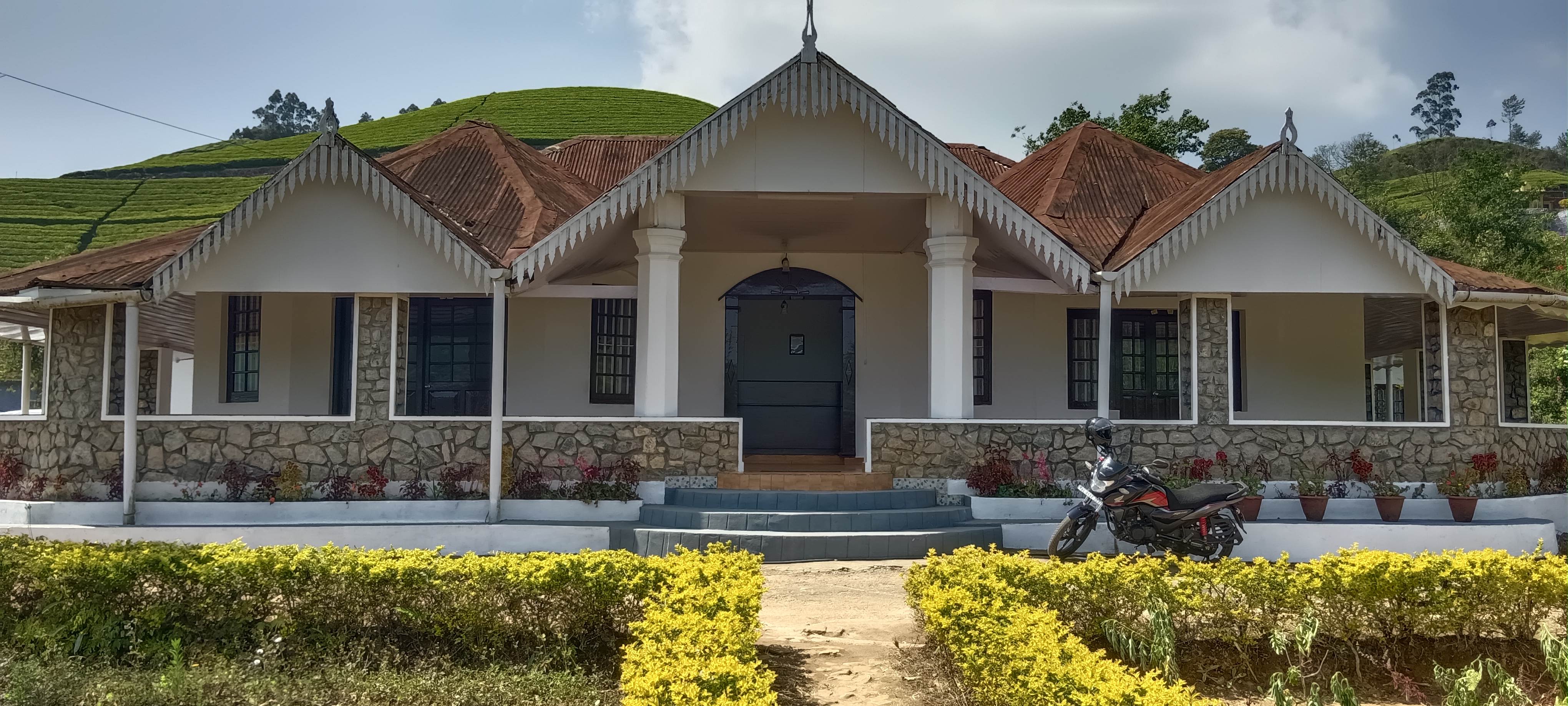
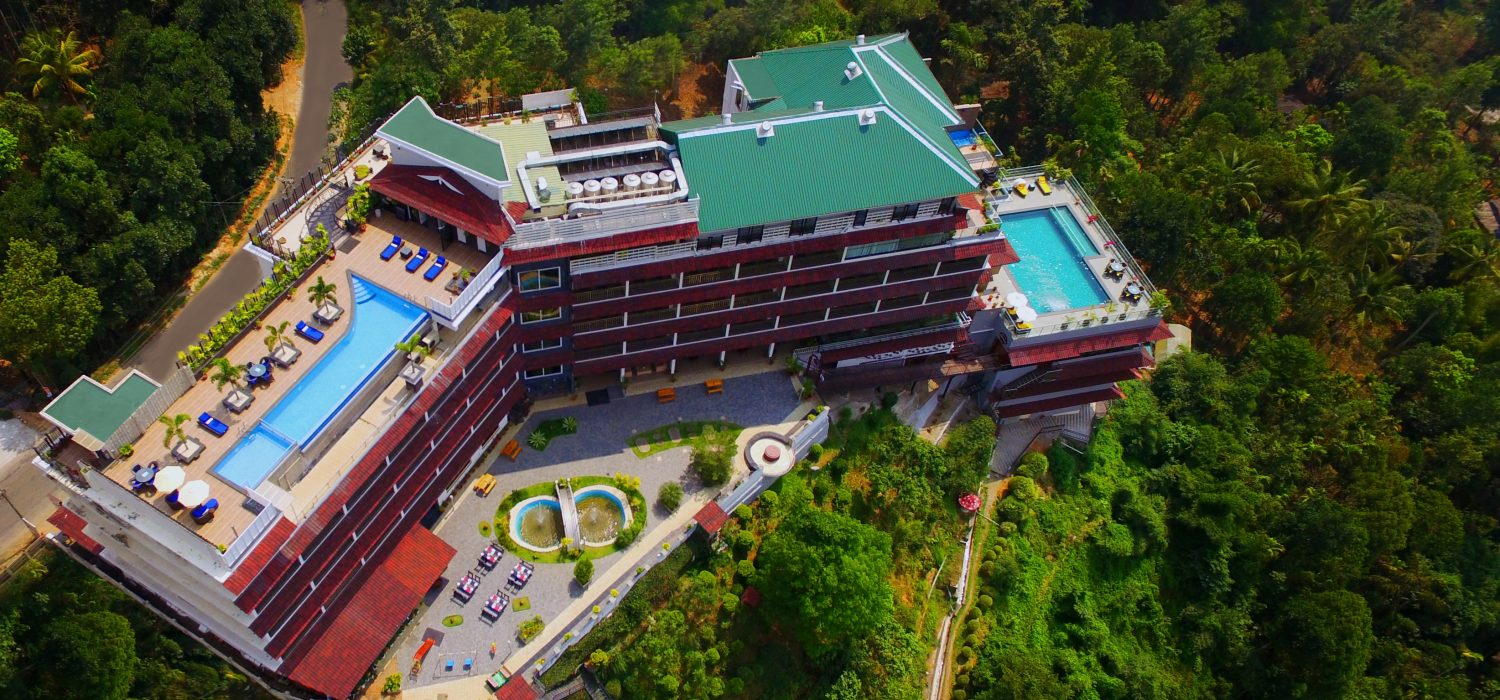
For all its productivity, the village stays refreshingly off-beat. There are no grand resorts crowding the ridgeline — instead a scatter of homestays, mud-house stays, farm cottages, campsites and simple family rooms, most run by the growers themselves. Days here are made of slow things: walking the bunds between terraces, watching the harvest come in, sharing a plate of home-cooked food with the family whose spare room you are sleeping in, and going to bed under a pile of blankets with the windows open to the cold.
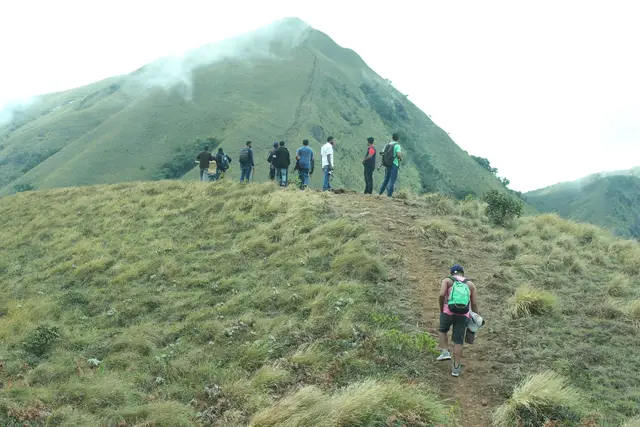
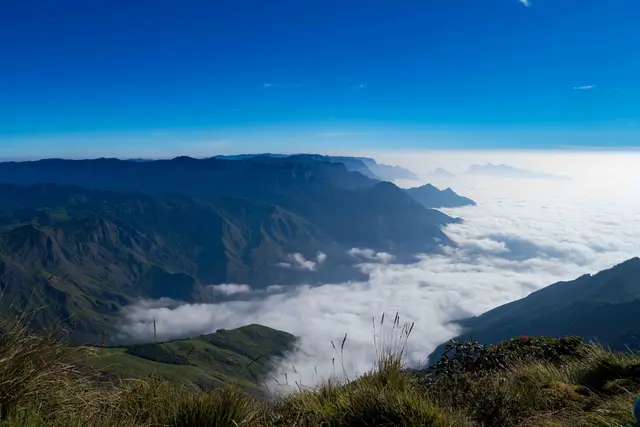
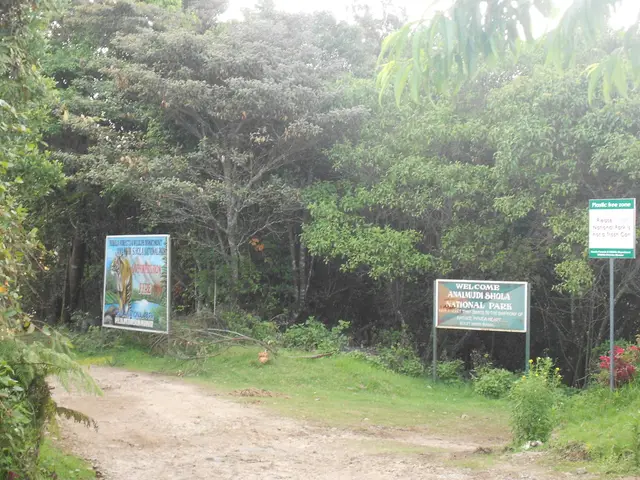
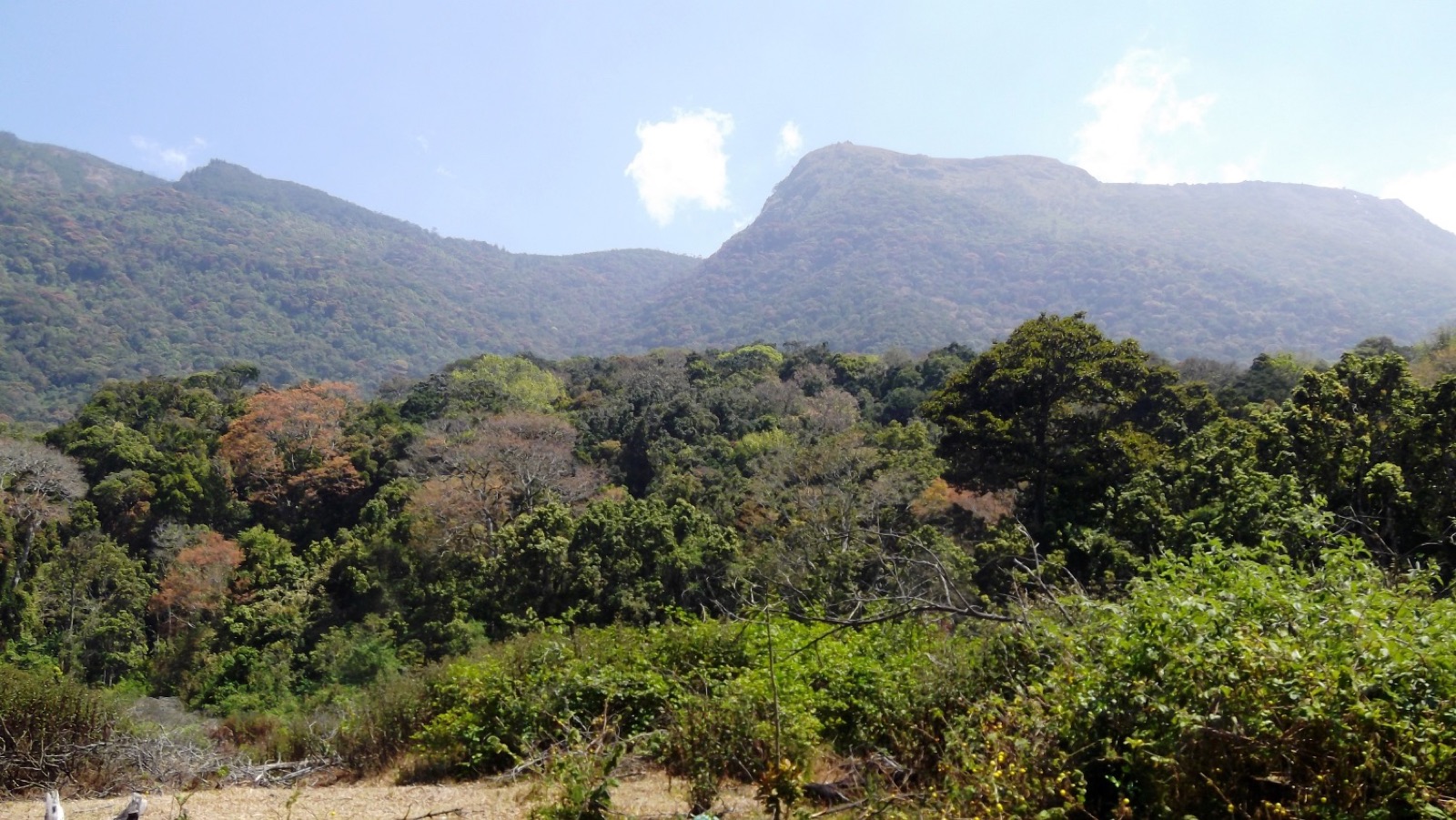
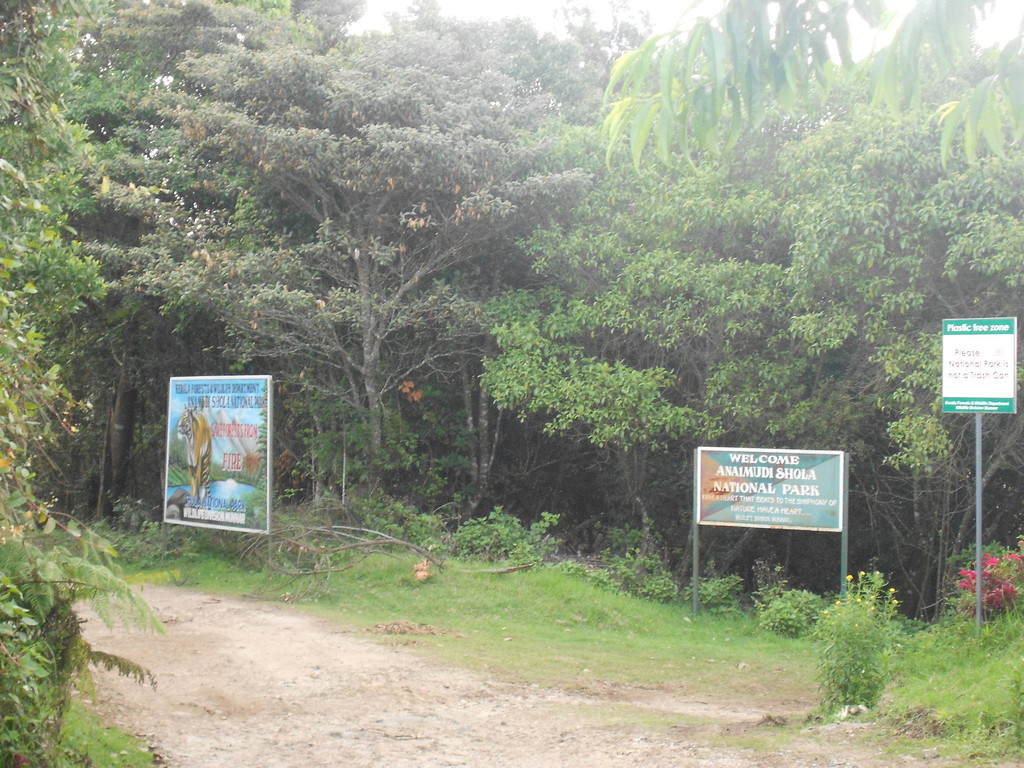
Vattavada also works as a launch point into some of Munnar's wildest high country. Pampadum Shola National Park — the smallest national park in Kerala, all stunted shola trees and grassland — lies close by, and the road threads on toward Top Station, the old cardamom-and-tea trans-shipment point on the Kerala–Tamil Nadu border famous for its cloud-drowned viewpoint. Open-top jeep safaris grind up the surrounding ridges to sunrise points and hidden valleys, and it is on these dawn runs — headlamps in the fog, frost on the windscreen, the whole plateau glowing gold as the sun clears the hills — that the place casts its strongest spell.
History
Vattavada's story as a farming settlement is more recent than its ancient-looking terraces suggest. The high grasslands and shola forests of these hills were long the domain of hill communities and grazing herders rather than intensive cultivators; organised vegetable farming on this scale is largely a twentieth-century arrival, shaped by migration and by changes on the Tamil Nadu side of the border.
The community that farms Vattavada today is a blend of Tamil and Malayali roots — many families trace their origins to the neighbouring Tamil country across the Palani Hills, and the village carries a mixed linguistic and cultural character to match, with Tamil widely spoken alongside Malayalam. That cross-border kinship is a natural consequence of the geography: Vattavada sits right on the state frontier, and life here has always looked as much east toward the Tamil plains as west toward Munnar.
A widely told local account holds that the shift to intensive vegetable growing was triggered by events across the border. Roughly half a century ago, so the story goes, extensive eucalyptus planting on the Tamil Nadu side drew down the water table and made traditional paddy cultivation unviable, pushing farming families to switch to hardier cool-season crops — carrots, cabbage, beetroot, cauliflower and the like — that suited the high, drier terraces of Vattavada (indicative — confirm locally).
Whatever the precise trigger, the switch proved transformative. The rain-shadow climate and steep, well-drained slopes turned out to be ideal for temperate vegetables and fruit, and over the following decades Vattavada grew into a genuine supply hub — the 'vegetable map' or 'vegetable bowl of Kerala' — sending truckloads of carrots, cabbages, garlic, strawberries and orchard fruit down the ghat roads to markets across the state and into Tamil Nadu.
Tourism came later and remains, so far, a light touch. As Munnar's popularity spilled outward, travellers began seeking out Vattavada for exactly what mass tourism had not yet reached — cold nights, terraced farms, pick-your-own strawberries and homestays with working growers. That farm-first economy still anchors the village: visitors are guests within a landscape that earns its living from the land, not the other way around.
Why visit
See the 'vegetable bowl of Kerala' up close — hillsides terraced into steps of carrot, cabbage, beetroot and cauliflower, farmed at gradients that defy belief.
Experience one of the coldest inhabited places in Kerala, where frost can silver the terraces at dawn and blankets, not fans, are the order of the night.
Buy and taste temperate fruit you would not expect in south India — fresh strawberries, plums, peaches, passion fruit and more, straight from roadside stalls in season.
Stay in genuine farm homestays and mud-house lodgings run by the growers themselves, for an off-beat, low-key alternative to Munnar's busier resorts.
Ride a sunrise jeep safari through the high ridges to fog-filled viewpoints — one of the region's most atmospheric early-morning experiences.
Use Vattavada as a base for Pampadum Shola National Park and Top Station, exploring Munnar's wildest, least-crowded high country.