Perched a mile above the sea on the rain-shadow edge of the Western Ghats, Kanthalloor is the one corner of Kerala where apples ripen, frost silvers the cabbages at dawn, and the air is cool enough that locals call it the “Kashmir of Kerala”.
The story of Kanthalloor
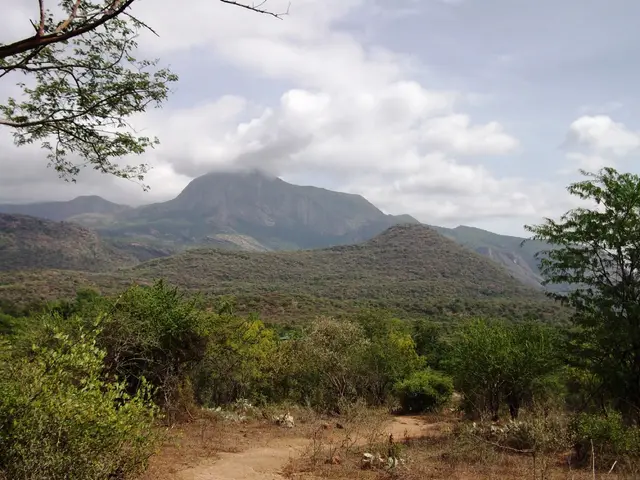
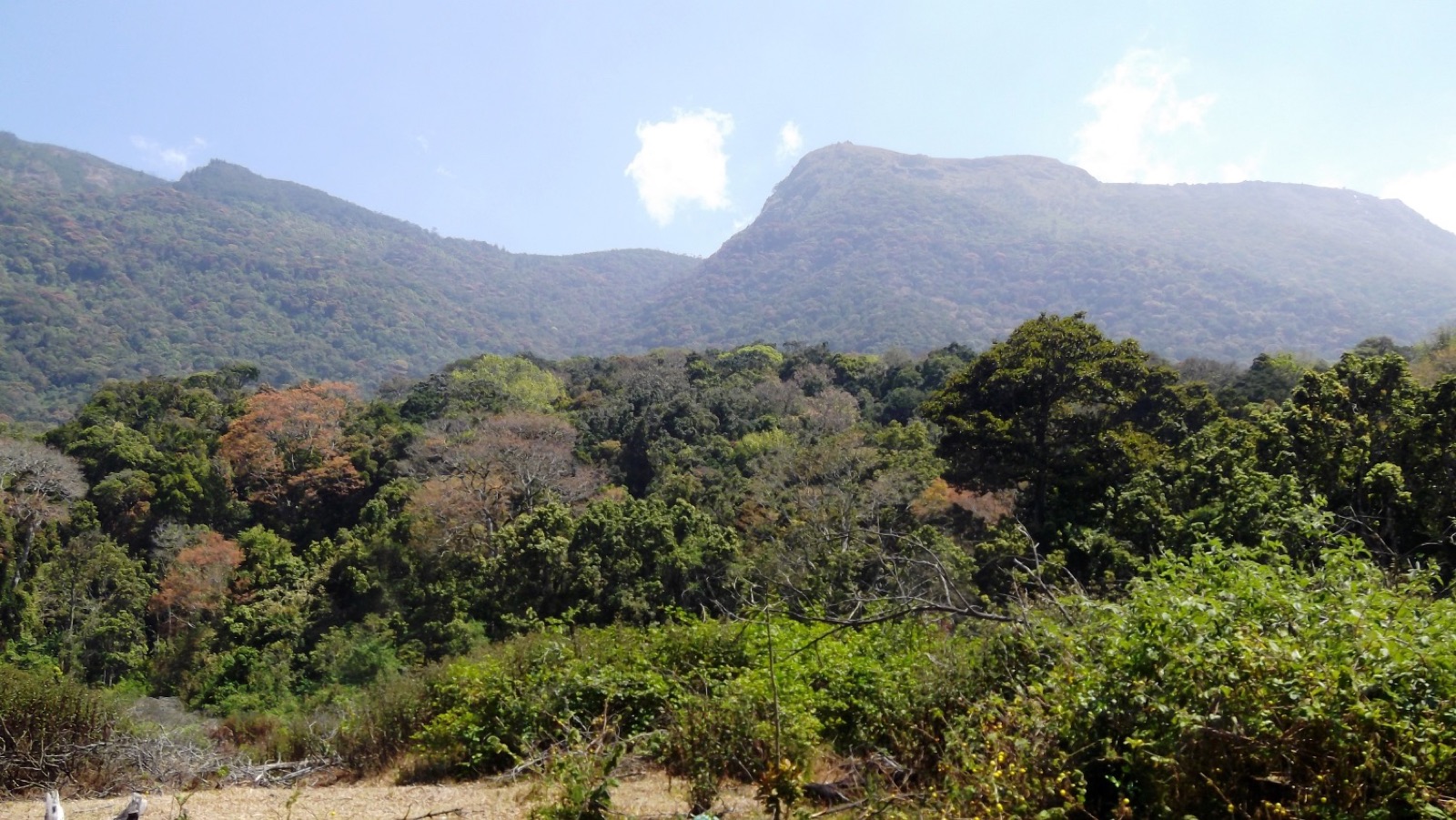
Kanthalloor is a high-altitude farming village in the Devikulam taluk of Idukki district, cradled at roughly 1,525 metres (about 5,000 feet) on the eastern, Tamil-Nadu-facing flank of the Western Ghats. Because the great wall of the ghats wrings most of the moisture out of the monsoon before it reaches here, the village sits in a “virtual rain shadow” — dry, sunlit and startlingly cool — a micro-climate that behaves nothing like the wet, palm-fringed Kerala most visitors picture.
That quirk of geography is the whole story of the place. The thin mountain air and cold nights make Kanthalloor the only village in South India where apples are grown commercially, and the orchards do not stop at apples: oranges, strawberries, blackberries, plums, peaches, gooseberries, passion fruit and even quinces crowd the terraced slopes. Between the fruit trees run neat market-garden beds of cauliflower, cabbage, carrot, beans, potato and garlic — a temperate produce basket found nowhere else in the state, which is why Kanthalloor is fondly nicknamed the fruit bowl of Kerala.
Roughly fifty families tend apple across about a hundred acres, and the rhythm of the year turns on the harvest. From mid-July to the end of August the boughs bend under ripening fruit and day-trippers pour in from Munnar and Tamil Nadu to pluck apples and strawberries straight off the plant. For much of the rest of the year the village keeps a slower, older tempo — one grocer, Ponnamma, has famously traded rice and essentials for farm produce by the barter system since 1962, a living echo of an economy the outside world left behind decades ago.
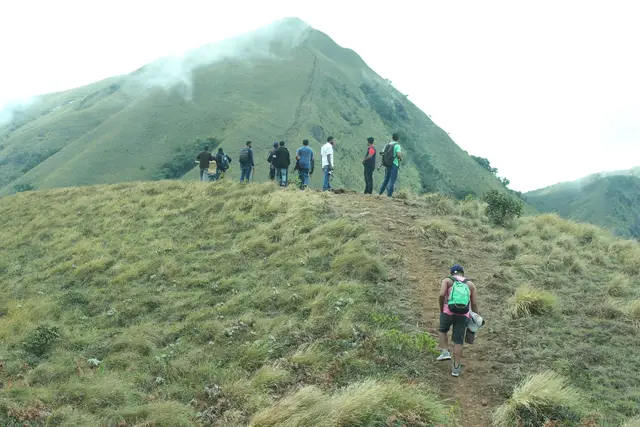
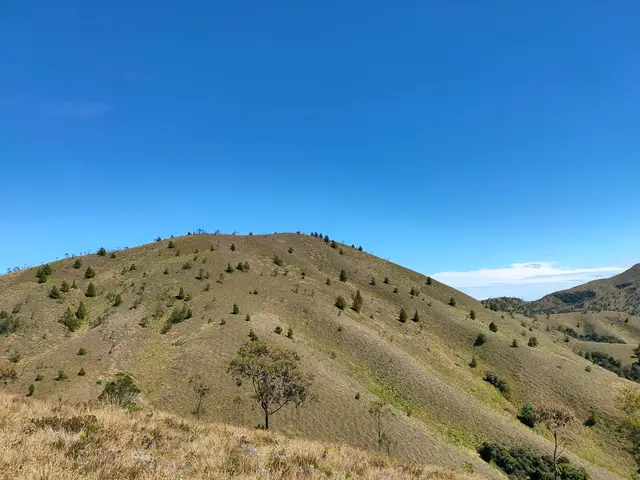
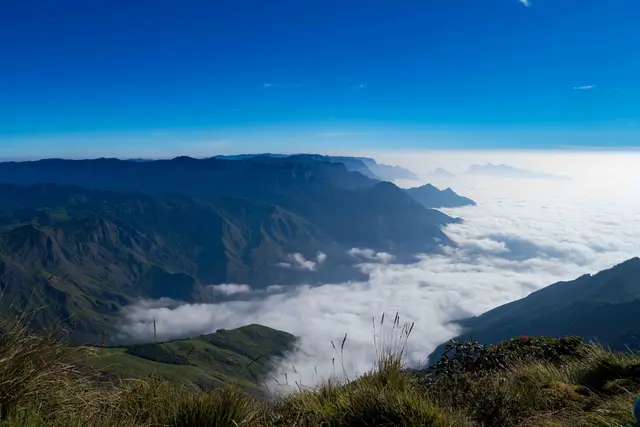
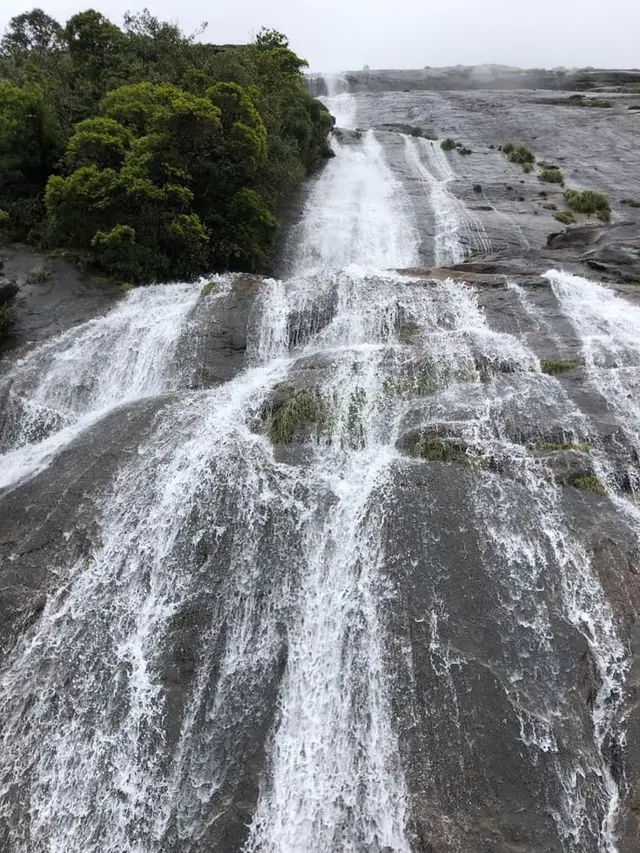
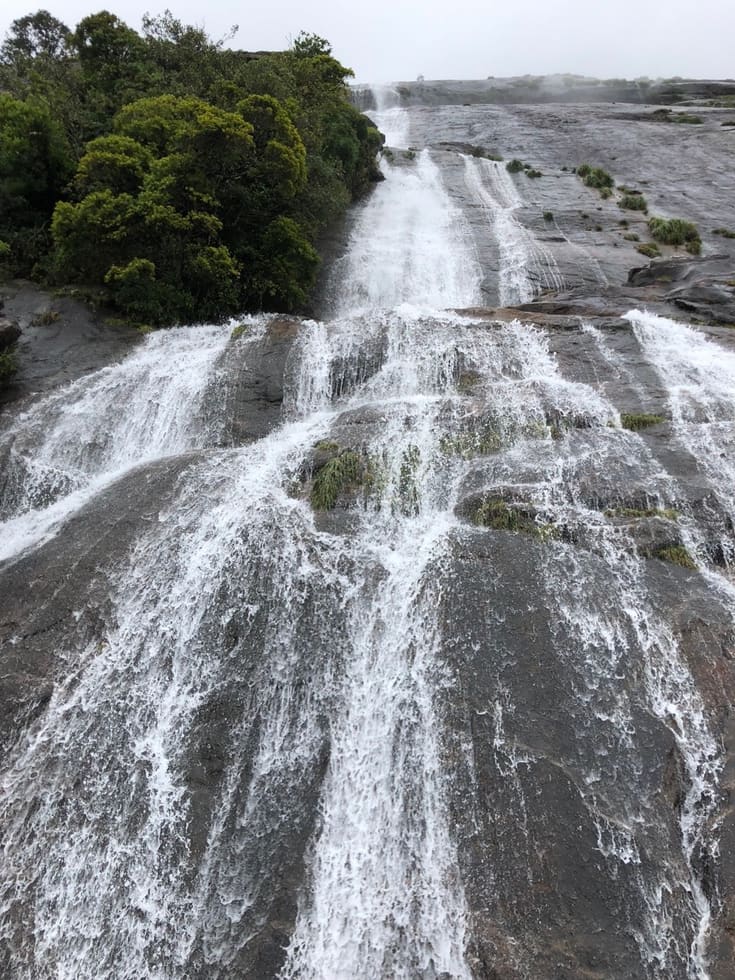
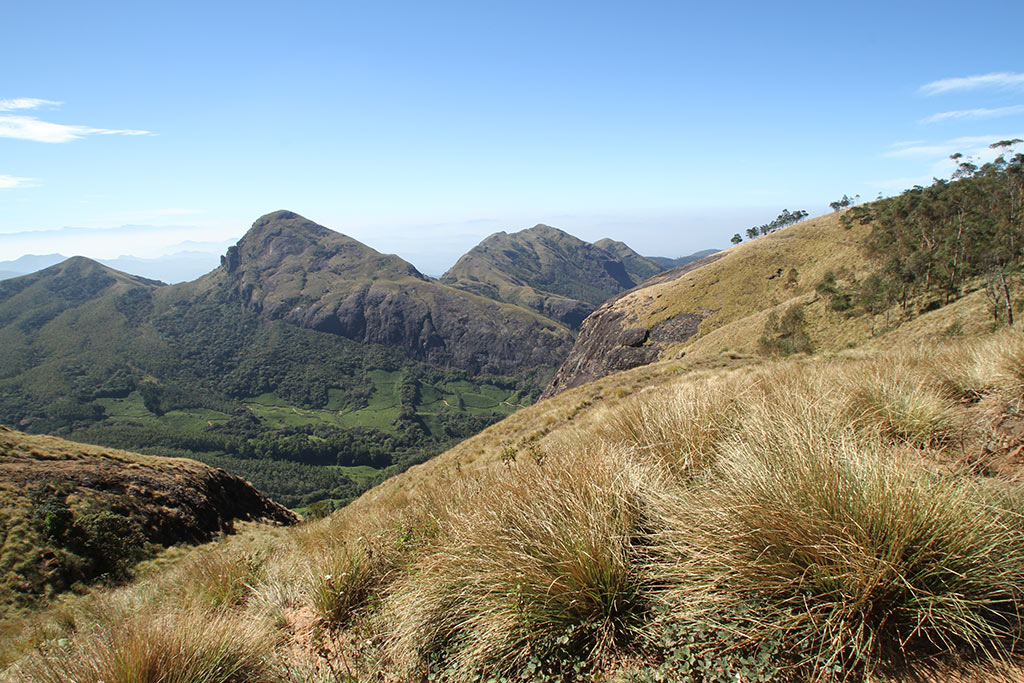
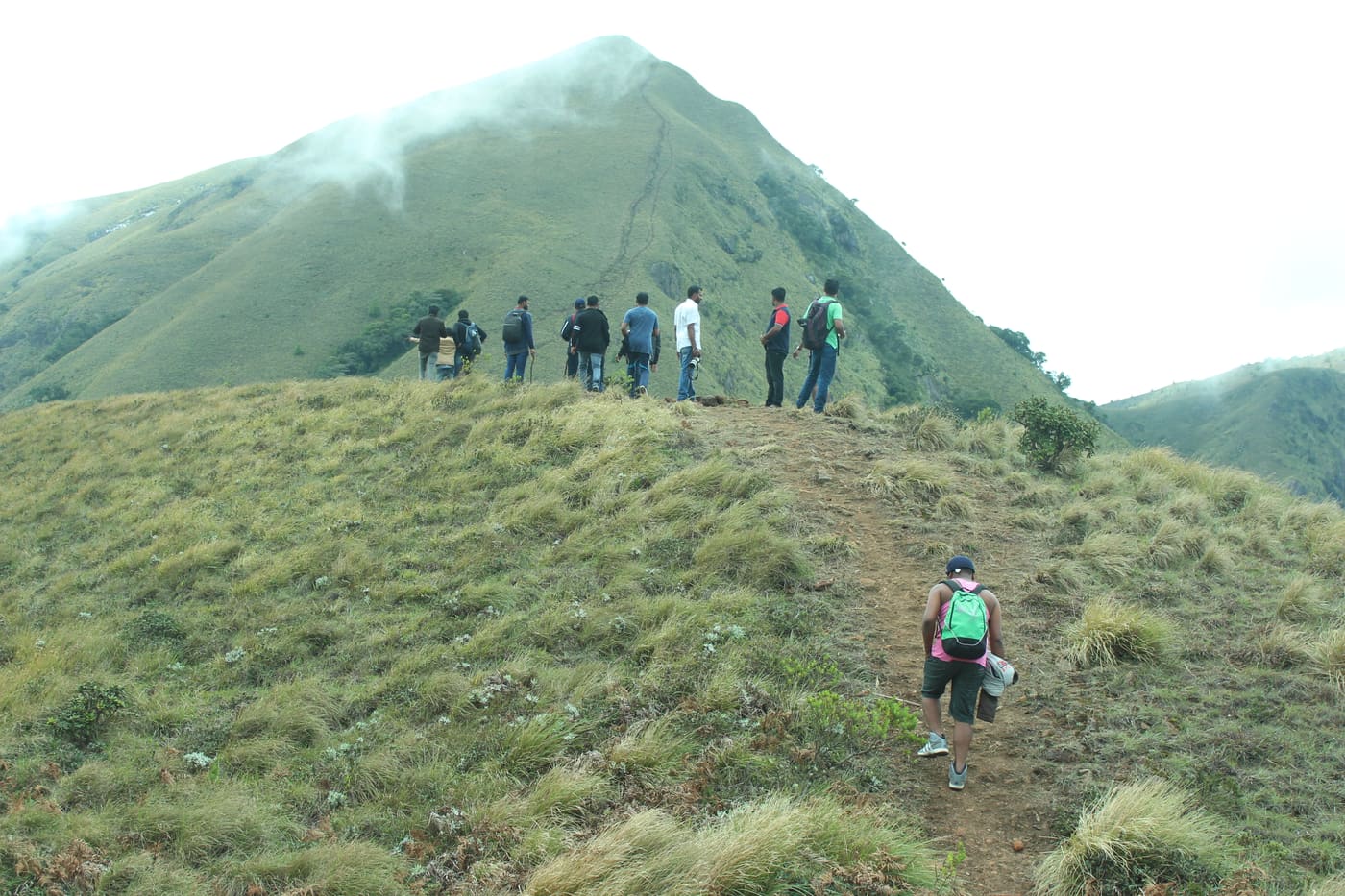
The landscape around the village is layered and dramatic: sugarcane and vegetable terraces give way to Kulachivayal rock outcrops, the Pattisseri (Pambar) dam glints in the valley, and the Erachilpara waterfall — usually just called Kanthalloor Waterfalls — tumbles a short drive out of town. From the Kanthalloor View Point the terraced fields fall away into a patchwork valley that photographs beautifully in the clear morning light.
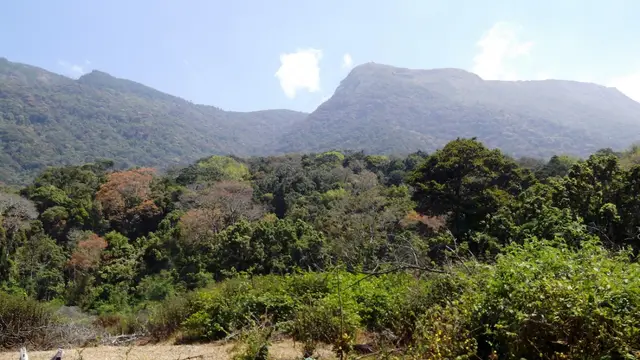
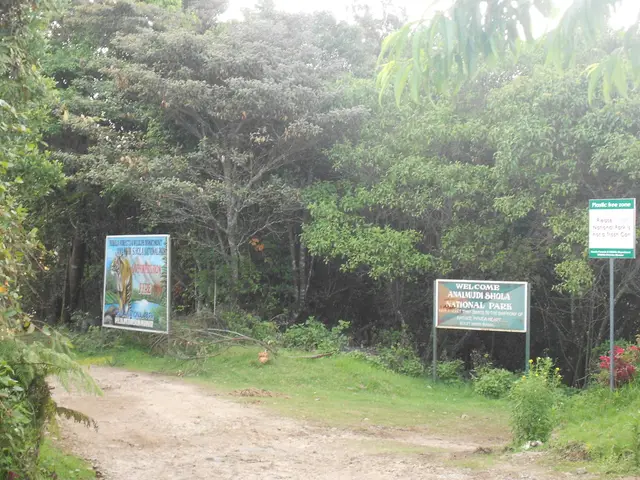
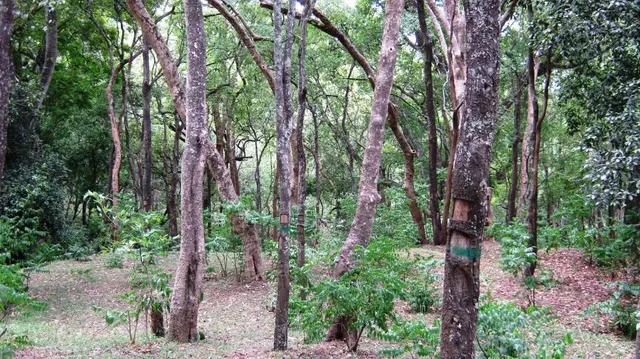
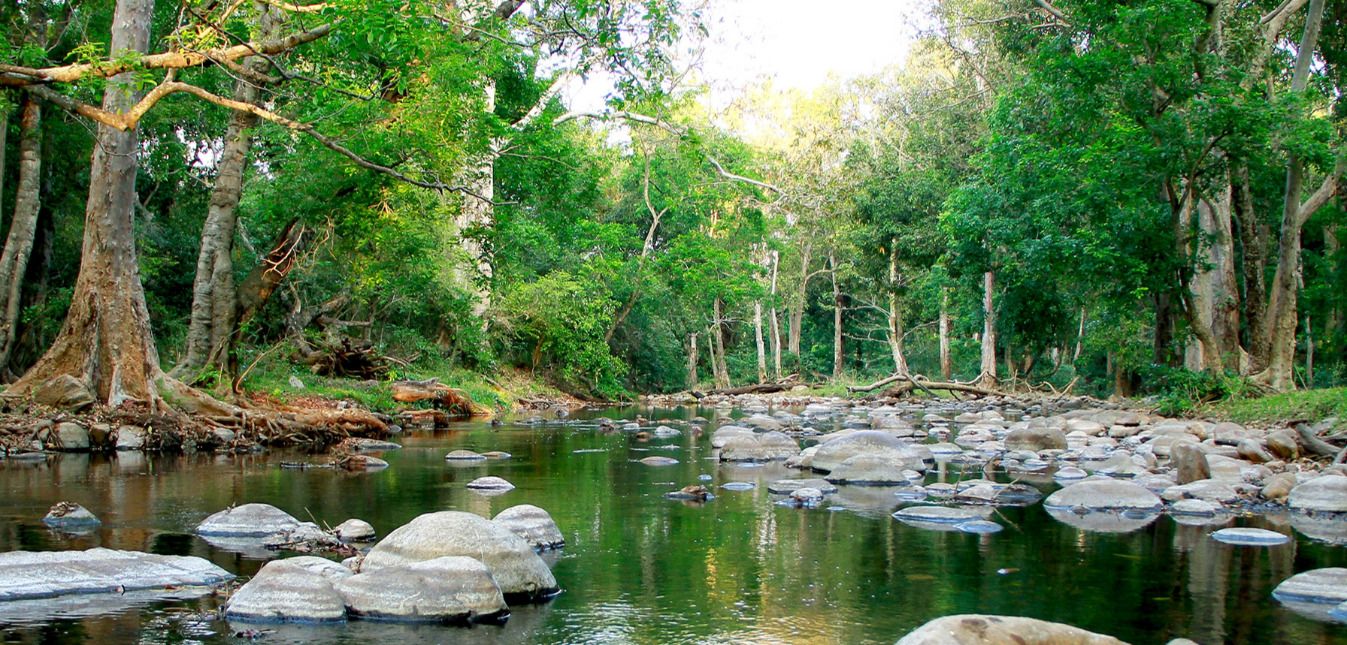
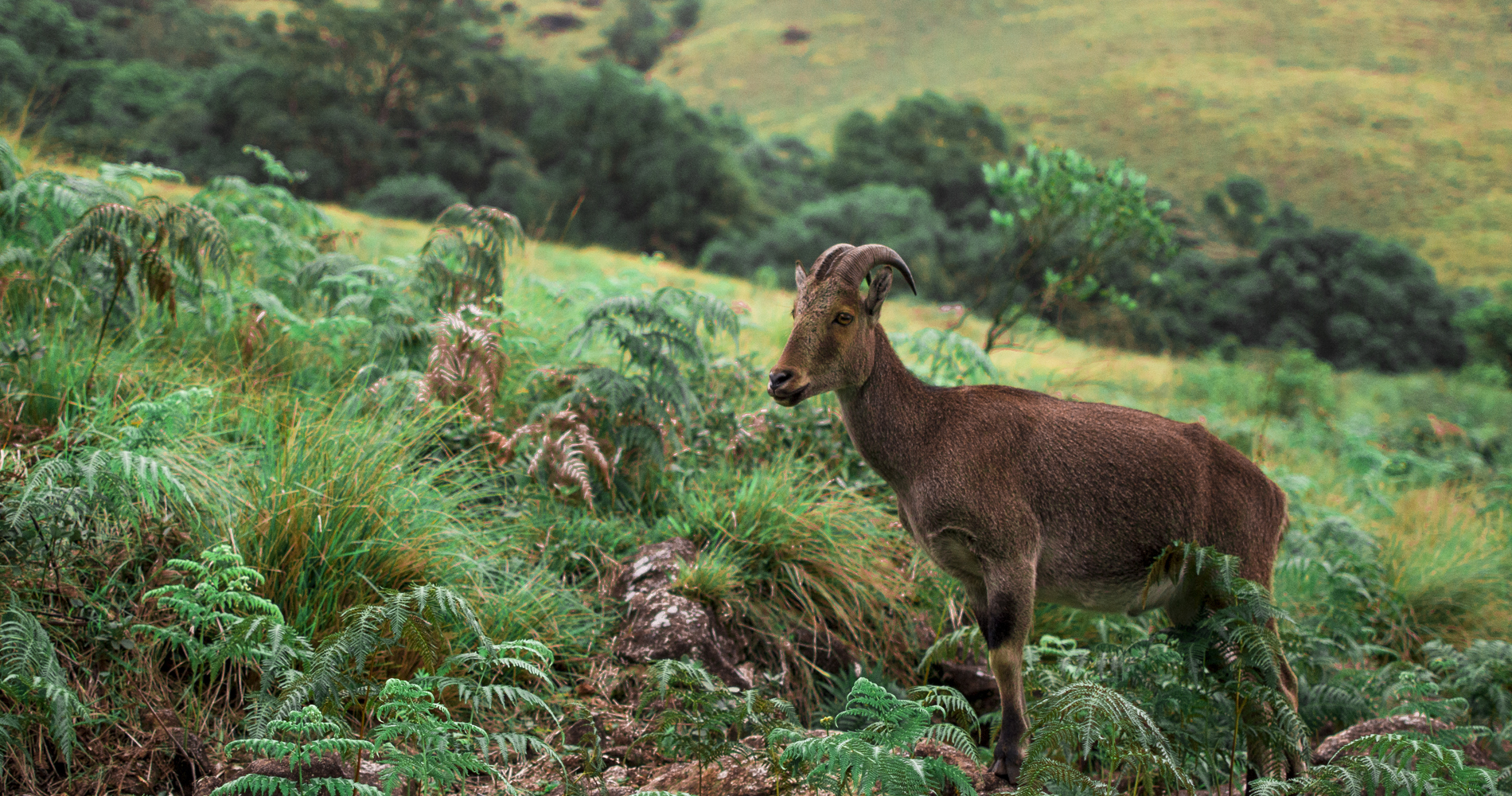
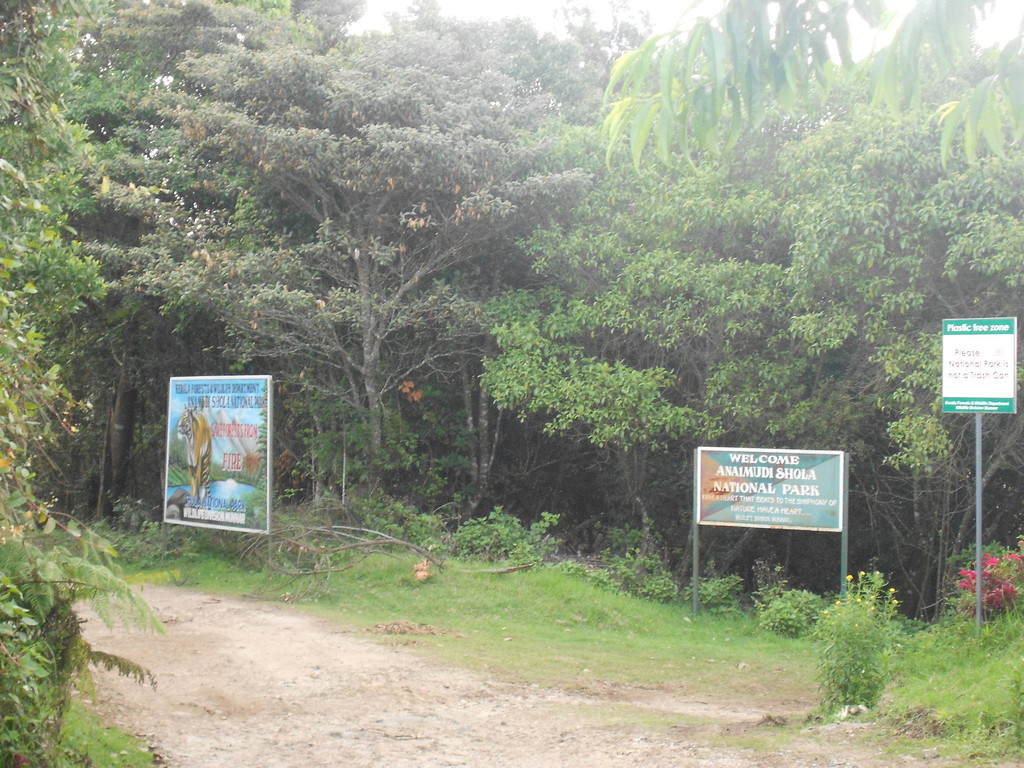
Kanthalloor is also ringed by protected wilderness. It nudges the Anaimudi Shola National Park, and a short drive north lie the dry deciduous forests of the Chinnar Wildlife Sanctuary, the thundering Thoovanam Falls on the Pambar, and the sandalwood reserves and megalithic dolmens of neighbouring Marayoor. This braid of orchards, wildlife and prehistory earned the Kanthalloor Grama Panchayat the national Gold award for the best tourism village in India in 2023, dragging a long-overlooked hamlet firmly onto the traveller map.
Yet for all the new attention, Kanthalloor still feels like a secret. It is remote — reachable only by winding mountain road — sparsely built, and cold enough on winter mornings that frost clings to the crops, a sight almost unimaginable elsewhere in tropical Kerala. That combination of genuine remoteness, temperate farming and postcard scenery is exactly what pulls a growing trickle of slow travellers up the ghats.
Legend & myth
Local tradition ties this stretch of the high ranges to India’s two great epics. It is popularly said that both the Pandavas and Lord Rama and Sita passed through these hills during their long forest exile, and the ancient rock shelters and dolmens scattered around Kanthalloor and Marayoor are pointed to as evidence — some are even claimed to carry wall art echoing scenes from the Ramayana and Mahabharata. A small Sri Rama cave temple in the area keeps the association alive. These are cherished folk beliefs rather than documented history: archaeologists date the megalithic dolmens to a prehistoric burial culture, and the epic connections are best enjoyed as legend woven around genuinely ancient stones.
History
The deepest layer of Kanthalloor’s past is prehistoric. The high plateau around the village and adjoining Marayoor is dotted with muniyaras — megalithic dolmens, four granite slabs roofed by a capstone — that served as burial chambers for a settled culture reckoned to date back roughly two to three thousand years, and by some accounts to the Neolithic. Nearby dwelling caves and faded rock paintings deepen the sense that these cool, defensible uplands were inhabited far earlier than the Kerala lowlands.
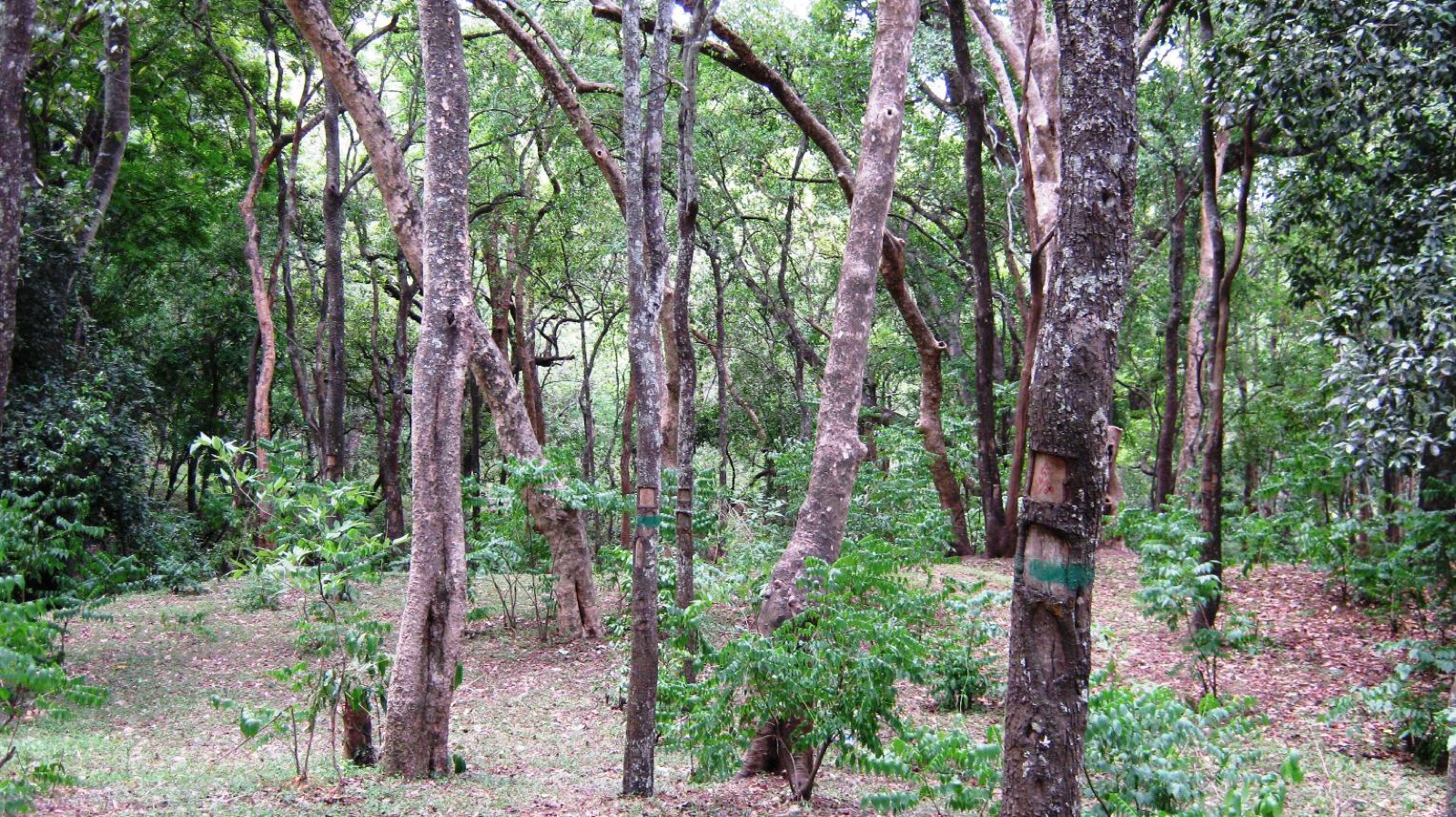
For most of recorded history the area sat on the cultural and physical frontier between the Kerala coast and the Tamil country to the east, its people living by hill agriculture and by tending the prized sandalwood of the Marayoor belt. Tribal communities of the high ranges were the traditional custodians of this landscape long before modern administration reached it, and their presence still shapes the region’s forest reserves and folk memory.
The apples that made Kanthalloor famous are, by contrast, a relatively modern experiment. Farmers realised that the cold, dry rain-shadow climate — so unlike the rest of Kerala — suited temperate fruit, and over the twentieth century built up the orchards of apple, plum, peach and orange that now define the village, alongside the market-garden vegetables that the cool nights favour.
In the 2011 Census the village recorded about 6,758 residents across some 1,778 families, with a literacy rate below the Kerala average — figures that underline how rural and comparatively isolated Kanthalloor remained even in the modern era, sustained chiefly by farming rather than tourism or industry.
Recognition arrived only recently. As the roads improved and word of the “apple village” spread, Kanthalloor was developed as a rural-tourism destination, and in 2023 its grama panchayat won the Union government’s Gold award as India’s best tourism village — a milestone that has begun reshaping the local economy around visitors while the orchards and the old barter shop carry on much as before.
Why visit
Walk through the only commercial apple orchards in South India — and pluck strawberries, oranges, plums and peaches straight off the plant during harvest.
Feel a Kerala you did not know existed: frosty mornings, crisp mountain air and temperate vegetable terraces earning the “Kashmir of Kerala” tag.
Soak up sweeping valley panoramas from the Kanthalloor View Point and the Kulachivayal rocks, with the Pattisseri dam glinting below.
Cool off at the Erachilpara (Kanthalloor) Waterfalls and, a short drive on, the forest-wrapped Thoovanam Falls inside Chinnar.
Step back into prehistory among the megalithic muniyara dolmens and rock art shared with neighbouring Marayoor’s sandalwood forests.
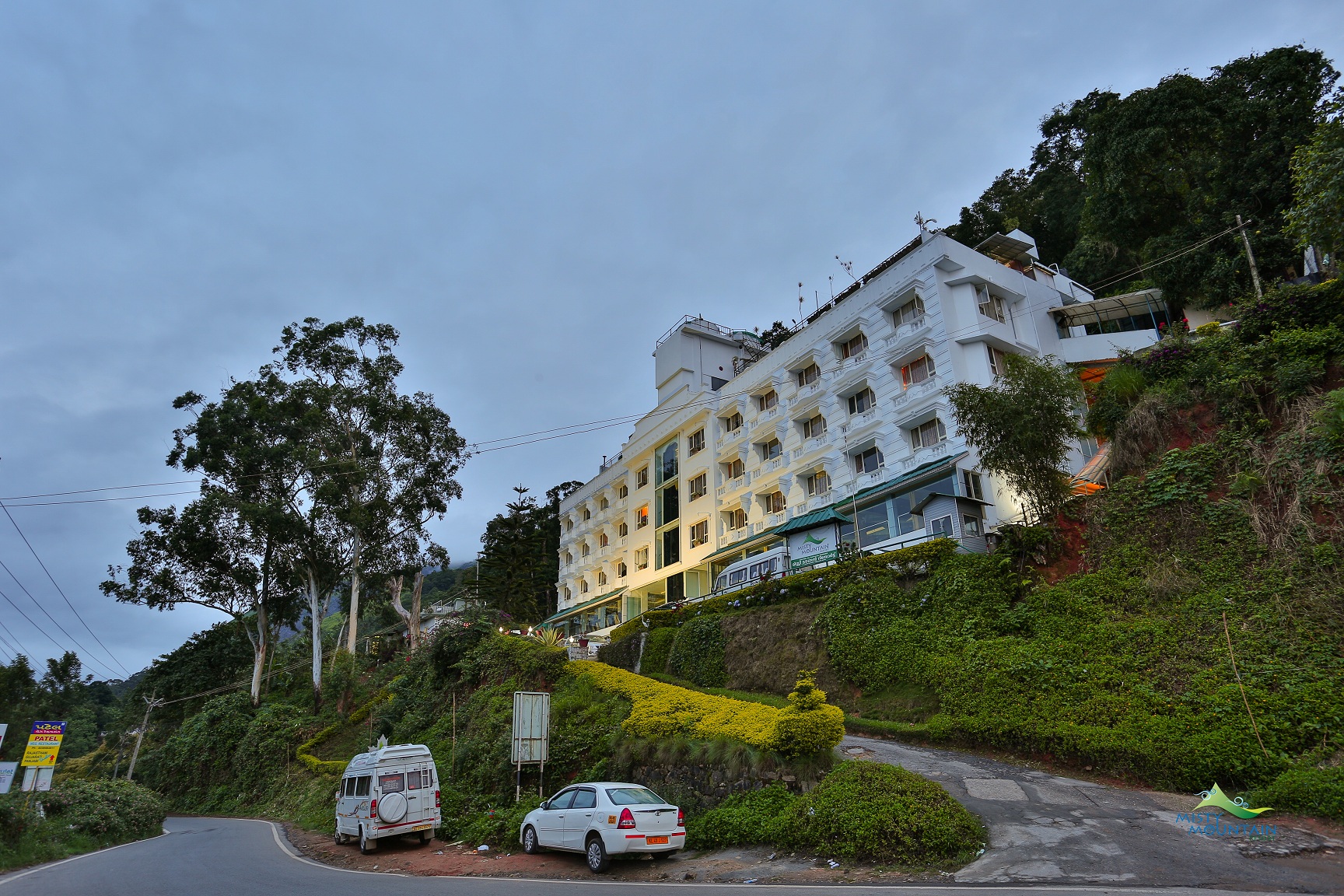
Base yourself in a genuinely off-beat, award-winning tourism village — quieter and more rooted than crowded Munnar, yet an easy add-on to it.