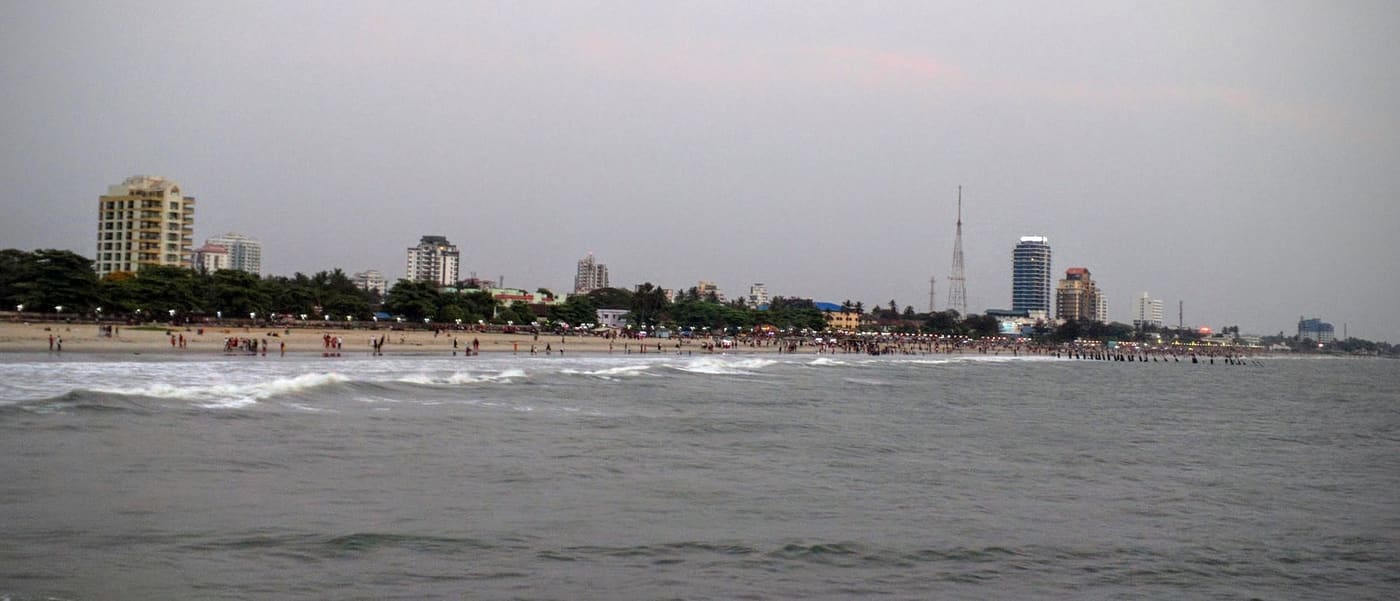
Kappad Beach — known locally as Kappakadavu — is a quiet, history-soaked stretch of the Arabian Sea coast about 16 km north of Kozhikode (Calicut). It is celebrated as the shore where the Portuguese explorer Vasco da Gama is said to have stepped onto Indian soil in 1498, opening the sea route between Europe and India. Rocky outcrops, a broad ribbon of sand and a palm-fringed backwater make it a calmer, less crowded alternative to Kozhikode’s busy city beach.
The story of Kappad Beach
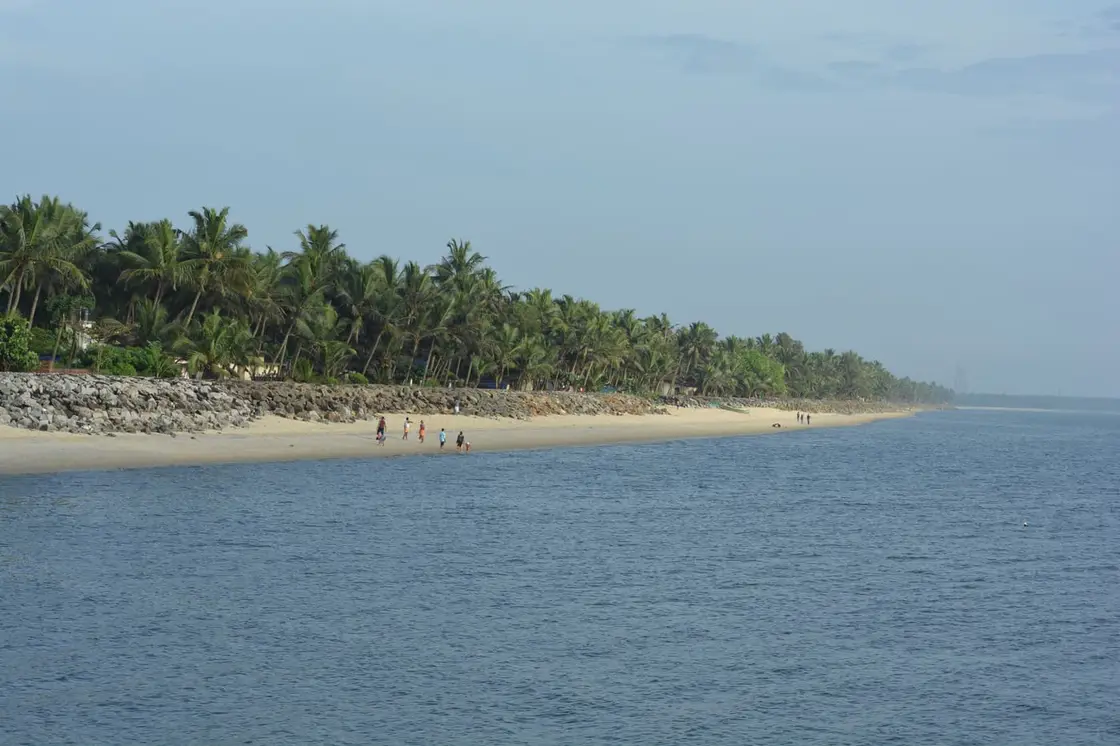
The first thing most visitors notice about Kappad is how gentle it feels. Where many Kerala beaches roar and heave, this one tends to unfold slowly — a wide apron of sand, clusters of dark weathered rock reaching into the shallows, and coconut palms leaning over the shoreline. A simple concrete promenade runs along part of the front, with benches, a small park and a couple of shacks selling tea, fresh coconut water and fried snacks.
The beach sits at the mouth of a backwater, where a river channel meets the sea behind a spit of land. This gives Kappad two very different faces within a short walk: the open Arabian Sea on one side, and the still, green backwater on the other. Country boats and the occasional small craft drift on the calmer water, and the fringing greenery draws egrets, kingfishers and other birds, making it a quietly rewarding spot for slow photography.
The rocks are Kappad’s signature. Rather than a single unbroken sweep of sand, the shore is punctuated by low black boulders that break the waves and create shallow pools at low tide. They make the beach photogenic and give it character, but they also mean swimming is best done with care — the seabed is uneven and currents can be deceptive, so most visitors wade and paddle rather than swim far out.
On a rise near the beach stands an old Devi (goddess) temple, locally believed to be several centuries old, its position on the rock giving fine views over the water. Small shrines, fishing hamlets and a working coastal community surround the beach, so a visit here is as much about watching everyday Malabar life — nets being mended, catch being sorted, families out at dusk — as it is about the sea itself.
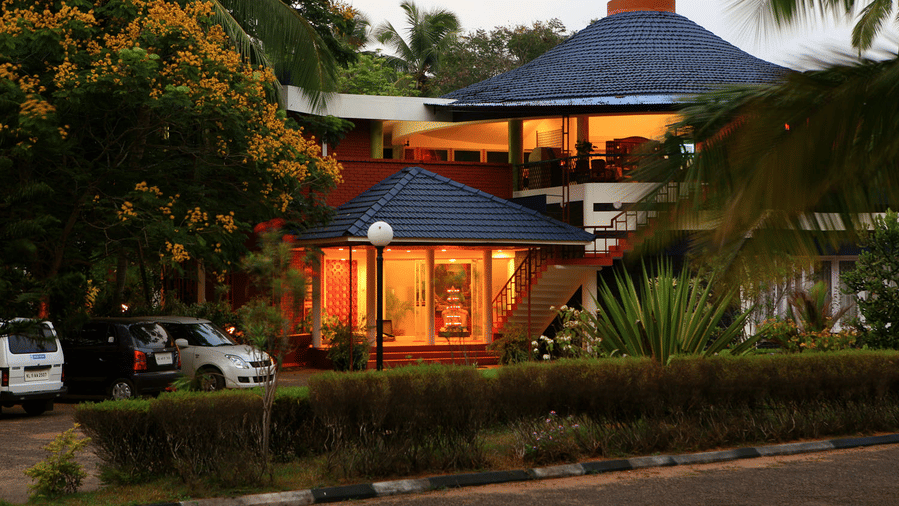
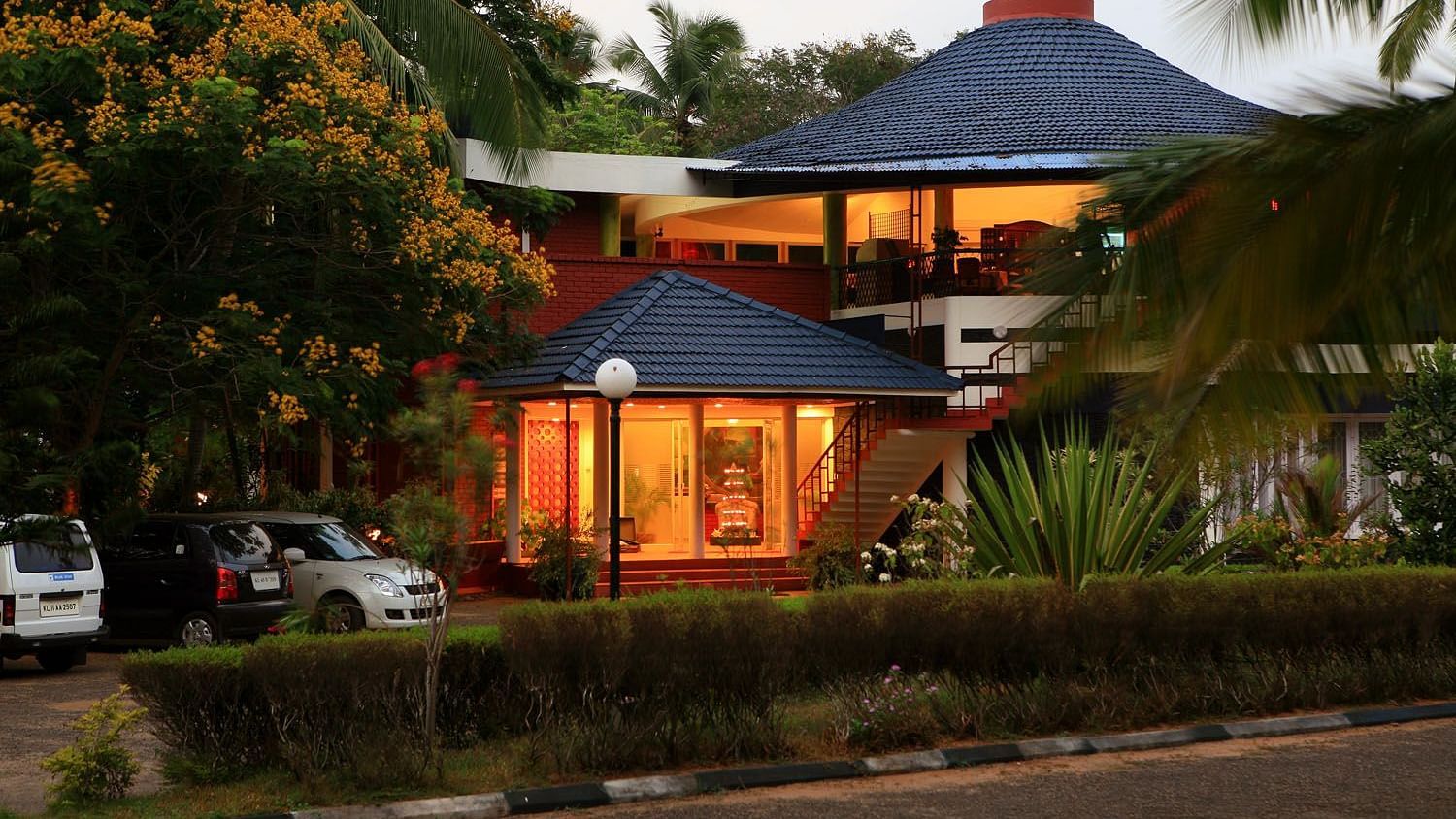
Because Kappad is off the main tourist conveyor belt, it rarely feels crowded on weekdays. Sunset is the golden hour, when the light turns the rocks copper and the whole bay glows; weekends and holidays bring more local families and day-trippers from Kozhikode. There are a few resorts and homestays nearby, but the beach retains an unhurried, small-town Malabar feel rather than a resort-strip atmosphere.
For travellers, Kappad works best as a half-day trip combined with the historical draw: read the commemorative monument, walk the rocks, watch the backwater, and settle in for the sunset. It is a place that rewards a slow pace — history in the sand, birds in the mangroves, and the long horizon of the Arabian Sea that once carried the ships that changed the region’s fortunes.
History
Kappad’s fame rests on a single, world-changing moment. On 20 May 1498, the Portuguese navigator Vasco da Gama is recorded as having reached the coast near Calicut (Kozhikode) after sailing around the Cape of Good Hope, becoming the first European to reach India by sea. Local tradition and an official memorial hold that his landing point was here at Kappakadavu, and a stone monument on the beach carries the inscription, “Vasco da Gama landed here, Kappakadavu, in the year 1498.”
The voyage mattered because it broke open the spice trade. For centuries, pepper, cardamom, cinnamon and other spices from the Malabar coast had reached Europe only through long chains of Arab and Venetian middlemen. By finding a direct sea route, the Portuguese could bypass those intermediaries — and Calicut, ruled by the powerful Hindu monarch known as the Zamorin (Samoothiri), was already one of the greatest spice-trading ports in the Indian Ocean, a cosmopolitan hub where Arab, Chinese and Indian merchants had long done business.
Da Gama was received by the Zamorin, but the meeting was uneasy: the modest gifts the Portuguese offered were unimpressive by the standards of a wealthy court, and established Arab traders had little reason to welcome a rival. Even so, the contact set in motion a long and often violent chapter of European involvement on the Malabar coast — repeated Portuguese voyages, fortified trading posts, and eventually a scramble among European powers that reshaped the politics and economy of the whole region.
It is worth noting honestly that historians debate the exact landing spot. The respected Kerala historian M. G. S. Narayanan and others have argued that da Gama most likely came ashore not at Kappad but at Panthalayini (Pantalayini Kollam) near Koyilandy, which had an established port at the time, whereas Kappad did not. The Kappad monument reflects long-held local tradition rather than settled historical certainty, and visitors will often hear both versions told.
In more recent times the beach was developed as a heritage tourism site: a beautification programme in the 2000s added a promenade, park, seating, restrooms and refreshment facilities, turning what was a quiet fishing shore into a recognised stop on the Malabar trail. Today Kappad is valued both as a pleasant, low-key beach and as a symbol of the moment the Age of Exploration reached the shores of India.
Why visit
Stand where the sea route to India began — few beaches anywhere carry a historical weight to match the Vasco da Gama landing, marked here by a simple commemorative monument.
Enjoy a calmer, less commercialised beach than the city front at Kozhikode — Kappad stays uncrowded on most weekdays and keeps an unhurried Malabar character.
Photograph the distinctive rocky shoreline, where black boulders, tide pools and leaning palms make for far more interesting compositions than a flat sand strip.
Explore two waterscapes in one visit — the open Arabian Sea and the quiet, bird-rich backwater lying just behind the beach.
Catch one of the coast’s finest sunsets, when low light sets the rocks and the whole bay glowing over the horizon.
Combine history, a hilltop Devi temple, fresh Malabar seafood and everyday fishing-village life in a single easy half-day trip from Kozhikode.