The story
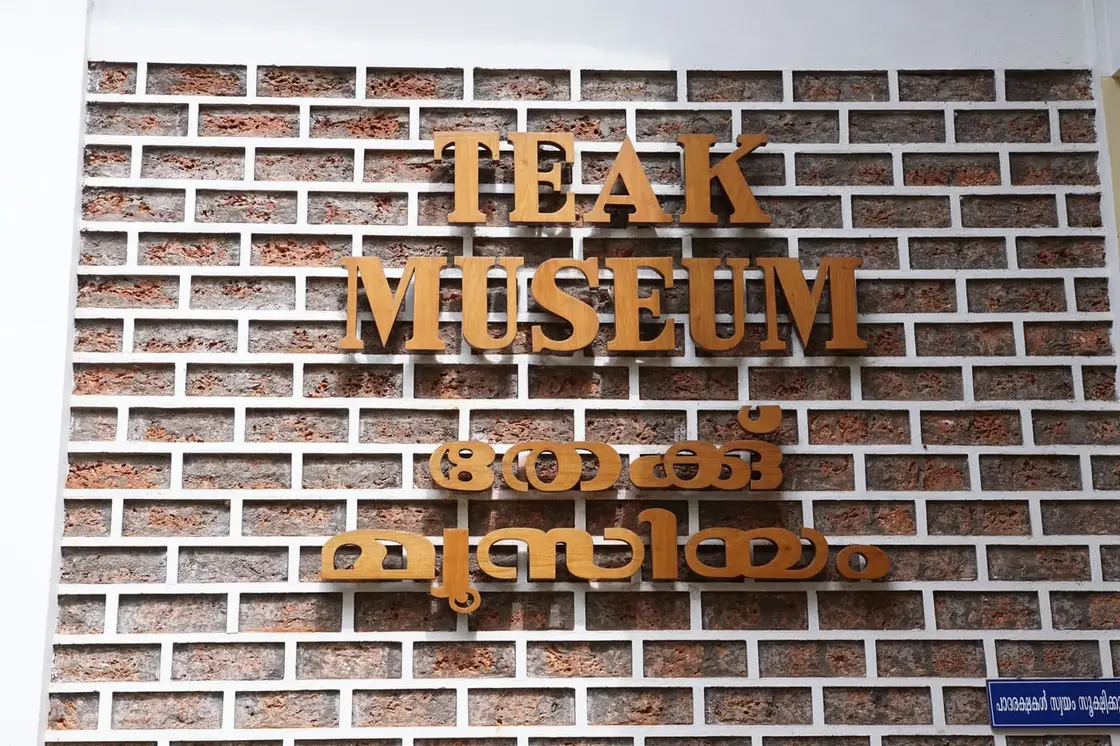
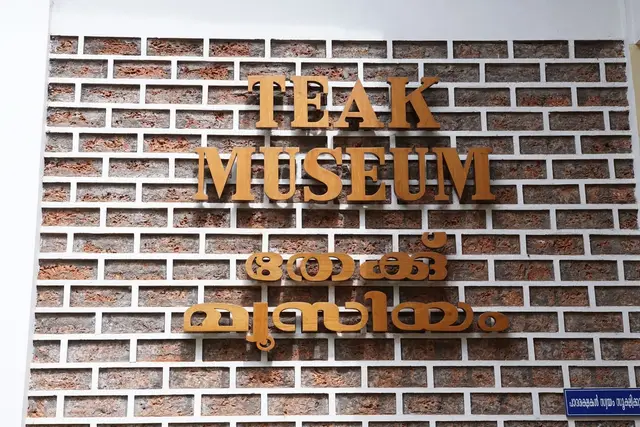
The world's first museum devoted entirely to a single tree, the Nilambur Teak Museum sits amid the teak country of Malappuram, telling the sweeping story of the timber that built ships, palaces and empires — and of Nilambur's Conolly's Plot, the oldest surviving teak plantation on earth.
The story of Nilambur Teak Museum
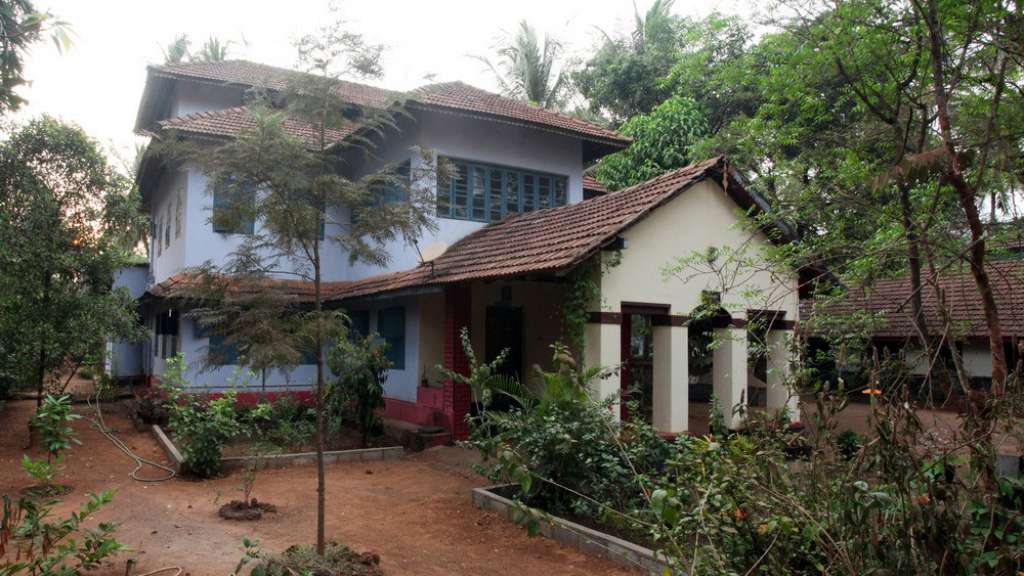
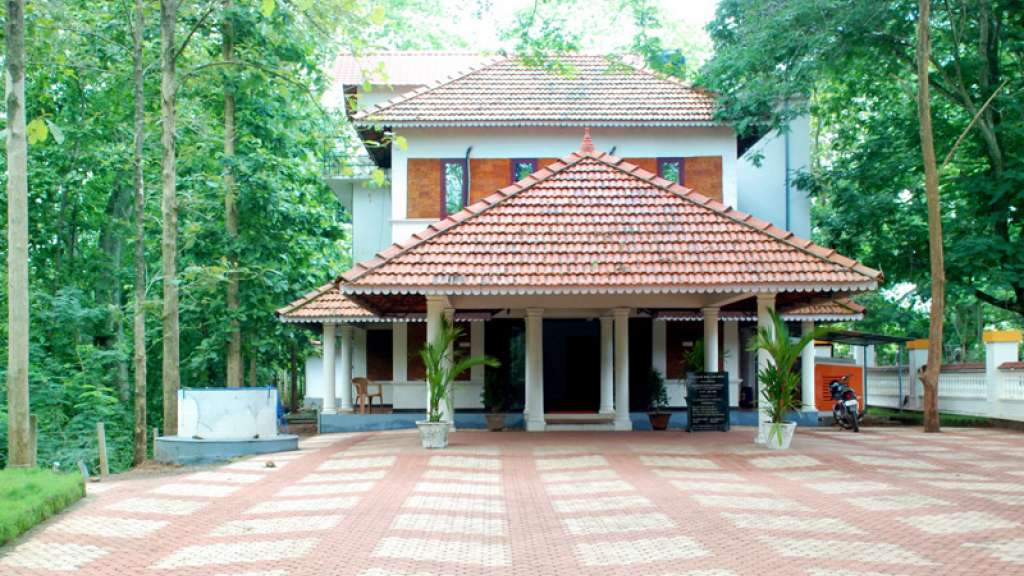
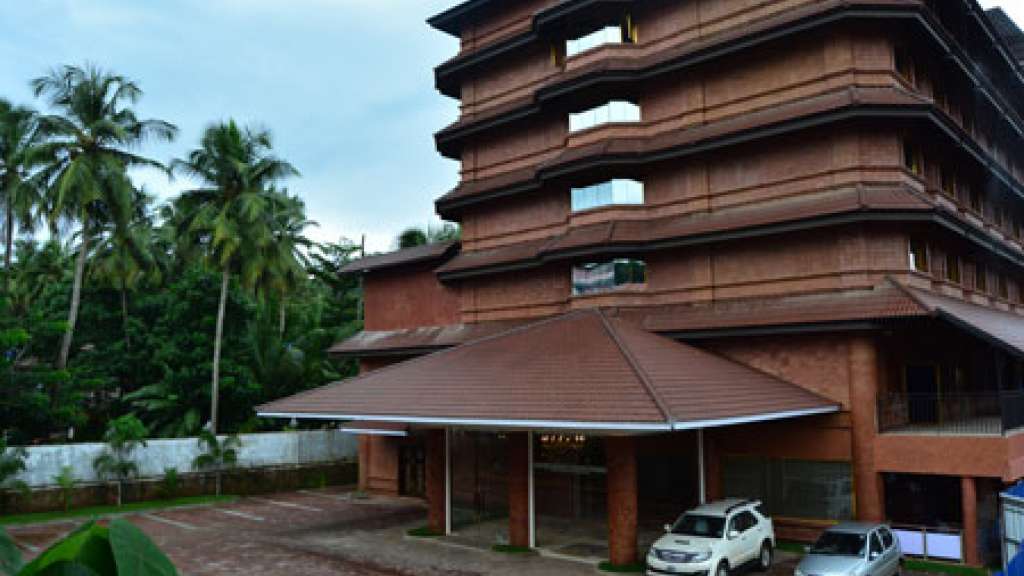
There is something quietly astonishing about a whole museum built around one tree. Yet teak is no ordinary tree, and Nilambur is no ordinary place. Set roughly four kilometres from Nilambur town on the road towards Gudalur, the Teak Museum rises as a two-storey building on the campus of a Sub Centre of the Kerala Forest Research Institute (KFRI), cradled by the very plantations that made this corner of Malabar famous across the shipyards and drawing rooms of the world. Opened in 1995, it remains the first museum of its kind anywhere on the planet.
The moment you step inside you understand the ambition. This is not a dusty cabinet of timber offcuts but a considered journey through the history, science, culture, art and economics of teak — Tectona grandis, the golden-brown hardwood whose durability and beauty made it the timber of choice for everything from ocean-going vessels to temple pillars. The ground floor leans into the historic and the aesthetic; the first floor into the scientific. Together they turn what could be a dry subject into a genuinely absorbing couple of hours.
On the ground floor, a life-size replica of the trunk of one of the largest known teak specimens looms over visitors, alongside a translite (a backlit transparency) of the celebrated Kannimara teak, one of the oldest and grandest living teak trees. Nearby stands the enormous stump of a teak said to be around 480 years old, its dense concentric rings a diary of five centuries of monsoons. A miniature model of the traditional Uru — the great wooden sailing dhow crafted from teak on the Malabar coast — hints at the maritime trade that teak quietly powered for generations.
Climb to the first floor and the mood shifts from reverence to curiosity. Here the exhibits explain how teak actually lives and is grown: seeds and germination, natural regeneration, tissue culture, clonal propagation and the long rotation cycle that carries a tree from a fingernail-sized seed to a towering harvest-ready giant. A cabinet of more than 300 butterflies, moths and insects collected from teak plantations reminds you that a plantation is also an ecosystem, humming with life among the straight grey trunks.
What lifts the museum above mere display is its rootedness in the landscape outside the door. A translite of a giant tree from Conolly's Plot — the oldest teak plantation in the world, just down the road — lets visitors picture the plantation work begun here in the 1840s. There is a world-class research library, a mini auditorium, and an interactive touch-screen Teak Information System for those who want to dig deeper. It is a place that manages to be scholarly and welcoming at once.
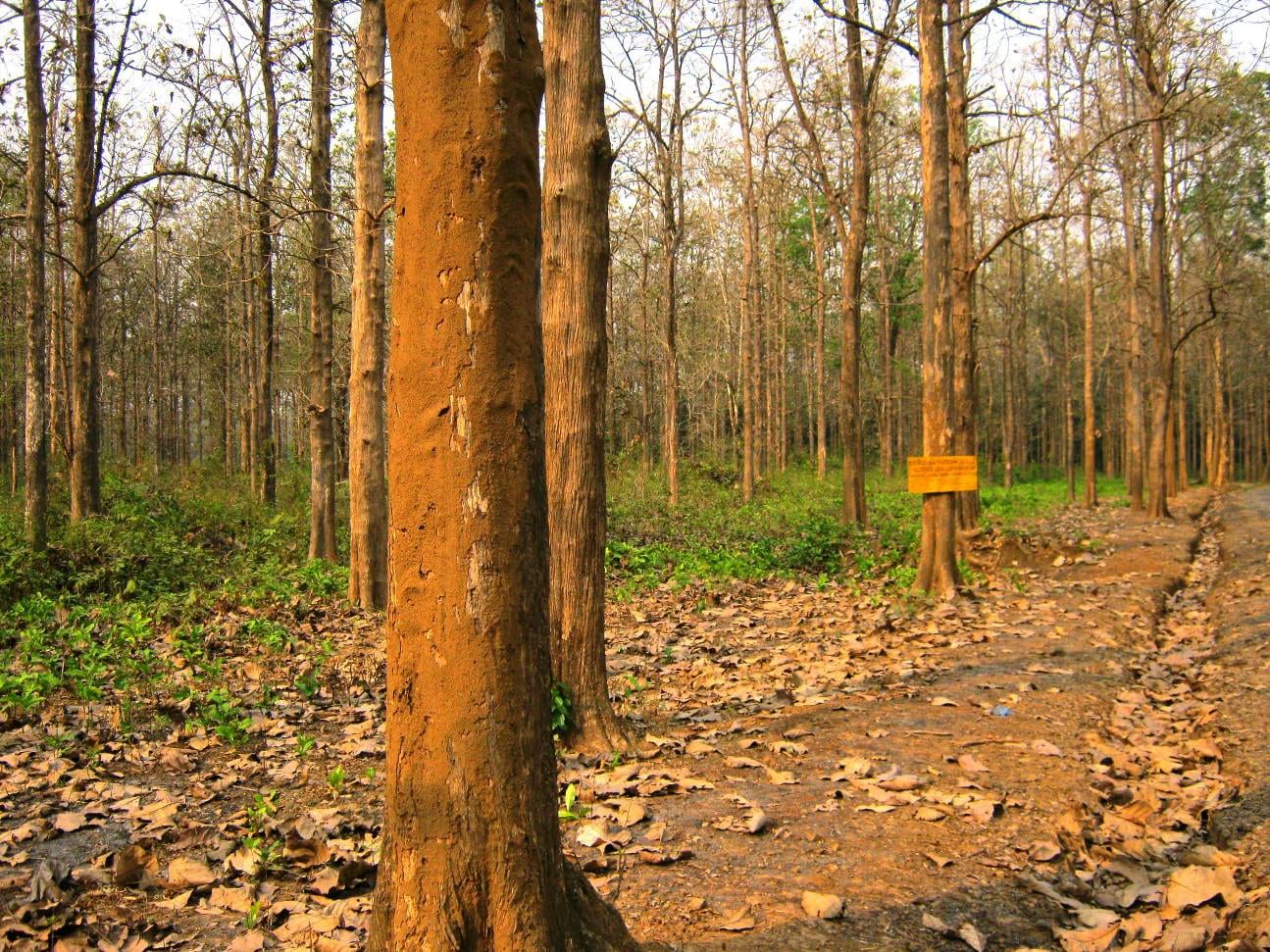
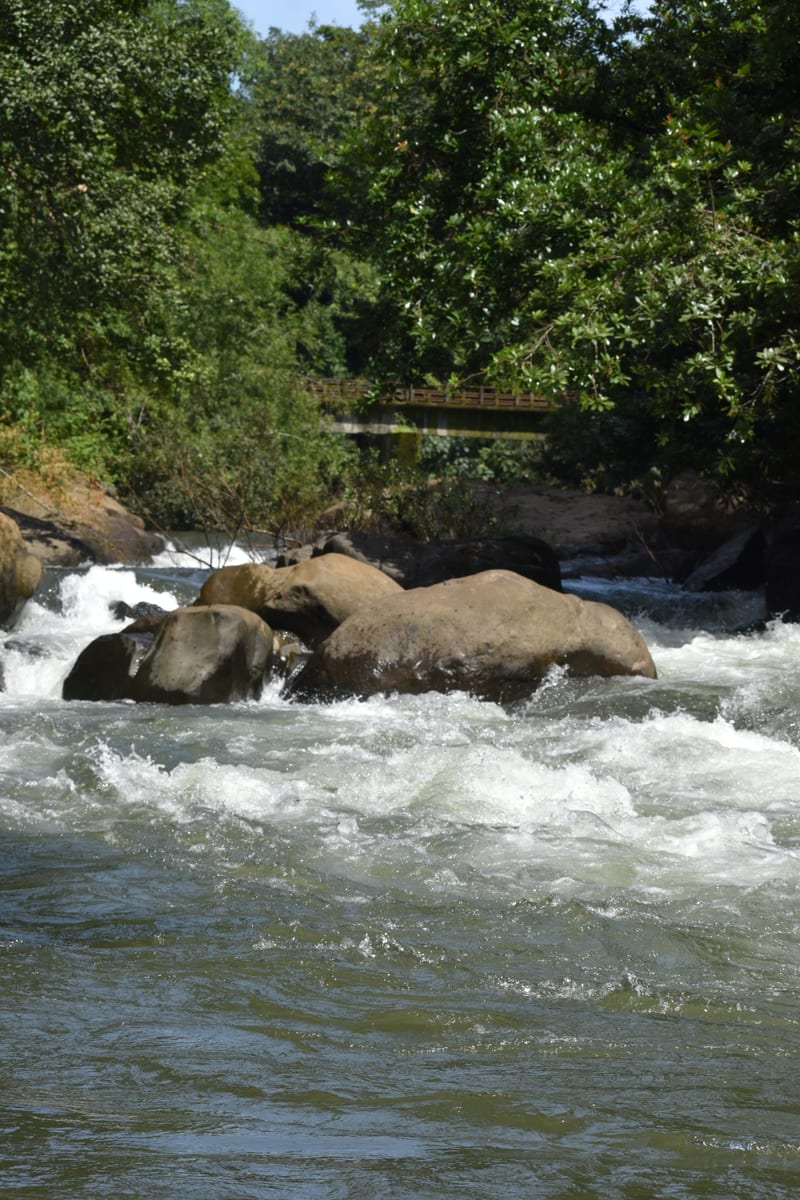
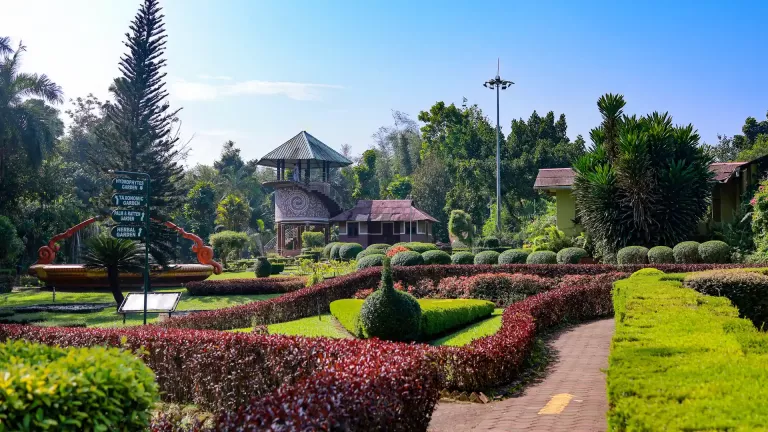
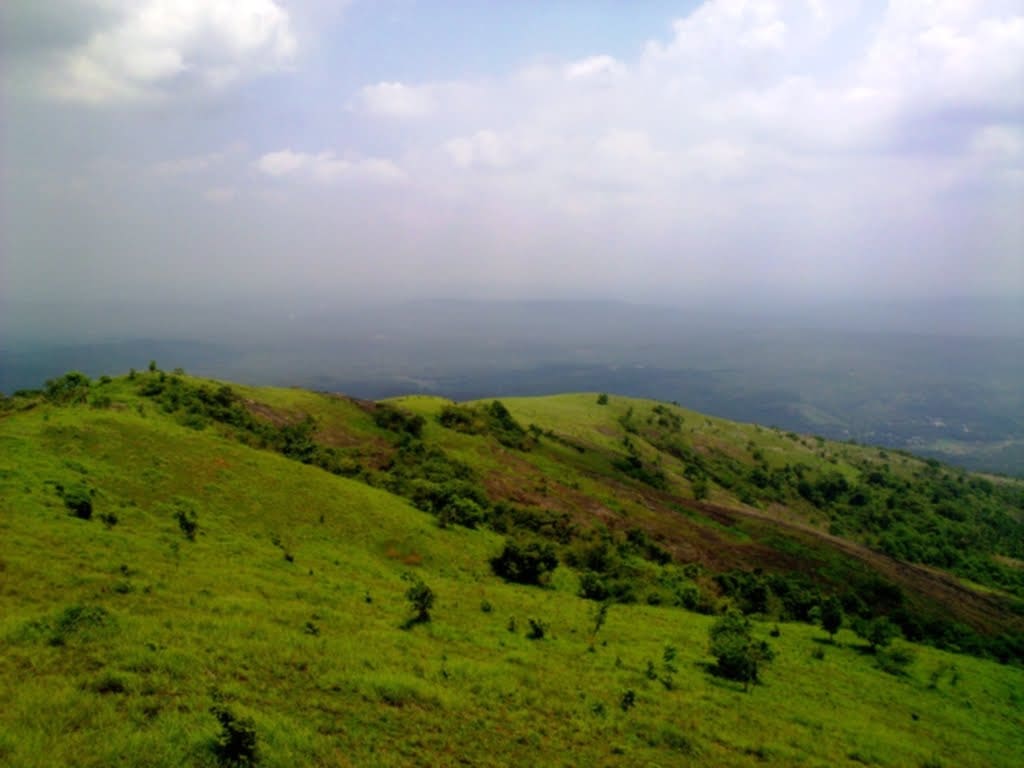
Step back outside and the story continues in three dimensions. The museum shares its setting with a bio-resources nature park, and the surrounding Nilambur teak country — hills striped with plantation rows, the Chaliyar river threading through — makes the whole visit feel less like a museum trip and more like an introduction to a living, working forest heritage. For anyone who has ever admired a piece of teak furniture, this is where the tree finally tells its own tale.
Legend & myth
The museum prominently displays a translite of the famous Kannimara teak — a giant tree associated with a much-loved piece of forest folklore. As legend has it, the tree earned its name from Kanni, meaning virgin or maiden: the story goes that when a contractor once raised his axe to fell it, the trunk bled a red, blood-like sap and misfortune struck the man, so the great tree was spared and left standing as a sacred survivor. It is a tale told as legend rather than fact, but it captures the awe that Kerala's forest communities have long felt towards these ancient giants — an awe the museum gently passes on to its visitors.
History
Nilambur's fame rests on a single, world-changing experiment in forestry. In the first half of the 19th century, British demand for teak — above all for shipbuilding and, later, railway sleepers — was stripping Malabar's natural forests faster than they could recover. Henry Valentine Conolly, who served as the Collector of Malabar from 1841 to 1855, recognised that the only sustainable answer was to grow teak deliberately, in managed plantations, rather than simply plunder wild stands.
Early attempts to raise teak from seed failed repeatedly. The breakthrough came through Chathu Menon, the sub-conservator who devised a practical method of germination — reportedly boiling and pre-treating the seeds and nurturing the young saplings before planting them out. Working under Conolly's direction, Chathu Menon established the first systematic teak plantation at Nilambur in the mid-1840s (commonly dated to 1846, with some records placing the earliest planting around 1842 to 1844). This was the birth of scientific, planned forestry in India.
That original plantation survives as Conolly's Plot, near Vadapuram on the banks of the Chaliyar, and is celebrated as the oldest teak plantation in the world. It once spread across roughly 1,500 acres; a large share was harvested during the Second World War to meet Allied timber demands, and the historic core — around 5.7 acres — was formally preserved as a research area in 1993. It shelters the plot's oldest surviving teak, known as Kannimari, and holds the remains of Chathu Menon, whose ingenuity made the whole endeavour possible. Conolly himself did not live to see his forests mature — he was killed at Calicut in 1855.
The teak of Nilambur went on to shape the region far beyond the forest edge. To carry these prized logs out to the coast and the wider world, the British built the Shoranur–Nilambur railway line, terminating at Nilambur Road station — a route laid down largely to move Nilambur teak. In this sense the plantations reordered the landscape, the economy and even the transport map of Malabar.
It was against this deep backdrop that KFRI opened the Teak Museum in 1995 on its Nilambur Sub Centre campus — the first teak museum anywhere in the world. Its purpose is to gather and share knowledge on the history, cultivation, management, utilisation and socio-economics of teak, and to honour the extraordinary 1840s experiment that unfolded just a couple of kilometres away at Conolly's Plot.
Why visit
It is the first and only museum of its kind in the world dedicated wholly to teak — a genuine one-of-a-kind attraction rather than a generic gallery.
The exhibits are memorable and tactile: a life-size giant teak trunk replica, the roughly 480-year-old teak stump with its centuries of growth rings, and a translite of the celebrated Kannimara teak.
It is the ideal companion to Conolly's Plot just down the road — see the world's oldest teak plantation, then understand its full story indoors, or vice versa.
Run by the Kerala Forest Research Institute, the content is authoritative and educational, covering seeds, tissue culture, clonal propagation and the whole life cycle of a plantation tree.
It works well for families and curious travellers alike — the collection of 300-plus butterflies, moths and insects and the interactive touch-screen Teak Information System keep children and adults engaged.
The setting is lovely: an unhurried, green campus with an adjoining bio-resources nature park, deep in the heart of Nilambur's atmospheric teak country.