The story
Aranmula is a heritage temple village strung along the green banks of the Pamba river in Pathanamthitta district, where three of Kerala’s most storied traditions meet in one place — the ancient Parthasarathy Temple that honours Krishna as Arjuna’s charioteer, the thunderous Uthrattathi Vallamkali snake-boat regatta, and the mirror-bright Aranmula Kannadi, a metal looking-glass made nowhere else on earth.
The story of Aranmula
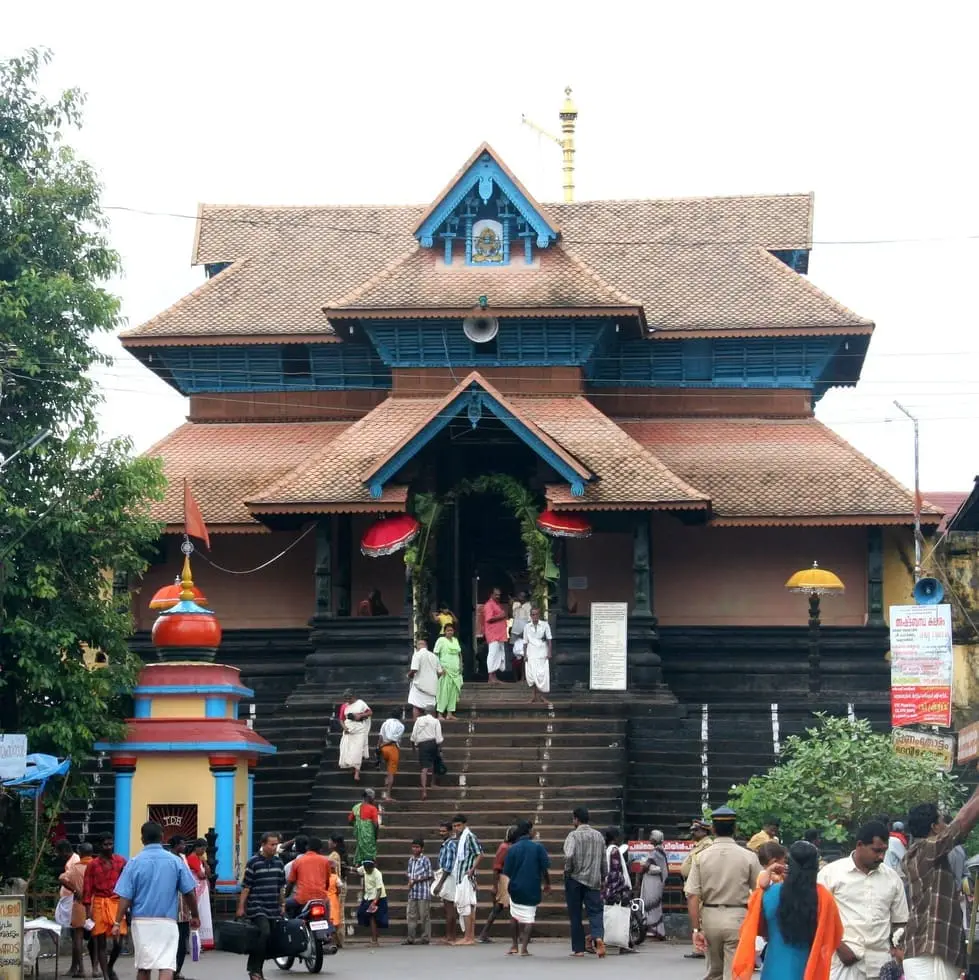
Few Kerala villages carry as much myth, craft and river-song in one bend of water as Aranmula. The Pamba slides past quietly here, and along its southern bank rises the Aranmula Sree Parthasarathy Temple — one of the 108 Divya Desams, the sacred abodes of Vishnu hymned by the Alvar poet-saints. The deity is Krishna, but worshipped in a very particular guise: Parthasarathy, the charioteer of Partha (Arjuna) who steered the prince through the Kurukshetra war and delivered the Bhagavad Gita on the battlefield. To stand before the sanctum is to stand before the friend-and-guide of the Mahabharata rather than the flute-playing cowherd of Vrindavan.
The temple sits within a broader sacred landscape. The Pamba is Kerala’s own holy river, and Aranmula is one of the ancient shrines woven into the Sabarimala pilgrimage geography — the temple is the custodian of the Thiruvabharanam, the sacred ornaments of Lord Ayyappan, which are carried in solemn procession to Sabarimala each Mandala season. That link places Aranmula on the spiritual map of millions of pilgrims, even those who never pause at its gopuram.
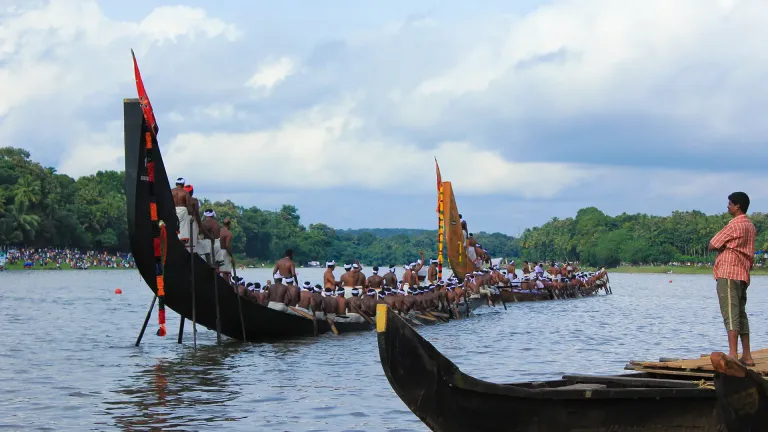
But the village’s fame travels far beyond the temple walls. On the Uthrattathi asterism during the Onam season, the Pamba erupts into the Aranmula Uthrattathi Vallamkali — a snake-boat spectacle unlike the sporting regattas elsewhere in Kerala. Here the long boats are called palliyodams, revered as the personal vessels of Lord Krishna, and the event is fundamentally a temple offering rather than a race for trophies. Crews in white mundus stand and row in rhythm to vanchippattu boat-songs, the water churning silver under a wall of sound.
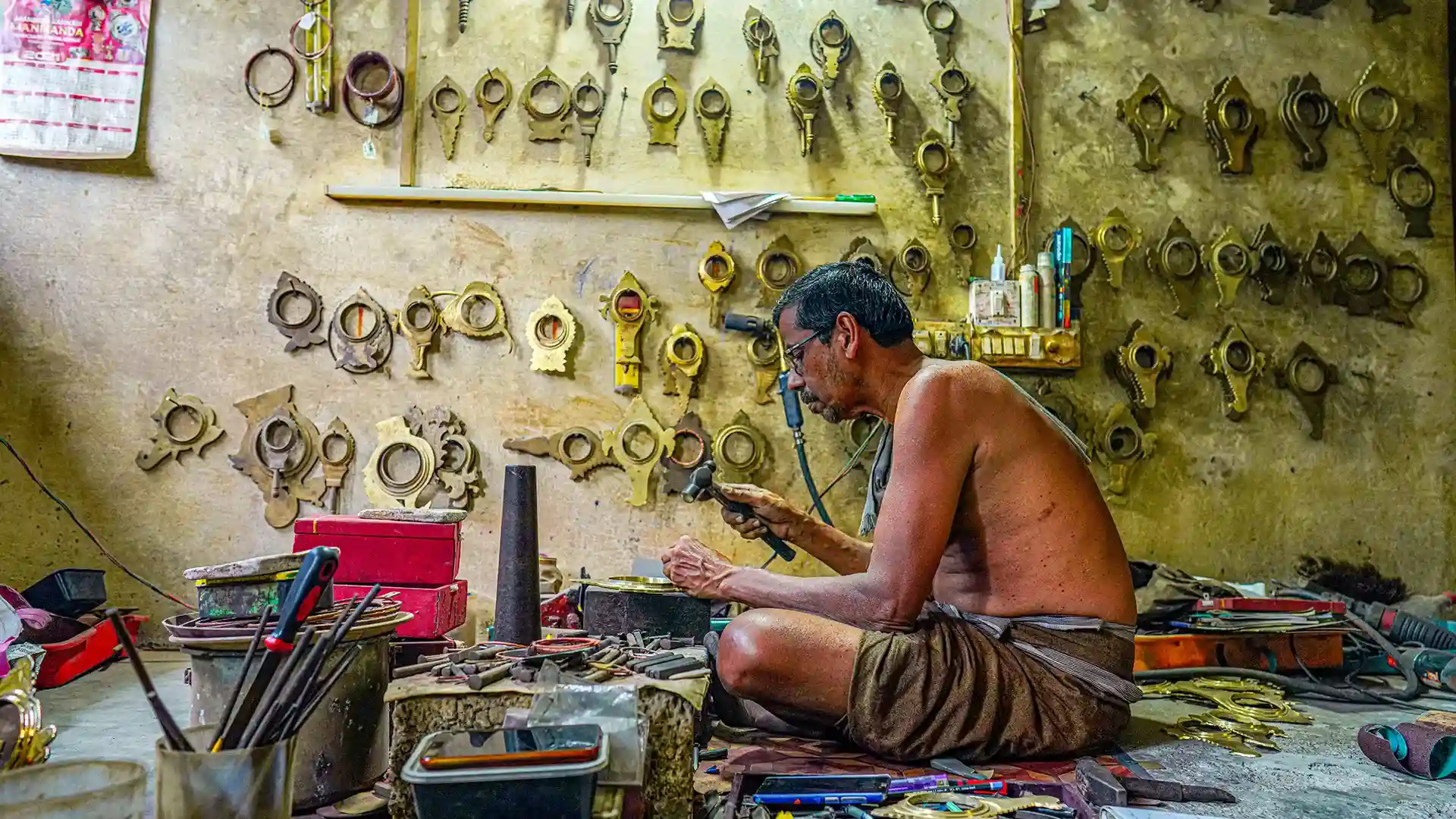
Then there is the Aranmula Kannadi — the handmade metal mirror that has made this village a byword for a craft secret. It is not glass silvered on the back but a polished front-surface alloy, giving a reflection with no double-image and startling clarity. The formula is a closely guarded family inheritance, and the mirrors are still made by hand over long months in a handful of workshops. In 2005 the craft won a Geographical Indication (GI) tag, protecting the Aranmula name.
All of this has earned Aranmula official recognition as a heritage village, a place where traditional architecture, temple ritual, boat culture and metalcraft are actively conserved rather than merely remembered. Cultural institutions such as the Vijnana Kala Vedi centre draw visitors — many from abroad — to learn Kathakali, Mohiniyattam, mural painting, Carnatic music and Kalari under resident masters.
For the traveller, Aranmula rewards a slow, respectful visit: an early darshan at the riverside temple, an unhurried look at the mirror workshops, and — if the calendar is kind — a place on the bank when the palliyodams come thundering down the Pamba. It is one of those rare Kerala destinations where faith, craft and community festival are still bound tightly together.
Legend & myth
The village’s name is itself a legend. It is said that the presiding image of the temple was brought to this spot on a raft lashed together from six lengths of bamboo — aaru-mula in Malayalam, six pieces — and from that humble float the name Aranmula is believed to descend.
By tradition the temple is one of five shrines said to have been raised by the five Pandava brothers along the Pamba, with Aranmula credited to Arjuna. One well-loved legend holds that Arjuna built the temple in penance — an act of atonement for having killed Karna, his own half-brother, by unfair means during the great war. In this telling, the warrior who was steered by Krishna returns to install his divine charioteer as an act of contrition.
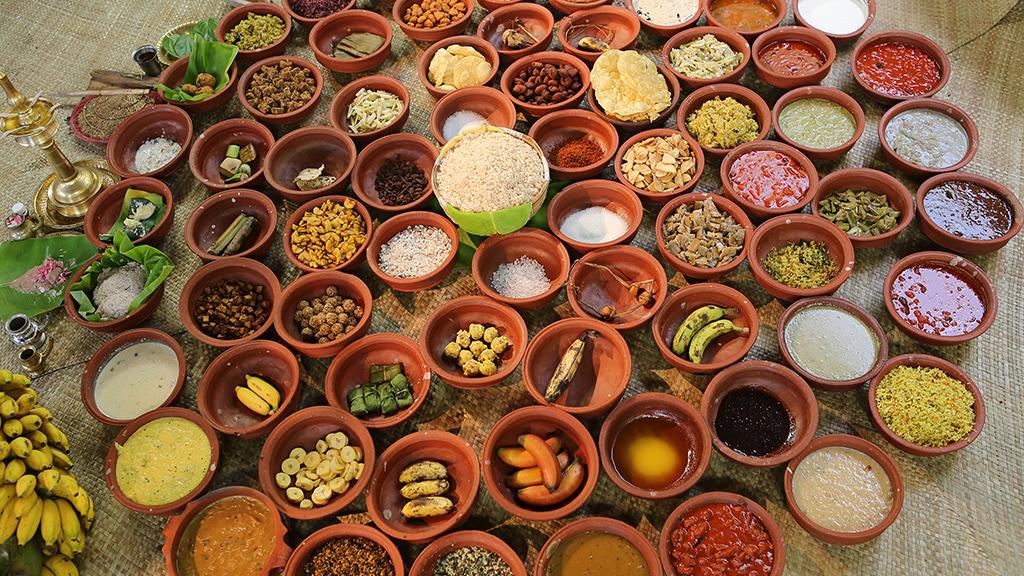
The most celebrated legend belongs to the boat race. As the story goes, a devout Brahmin once vowed to supply, at his own cost, all the provisions for the great Thiruvona feast (sadya) offered to Lord Parthasarathy — and to bring them upriver each year by boat, the sacred Thiruvona Thoni. Legend recounts that on one journey the provision-boat was set upon by enemies, and the snake boats of the surrounding villages rushed to escort and protect it safely to the temple. From that act of devotion, it is said, grew the tradition of the Uthrattathi Vallamkali — the palliyodams gathering each year not to compete but to accompany the Lord’s own vessel and offer their rowing as worship.
These stories are cherished as living faith and folk memory rather than documented history; they are recounted here as the legends that give Aranmula its meaning, not as verified fact.
History
The Parthasarathy Temple is reckoned to be of great antiquity, with local tradition placing its origins many centuries — by some popular accounts well over a millennium and a half — in the past. Its inclusion among the 108 Divya Desams venerated in the Tamil devotional hymns of the Alvars places it firmly within the classical Sri Vaishnava sacred canon of South India.
The temple is built in the characteristic Kerala style, with its ritual life and administration today overseen by the Travancore Devaswom Board, the statutory body that manages a large number of temples across southern Kerala. Its position on the Pamba, and its role in safeguarding and escorting the Thiruvabharanam ornaments of Ayyappan to Sabarimala, tie it into one of India’s largest annual pilgrimages.
The boat-race tradition is itself old, growing out of the temple’s Thiruvona Thoni observance and the palliyodams maintained by the surrounding karas (village units). For most of its life the Vallamkali was a purely religious offering. In 1978 the Government of Kerala reframed the event as a competitive sporting spectacle; around 2000 the older religious character was consciously restored, returning the emphasis to devotion over prize-winning.
The Aranmula Kannadi craft is traditionally traced to artisan families said to have been brought to Aranmula generations ago from the Tirunelveli region of Tamil Nadu to serve the temple. Over time these metalworkers perfected the front-surface alloy mirror — a speculum-type blend understood by metallurgists to be based on copper and tin, with the exact recipe held as a family secret. Polishing is done painstakingly by hand, traditionally with a paste of rice bran and plant oils, over a period of months per piece.
Recognition of the craft’s uniqueness and heritage value culminated in the award of a Geographical Indication (GI) tag in 2005, and in Aranmula’s designation and promotion as a heritage village — a status that supports the conservation of its temple architecture, its boat-race culture and its endangered mirror-making tradition.
Why visit
Worship at a genuine Divya Desam — one of the 108 sacred abodes of Vishnu — where Krishna is honoured in his rare form as Parthasarathy, Arjuna’s charioteer of the Mahabharata.
Witness the Aranmula Uthrattathi Vallamkali, a snake-boat regatta unlike any other: the towering palliyodams are revered as Krishna’s own vessels, and the event is a temple offering rowed to the beat of vanchippattu songs rather than a race for medals.
See the making of the legendary Aranmula Kannadi, the handmade front-surface metal mirror that is a GI-tagged craft found nowhere else, and understand why its secret alloy has fascinated metallurgists.
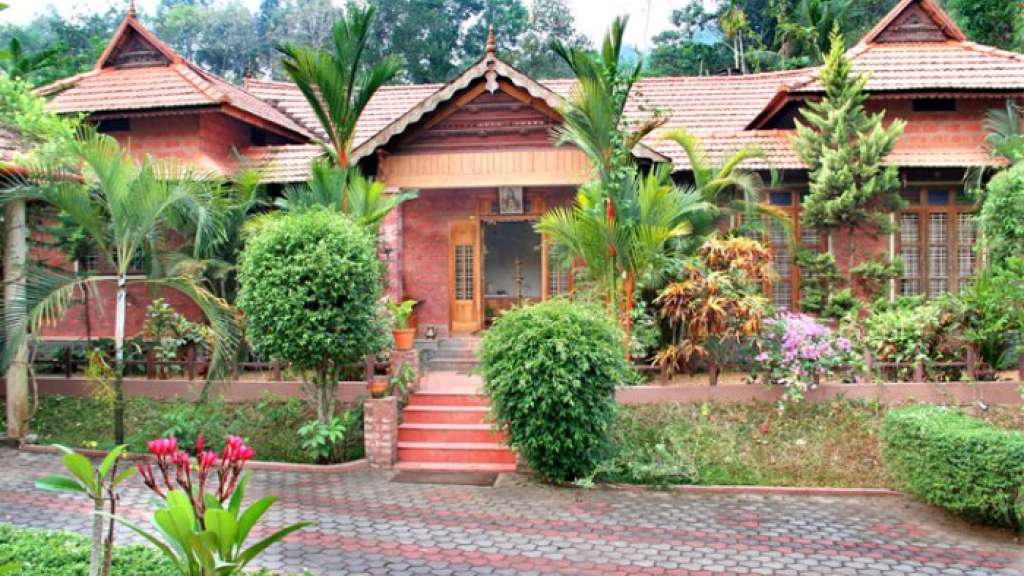
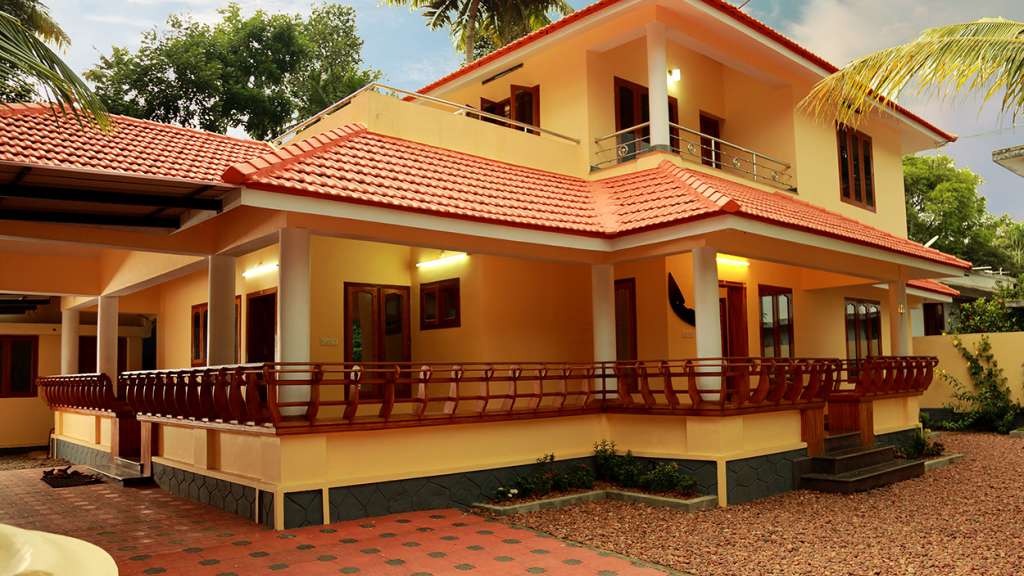
Soak in the atmosphere of a designated heritage village on the banks of the holy Pamba — traditional houses, riverside ghats, and a slow rhythm of temple life far from the tourist crowds.
Engage with living arts at cultural centres such as Vijnana Kala Vedi, where visitors can watch or learn Kathakali, Mohiniyattam, mural painting and Carnatic music from resident masters.
Feel the link to the wider sacred landscape of Kerala — Aranmula guards the Thiruvabharanam ornaments of Ayyappan that travel to Sabarimala, connecting this quiet village to one of the largest pilgrimages on earth.