The story
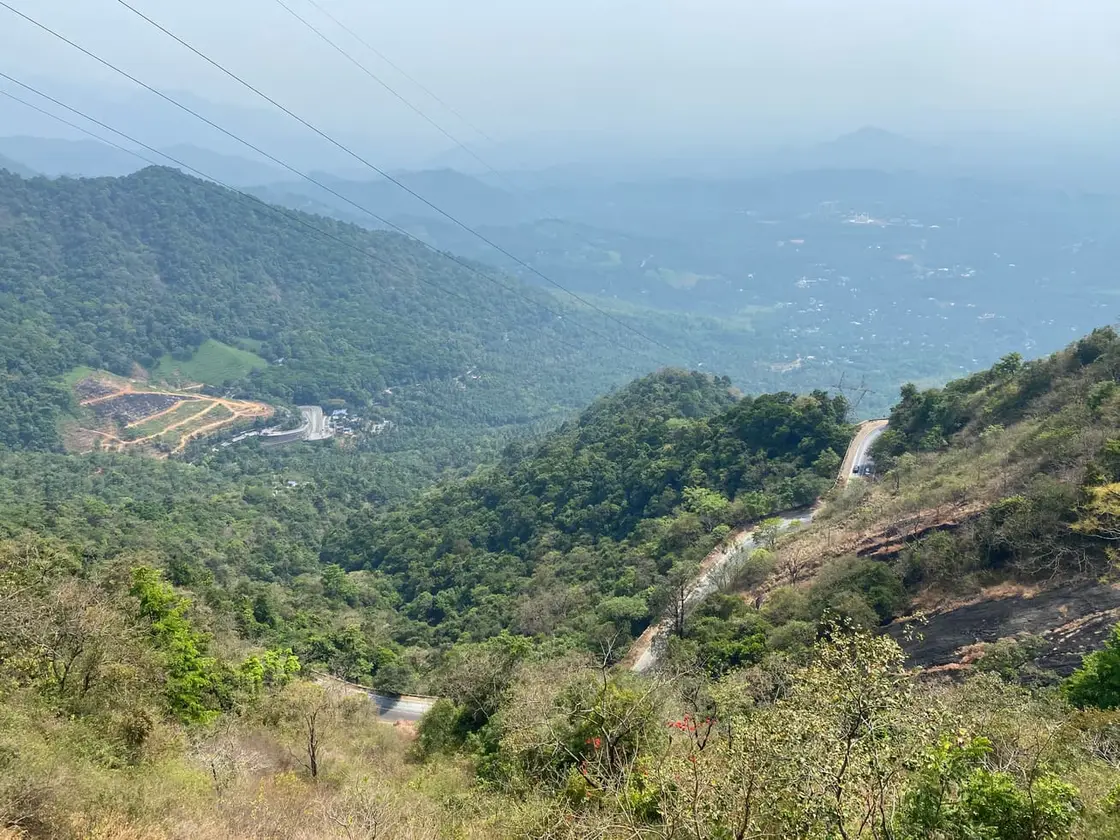
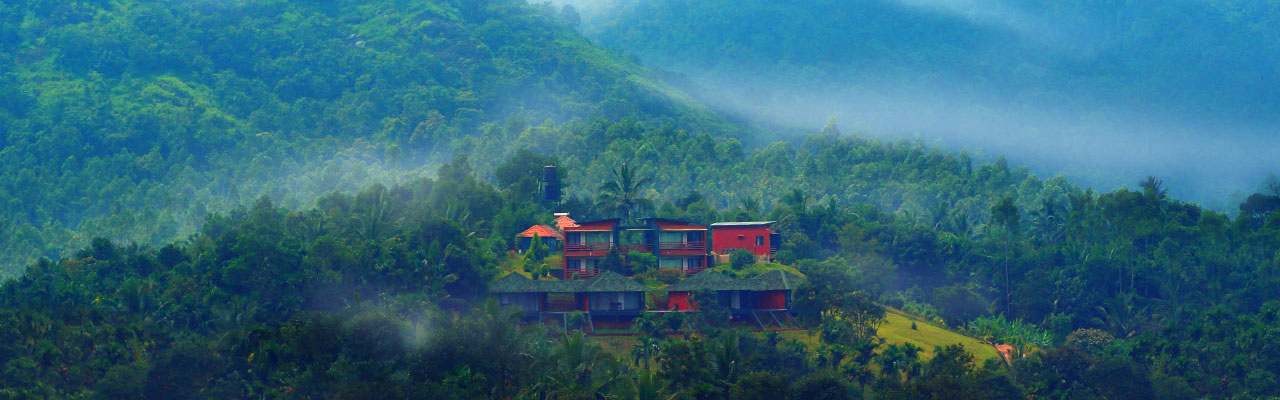
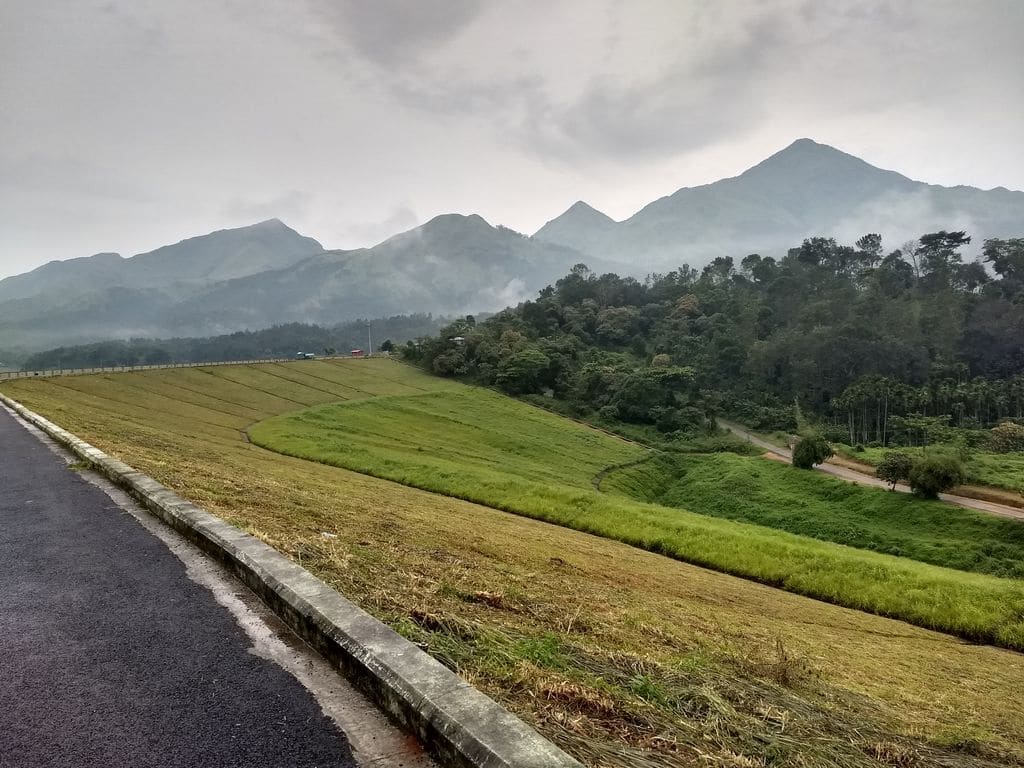
Perched at roughly 700 metres above sea level at the very crest of the Thamarassery ghat, Lakkidi View Point is the dramatic threshold where the plains of Kozhikode give way to the cool, misted highlands of Wayanad. Travellers who have just climbed the nine tight hairpin bends of NH766 pull over here to catch their breath and their first proper look at the Western Ghats falling away in ridge after ridge of forested blue. Cloud drifts through at eye level, the air turns suddenly damp and green, and the road that brought you up snakes visibly below — which is exactly why Lakkidi is called the gateway of Wayanad.
The story of Lakkidi View Point
The approach is half the experience. From Adivaram at the foot of the ghat, the highway coils upward through nine sharp hairpin bends, each one opening a wider window onto the valley until, near the top, the forest parts and Lakkidi appears. On a clear morning you can trace the entire climb below you — the switchbacks stacked like a ribbon, vehicles crawling up in miniature, and beyond them the Malabar lowlands stretching hazily towards the coast.
Lakkidi sits at the highest inhabited stretch of the pass, and the microclimate makes itself felt the moment you arrive. Where the plains were hot and bright, the ghat top is often wrapped in moving cloud; mist pours over the road, thins, and gathers again within minutes. This is one of the wettest corners of the whole subcontinent — local figures put the annual rainfall in the region of 600 to 650 centimetres — and the constant moisture keeps the surrounding slopes a saturated, dripping green.
The viewpoint itself is informal rather than manicured. There is a roadside stretch with railings and a few vendors selling tea, spices, honey, dried fruit and cut pineapple, and this is where most people stop to photograph the valley and the hairpins. Monkeys are a near-permanent fixture along the parapet, bold enough to snatch an unguarded snack, so bags and food are best kept closed.
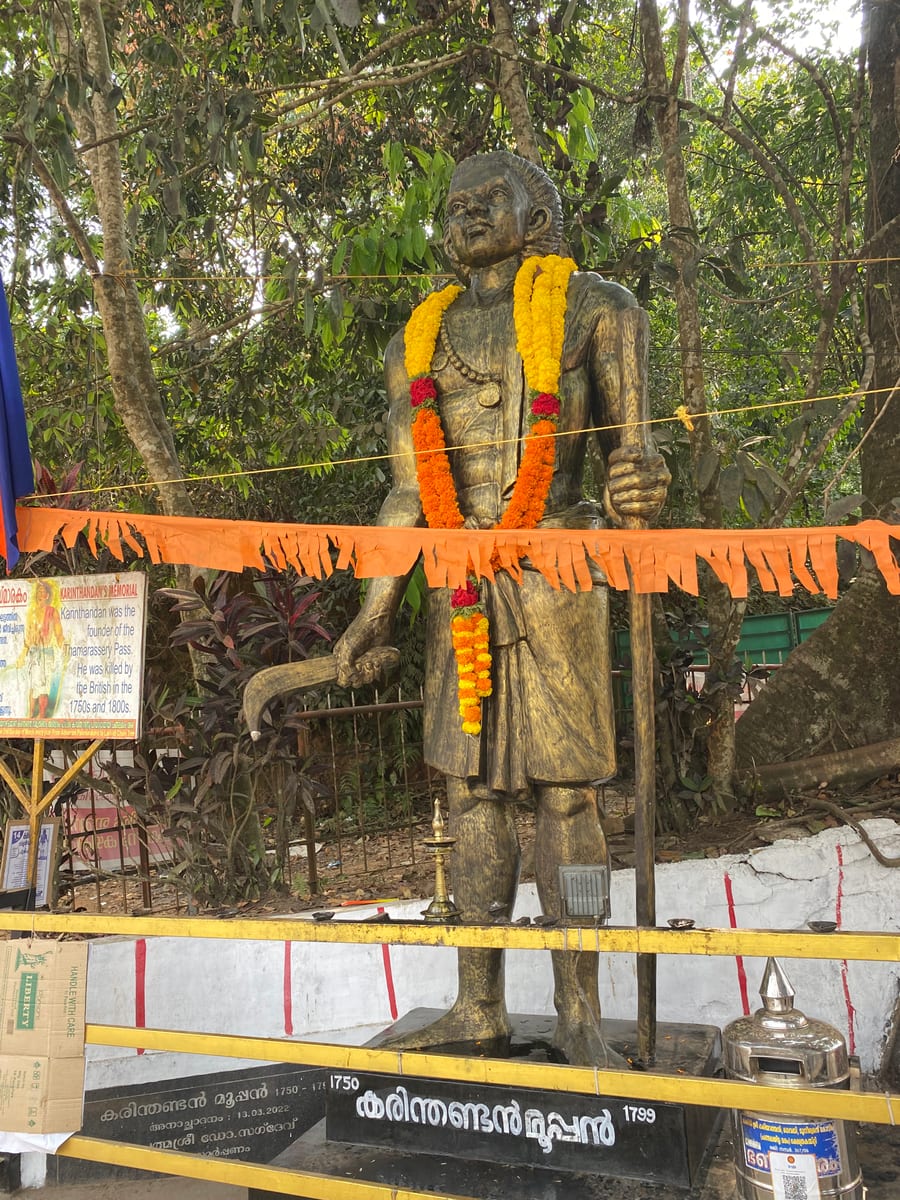
Just below the main pull-in, on the older road towards Vythiri, stands the tree that gives Lakkidi much of its fame: a large ficus draped with a heavy, rusted iron chain. The Chain Tree, and the tragic legend of the tribal guide Karinthandan attached to it, has turned an ordinary bend in the road into one of the most talked-about stops on the ghat.
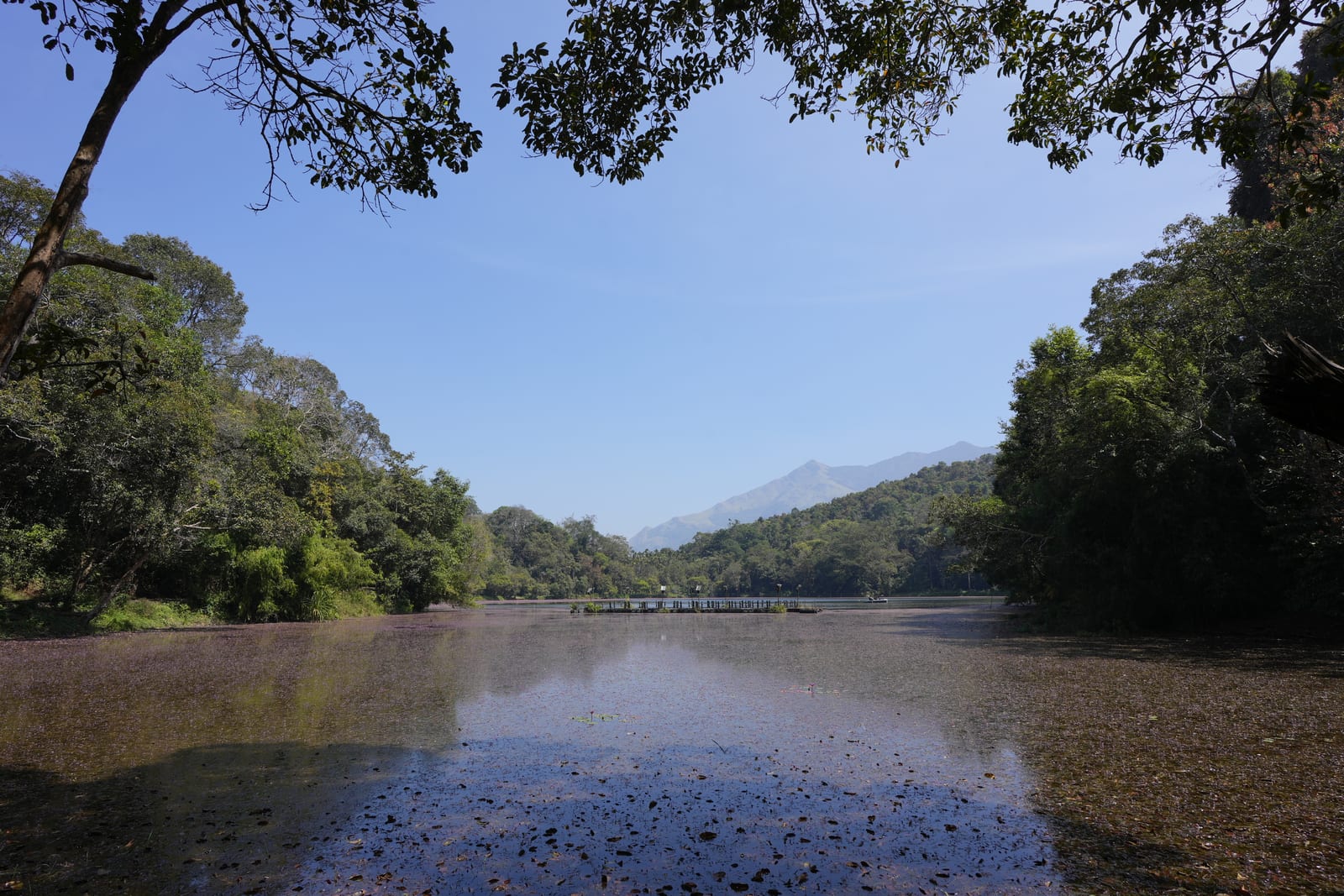
Because Lakkidi is a pass rather than a destination in its own right, it rewards an unhurried halt rather than a long stay. Many visitors combine it with the loop of nearby attractions — Pookode Lake and Vythiri are only a few kilometres on — treating the viewpoint as the scenic overture to a Wayanad trip. Early morning and the hours after rain are when the light and the clouds are at their most theatrical.
What lingers, beyond the panorama, is the sense of transition. Lakkidi is a genuine frontier between two worlds — the humid coastal plain behind you and the plantation-quilted plateau ahead — and standing at the railing with cloud sliding past, you feel exactly why generations of travellers, traders and armies fought over this single narrow gateway into the hills.
Legend & myth
The most famous story at Lakkidi is a legend, told and retold locally rather than settled history, and it belongs to the Chain Tree that stands on the old road below the viewpoint. As the tale goes, Karinthandan was a tribal guide of the Wayanad forests who knew the hidden paths across the ghat long before any road existed.
According to the legend, when British engineers struggled for years to find a way to cut a route up the treacherous Thamarassery pass, it was Karinthandan who led them through, revealing the alignment that would become the ghat road. The story then turns dark: it is said the British engineer, wanting the glory of the discovery for himself, murdered Karinthandan so that no one would know a tribal man had shown him the way.
In the telling, Karinthandan’s restless spirit is said to have haunted the pass afterwards, troubling travellers along the newly opened road. To lay the spirit to rest, so the legend continues, a priest was summoned who bound the soul to a ficus tree with a heavy iron chain — the very chain that still hangs from the branches today, giving the Chain Tree its name.
It should be stressed that this is folklore, not documented fact. There is no complete historical record confirming the details of the murder or the haunting, and the story exists in several versions. What is undisputed is the real and important role tribal communities played in opening up and living in these hills, and it is that memory the legend keeps alive. Visitors will still see the chained ficus and hear the story recounted at the roadside, a piece of living local mythology rather than a proven event.
History
The Thamarassery ghat — Thamarassery Churam in Malayalam — is the historic mountain pass that links the Kozhikode lowlands with the Wayanad plateau, and Lakkidi crowns it. Long before the modern highway, this was a steep, narrow and dangerous track, yet a strategically vital one, because it was the natural doorway between coastal Malabar and the interior highlands.
That strategic value made the pass a contested prize. During the resistance against colonial expansion, the forces of Pazhassi Raja are remembered for exploiting the difficult ghat terrain against the British, who repeatedly struggled to secure the route through these forests and defiles. Control of the pass meant control of access to Wayanad, and the hills around Lakkidi saw more than their share of that struggle.
The engineered ghat road that eventually tamed the climb is the ancestor of today’s carriageway, and its defining feature — the sequence of nine hairpin bends rising from Adivaram to Lakkidi — remains essentially the line first cut through the mountainside. The story of how that alignment was found is exactly what the Chain Tree legend commemorates, whatever the historical truth of its darker details.
In the modern era the route carries the national highway designation NH766 (formerly numbered NH212), the main artery connecting Kozhikode in Kerala with Wayanad and on towards Mysuru and Kollegal in Karnataka. As traffic and tourism to Wayanad grew, Lakkidi at the top of the climb naturally became the recognised first stop and photo halt for everyone entering the district.
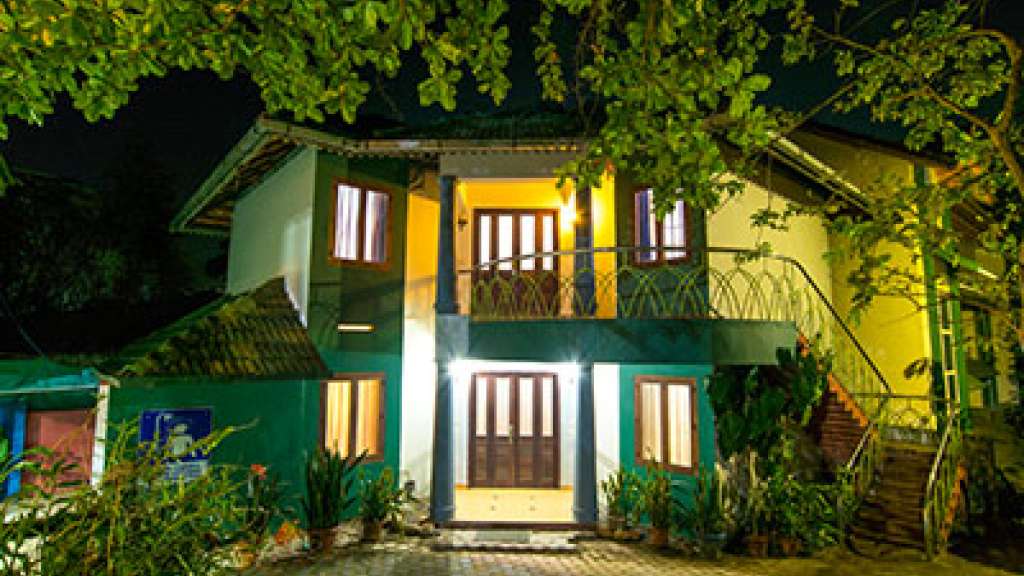
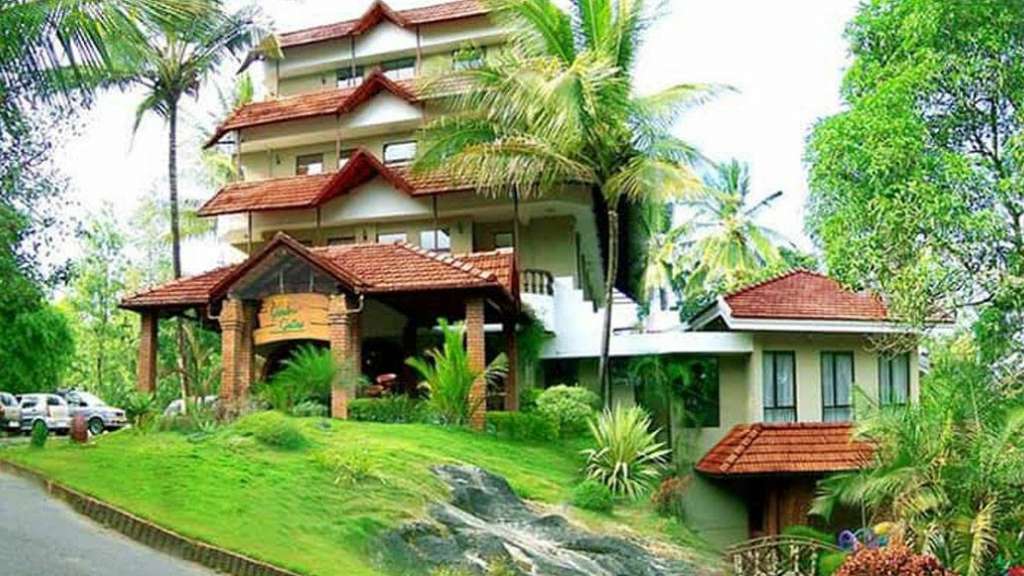
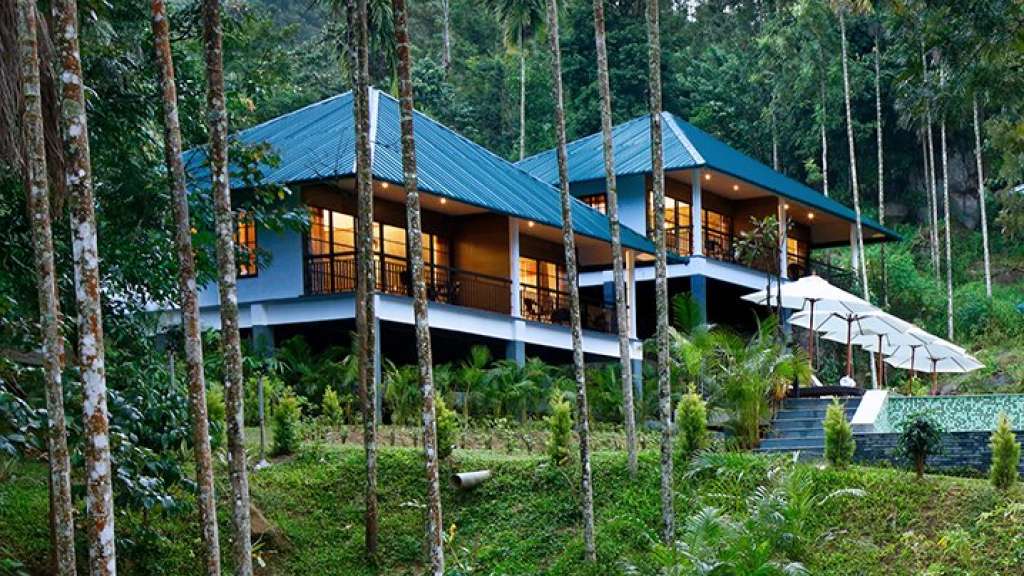
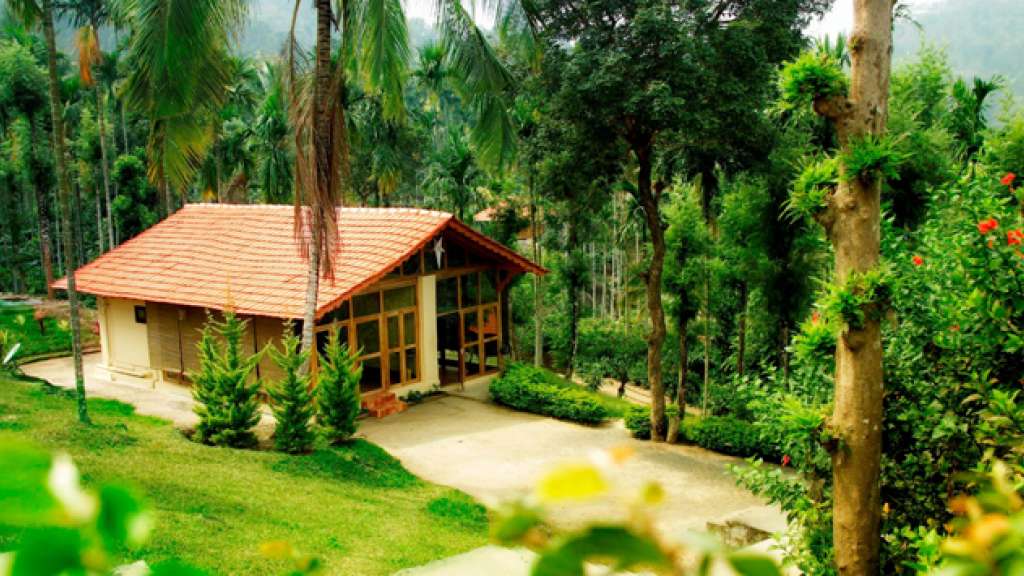
Around this gateway a small hill settlement developed, and with Wayanad’s rise as a plantation and holiday destination the area filled out with resorts, homestays and plantation stays. Yet the essential character of Lakkidi is unchanged: it is still, first and foremost, the high, wet, cloud-washed threshold through which Wayanad greets its visitors.
Why visit
It is the classic first view of Wayanad — the panoramic sweep from the top of the ghat, taking in ridge upon ridge of the Western Ghats and the valley falling away below, is the image most people carry home from the district.
The nine hairpin bends of the Thamarassery ghat are a genuine spectacle in themselves, and Lakkidi is the best vantage from which to look back down the entire coiling climb you have just made.
The mist and cloud are a large part of the appeal — sitting at one of the wettest, highest points in the region, Lakkidi is regularly wrapped in drifting cloud that pours over the road and makes for atmospheric, almost surreal scenery.
The Chain Tree and the Karinthandan legend give the stop a story, turning a scenic halt into a place with folklore, mystery and a link to Wayanad’s tribal heritage.
Its position makes it effortless to combine with the rest of a Wayanad itinerary — Pookode Lake, Vythiri and the wider Kalpetta cluster are all close by, so the viewpoint slots neatly into a day of sightseeing.
It is free, open and roadside-accessible, so even travellers just passing through on the way into the district can pause, take in the view, grab a tea and local produce, and move on.