The story
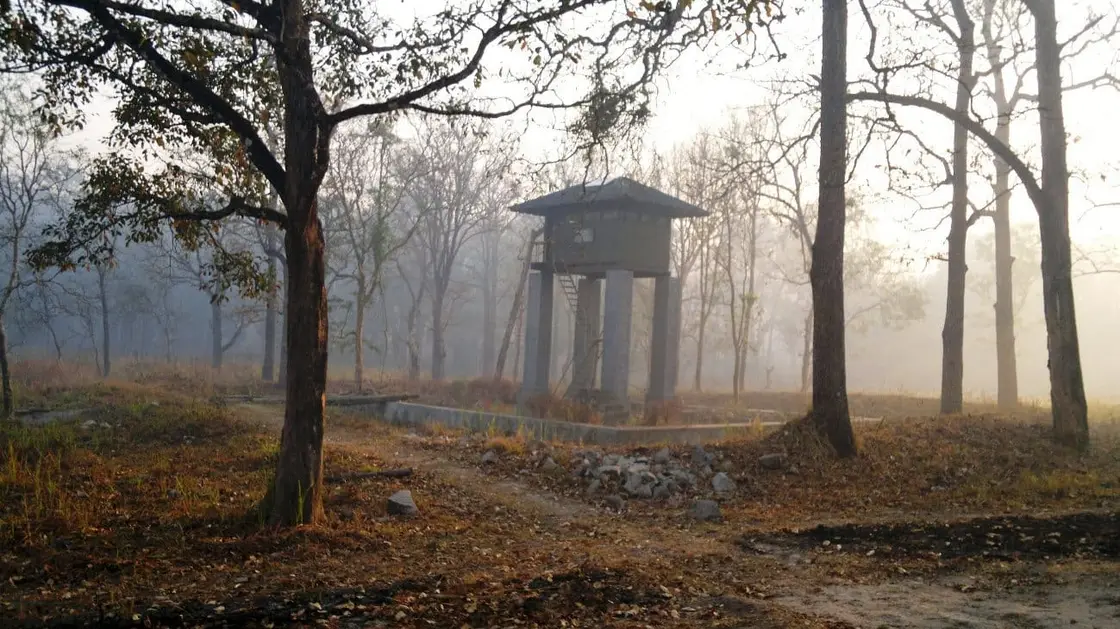
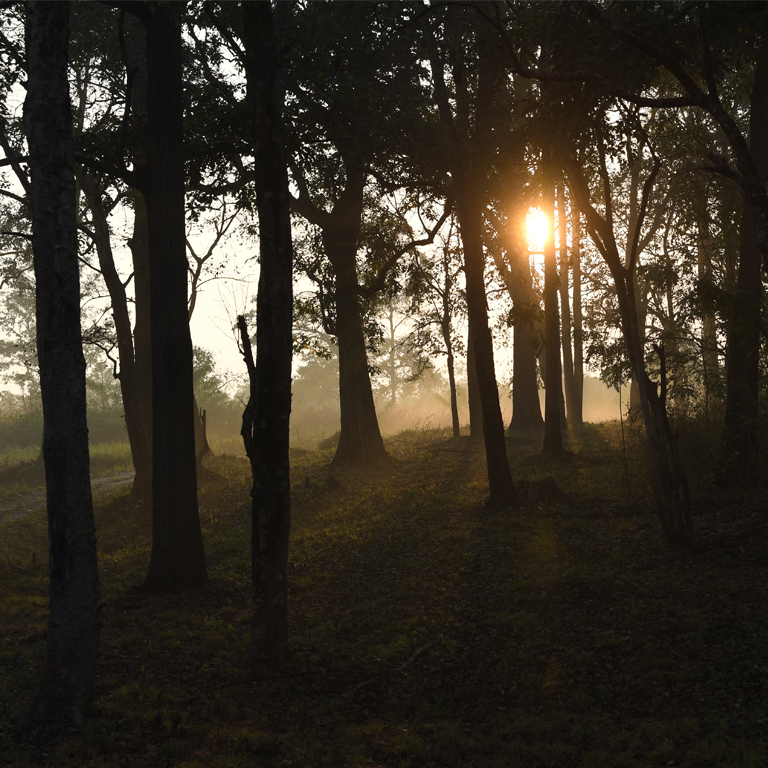
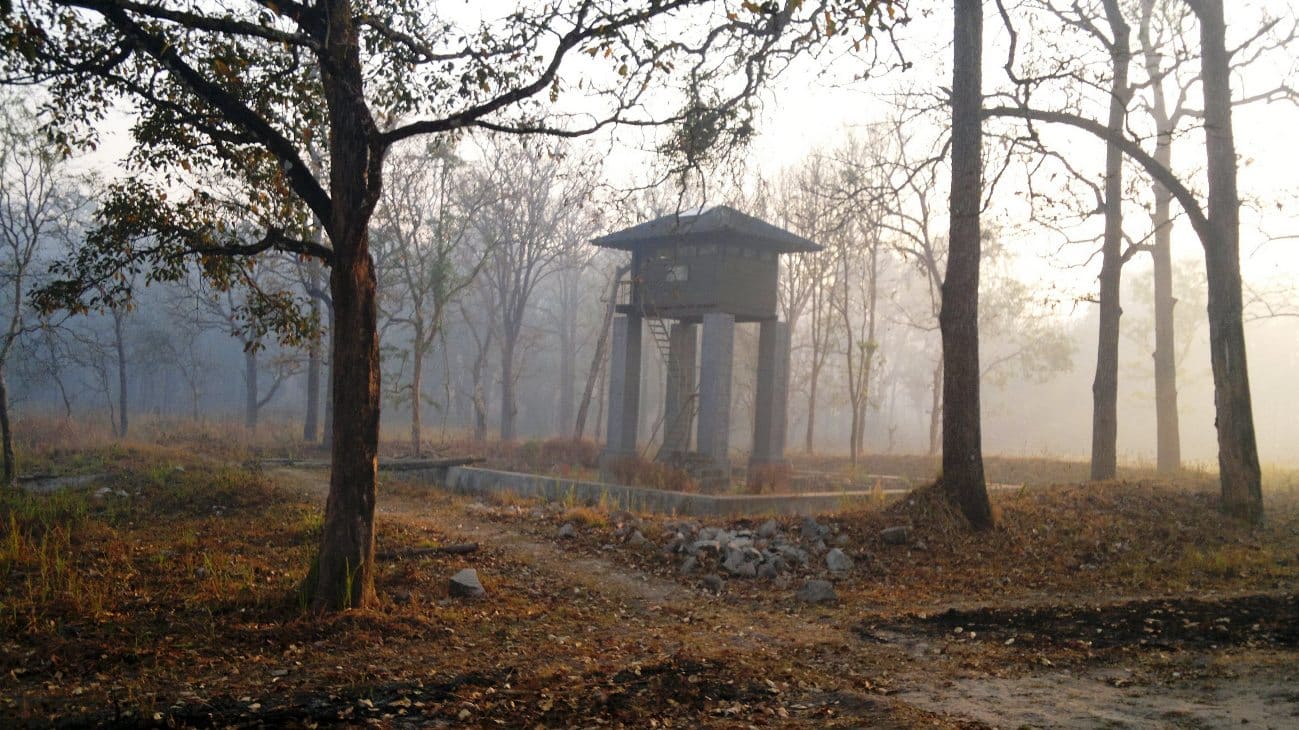
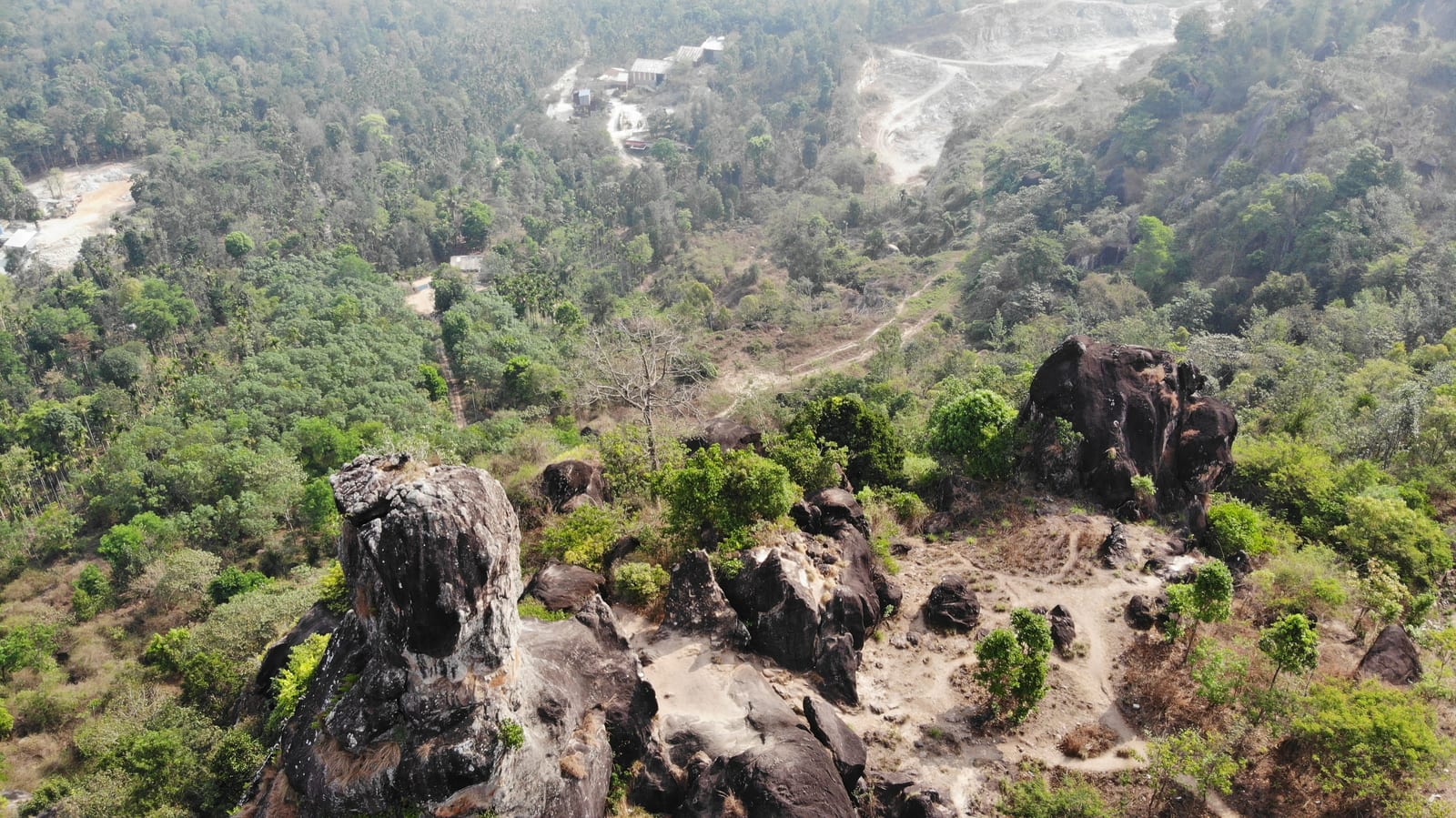
Spread across roughly 344 square kilometres of teak forest, bamboo brakes and grassy clearings on Kerala’s high eastern frontier, Wayanad Wildlife Sanctuary is one of South India’s great elephant landscapes — a green corridor where herds, gaur and the occasional tiger move freely between three states. Reached through the Muthanga gate near Sulthan Bathery in the south and the Tholpetty gate in the north, it is best experienced from an open forest jeep at first light, when mist still hangs over the meadows and the jungle is at its most alive.
The story of Wayanad Wildlife Sanctuary
The sanctuary sits at a remarkable meeting point — the place where the Western Ghats, the Nilgiri Hills and the Deccan Plateau fold into one another. That geography is the whole story here. Because Wayanad’s forests join seamlessly with Nagarhole and Bandipur in Karnataka and Mudumalai in Tamil Nadu, they form part of one of the largest surviving wild elephant habitats in Asia, an unbroken sweep of protected jungle that ignores the state borders drawn on maps.
There are two ways in, and they feel like different worlds. Muthanga, in the south, lies just off the busy Kozhikode–Mysuru highway near Sulthan Bathery and is the range most visitors reach — a mosaic of moist deciduous teak forest and open swampy grassland where elephants gather. Tholpetty, in the north near Mananthavady and the temple town of Thirunelly, is quieter and more forested, backing onto the Brahmagiri hills. Each range runs its own safaris and keeps its own booking counter.
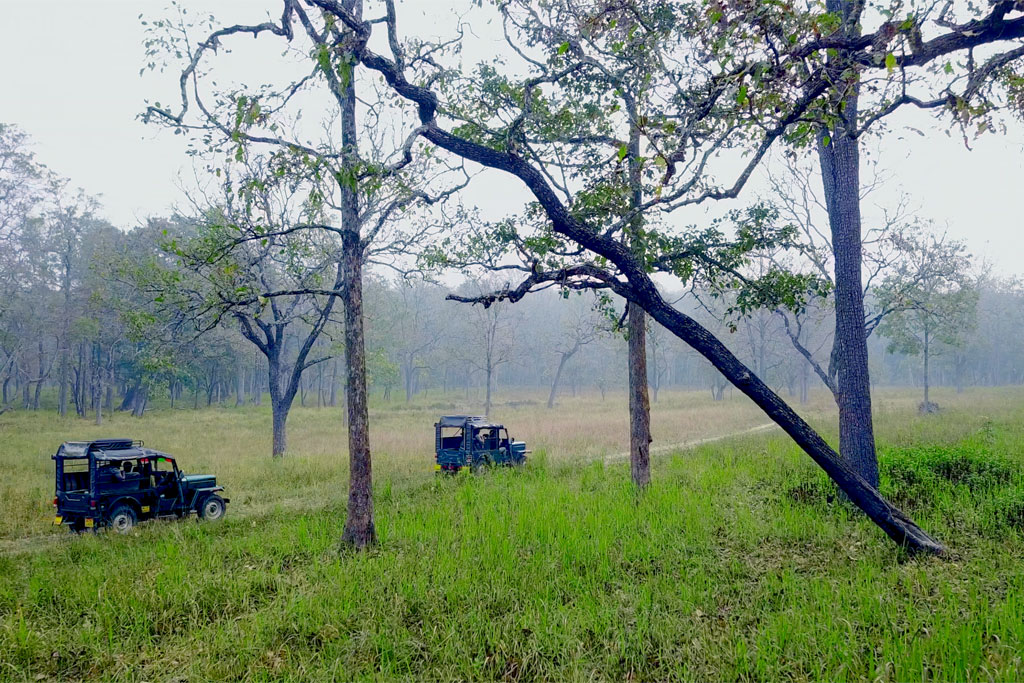
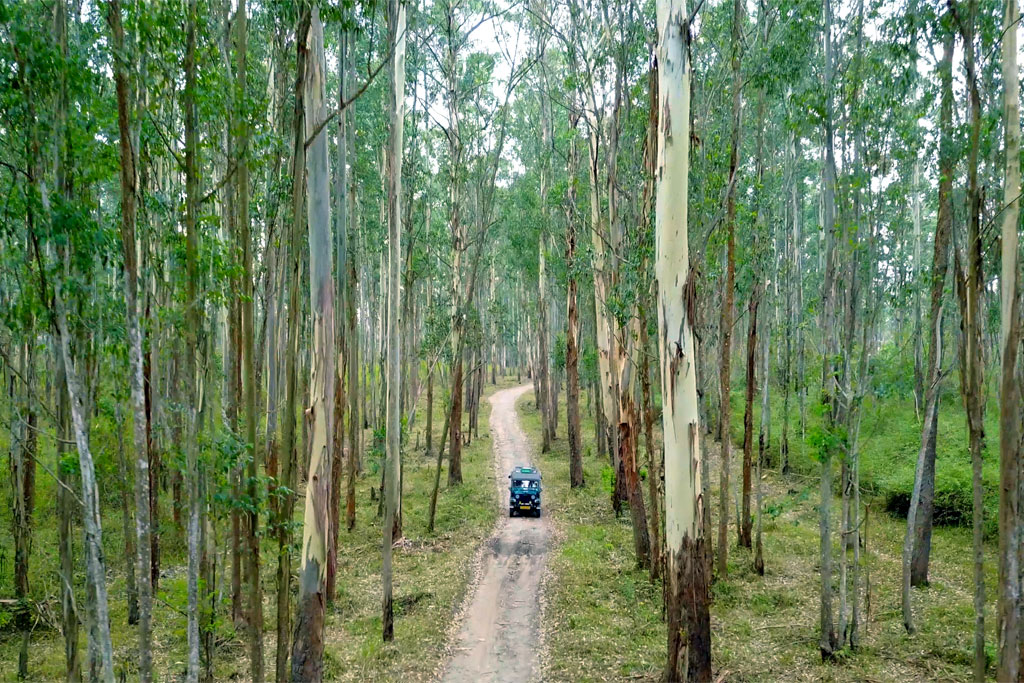
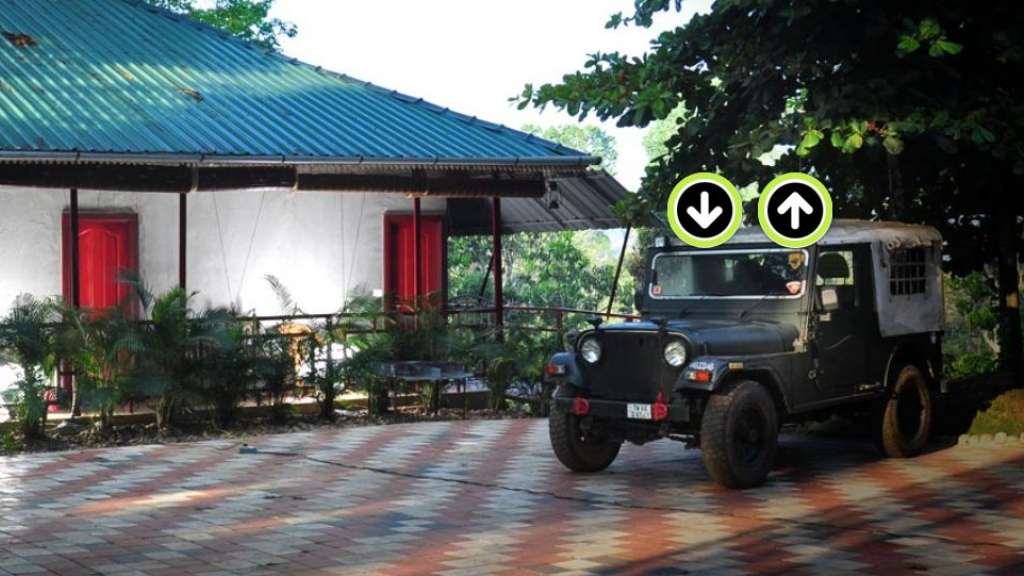
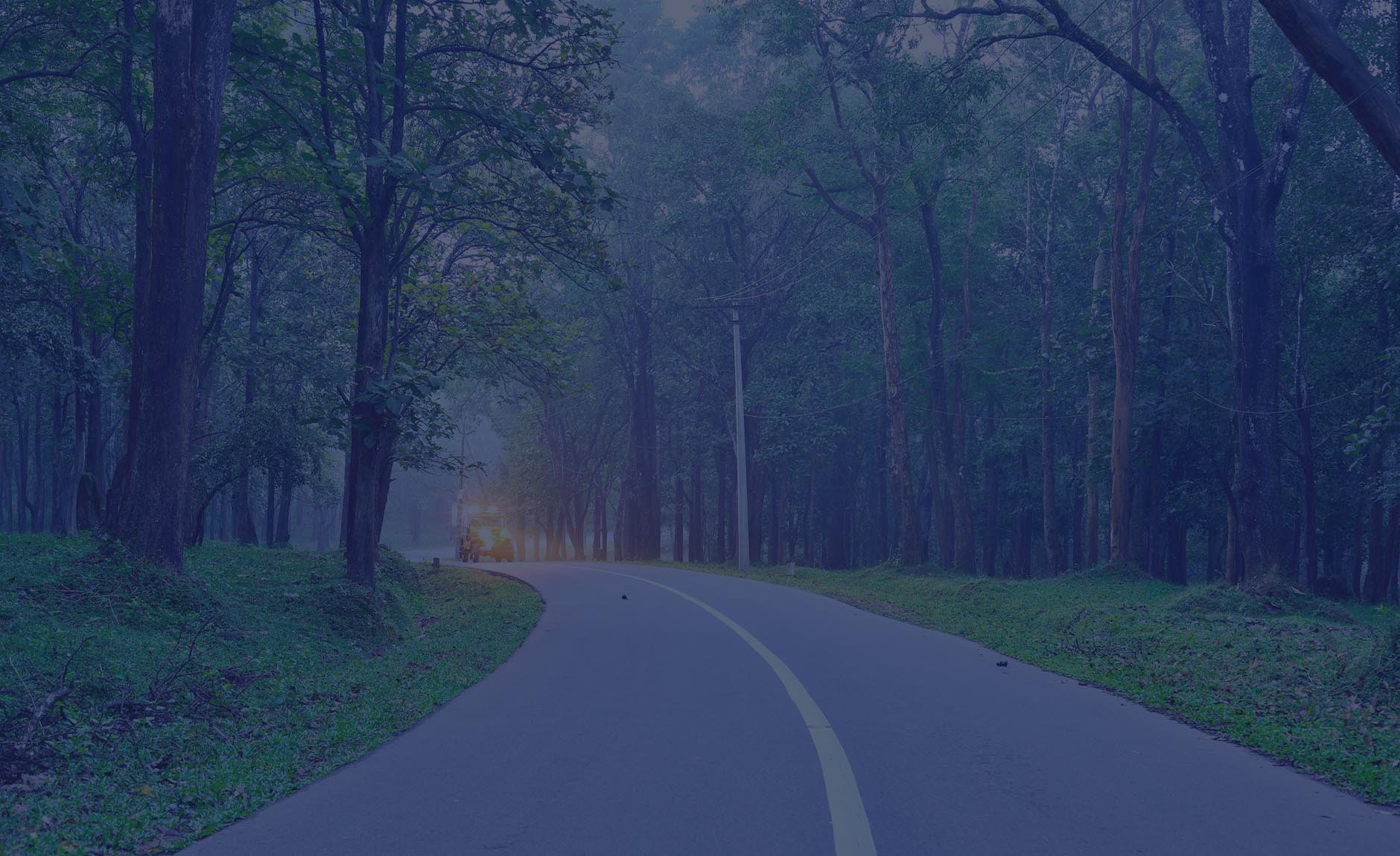
A typical visit is built around the jeep safari. Vehicles set out in convoys along rutted forest tracks with a Forest Department guide aboard, the engine kept low so that the jungle can be heard as much as seen. Spotted deer scatter across the road, langurs crash through the canopy, a peacock steps out of the undergrowth, and — if the morning is kind — a herd of elephants materialises at the edge of a clearing. Sightings are never promised; the reward is the wild itself, unstaged.
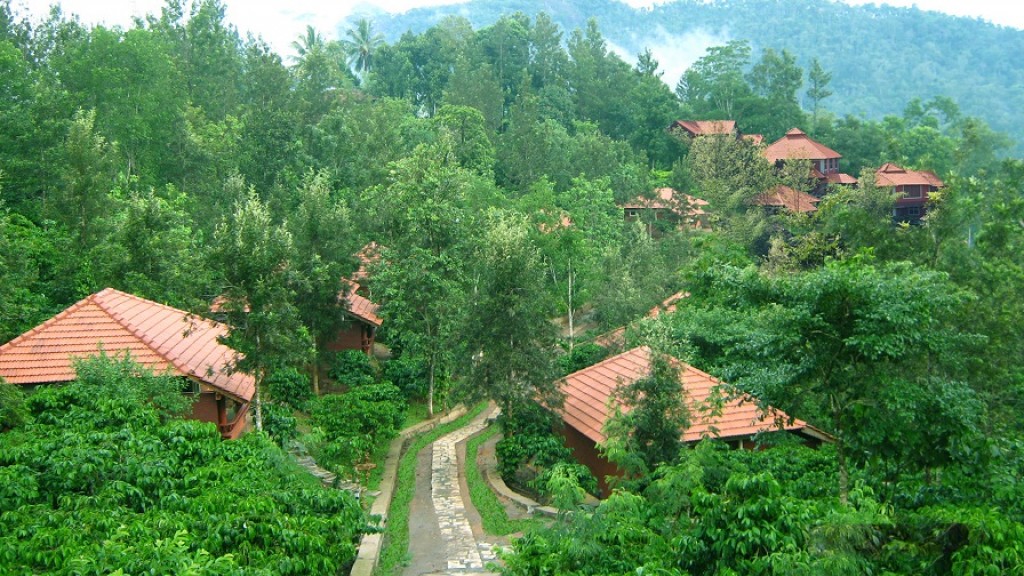
The forest changes character with the seasons. In the dry months of spring the deciduous teak sheds its leaves and animals drift towards the shrinking waterholes, making them easier to spot. After the monsoon the whole landscape turns an impossible green, streams run full, and the birdlife is at its richest — Malabar grey hornbills, woodpeckers, cuckoos and owls calling across the valleys. The air stays cool for most of the year thanks to the sanctuary’s elevation of roughly 650 to 1,150 metres.
Beyond the marquee mammals, Wayanad is a stronghold of Western Ghats biodiversity — gaur (the massive Indian bison), sambar and spotted deer, wild boar, sloth bear, leopard, dhole (the Indian wild dog) and jungle cat all range through it, while the flagship tiger population makes this one of the more important big-cat corridors outside the formal reserves. Rosewood, venteak and giant clumps of bamboo shade the trails, and there are pockets of west-coast semi-evergreen forest along the wetter folds.
This is also a deeply human landscape. Wayanad — a name often read as a shortening of Vayal Nadu, the land of paddy fields — has been home to some of Kerala’s oldest tribal communities for centuries, among them the Paniya, Kuruma, Kurichiya, Adiya and Kattunayakan. Small forest hamlets, such as the Urali settlement near the Muthanga gate, still sit at the sanctuary’s edge, a reminder that these jungles have always been lived alongside, not merely looked at.
Legend & myth
Wayanad carries one of Kerala’s richest folk associations with the Ramayana, and the great forest is central to it. By local tradition the exiled Sita is said to have taken shelter in these jungles, and the nearby shrine at Pulpally is linked in legend to Lava and Kusha, her twin sons — so that the woods around the sanctuary are remembered as an ashram-forest where the epic’s final chapters unfolded. It is a regional legend rather than recorded history, but it colours the way local people speak of the land.
A second story belongs to the tribal heritage of the forest itself — the legend of Karinthandan, a Paniya tribal chief said to have lived in the 18th century, who is remembered as the man who first guided outsiders through the treacherous Thamarassery ghat pass into Wayanad. As the tale is told, he was betrayed and killed once he had shown the route. The legend, still recounted by the Paniya people as the story of their hero, is a reminder that the knowledge of these hills was first held by its forest communities.
History
Wayanad Wildlife Sanctuary was established in 1973 to protect the flora and fauna of this stretch of the Western Ghats, and today ranks as the second largest wildlife sanctuary in Kerala, covering an area usually cited at about 344 square kilometres (roughly 344.44 sq km).
The sanctuary is an integral part of the Nilgiri Biosphere Reserve — India’s first biosphere reserve, notified in 1986 — which links it to neighbouring protected forests across Karnataka and Tamil Nadu, including Nagarhole, Bandipur and Mudumalai. This contiguity is what gives Wayanad its outsized importance for wide-ranging animals such as elephants and tigers, which need territory far larger than any single sanctuary can offer.
In recognition of its elephant herds — among the largest concentrations of Asian elephants anywhere — the sanctuary was brought under Project Elephant, the national conservation programme, in 1991–92. Alongside the elephant, the tiger is treated as a flagship species here, and much of the management effort is focused on keeping the cross-state corridors open for both.
Administratively the sanctuary spreads across four hill ranges — Sulthan Bathery, Muthanga, Kurichiat and Tholpetty — but for visitors it resolves into two entry points: Muthanga in the south and Tholpetty in the north. Historically these were part of one continuous forest; over time plantations and settlement carved a gap between the northern and southern blocks, which is why the two safari zones are reached separately today.
The sanctuary has not been without difficulty. Conflict between people and wildlife along its fringes — crop-raiding elephants and, on occasion, livestock-killing big cats — remains a live management challenge, and events over the years have underlined how closely tribal communities, plantation villages and the protected forest are bound together in this corner of Kerala.
Why visit
It is one of the most reliable places in Kerala to see wild Asian elephants, along with gaur, spotted and sambar deer, and a genuine chance — never a guarantee — of a tiger or leopard, all from an open forest jeep.
The open-jeep safari through teak forest and mist-filled meadows at dawn is a proper wilderness experience, run by the Forest Department with a compulsory local guide, rather than a manicured tourist attraction.
As part of the Nilgiri Biosphere Reserve and contiguous with Nagarhole, Bandipur and Mudumalai, the forest sits inside one of Asia’s great wildlife corridors — you are, in effect, on the edge of a landscape that spans three states.
Birdwatchers are richly rewarded: Malabar grey hornbill, white-bellied woodpecker, peafowl, cuckoos and owls are among the many species that thrive in the deciduous and semi-evergreen forest, especially after the monsoon.
The two gates offer two moods — busy, accessible Muthanga near Sulthan Bathery, and quieter, more forested Tholpetty in the north near Thirunelly — so you can choose the experience that suits your route through Wayanad.
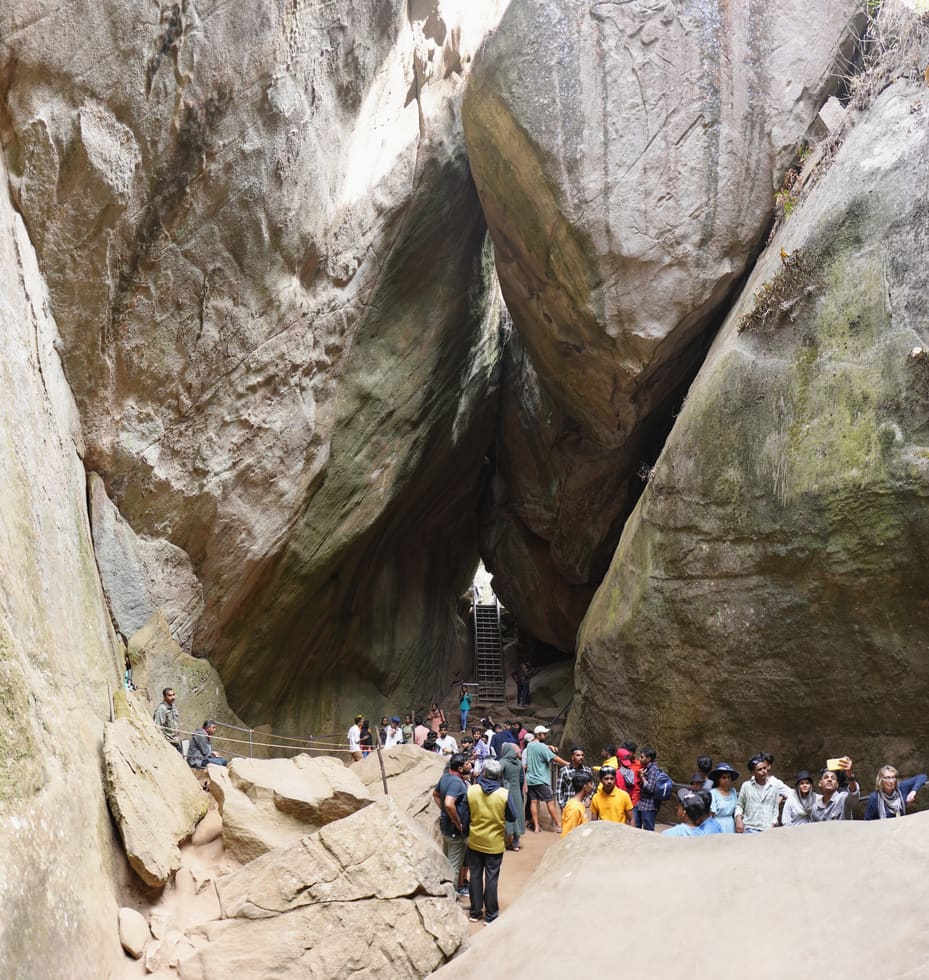
It pairs naturally with the rest of Wayanad’s highlands — Edakkal Caves, Sulthan Bathery’s Jain temple, waterfalls and hill viewpoints are all within easy reach — making the sanctuary the wild heart of a broader hill-country trip.