The story
On the palm-fringed coast just north of Alappuzha, where the Arabian Sea rolls onto the long white sands near Mararikulam, stands one of Kerala’s most beloved pilgrimage churches — St Andrew’s Basilica at Arthunkal, known to millions simply as the shrine of Arthunkal Veluthachan, the fair father. A Latin Catholic sanctuary with Portuguese roots reaching back to the 16th century, it is famous across south India for its towering devotion to St Sebastian and for the extraordinary January feast that draws pilgrims of every faith walking in from far-off towns.
The story of Arthunkal Church
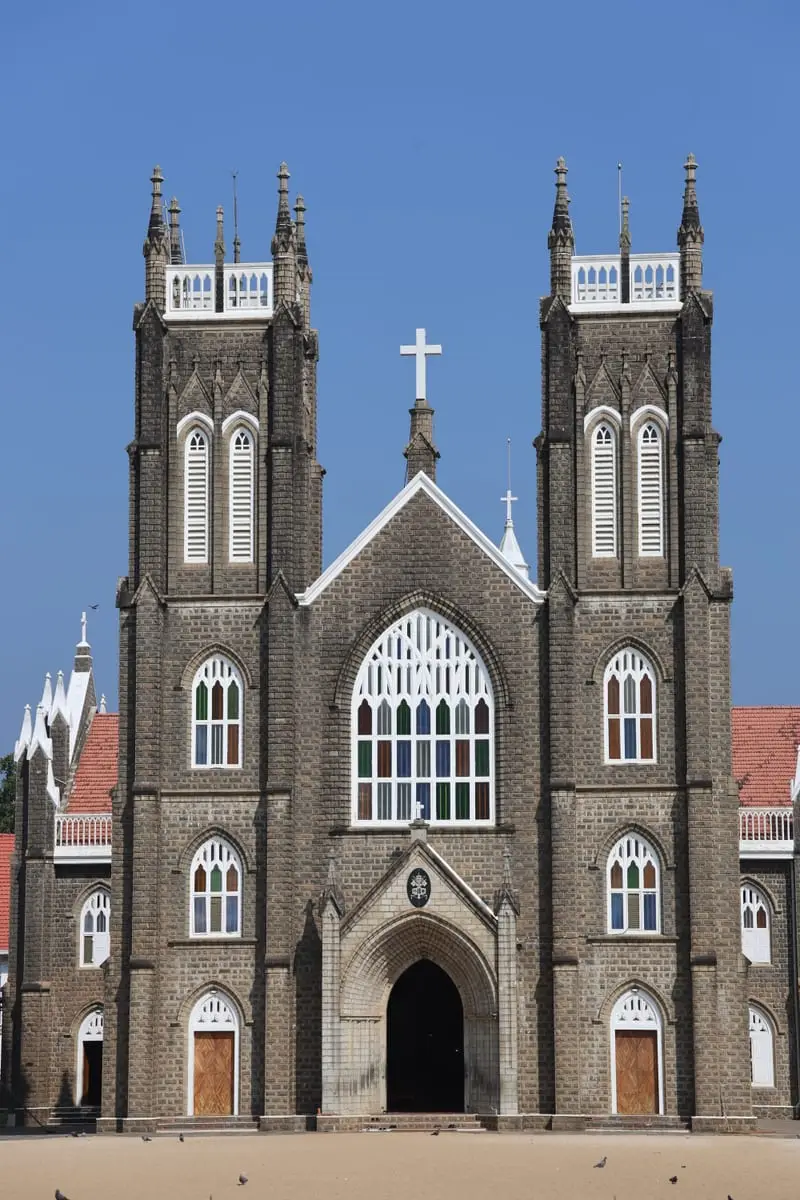
Approach Arthunkal along the coastal road and the basilica reveals itself as a broad, gleaming-white church set back from the sea, its façade catching the afternoon light off the Arabian Sea. Unlike the temple-dense interior of Kerala, this is a shore of fishing hamlets, coir yards and coconut groves, and the church has been the beating heart of the community here for centuries. Locals will tell you the shrine faces west, out towards the beach and the water, a deliberate orientation given to it long ago.
Inside, the devotion centres on St Sebastian — the Roman soldier-saint traditionally depicted bound to a tree and pierced with arrows. The much-venerated statue of the saint, his body struck with arrows, is the focus of prayer, petition and thanksgiving. Pilgrims move quietly past it, many having travelled long distances on foot, lighting candles and leaving offerings in fulfilment of vows made in times of illness or trouble.
The name that everyone uses, though, is Arthunkal Veluthachan — the white or fair father. The affectionate title is bound up both with the fair-skinned image of the martyr-saint and, in local memory, with a European priest who shaped the shrine in its early days. It is this warm, almost familial devotion that gives Arthunkal its particular character: less a grand monument than a home to which the faithful return year after year.
What makes Arthunkal genuinely remarkable is who comes here. In one of Kerala’s most cherished expressions of shared devotion, Hindu Ayyappa pilgrims returning from the great forest shrine of Sabarimala have long counted a visit to Arthunkal as part of their journey. Wearing their black or blue clothes and sacred garlands, they arrive alongside Christian pilgrims, and the shrine becomes a living picture of Kerala’s communal harmony.
The single most electric moment in the Arthunkal calendar is the great January feast, the Arthunkal Perunnal. For days the little coastal town swells with hundreds of thousands of pilgrims; the roads fill, temporary stalls line the approaches, and long lines of walkers converge on the church. On the main feast day the statue of St Sebastian is carried out in a vast, candle-lit procession — a spectacle that fuses deep faith with the colour and scale of a true Kerala festival.
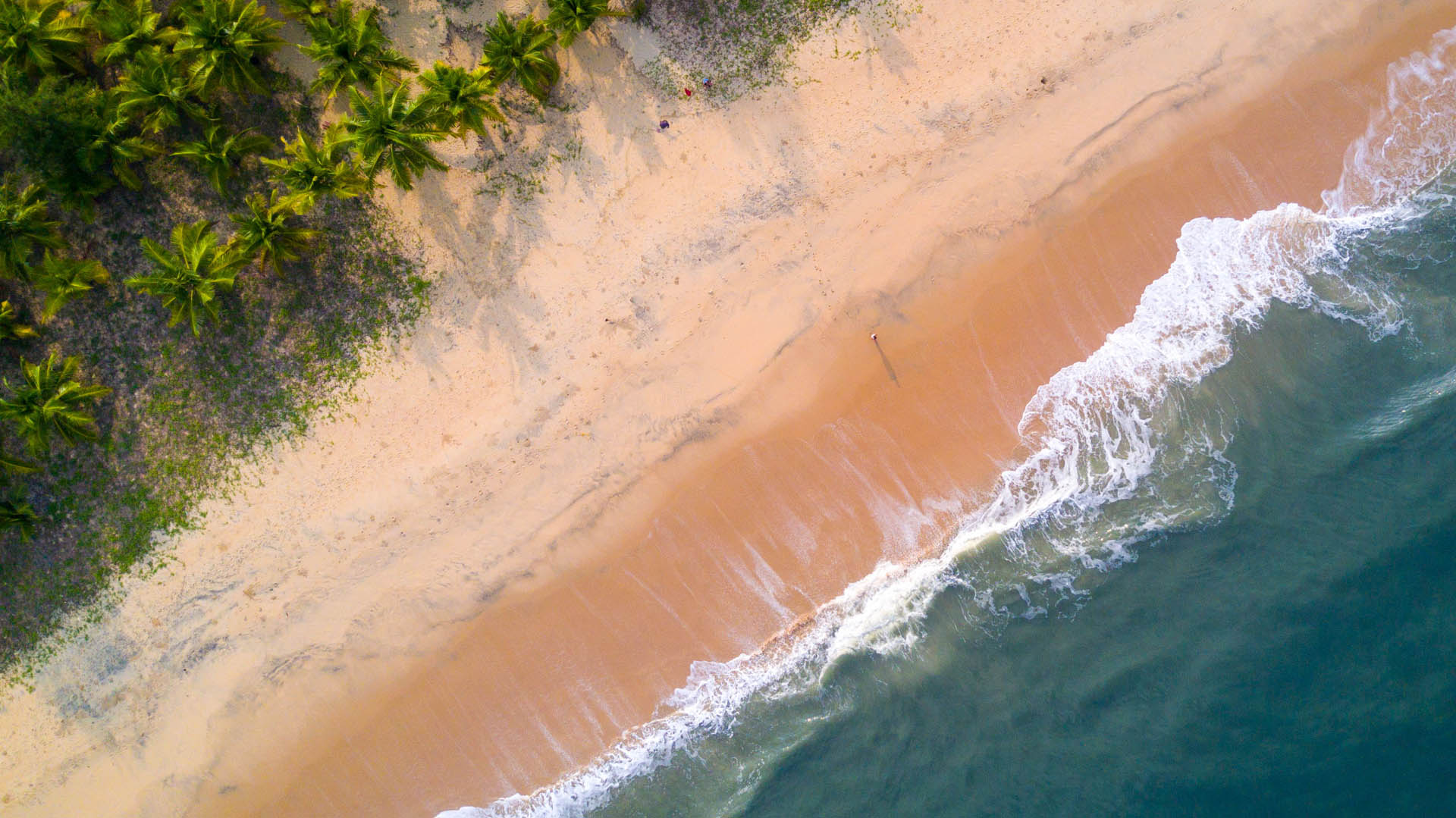
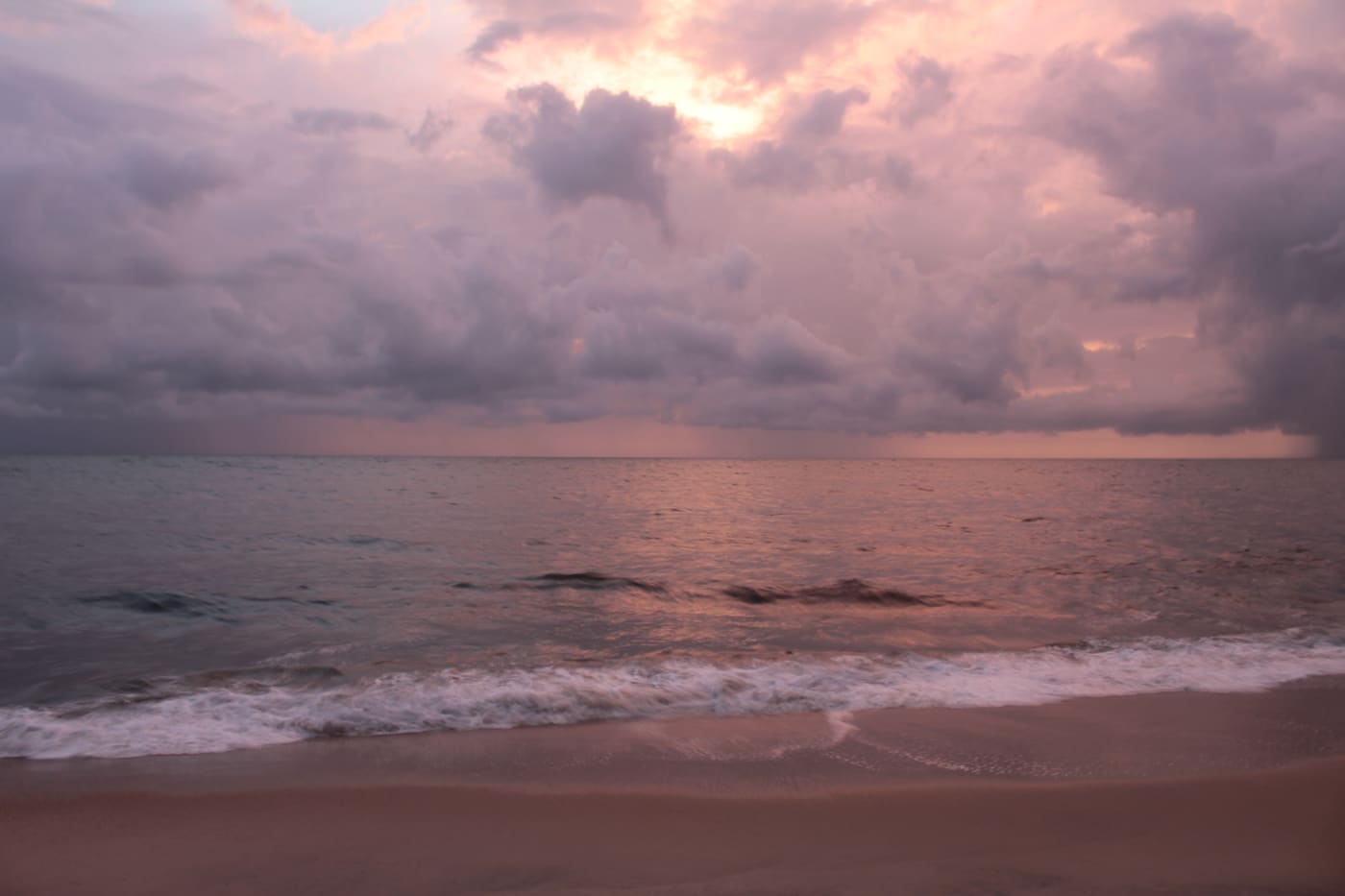
Beyond the crowds and the feast, Arthunkal rewards the ordinary visitor too. The basilica sits within easy reach of the tranquil Marari (Mararikulam) beach and the wider Alappuzha backwater country, so a stop here folds neatly into a coastal Kerala itinerary — a place to feel the region’s living devotion, then step out onto one of the state’s quietest, loveliest shores.
Legend & myth
The devotional world of Arthunkal is woven from tradition rather than documented fact, and it is best experienced in that spirit. The central figure is St Sebastian, and generations of the faithful have come here trusting in his intercession — countless stories of healing of body and mind are passed down within families, framed always as matters of faith and answered prayer rather than proven event. Devotees describe the saint as Arthunkal Veluthachan, the fair father, a title of tender closeness.
A striking strand of the tradition surrounds the great procession itself: pilgrims say that when the statue of St Sebastian is borne out during the feast, eagles are seen circling high above it. The sight is understood to recall the older legend of birds and caring hands tending the wounded martyr, and for the faithful the wheeling eagles are read as a sign of the saint’s living presence — a belief cherished, again, as devotion rather than as claim.
Most beautiful of all is the tradition that binds Arthunkal to the Hindu pilgrimage of Sabarimala. In popular belief among many Ayyappa devotees, St Sebastian and Lord Ayyappa are spoken of almost as brothers, and a visit to the Arthunkal shrine has long been folded into the Sabarimala journey — many pilgrims stop here in connection with their season of vows. This is a folk tradition of neighbourly faith, not a doctrine of either religion, and it is precisely this crossing of boundaries that Keralites hold up with pride: at Arthunkal, Christian and Hindu pilgrims kneel and walk side by side.
History
Christian presence along this stretch of the Alappuzha coast is old, but the church at Arthunkal takes its documented shape with the arrival of the Portuguese. It was the Portuguese missionaries who established the shrine here in the 16th century, and it grew quickly into an important centre of the Latin Catholic community on the Kerala shore.
The pivotal figure in that early history is Fr Jacomo Fenicio, an Italian Jesuit remembered as the vicar under whom the church was rebuilt in 1584. Fenicio, who died in 1632, was so revered by the local people — and, in tradition, associated with the fair complexion that gave the shrine its Veluthachan name — that his memory remains entwined with the devotion at Arthunkal to this day.
The church continued to develop after Fenicio’s time. Tradition holds that some years after his death the building was reoriented to face west, towards the long white-sand beach and the Arabian Sea. And in 1647 the celebrated statue of St Sebastian — the martyr shown pierced with arrows, said to have been sculptured in Milan — was brought and installed in the church, becoming the enduring focus of pilgrimage.
For centuries thereafter Arthunkal grew steadily as a shrine of St Sebastian, its January feast expanding into one of the largest pilgrim gatherings in Kerala and its reputation spreading well beyond the Christian community. The present basilica, broad and white, is the fruit of that long history of rebuilding and enlargement to accommodate ever-greater crowds.
The modern honour came on 9 July 2010, when the church was elevated to the status of a Minor Basilica — an act attributed to Pope Benedict XVI — making it the first parish in the Diocese of Alleppey to receive that dignity. The title placed Arthunkal formally among Kerala’s most significant Catholic shrines, confirming in Church law the standing it had long held in the hearts of pilgrims.
Why visit
To stand before one of India’s great pilgrimage shrines dedicated to St Sebastian — a place where centuries of Portuguese-rooted devotion are still vividly alive.
To witness, in the January Arthunkal Perunnal, one of Kerala’s largest and most moving feasts, when hundreds of thousands of pilgrims and a candle-lit procession fill the coastal town.
To experience a rare living symbol of Kerala’s communal harmony, where Hindu Ayyappa pilgrims from Sabarimala arrive to pray alongside Christian devotees.
To trace real history on the ground — the story of Fr Jacomo Fenicio, the 16th-century Portuguese mission, the Milan-sculpted statue of 1647, and the 2010 basilica honour.
To pair devotion with the coast: the basilica sits beside the calm, beautiful Marari (Mararikulam) beach, ideal for a quieter half-day by the sea.
To feel the atmosphere of a genuine local shrine — not a museum piece but a place families return to, wrapped in the affectionate name Arthunkal Veluthachan.