Where Kerala’s coast slows to the rhythm of the tide — a long, palm-fringed ribbon of pale sand fronting a working fishing village, and one of the state’s most beloved unhurried escapes.
The story of Marari Beach
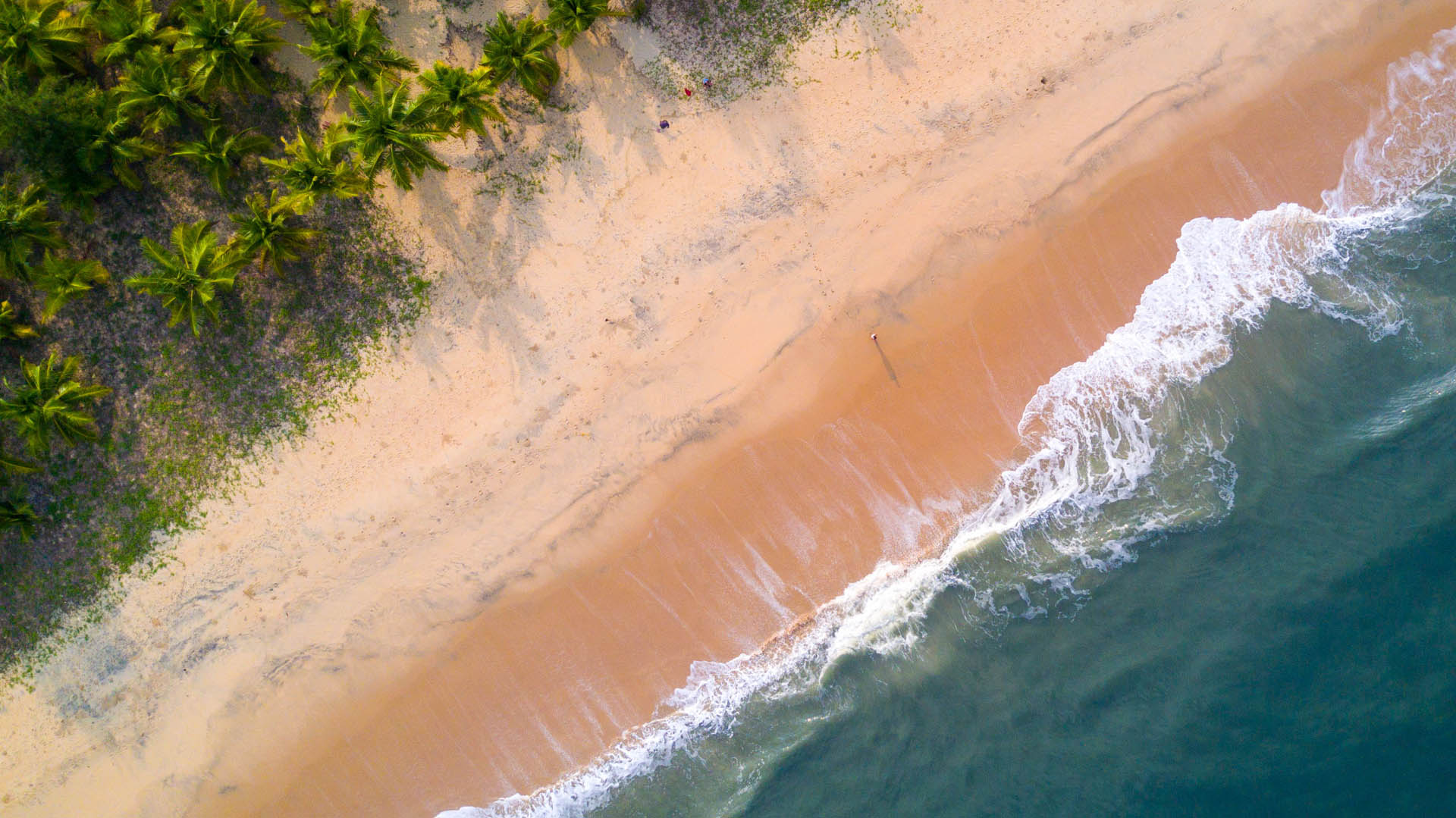
Marari Beach unspools for kilometres along the Arabian Sea coast at Mararikulam, roughly midway between the port city of Cochin and the backwater town of Alappuzha (Alleppey). It takes its name — and its soul — from the fishing hamlet of Mararikulam that lies just behind the dunes. This is not a manicured tourist strip but a genuine stretch of Kerala shoreline: a wide, gently shelving beach backed by dense coconut groves, catamarans hauled up on the sand, and drying nets strung between the palms. The sense of space is the point; you can walk for a long while and meet more fishermen than sunbathers.
The defining character here is the working fishing village. Each dawn and dusk the men of Mararikulam push their boats through the surf to bring in the day’s catch, much as their families have for generations, and the whole beach becomes a hive of activity — hauling lines, sorting fish, mending nets. Watching a team drag in a laden shore-seine, or the little wooden craft riding back through the breakers, is the beach’s great free spectacle. Life goes on much as it did a century ago, and that lived-in authenticity is exactly what draws travellers who want the real Kerala rather than a resort bubble.
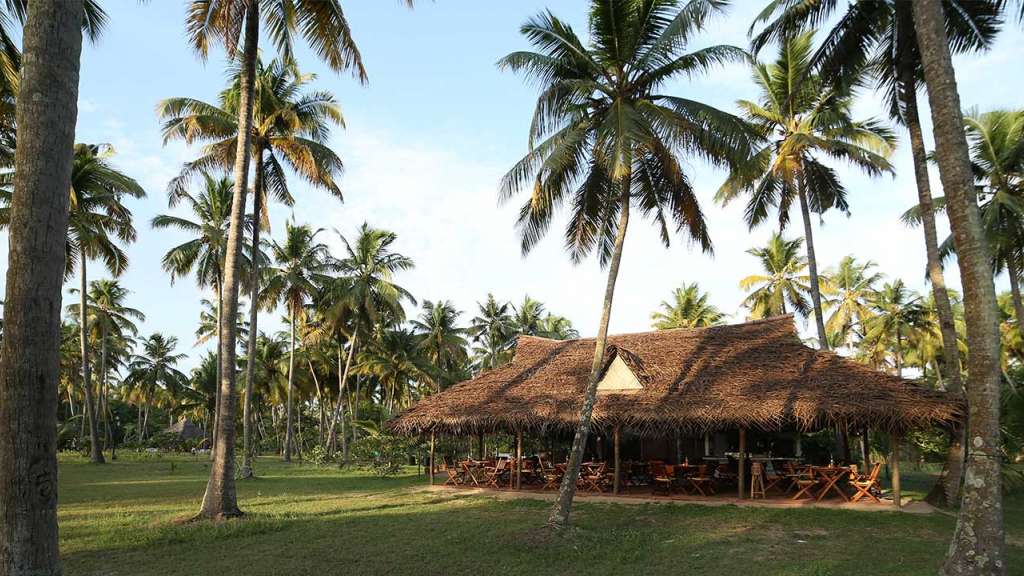
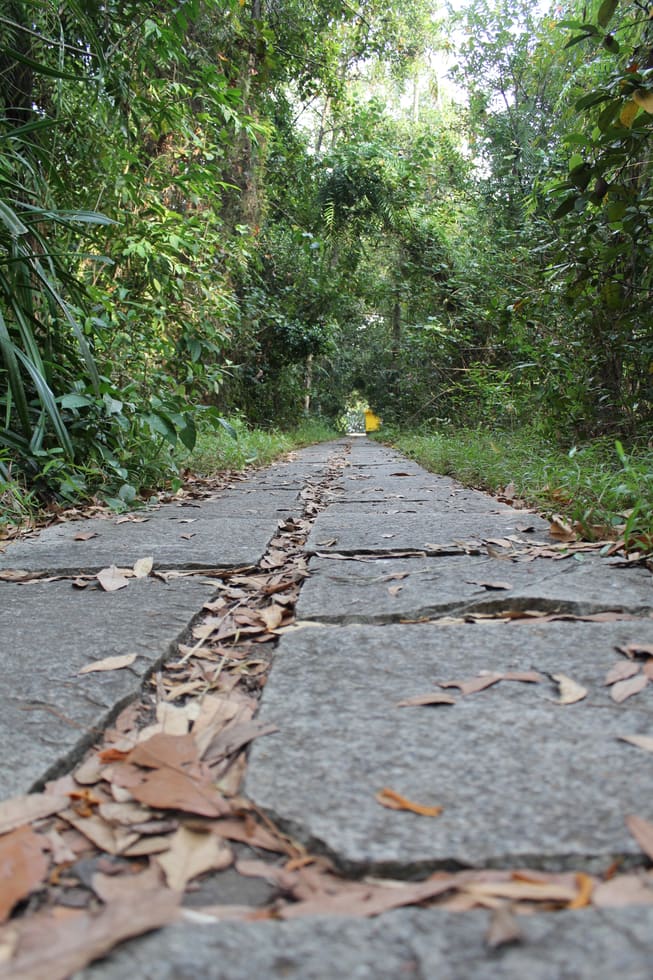
Behind the sand, the landscape is quintessential coastal Kerala: swaying coconut palms, quiet village lanes threading between thatched and tiled homes, little ponds, and pockets of paddy and coir-making. It is flat, green and made for slow exploration on foot or by bicycle. The soundtrack is wind in the fronds, the boom of the surf and the occasional bell of a bicycle — a world away from the horns and crowds of Kerala’s busier hubs.
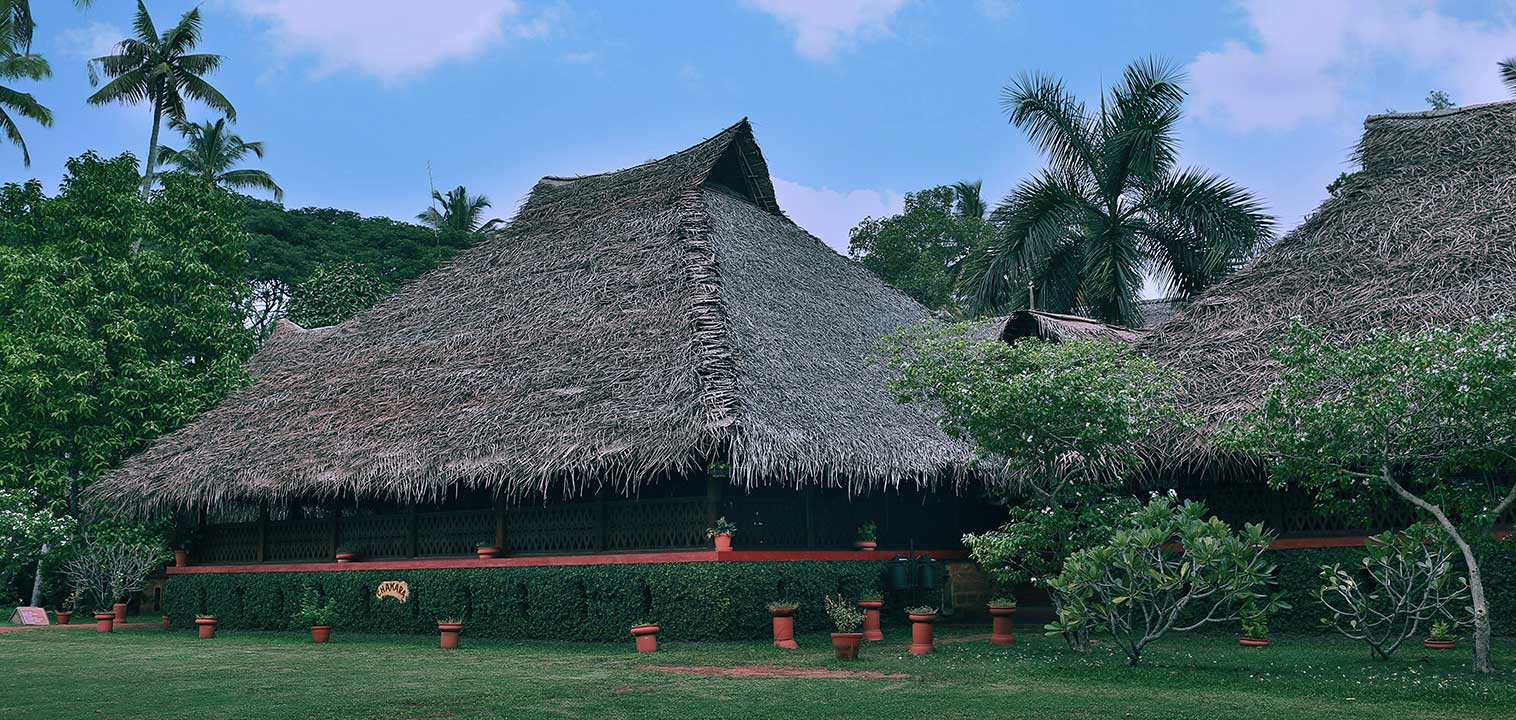
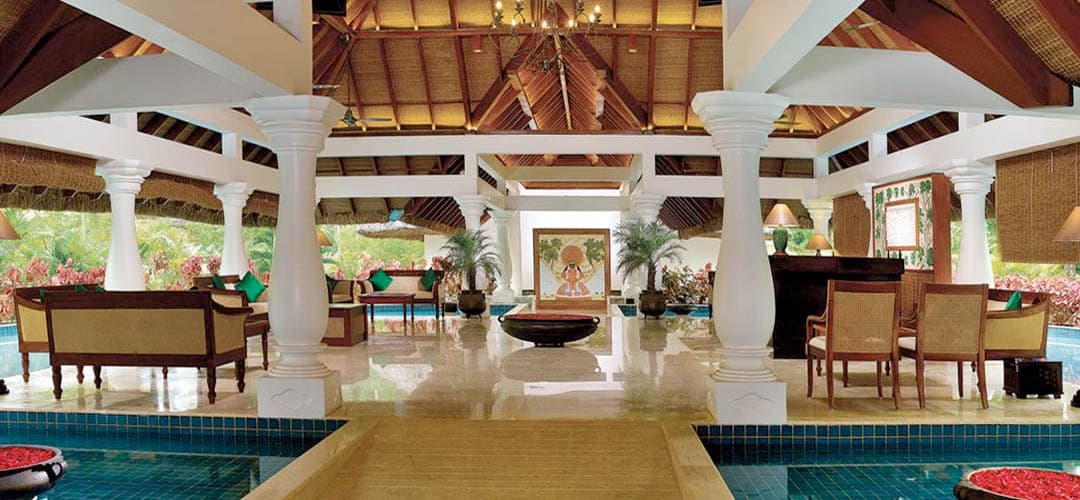
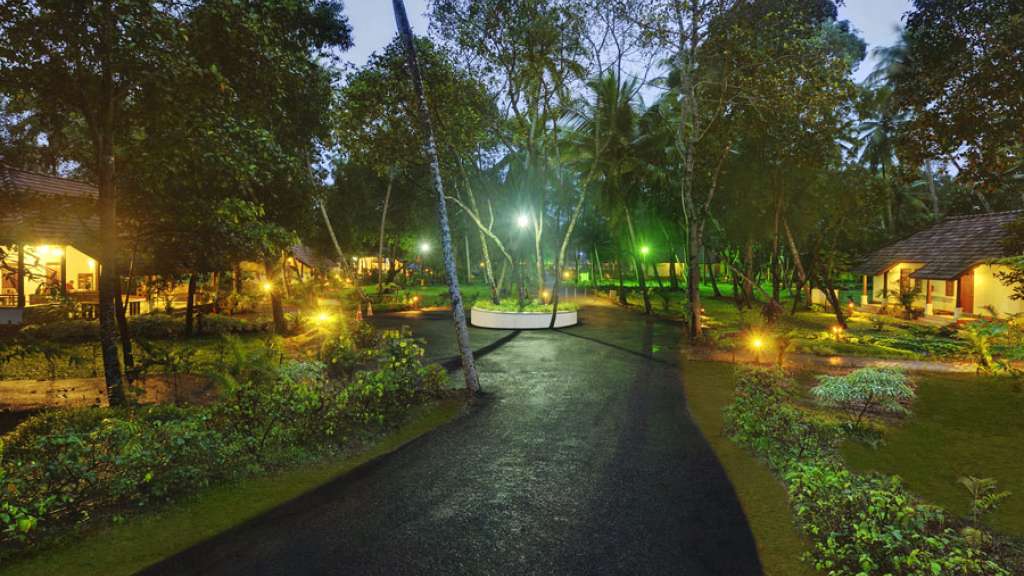
Marari has become synonymous with relaxed, low-key and eco-conscious hospitality. The pioneering Marari Beach Resort, run by the CGH Earth group, spreads across acres of coconut grove behind the beach, its cottages consciously modelled on the fishermen’s own dwellings, and it helped put this quiet coast on the map for barefoot luxury and Ayurveda. A cluster of smaller homestays, boutique retreats and beach guesthouses has since grown up around the village, but the mood stays deliberately unhurried — hammocks, spa treatments, yoga at sunrise and long, lazy lunches of just-landed seafood.
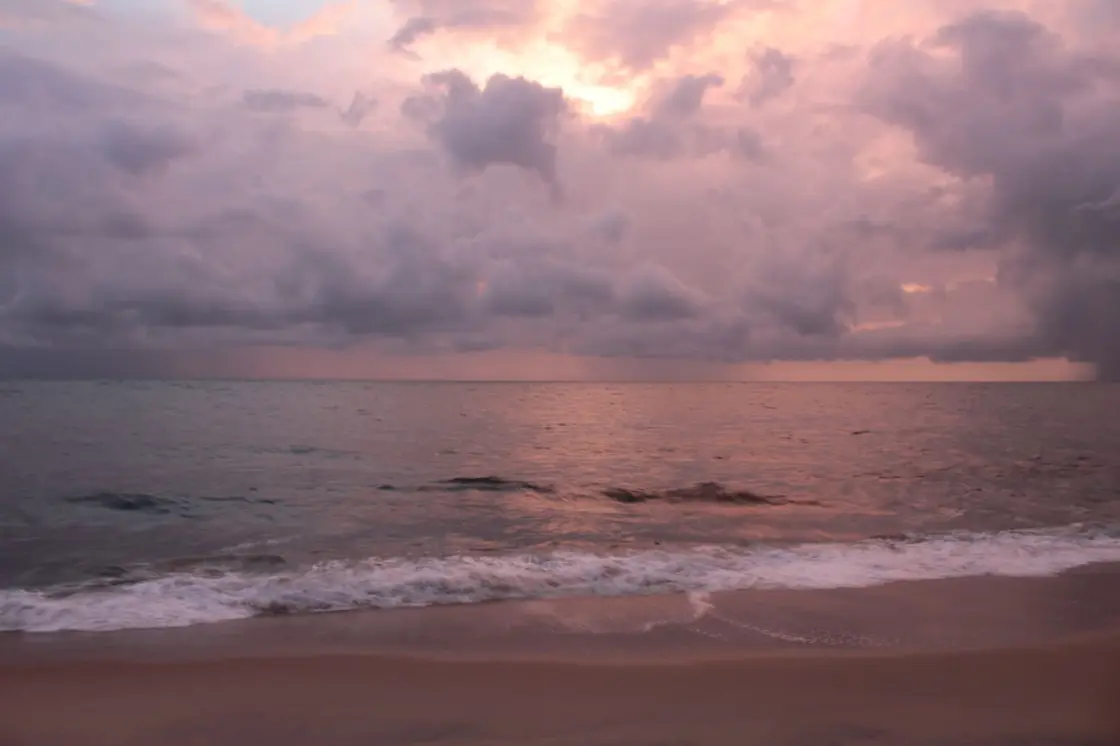
The sunsets are the reward at the end of the day. With the Arabian Sea filling the whole western horizon and palms silhouetted along the shore, the sky over Marari turns molten as the fishing boats come in, and the beach fills briefly with villagers, strolling guests and children playing cricket on the firm wet sand before darkness settles.
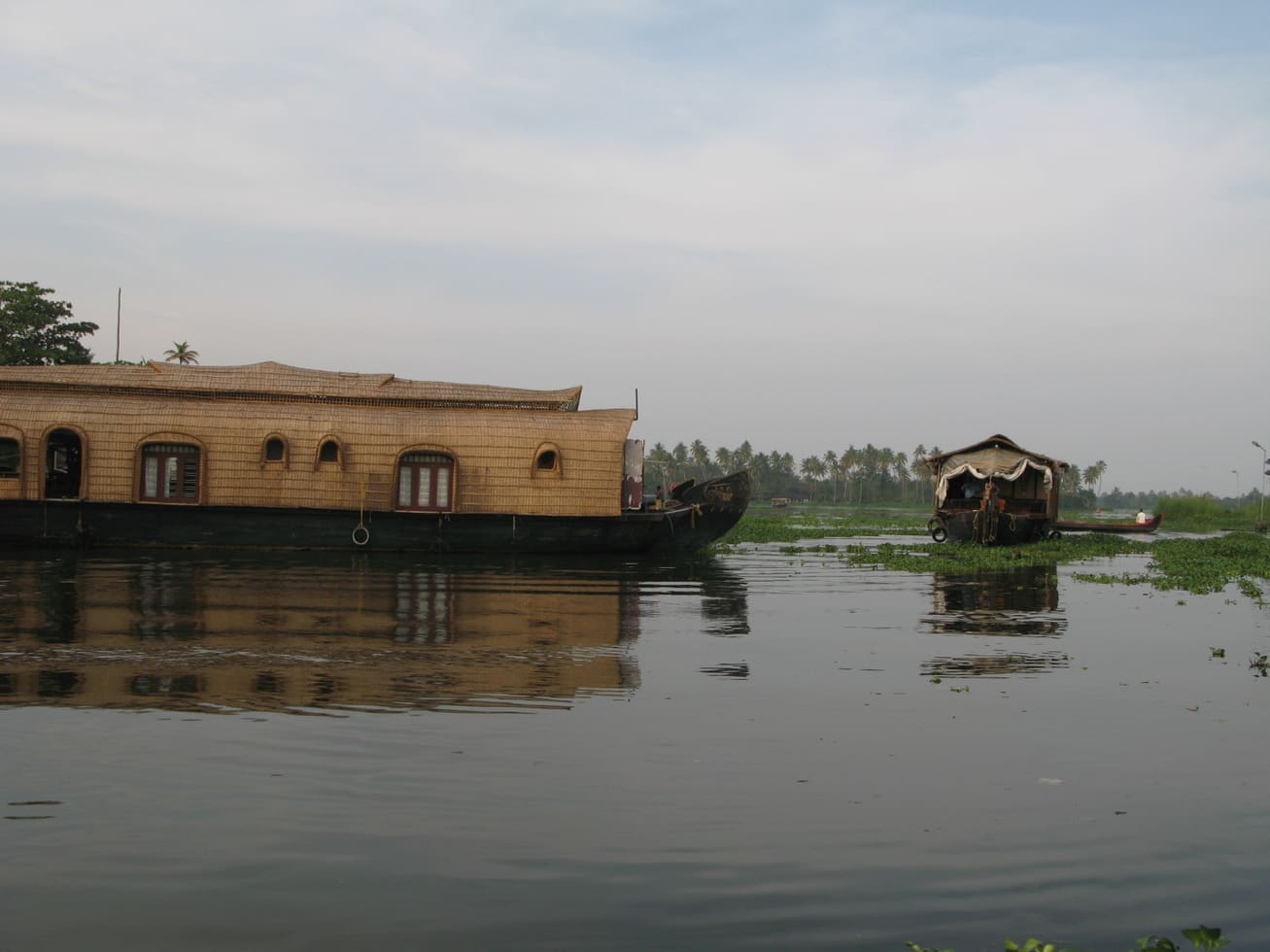
What really sets Marari apart is context. It is a tranquil counterpoint to Kerala’s more developed and crowded beaches such as Kovalam and Varkala — quieter, wider, less commercial — while sitting barely a short drive from the Alappuzha backwaters and their famous houseboats. That pairing of restful shoreline and world-class backwater cruising, all within easy reach of Cochin, makes Marari a natural place to begin or end a Kerala journey.
History
Mararikulam grew up over centuries as a traditional coastal settlement of Kerala’s Alappuzha (Alleppey) region, sustained by fishing, coir-making and small-scale coconut agriculture. Its life has always been shaped by close interaction with the sea and the neighbouring backwater systems, and the local community relied on indigenous fishing techniques and the seasonal rhythms of the Arabian Sea — a maritime culture that still defines the village today.
The broader Alappuzha coast has long been one of Kerala’s most storied stretches of shoreline. Alleppey, just to the south, rose in the colonial era as a busy port and coir-trading centre laced with canals — earning its old billing as the ‘Venice of the East’ — while the lagoons and lakes inland became the celebrated Kerala backwaters. Mararikulam sat quietly within this network as a fishing hamlet rather than a trading town, which is much of the reason it retained its unspoilt character into the modern age.
Marari’s emergence as a travel destination came late, and by design gently. As Kerala rose to international prominence from the late 20th century on the strength of its backwaters, greenery and culture, the coast at Mararikulam was developed with a lighter touch than the mass-tourism beaches. The turn toward responsible and eco-conscious tourism that gathered momentum in Kerala from the late 1990s suited Marari perfectly, and the beach built its reputation on tranquillity rather than nightlife.
The single most influential development was the Marari Beach Resort, operated by the CGH Earth group — a Kerala hospitality pioneer with roots stretching back to the mid-20th century and a long-standing commitment to ecological responsibility. Set in a coconut grove directly behind the fishing village, with cottages echoing the fisherfolk’s dwellings and cuisine drawn from local traditions, it framed Marari as a place of barefoot, sustainable luxury and Ayurveda, and drew international recognition for its approach. Its success seeded a wider ecosystem of homestays and small retreats along the shore.
Through all of this the underlying fishing economy has endured. Mararikulam remains a genuinely working village where the daily catch, drying nets and beached catamarans are part of everyday life, not a staged attraction — the continuity of that livelihood is precisely what gives Marari its authenticity and its enduring appeal to travellers seeking an unhurried, unspoilt Kerala coast.
Why visit
One of Kerala’s longest, widest and most unspoilt beaches — space to walk for ages.
A genuine working fishing village: watch the boats and shore-seines come in at dawn and dusk.
A calm, uncommercial alternative to busy Kovalam and Varkala.
Classic coconut-grove scenery, ideal for cycling and slow village wandering.
Home to pioneering eco and Ayurveda resorts, including CGH Earth’s Marari Beach Resort.
A short drive from the Alappuzha backwaters and houseboats, and easy from Cochin.