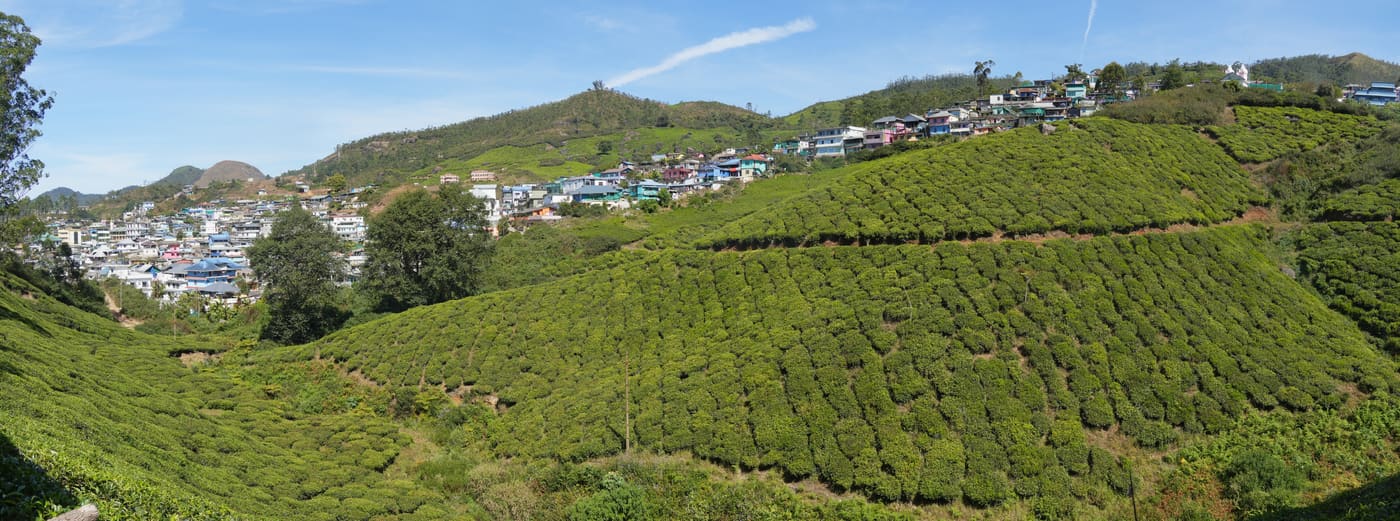
Rising to roughly 2,695 metres above the tea-quilted hills of Munnar, Anamudi is the highest peak in South India — a great whaleback of shola and grassland that catches the first light long before the valleys below wake.
The story of Anamudi Peak
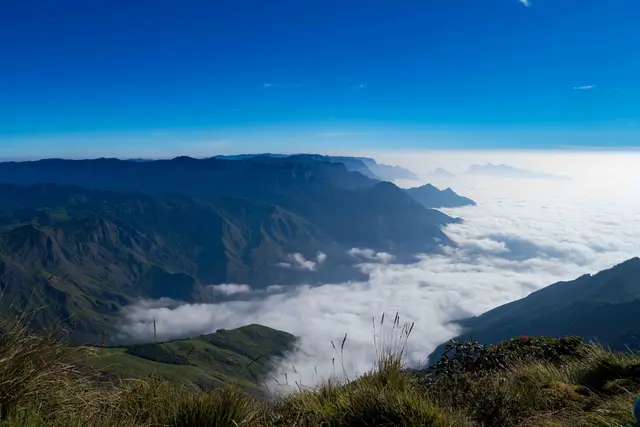
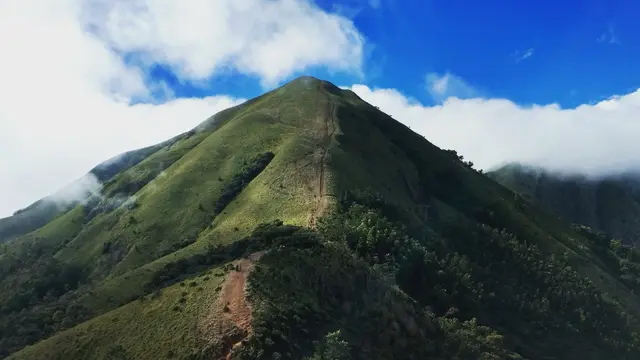
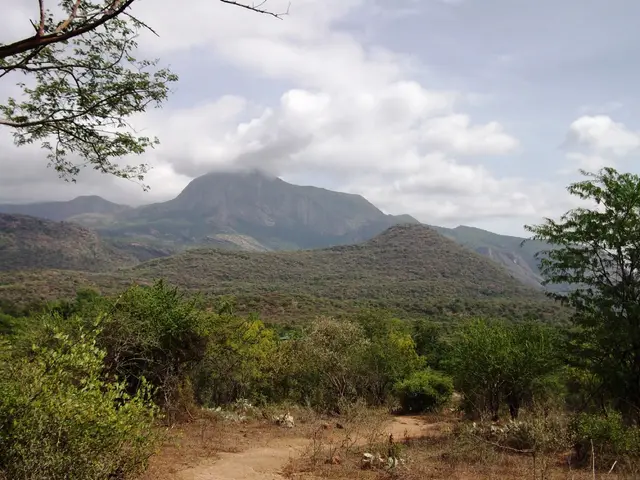
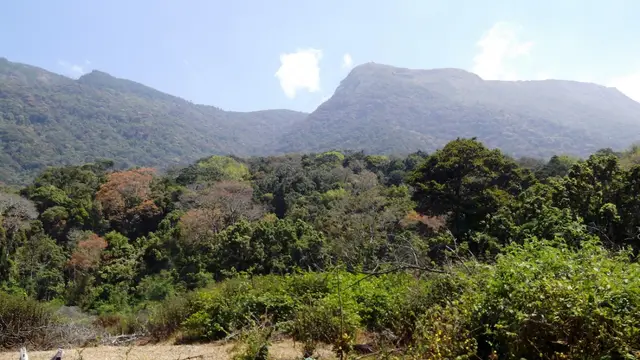
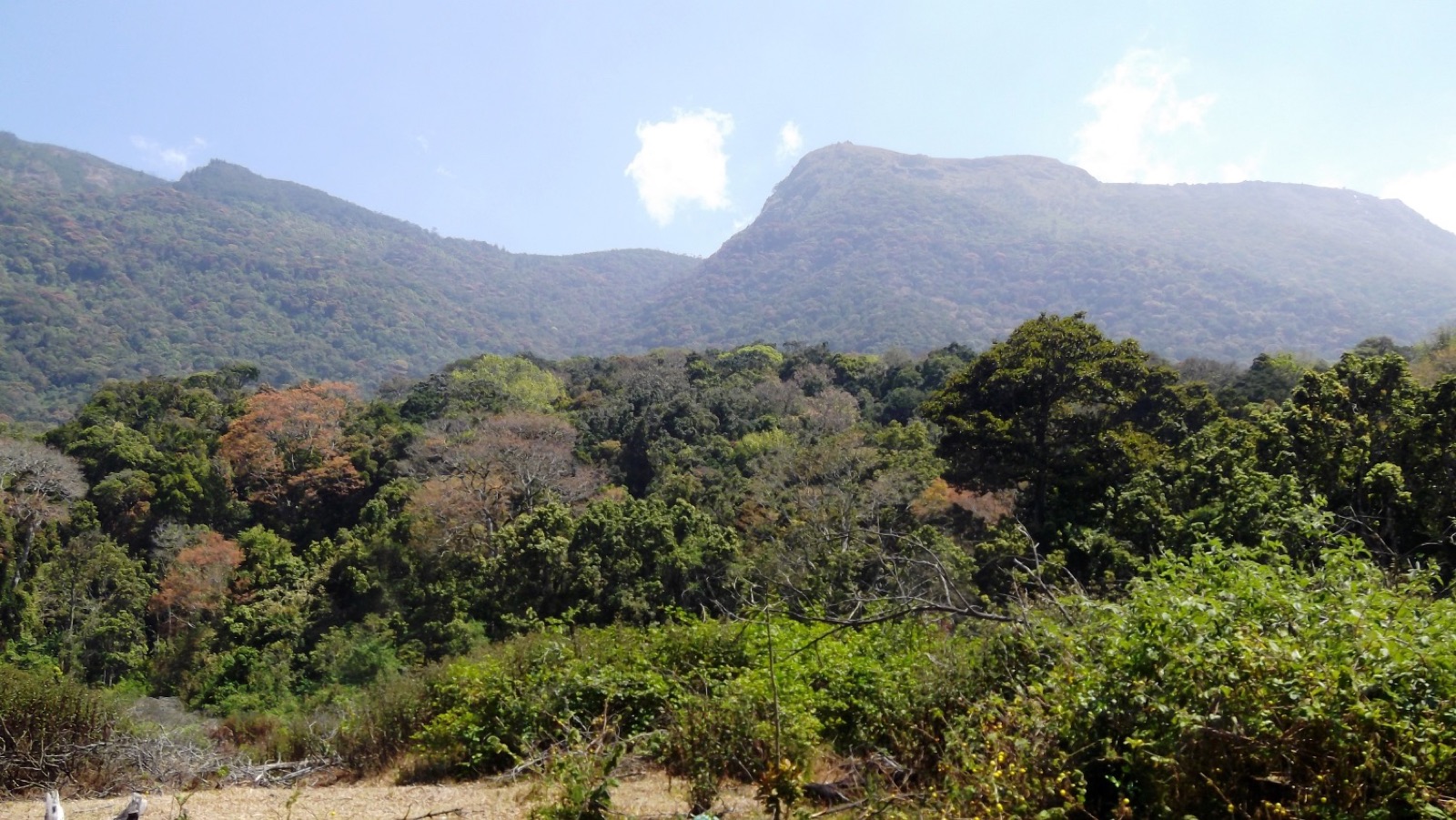
Anamudi is the rooftop of peninsular India, the tallest summit south of the Himalayas at around 2,695 metres (indicative — confirm locally). Its name comes from the Malayalam words ana (elephant) and mudi (forehead or brow), and from a distance the broad, rounded dome of rock and grass really does resemble the swelling forehead of a tusker lowering its head. The mountain crowns the Western Ghats where the Anaimalai and Cardamom ranges meet, and on a clear morning it seems to float above a sea of mist, tea gardens and folded blue ridgelines.
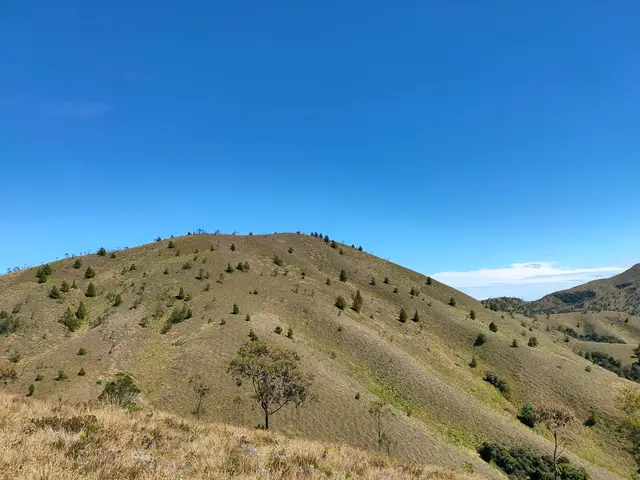
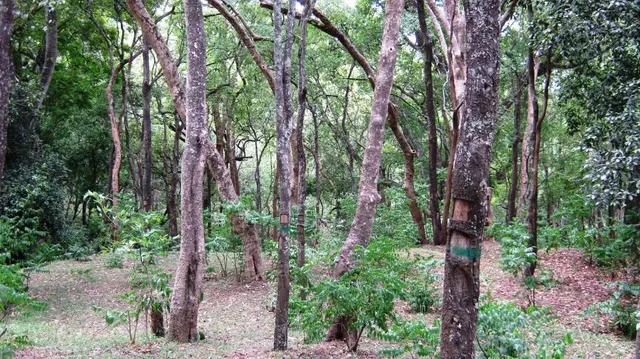
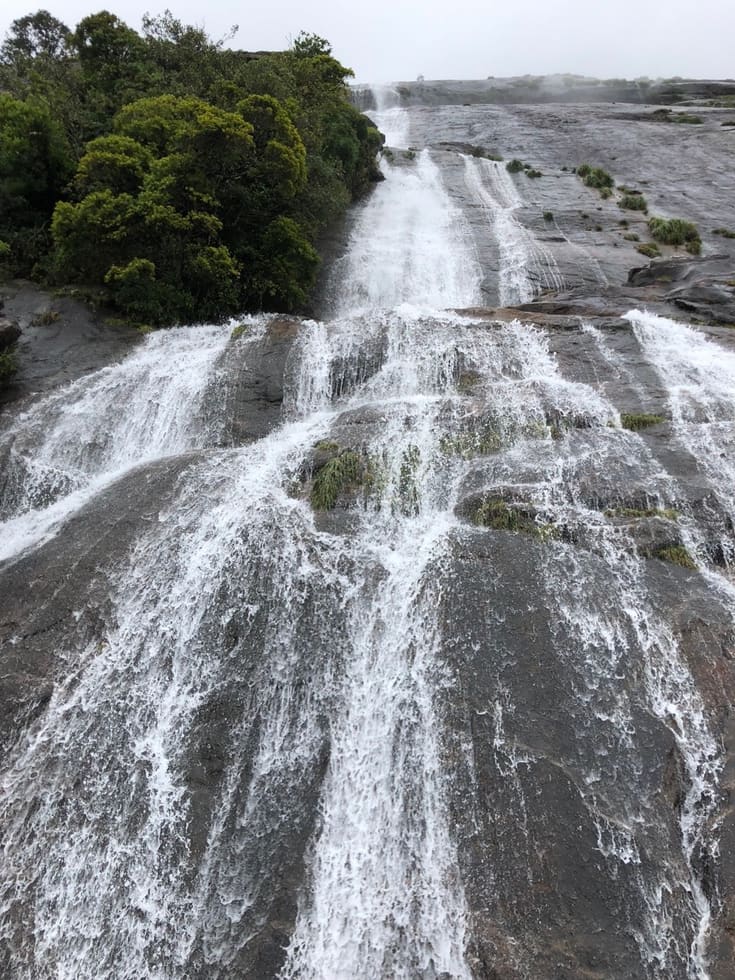
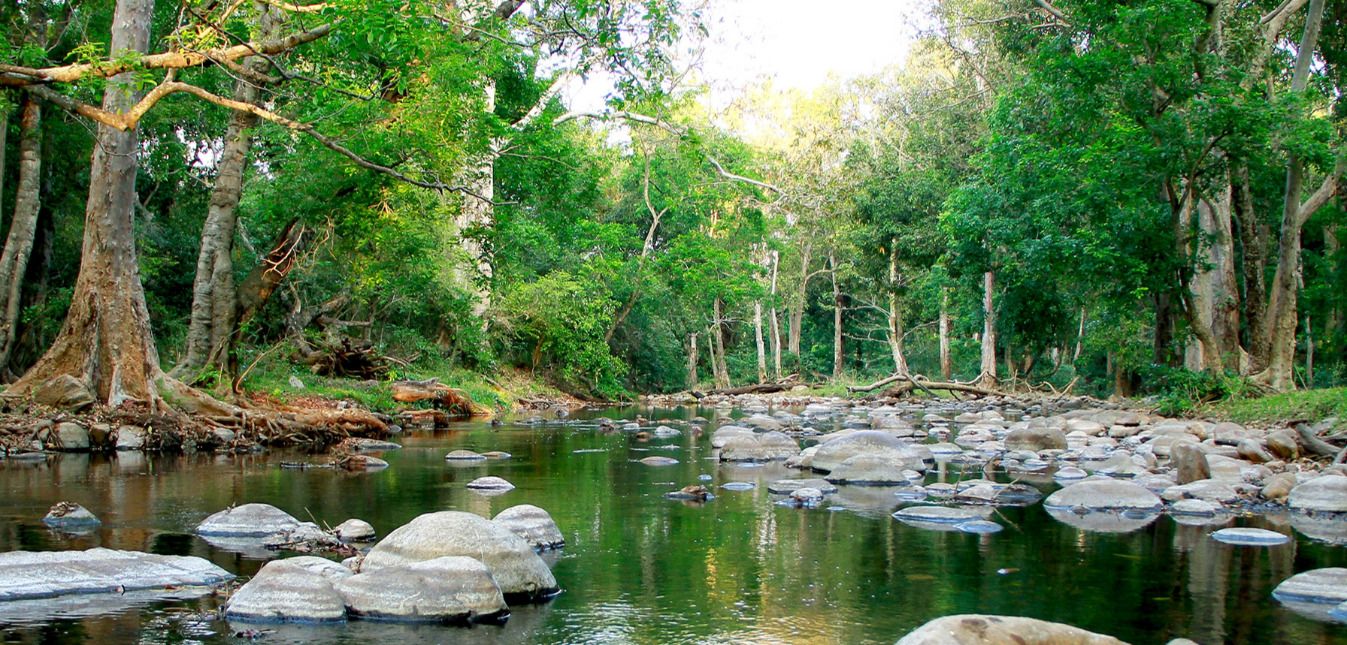
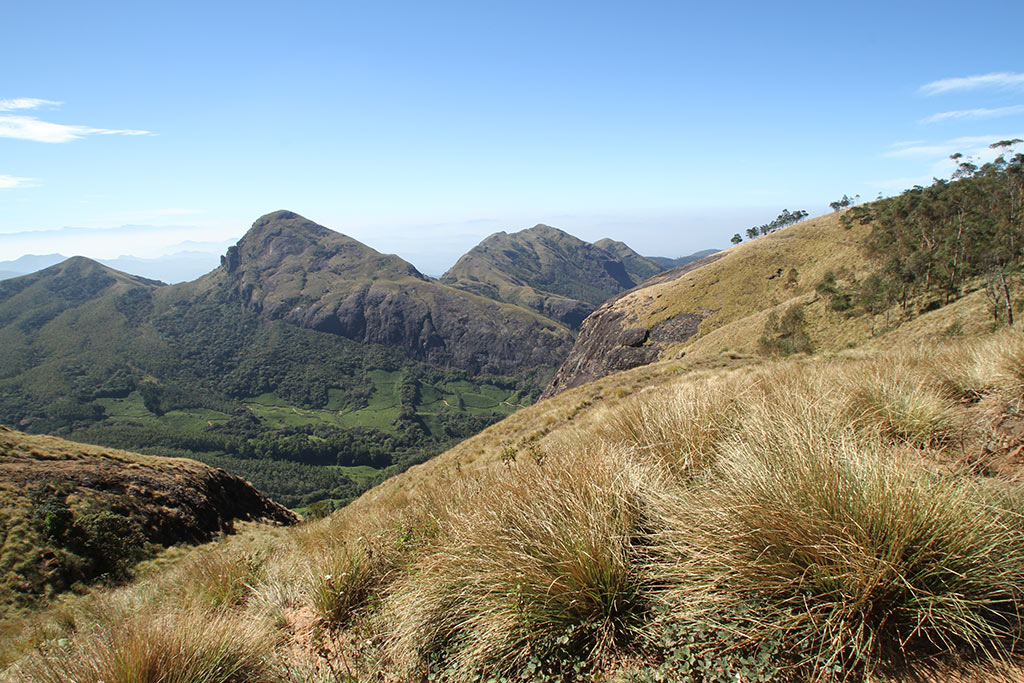
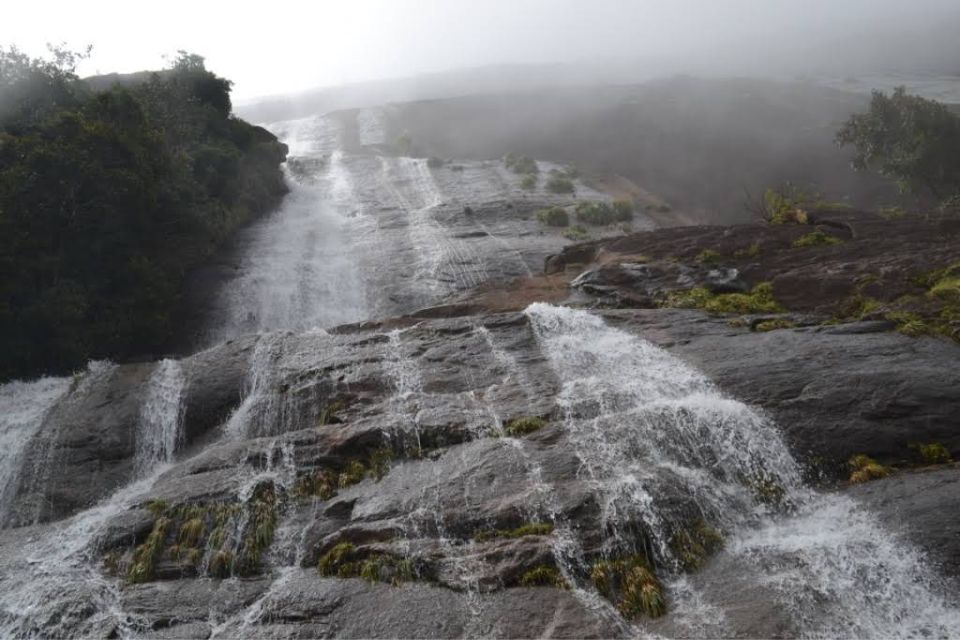
The massif is a living museum of the high-altitude shola-grassland mosaic — dark, stunted evergreen forests tucked into the sheltered folds and valleys, ringed by rolling seas of frost-hardy grass on the exposed slopes. This patchwork is one of the rarest habitats in the country, a relic of cooler, wetter ages that has survived only on the highest ridges of the Ghats. Streams born on Anamudi feed the Periyar and Chalakudy river systems, so in a real sense the peak waters much of central Kerala.
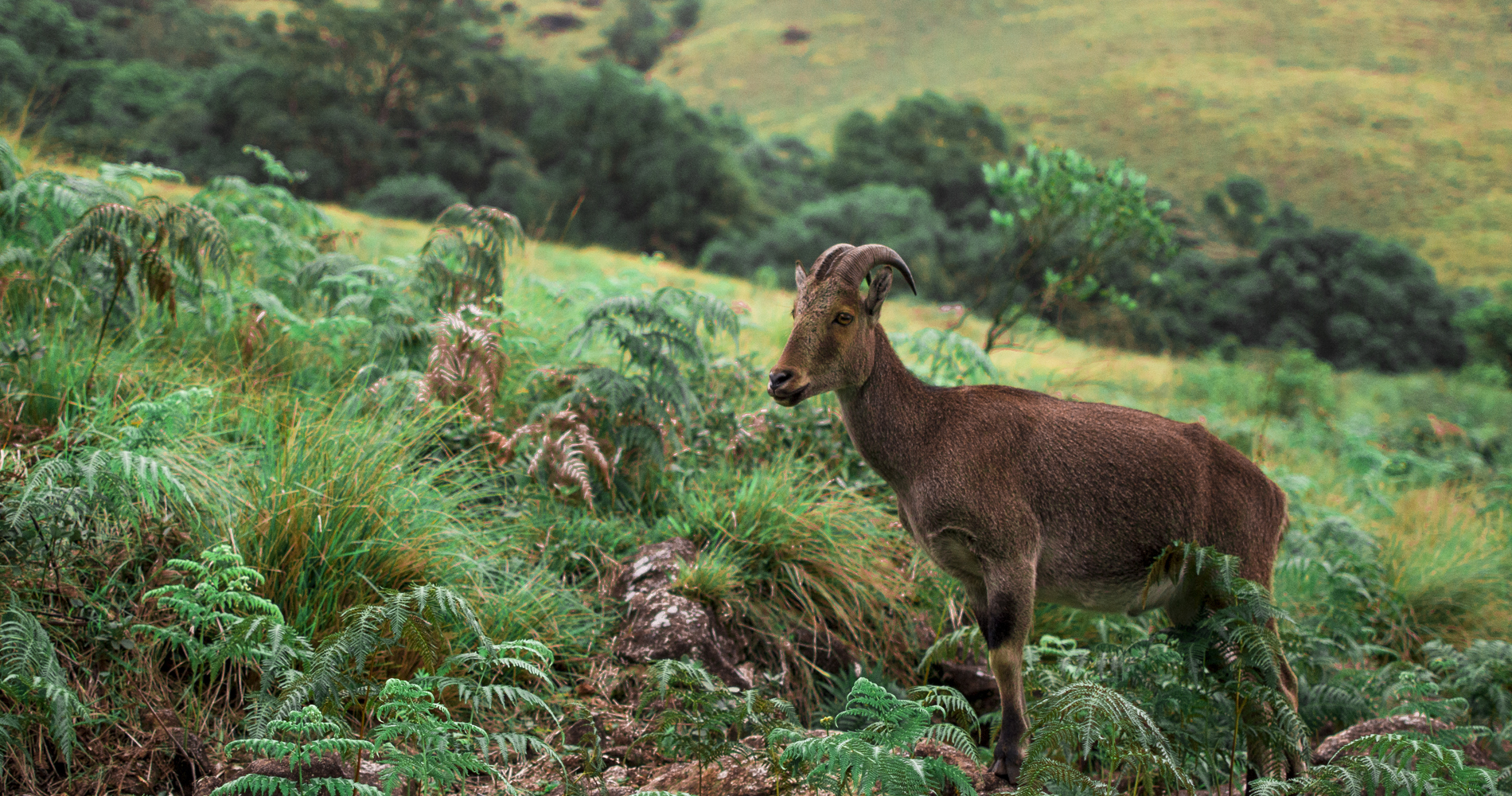
Anamudi and the surrounding rolling downs of the Eravikulam plateau are the last great stronghold of the Nilgiri tahr, a stocky, sure-footed mountain goat found nowhere else on Earth. The tahr — locals call the older males saddlebacks for the pale patch on their coats — graze the grasslands in easy view of visitors at the park, remarkably unbothered by people. Watching a herd pick its way across near-vertical crags with the peak behind them is the signature Eravikulam experience.
Once roughly every twelve years the slopes stage one of India's most extraordinary natural spectacles — the mass flowering of the Neelakurinji (Strobilanthes kunthiana). For a few weeks the grassland turns a rolling wash of violet-blue, the bloom so vast it has, by tradition, lent its colour to the very name of the Nilgiri (blue) hills. The plant flowers gregariously and then dies, its seeds waiting out the long years until the next collective bloom, so the sight is one a traveller might catch only a handful of times in a lifetime.
For most people the real reward is the view of Anamudi rather than the top of it. From the tourist zone of Eravikulam National Park at Rajamala, the peak reveals itself across the grasslands — huge, serene and often crowned in cloud — with tahr in the foreground and the whole plateau dropping away toward Munnar. The light is theatrical here: dawn mist, midday brilliance, and a golden late-afternoon glow that photographers chase.
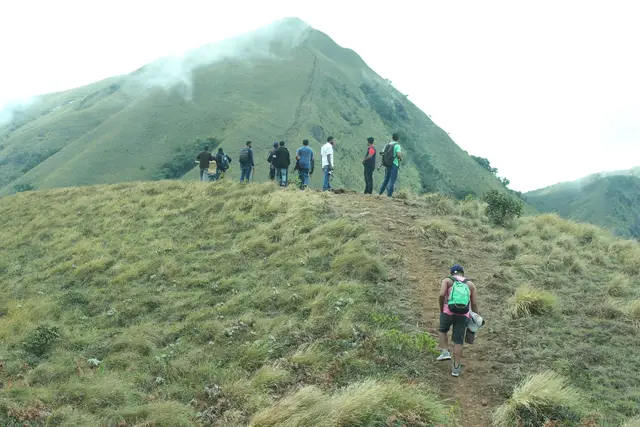
A word of honesty on access — the actual summit of Anamudi is not an open tourist climb. It lies deep in the protected core of Eravikulam National Park, and the fragile grasslands, the tahr and the shola are precisely why casual trekking to the top is restricted and frequently closed altogether. Reaching the peak itself generally needs special permission from the Forest Department and is rarely granted; the overwhelming majority of Anamudi visits are the superb views from the Eravikulam / Rajamala zone, not a scramble to the cairn on top.
History
The name Anamudi is drawn straight from Malayalam — ana or anai meaning elephant, and mudi meaning forehead, brow or peak — a description of the mountain’s rounded, elephantine profile and a nod to the elephant herds of the ranges below. It is a name given by observation of the land itself rather than any single legend, and it has stuck for generations as the plain-spoken title of South India’s highest point.
At roughly 2,695 metres (indicative — confirm locally), Anamudi is the tallest peak in India outside the Himalayas and the highest anywhere in the Western Ghats and peninsular India. Colonial-era surveyors of the Great Trigonometrical Survey and later hill-station planters mapped and measured these high ridges through the nineteenth century, as Munnar grew into a British tea district and the surrounding grasslands were criss-crossed by estate boundaries and survey lines.
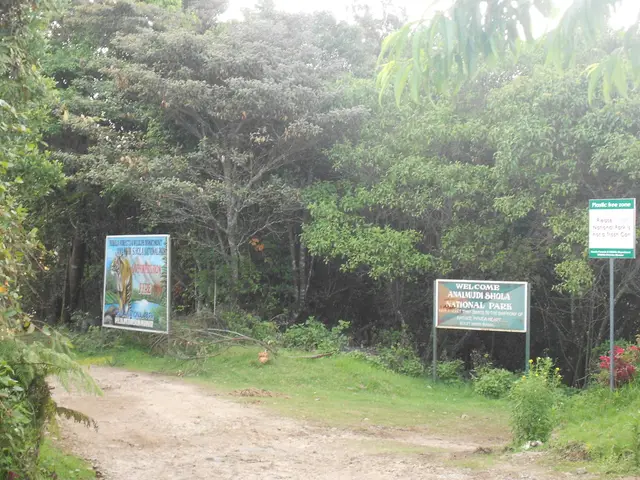
The peak sits at the heart of Eravikulam National Park, which was constituted as a national park in 1978, having earlier been protected as a sanctuary chiefly to save the Nilgiri tahr, whose numbers had crashed under hunting pressure. The park now shelters the single largest population of the species in the world, and Anamudi rises from its most closely guarded core zone.
The high plateau is also bound up with the Neelakurinji and gave its name to the neighbouring Kurinjimala Sanctuary, created to protect the twelve-year-blooming Strobilanthes and its habitat. The mass flowering — historically recorded in Munnar in bloom years such as 2006 and 2018 — is a documented, roughly duodecennial event that draws naturalists and pilgrims of the landscape from across the country.
Today the story of Anamudi is really a conservation story. Because the shola-grassland ecosystem is so rare and the tahr so vulnerable to disturbance, the Forest Department strictly limits access — the summit and core are closed to general trekking, the tourist zone is managed with timed shuttles and seasonal closures (the park typically shuts during the tahr calving season), and any approach to the peak itself requires special departmental permission that is seldom given. The restrictions are the reason the mountain remains as pristine as it is.
Why visit
Stand in view of the highest peak in South India — the rooftop of the country outside the Himalayas — rising over Munnar’s tea country.
Watch the endemic Nilgiri tahr at astonishingly close range on the Eravikulam grasslands, one of the surest wildlife sightings in India.
Time a rare visit for the Neelakurinji bloom, when the slopes turn a rolling violet-blue roughly once every twelve years.
Soak in the shola-grassland scenery — mist, downs and dark forest pockets — a habitat found almost nowhere else on the planet.
Photograph theatrical mountain light, from dawn cloud-seas to the golden late-afternoon glow across the plateau.
Pair the visit with Munnar’s tea estates, viewpoints and cool hill-station air for a classic high-Kerala day out.