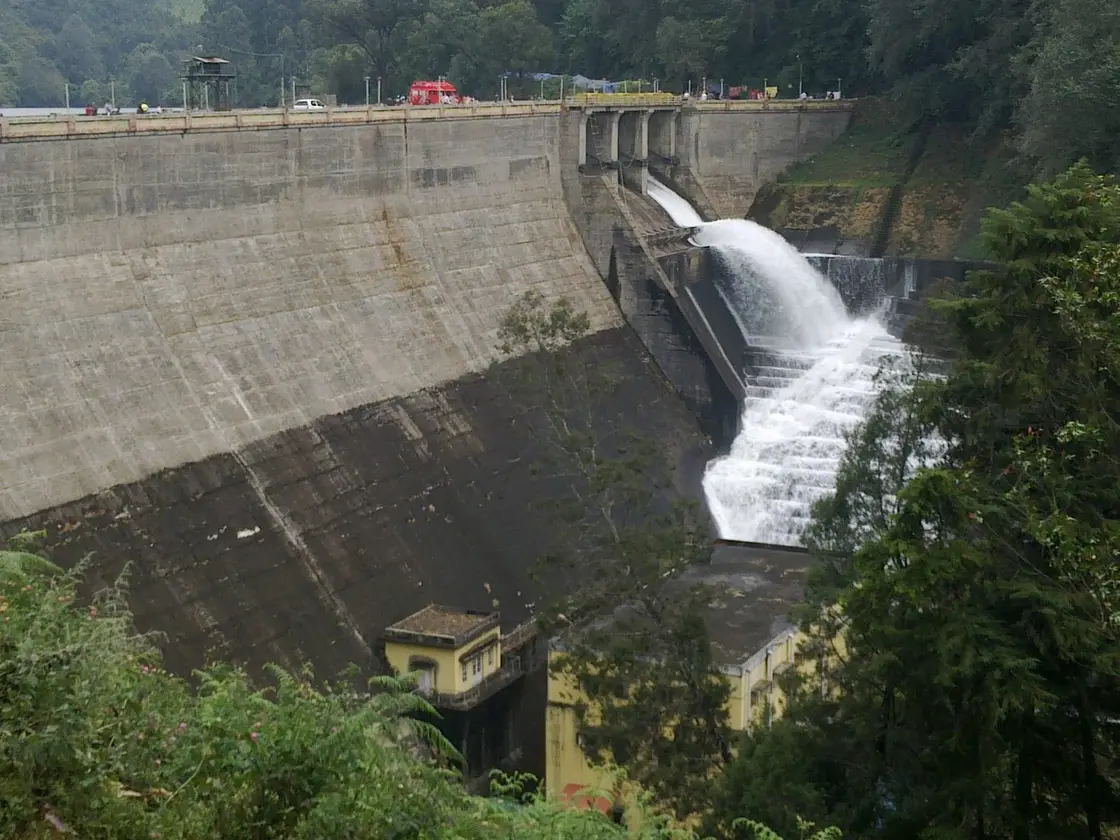
About 13 km from Munnar town, Mattupetty Dam is a concrete gravity dam whose storage reservoir spreads a sheet of still water across a bowl of tea-clad hills. Boating on the lake, the storied Indo-Swiss dairy farm nearby and the sweeping viewpoints over the Kannan Devan hills make it one of the most-loved stops on the Munnar–Kundala–Top Station road.
The story of Mattupetty Dam
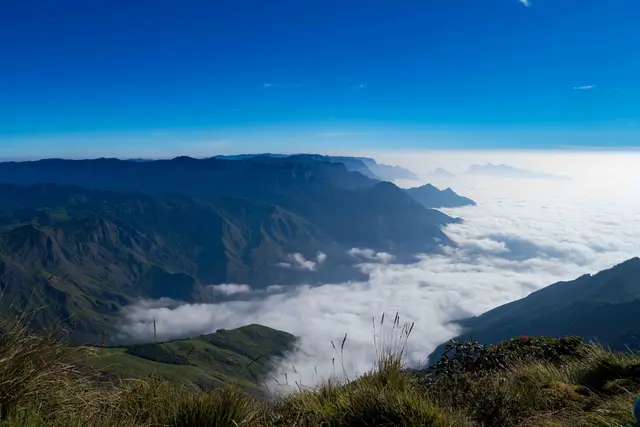
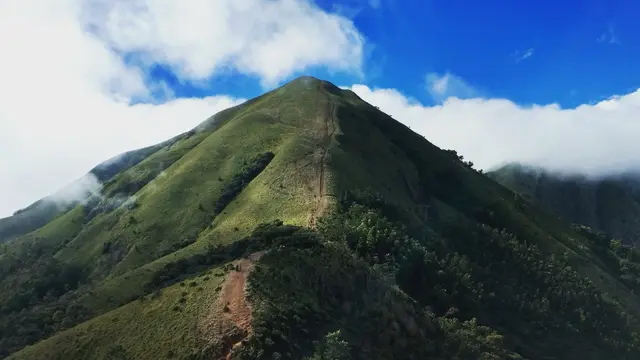
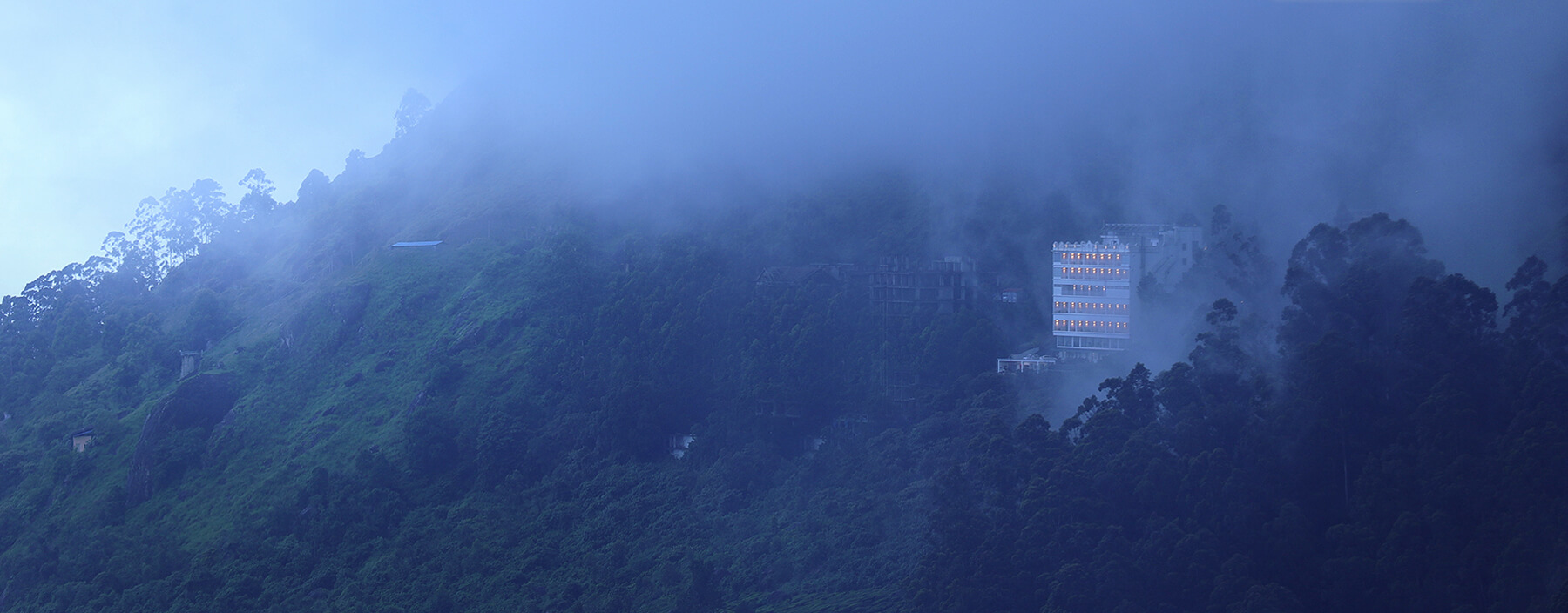
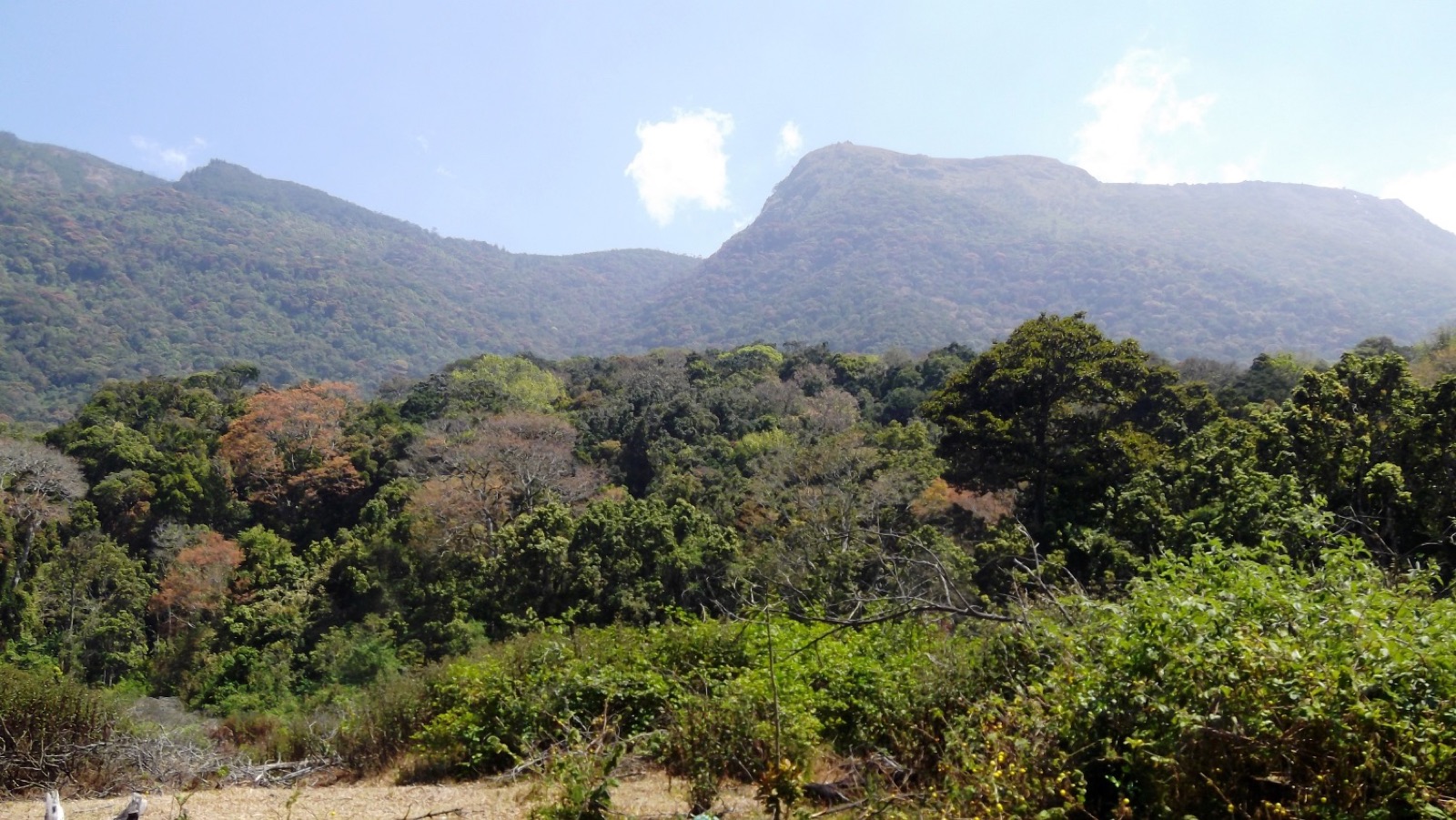
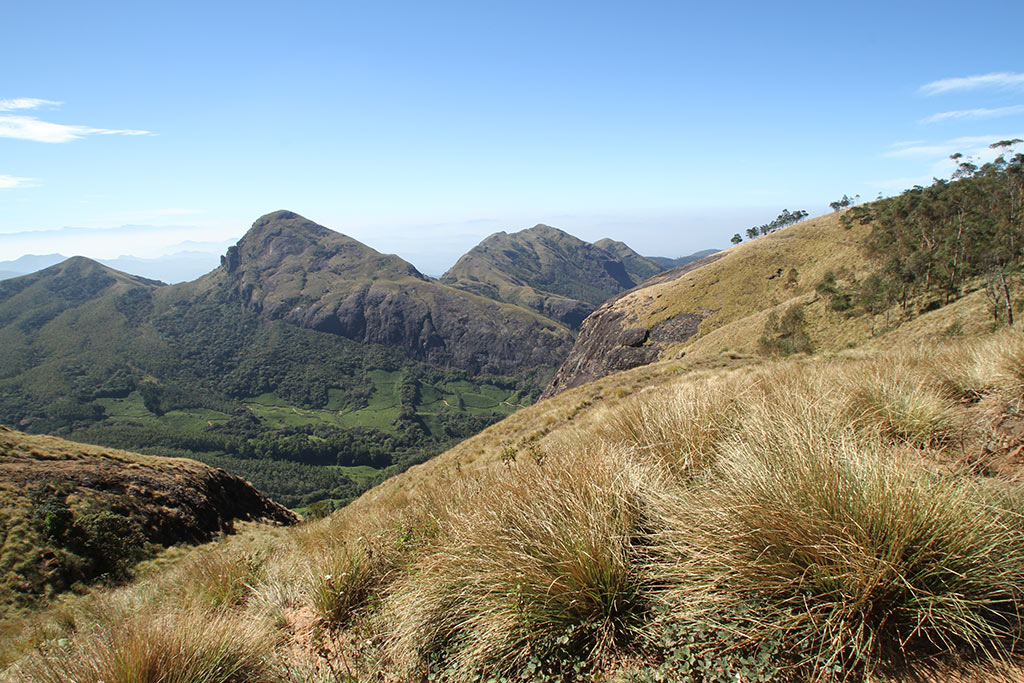
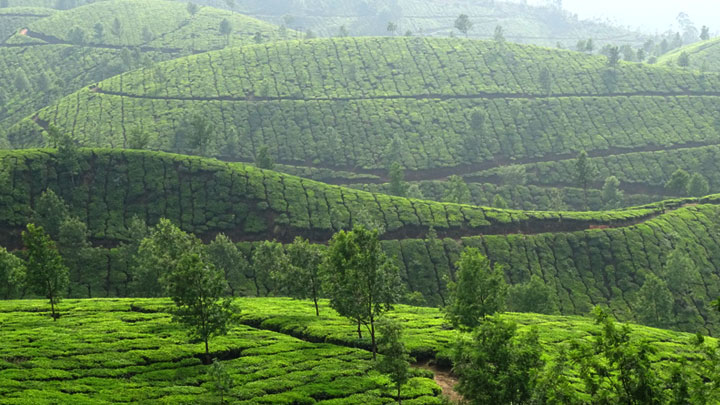
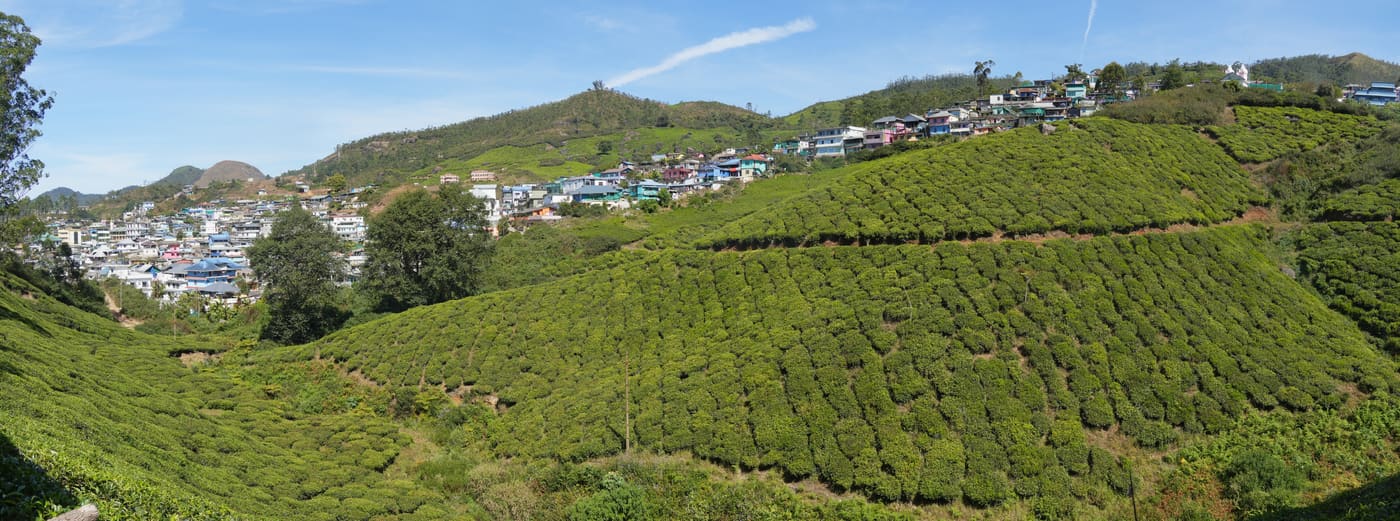
The road out of Munnar climbs steadily through corrugated ridges of tea, and then, quite suddenly, the hills part to reveal water — a long, glassy reservoir held back by the pale wall of Mattupetty Dam. At roughly 1,700 metres above sea level, the lake sits in a natural amphitheatre, its surface mirroring the tea slopes, the eucalyptus stands and the drifting Western Ghats mist. It is the kind of view that makes drivers pull over without being asked.
The name itself tells a small story. Local tradition reads “Mattupetty” as something close to “cattle village” or “cattle pen” — “maadu” for cattle, the settlement historically a grazing and kraal country in these high grasslands. The etymology proved oddly prophetic: more than a century later this same hillside would be chosen for one of India’s most important cattle-breeding centres, and the herds that gave the place its name were reborn as prize dairy stock.
The lake is the reason most visitors come. The District Tourism Promotion Council and private operators run a fleet on the water — speedboats for those chasing a thrill, gentler pedal and row boats for families, and slow, canopied cruises for anyone who simply wants to sit back and watch the hills slide past. A ride carries you out over deep green water ringed by tea, with kingfishers working the shallows and, on a good morning, the whole valley wrapped in cloud.
Just up the slope from the water lies the Indo-Swiss Livestock Project — the Mattupetty dairy farm — a working cattle-development station of some 400 head grazing hundreds of acres of manicured pasture. Visitors can look in on the high-yield herds and the tidy grasslands, and the sight of glossy crossbred cows against the tea hills has become as much a Mattupetty postcard as the dam itself.
The wider area rewards a slow half-day. A short way on lie Echo Point, where a shout bounds back off the hills, and the Kundala valley and dam with its own boating and cherry-blossom lanes. Elephants are known to move through this catchment, and lucky travellers glimpse a herd at the water’s edge in the early hours; grasslands and shola pockets around the reservoir shelter birds and other wildlife.
Mattupetty works best unhurried — a boat ride, a wander along the bund, a stop at the dairy farm and a long look at the tea-and-water panorama before the afternoon mist rolls in. It is scenery, engineering and pastoral high country folded into a single, easy outing from Munnar.
History
Mattupetty Dam belongs to Kerala’s pioneering era of hydro-electric development in the high ranges. It was built as part of the Pallivasal hydel scheme — the state’s earliest major power project — to conserve and regulate the waters of the Muthirapuzha river feeding the generating stations downstream. Construction began in 1949 and the dam was opened in 1953.
Engineered as a storage concrete gravity dam, Mattupetty stands about 83 metres high and some 238 metres long, with an ogee spillway controlled by radial gates. The impounded reservoir holds roughly 55 million cubic metres of water across a surface of a few hundred hectares, drawing from a catchment in the Kannan Devan (Kannan Devan Hills) tea country. The build is associated with Kerala State Electricity Board engineering of the period (records credit Superintending Engineer E. U. Philipose).
Beyond power, the dam created a dependable perennial lake in what had been seasonal high-range terrain — water that steadies supply through the taluks downstream and, in time, became the scenic centrepiece that draws visitors today. The reservoir and its regulated releases remain part of the KSEB-linked hydro system of the Idukki high ranges.
The area’s second great chapter is agricultural. In 1963 the Indo-Swiss Project Kerala was established here as a bilateral cattle-development initiative between India and Switzerland, choosing these cool, grass-rich hills to breed livestock suited to Indian conditions. In 1965 the Mattupetty station produced the country’s first deep-frozen bull semen — a landmark in Indian animal husbandry.
Today that legacy continues as a livestock-development and research farm (under the Kerala Livestock Development Board), running animal-husbandry, fodder and semen-bank divisions and training programmes. Between the 1950s dam and the 1960s dairy project, Mattupetty carries a rare double heritage — of hydro-power pioneering and of scientific cattle breeding — beneath its postcard tea-and-water scenery.
Why visit
The signature Munnar view — a broad reservoir of still green water framed by tiers of tea-covered hills, with mist and eucalyptus in the middle distance.
Boating on the lake: DTPC and private speedboats, pedal boats, row boats and slow canopied cruises let you get out onto the water for the reservoir’s best angles.
The Indo-Swiss dairy farm (Mattupetty Livestock Project) close by — a historic, working cattle-development station with high-yield herds grazing sweeping pasture.
A rich story to walk into: a 1950s hydel dam and a 1960s cattle-breeding landmark (India’s first frozen bull semen) side by side, plus the “cattle village” etymology of the name.
An easy anchor for the wider high-range circuit, with Echo Point and the Kundala valley and dam a short drive on toward Top Station.
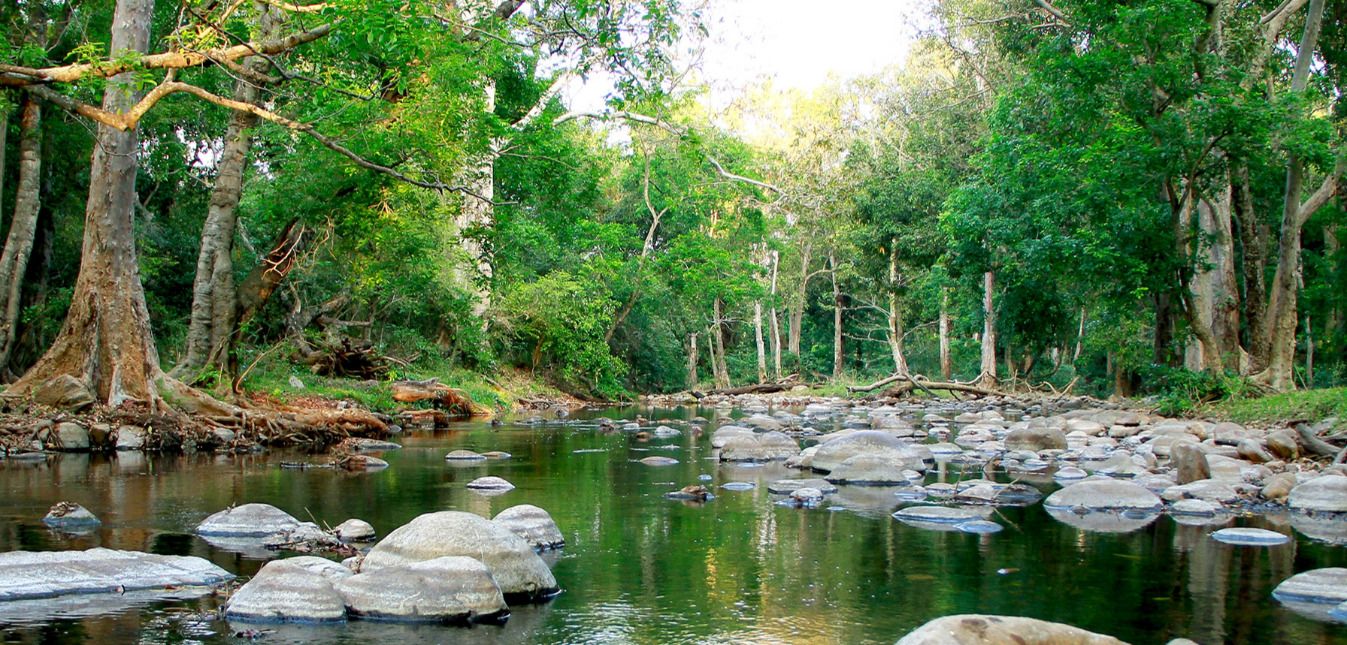
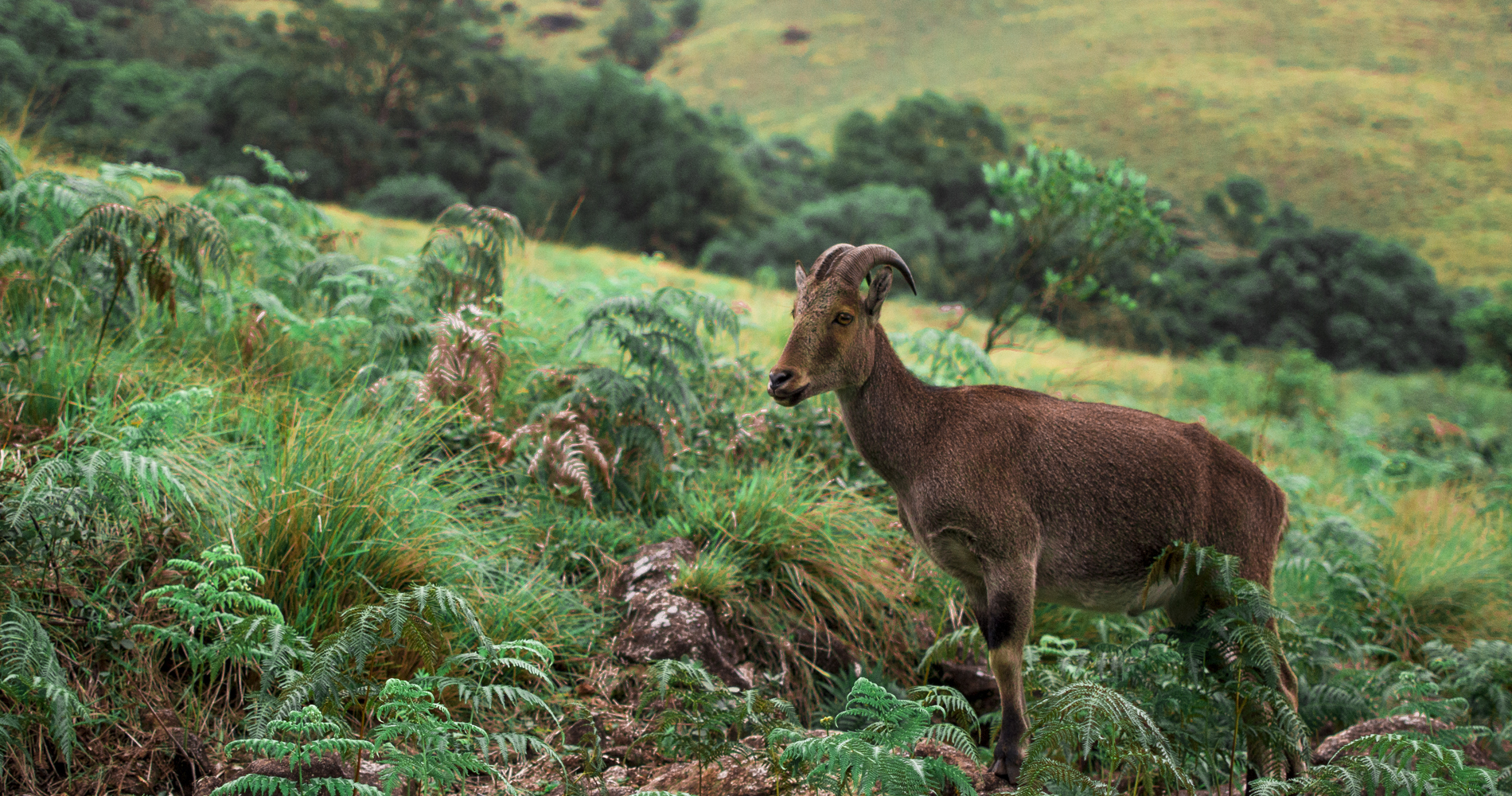
Wildlife and birdlife around the catchment — kingfishers over the water, grassland and shola birds, and the occasional early-morning chance of elephants at the reservoir edge.