The story
Chinnar Wildlife Sanctuary is Kerala’s great ecological oddity — a sun-baked expanse of thorny scrub and dry-deciduous woodland tucked into the rain-shadow of the Western Ghats on the Kerala–Tamil Nadu border, where the monsoon that drenches nearby Munnar barely reaches. Straddling the Chinnar and Pambar rivers near Marayoor, it shelters the endangered grizzled giant squirrel, the Indian star tortoise, sandalwood groves and prehistoric dolmens, making it one of the most unusual protected areas in the whole of green, rain-soaked Kerala.
The story of Chinnar Wildlife Sanctuary
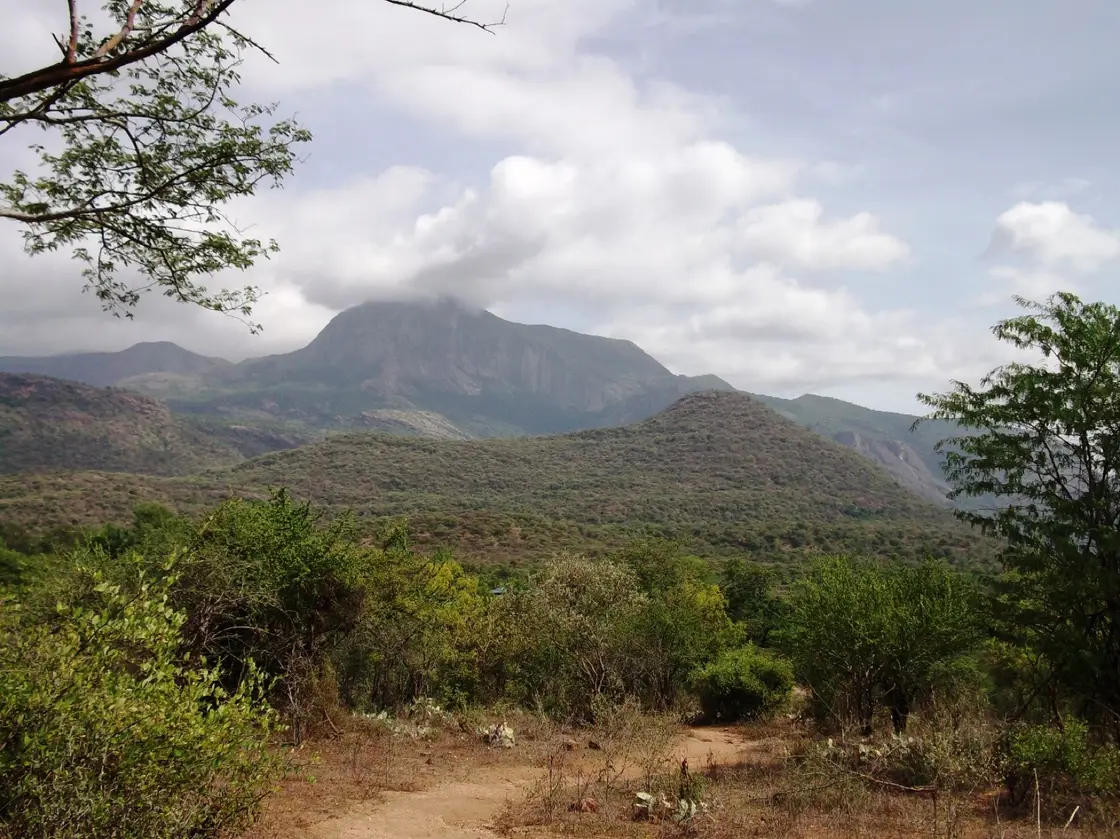
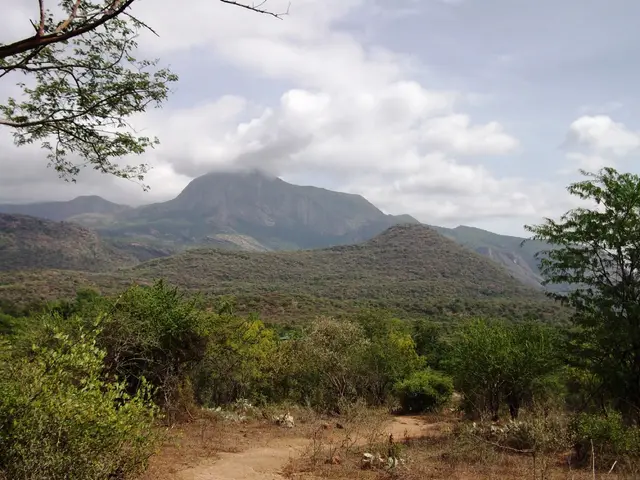
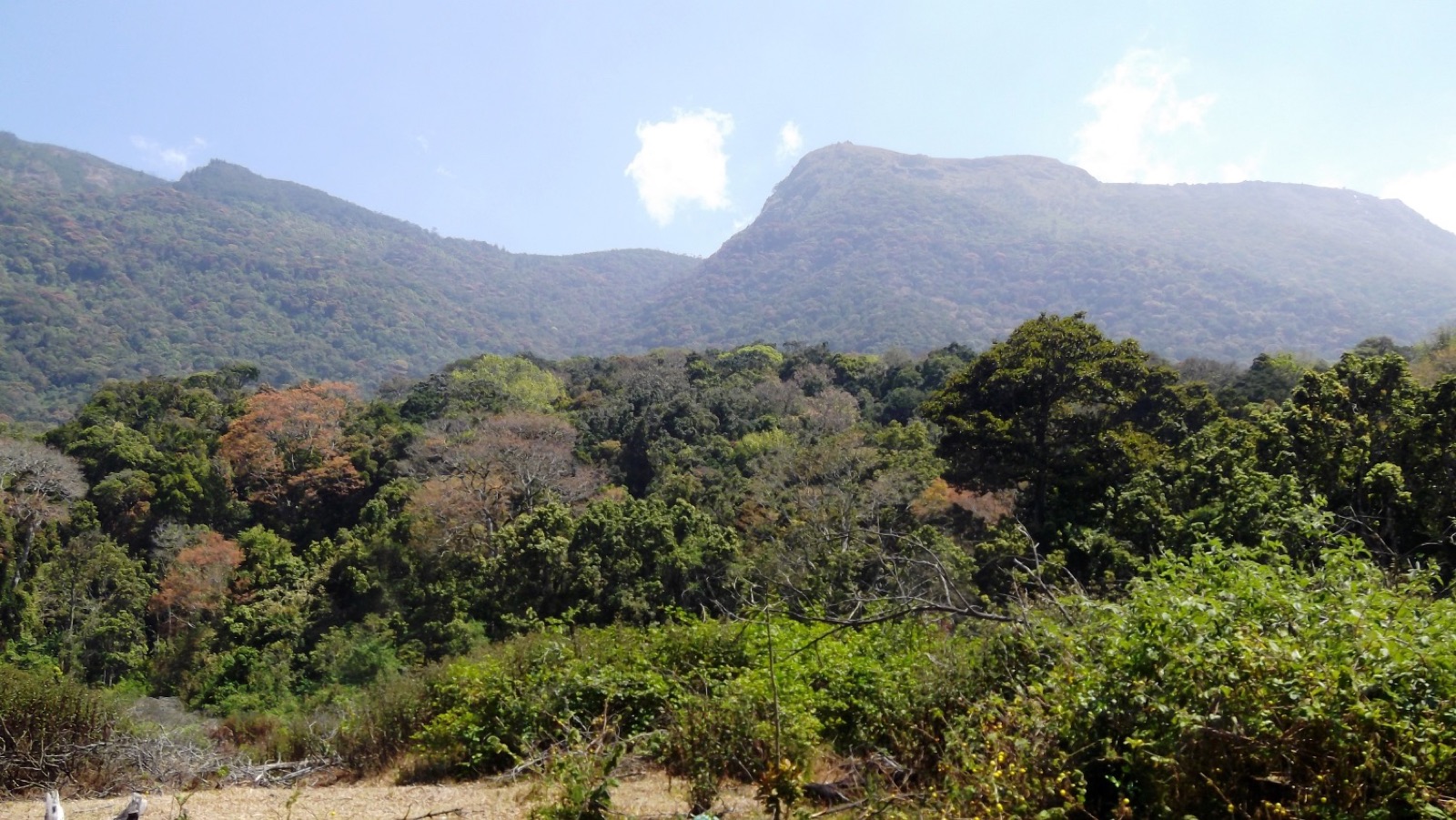
Drive an hour east from the tea-carpeted hills of Munnar and the landscape performs a quiet magic trick. The mist thins, the cardamom scent fades, and the road tips down into a hot, tawny country of thorn trees, sun-cracked rock and rustling dry grass. This is Chinnar — a sanctuary that feels almost like a slice of Tamil Nadu smuggled across the border, because in ecological terms that is very nearly what it is. Lying in the deep rain-shadow of the high ranges, Chinnar is starved of the south-west monsoon that soaks the rest of Kerala, and so it wears a dry, spiny coat found almost nowhere else in the state.
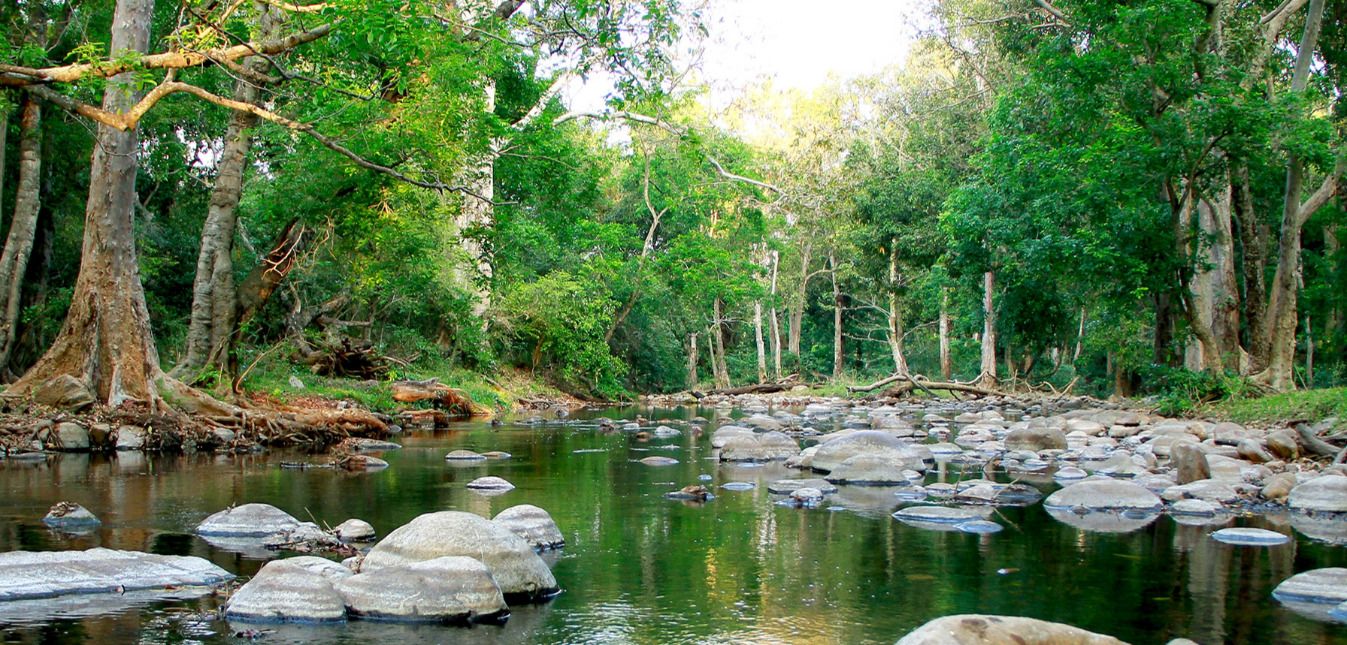
The two rivers give the place its rhythm. The Chinnar and the Pambar thread through the parched hills as ribbons of green, and along their banks the whole story of the sanctuary comes alive. Marsh crocodiles bask on sandbars, elephants come down at dusk to drink, and in the riverine canopy the star of the reserve leaps between branches — the grizzled giant squirrel, a rare, silver-flecked rodent that has made Chinnar one of only a handful of strongholds in India. To watch one glide, tail streaming, across a gap in the trees is to understand why conservationists guard this quiet corner so fiercely.
Everywhere the ground tells older stories. Scattered across the Marayoor plateau on the sanctuary’s edge stand the muniyaras — squat granite dolmens raised by people who lived and buried their dead here thousands of years ago. Nearby, rock shelters at Alampetty carry faded ochre paintings, and the whole area hums with the sense of a landscape continuously inhabited since the Stone Age. Chinnar is not wilderness in the sense of emptiness; it is a lived-in wild, layered with human memory as much as animal life.
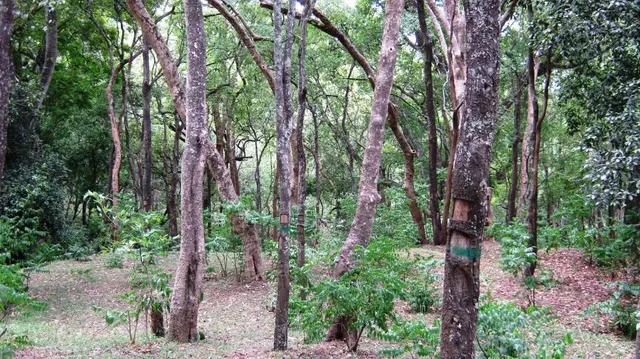
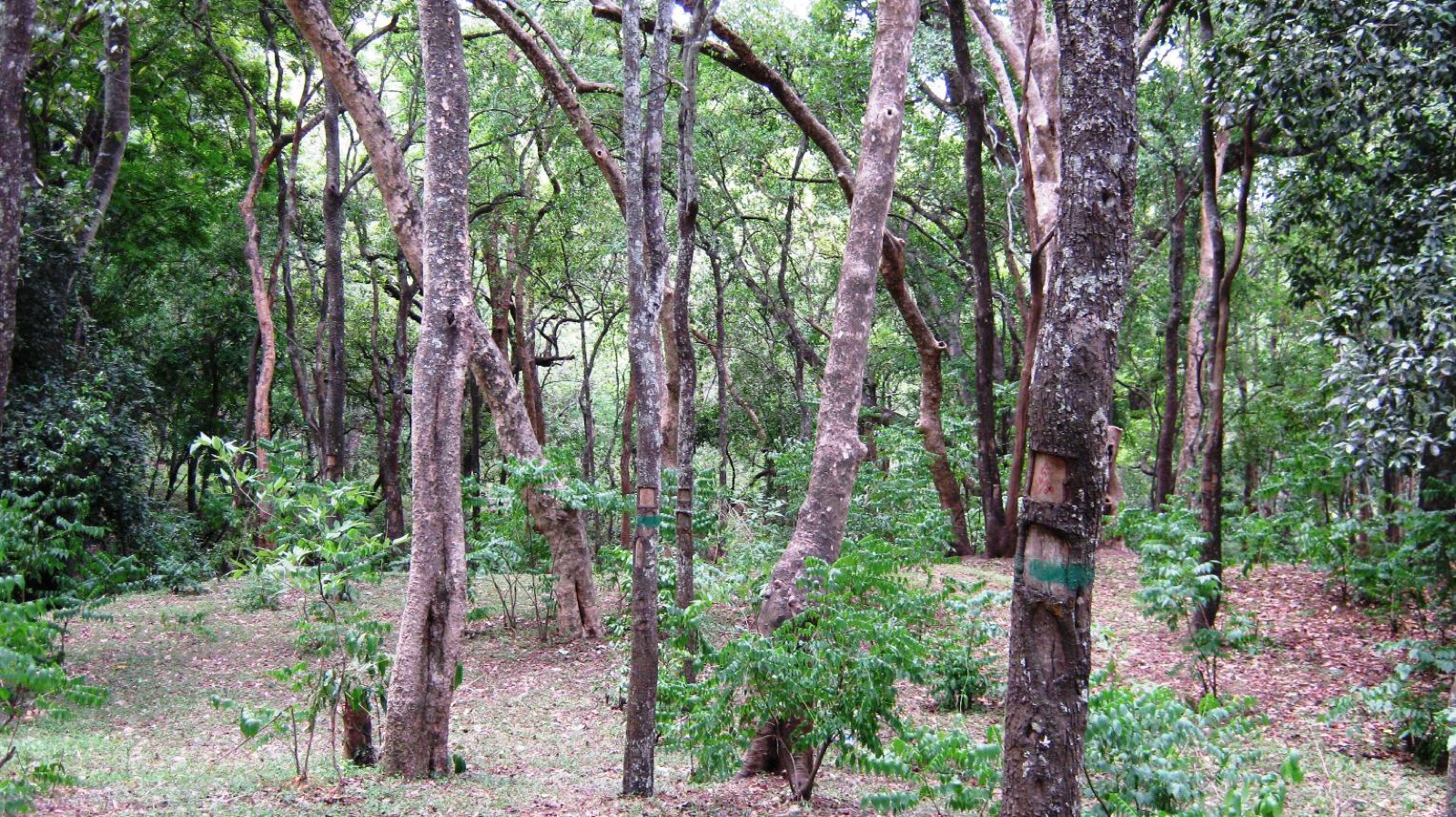
Then there are the sandalwood forests. Marayoor holds one of the few naturally regenerating sandalwood tracts in India, a fragrant, closely guarded treasure of tens of thousands of trees whose scented heartwood has been prized for temple carving and ritual for centuries. Walking among these gnarled, greyish trunks — the air faintly resinous in the heat — you feel the pull of something ancient and coveted, and understand why armed forest patrols keep watch against smugglers along these very ridges.
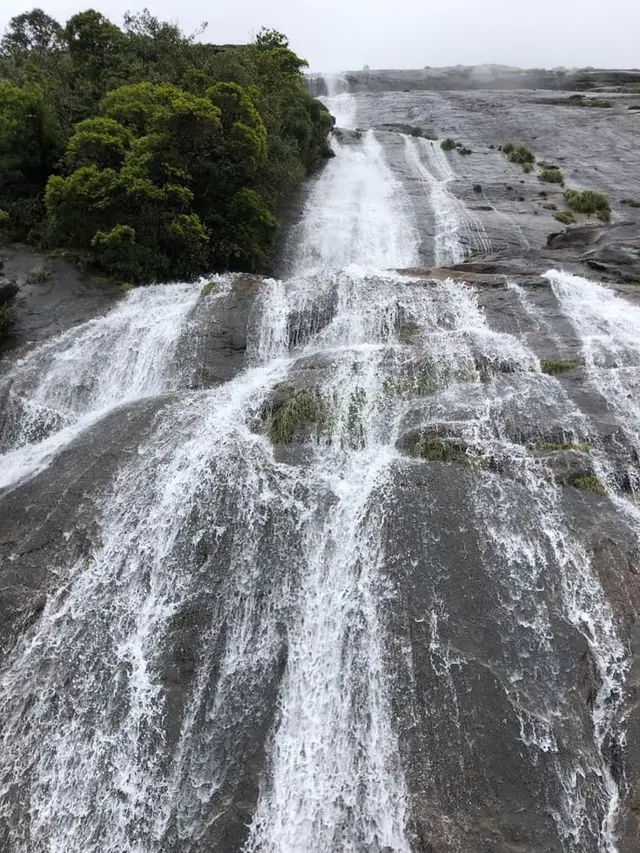
The human community here is woven into the forest too. Muthuvan and Hill Pulaya tribal families live in settlements scattered through the reserve, cultivating maize, ragi and lemongrass and carrying an inherited fluency in the land that no map can teach. It is these forest-born guides who lead visitors up to the sanctuary’s hidden reward — Thoovanam waterfall — following trails their families have walked for generations, reading the scrub for elephant sign and pointing out squirrels you would never have spotted alone.
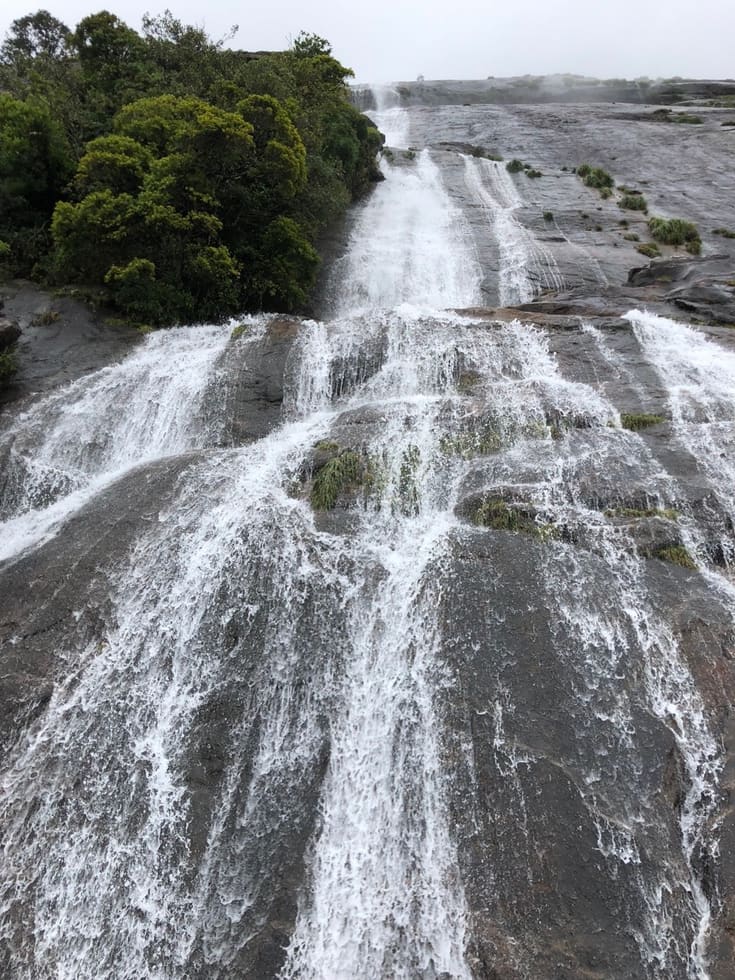
Reach Thoovanam and the sanctuary saves its finest surprise for last. In a country of dust and thorn, a broad white cascade suddenly tumbles over dark rock into a cool green pool, framed by trees and birdsong. It is the perfect emblem of Chinnar itself — a place of startling contrasts, where dry heat and river-shade, ancient stone and living forest, Kerala and Tamil Nadu all meet in one improbable, unforgettable landscape.
History
Chinnar was declared a wildlife sanctuary in August 1984, carving out roughly 90.44 square kilometres of Marayoor and Kanthalloor country in Devikulam taluk of Idukki district. Its boundaries were drawn specifically to protect a habitat almost unique in Kerala — the dry, rain-shadow forests of the eastern Western Ghats — and to safeguard the endangered species that depend on them.
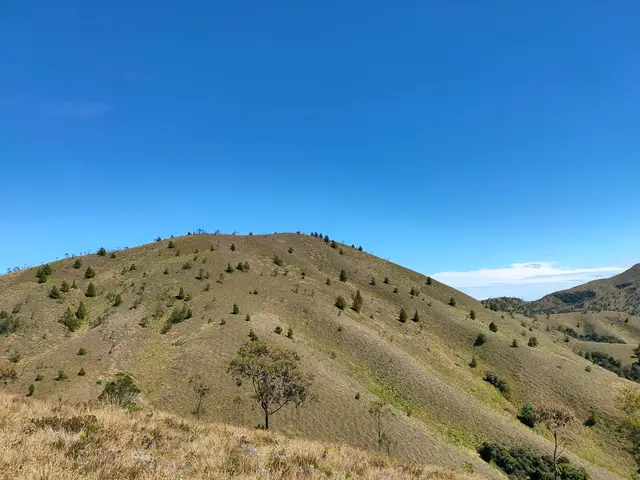
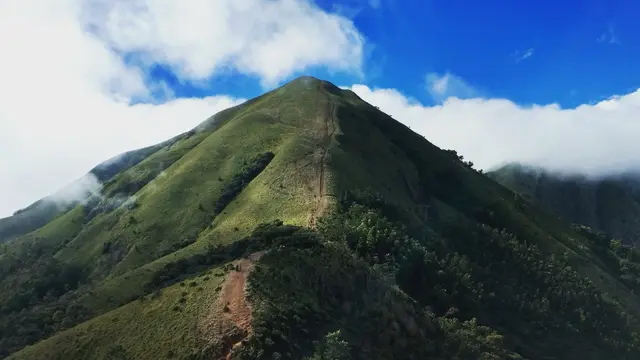
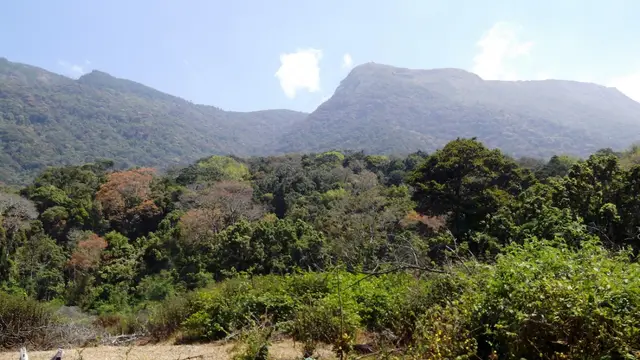
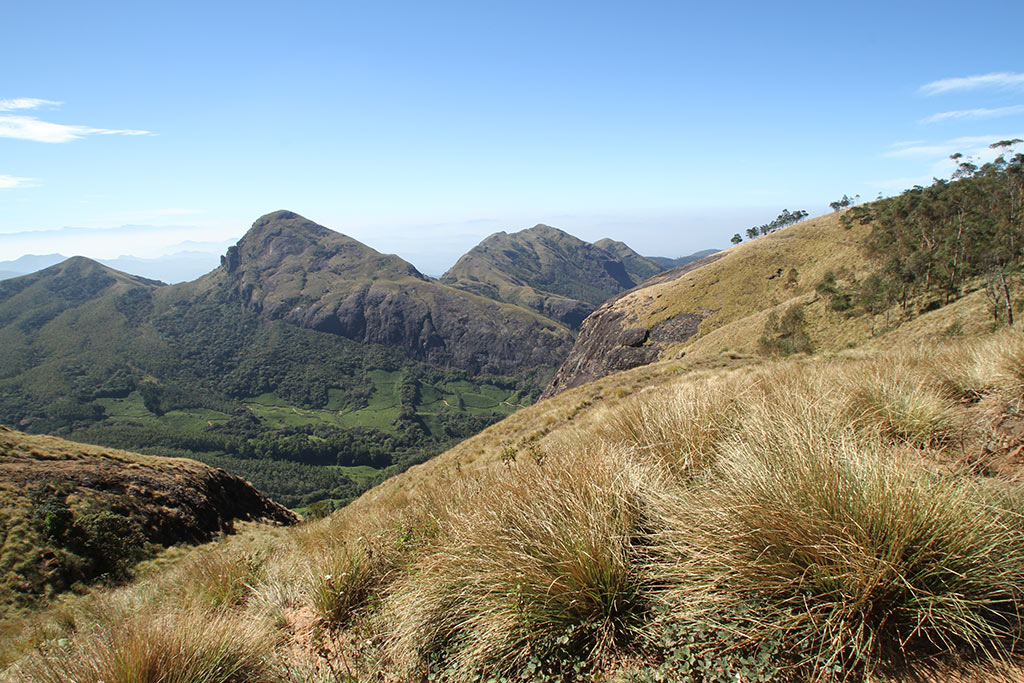
The sanctuary’s defining feature is its ecology. Sheltered behind the high ranges from the full force of the south-west monsoon, Chinnar receives only a few hundred millimetres of rain across a handful of wet weeks each year, a fraction of what falls on nearby Munnar. The result is an extraordinary mosaic that climbs from thorny scrub and dry-deciduous woodland on the hot lower slopes, through moist deciduous forest, up to shola-grassland and montane forest near Kumarikkal Mala, the sanctuary’s highest point at well over 2,000 metres. Few reserves in southern India pack so many habitats into so small an area.
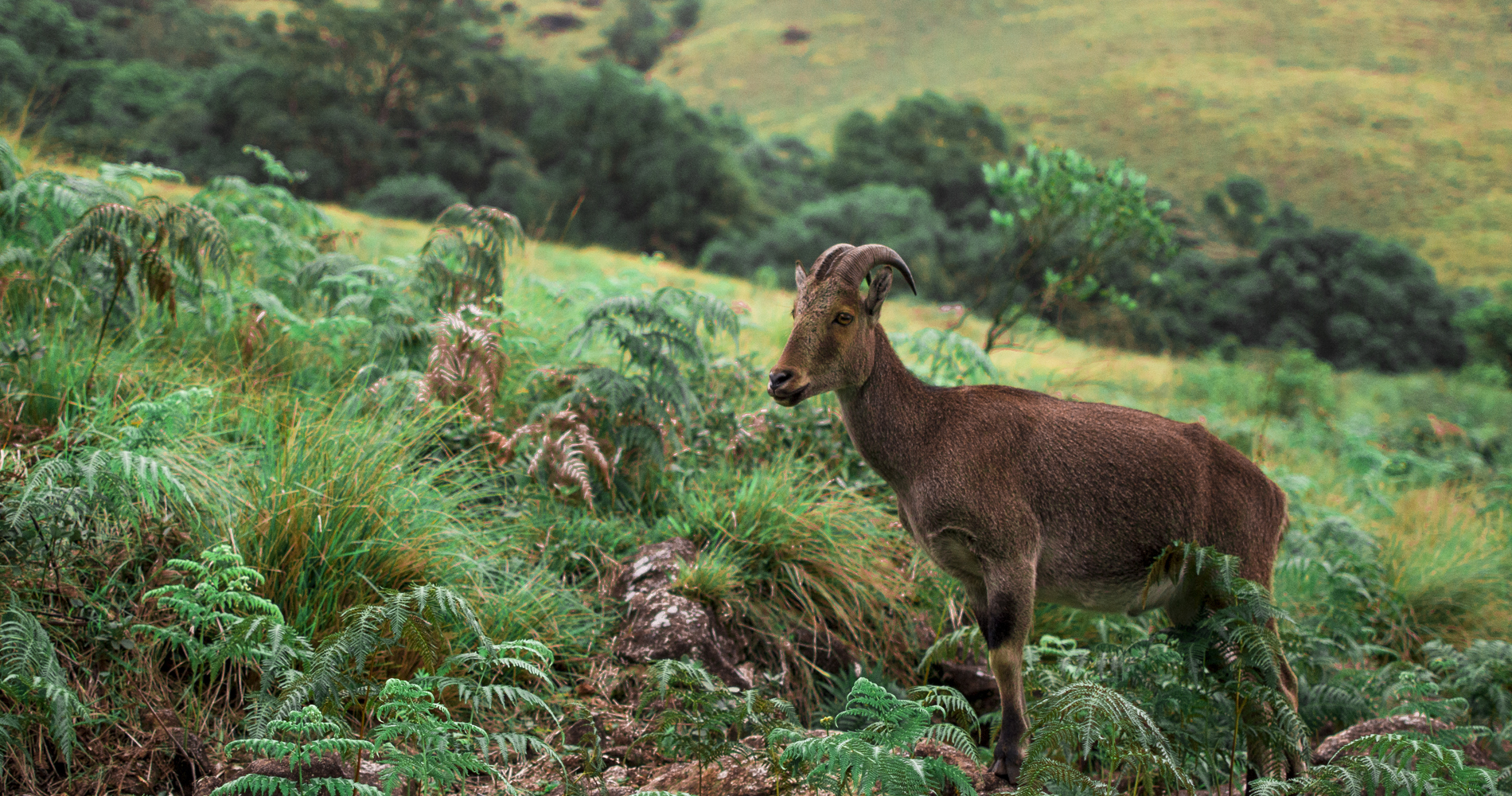
Chinnar is best known as one of India’s last strongholds of the grizzled giant squirrel, a shy, silver-grizzled species that clings to the riverine forests along the Chinnar and Pambar. Careful protection has helped its numbers recover over the decades, and the sanctuary is often cited alongside Tamil Nadu’s Srivilliputhur reserve as a critical refuge for the animal. Chinnar also runs the only rehabilitation centre in India for the Indian star tortoise, rescuing animals seized from the illegal pet trade, and supports rich populations of elephant, gaur, spotted deer, marsh crocodile and, occasionally, tiger and leopard, alongside more than 200 species of birds and hundreds of flowering plants.
Layered over this natural history is a deep human one. The Marayoor plateau bordering the sanctuary is famous for its muniyaras — megalithic dolmens and burial chambers left by people who inhabited these hills in prehistoric times — and for rock shelters bearing ancient paintings, marking the area as one of Kerala’s most significant archaeological landscapes. Marayoor’s naturally regenerating sandalwood forest, one of the few of its kind in the country, has been valued for its fragrant heartwood for centuries and remains under close state protection.
Today the sanctuary is co-inhabited by Muthuvan and Hill Pulaya tribal communities, living in a scatter of settlements and cultivating the land as their ancestors did. The Kerala Forest Department runs Chinnar largely as a community-based eco-tourism project, training tribal members as trekking guides and watchers — an arrangement that gives visitors an authentic, knowledgeable escort while channelling tourism income directly to the forest’s oldest residents.
Why visit
It is Kerala’s most surprising ecosystem. Where the rest of the state is lush and monsoon-soaked, Chinnar is dry, thorny and sun-baked — a rain-shadow world of scrub and dry-deciduous forest that feels like stepping into another region entirely, and offers a landscape you simply cannot see elsewhere in Kerala.
It is one of the best places on Earth to see the endangered grizzled giant squirrel, along with marsh crocodiles basking along the rivers, herds of elephant and gaur, spotted deer and a wealth of birdlife — wildlife-watching with a genuine sense of rarity and reward.
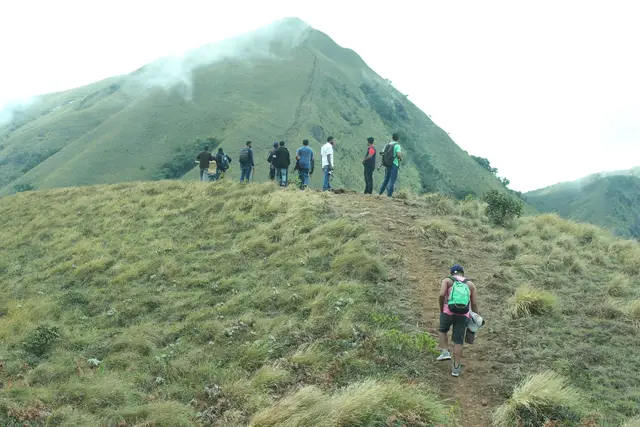
The trek to Thoovanam waterfall is a small classic — a moderate few-hours walk through scrub and riverine forest, led by a tribal guide, ending at a broad cascade tumbling into a cool pool that feels miraculous in such dry country.
History runs deep here. The nearby Marayoor plateau holds the muniyara dolmens and ancient rock paintings, while the guarded sandalwood forests fill the air with fragrance — layers of prehistory and heritage most wildlife reserves cannot match.
The eco-tourism is genuinely community-led. Treks, tree-house stays and river walks are run with Muthuvan and Hill Pulaya guides, so a visit directly supports the forest-dwelling communities and comes with local knowledge no guidebook can supply.
It pairs beautifully with Munnar and Marayoor. Just about an hour from the tea hills, Chinnar makes a striking day trip or overnight — a dramatic change of scenery, climate and mood within a single Kerala itinerary.