The story
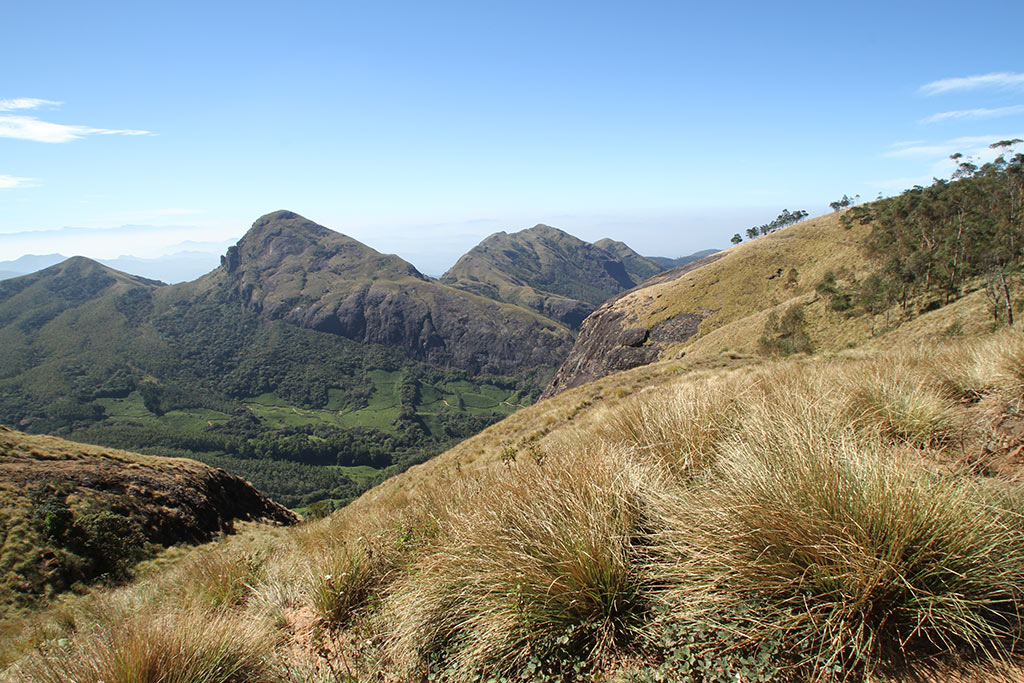
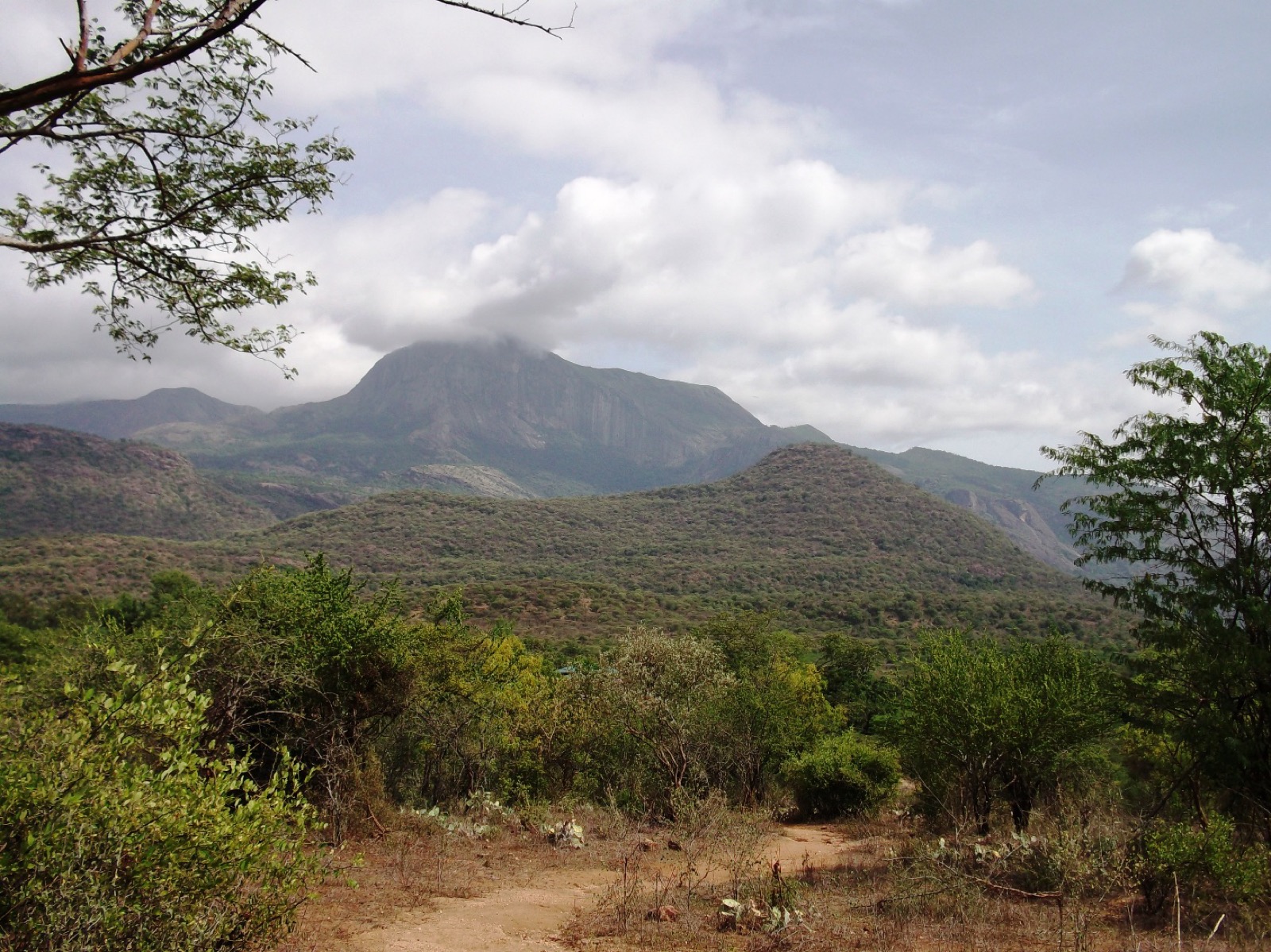
Marayoor (also spelt Marayur) is a high-valley town in Idukki district, set on the Munnar–Udumalpet road where the Western Ghats slip into their dry rain-shadow. It is unlike anywhere else in Kerala: the state’s only naturally growing sandalwood forests scent the air here, thousands of prehistoric dolmens stand on the surrounding grasslands, and the sugarcane fields produce the famous, GI-tagged Marayoor jaggery. Cooler, drier and quieter than nearby Munnar, it rewards travellers who want heritage, forest and tribal culture rather than manicured tea estates.
The story of Marayoor
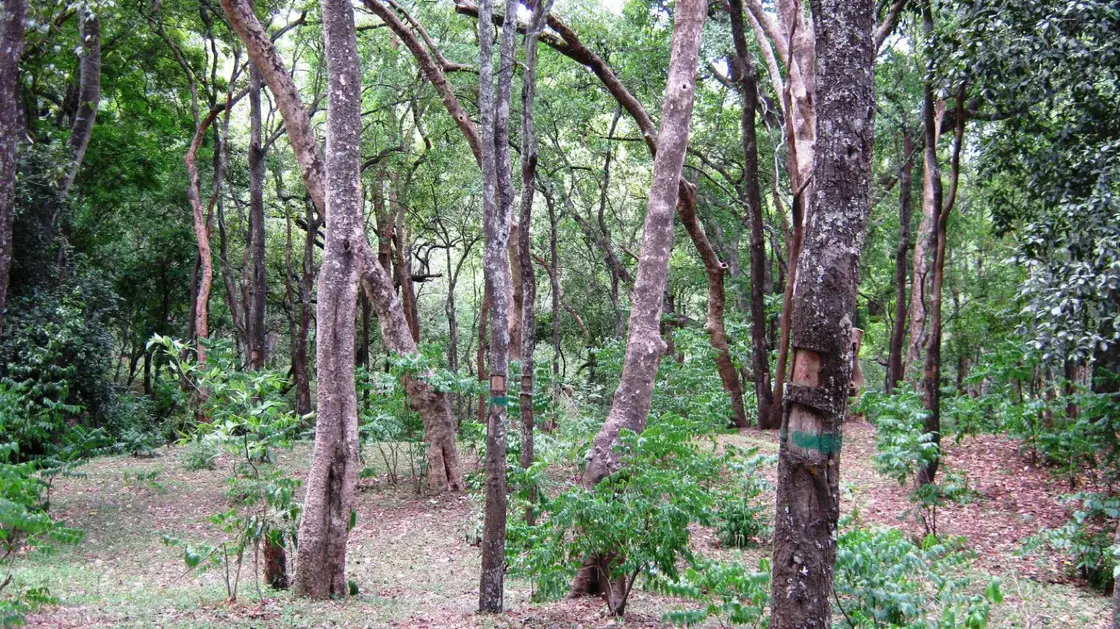
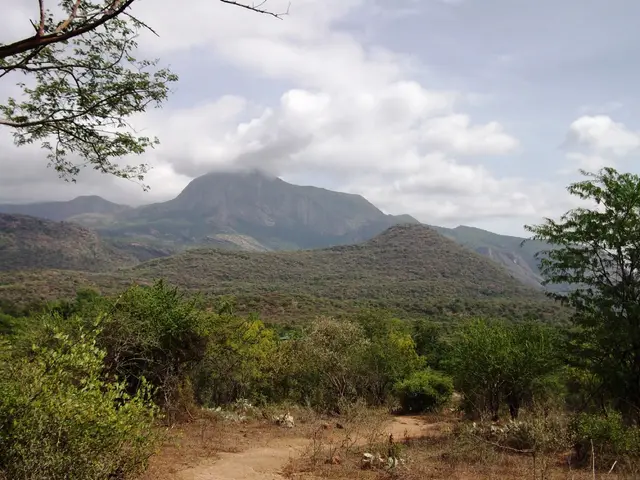
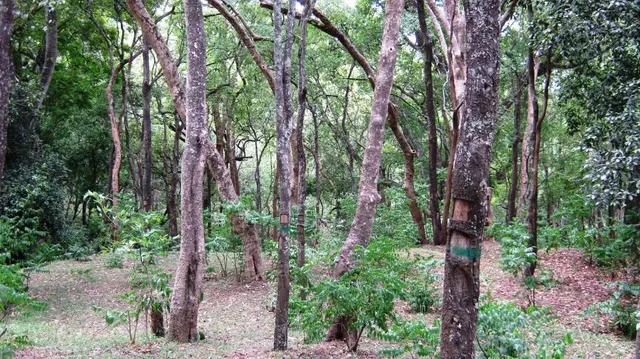
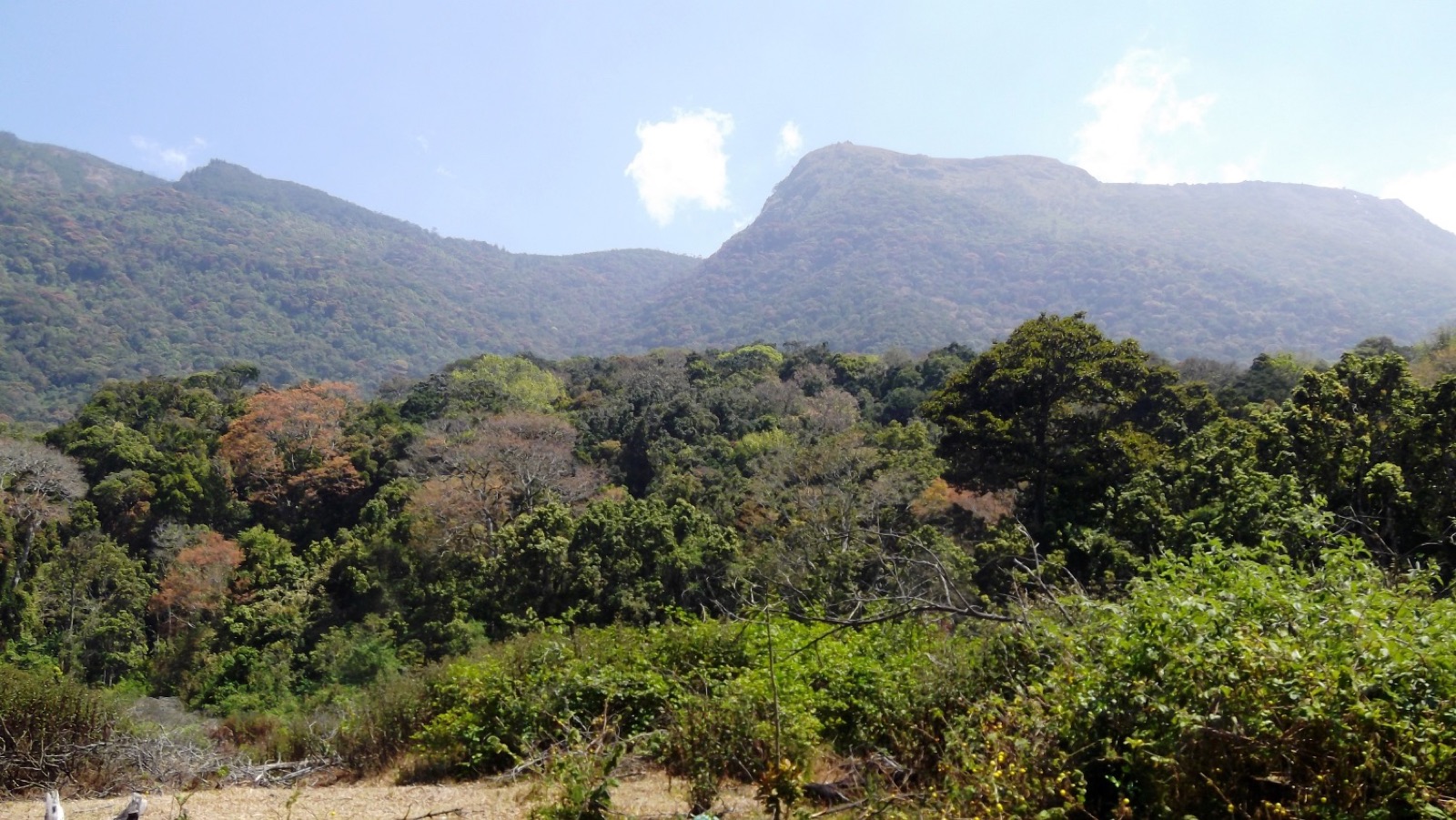
The drive north from Munnar changes the mood by the kilometre. The clipped tea gardens give way to open grassland, rocky knolls and, quite suddenly, groves of slender grey-barked trees — the sandalwood forests that make Marayoor famous. This is the only place in Kerala where Santalum album grows naturally in the wild, and the reserve is said to spread across roughly 90 square kilometres holding tens of thousands of trees. The dry, rocky, low-rainfall terrain is exactly what the fragrant sandal prefers, and the wood grown here has long enjoyed a reputation as among the finest in the world.
Sandalwood is precious enough that the forest is tightly protected. The Kerala Forest Department’s Marayoor Sandalwood Division guards the groves against smuggling, and even fallen or seized wood is auctioned under strict controls. Visitors cannot wander freely into the core reserve or pick anything up — a stroll among the trees generally needs Forest Department permission, and there is a departmental depot where the felling, grading and processing of sandal can be understood. It is a working conservation landscape, not a picking ground, and that restraint is part of what has kept the forest alive.
If the sandalwood is Marayoor’s living treasure, the muniyara are its deep past. Scattered across the plateau around Marayoor, Kanthalloor and Chinnar are thousands of dolmens — burial chambers built from great dressed granite slabs set on edge and roofed with a single massive capstone, like stone tables. Locals call them muniyara, and excavations have turned up pottery and iron implements, marking them as megalithic monuments among the most important prehistoric remains in Kerala. Standing beside one, weathered and silent on the open grass, it is impossible not to feel the reach of the centuries.
The valley’s prehistory is written on rock as well as in stone. Deep inside the sandalwood reserve, at sites such as Ezhuthu Guha near Koodakavu, rock shelters carry painted motifs — human figures, animals and abstract shapes — reckoned among the most significant rock-art panels in the state. Together with the dolmens, they suggest that people have lived and buried their dead in this valley for a very long time indeed, drawn perhaps by the same mild, dry climate that suits the sandal and the cane.
Marayoor is also a sweet place in the most literal sense. The rain-shadow soils and cool climate grow an unusually rich sugarcane, and generations of farmers boil its juice down into Marayoor sarkkara — the dark, mineral-rich, subtly non-salty jaggery that carries a Geographical Indication tag. You will see the roadside sheds where cane juice bubbles in big vessels over bagasse fires, clarified only with a little lime and no chemicals, then poured out to set into golden-brown blocks. Buying a piece straight from a maker is one of the simplest pleasures of a visit.
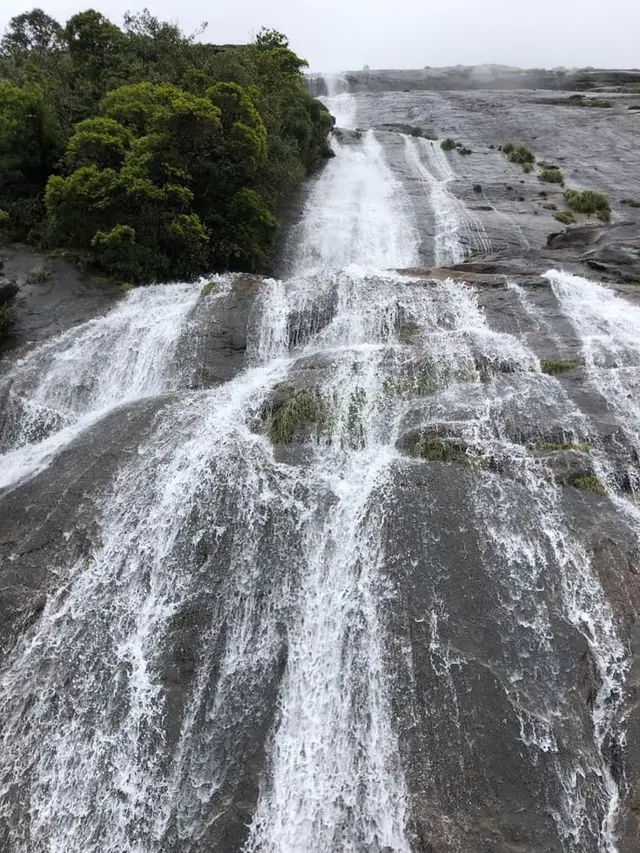
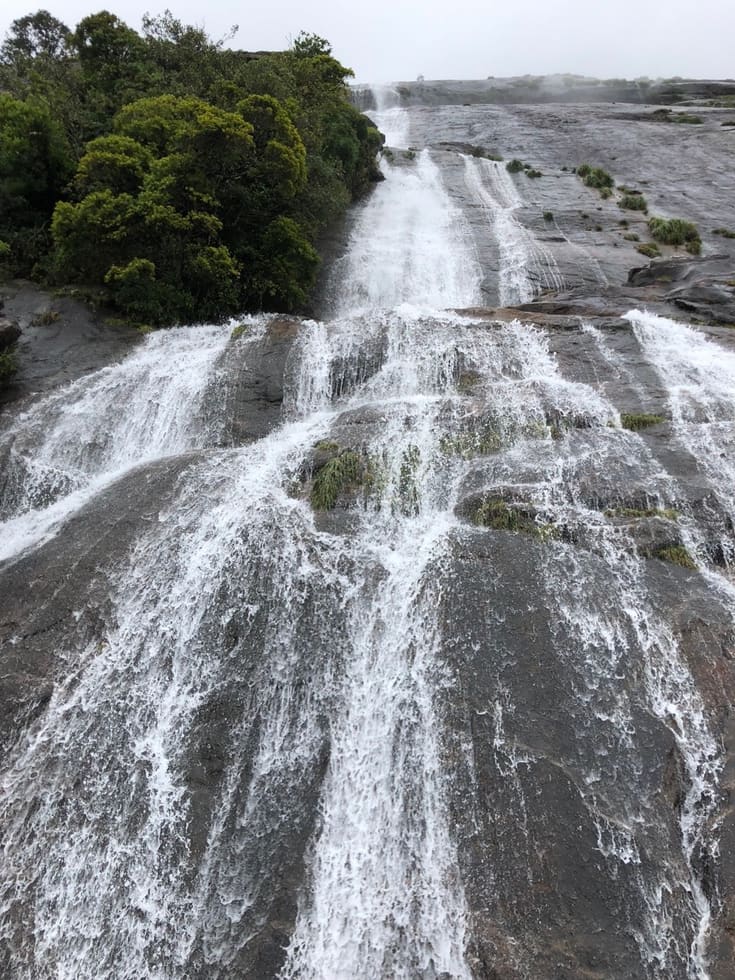
Around all of this lives a strong tribal and rural culture. The Muthuvan community, along with Hill Pulaya people, have long inhabited these hills, farming, gathering forest produce and holding to their own customs. With Chinnar Wildlife Sanctuary, the Thoovanam waterfall and the orchard village of Kanthalloor all close by, Marayoor makes an unhurried base for anyone wanting the drier, wilder, more historic side of the Munnar highlands.
Legend & myth
Local tradition offers a charming folk etymology for the town’s name. One popular telling links Marayoor to the Malayalam ‘maranjirunna ur’ — roughly ‘the land where they hid’ — and says the Pandava brothers of the Mahabharata sheltered here during their years of exile. It is a legend rather than documented history, but it is affectionately repeated and even read into some of the rock paintings by storytellers.
The dolmens carry their own folk name and lore. ‘Muniyara’ is usually explained as ‘muni’ (a sage or hermit) plus ‘ara’ (a small chamber or room) — that is, the abode or cell of sages, from a belief that holy men once dwelt or meditated in these stone chambers. Archaeologically the muniyara are megalithic burial monuments, but the poetic older name endures in everyday speech.
History
The story of human habitation in Marayoor reaches back into prehistory. The thousands of dolmens spread across the Marayoor–Kanthalloor–Chinnar tract are megalithic burial chambers, commonly associated with the Iron Age megalithic culture of South India, and excavations recovering pottery and iron tools point to organised communities burying their dead here in the distant past. Some popular accounts push the region’s habitation far earlier still; whatever the precise dating, the sheer density of monuments marks this as one of Kerala’s foremost prehistoric landscapes.
The rock-art sites reinforce that antiquity. Painted panels within the sandalwood reserve, such as those at Ezhuthu Guha, preserve figures of humans and animals and abstract designs that scholars count among the most important prehistoric paintings in the state. They speak of a settled valley culture long before written records, sustained by the same forgiving, dry-highland environment that later travellers would prize.
In historical times Marayoor became known above all for its sandalwood. The naturally occurring Santalum album forests were valued for their fragrant, oil-rich heartwood, and because the wood commanded such high prices they also attracted illegal felling and smuggling over the years. The response was formal state protection: the forests came under the Kerala Forest Department, managed today through the Marayoor Sandalwood Division, which patrols the reserve, controls access and auctions harvested and seized wood under regulation.
Agriculture shaped the valley in parallel. The rain-shadow climate and particular soils made Marayoor and neighbouring Kanthalloor ideal for sugarcane, and jaggery-making grew into a defining local craft, handed down through families and boiled in traditional vessels using cane-waste fuel. That heritage was formally recognised in 2019, when Marayoor jaggery — Marayoor sarkkara — was awarded a Geographical Indication tag, protecting the name and its distinctive, mineral-rich character.
Through all these chapters the indigenous communities have remained central. The Muthuvan and Hill Pulaya peoples have inhabited these hills for generations, and their presence, together with the protected sandal forest, the megalithic heritage and the surrounding sanctuaries, gives modern Marayoor its layered identity — a place where prehistory, conservation, farming and tribal life sit side by side.
Why visit
It is the only place in Kerala with naturally growing sandalwood forests — a genuinely rare, protected landscape you cannot see anywhere else in the state.
The muniyara dolmens let you stand among thousands of megalithic burial monuments, some of the most important prehistoric remains in Kerala, out in the open grassland.
Prehistoric rock paintings such as those at Ezhuthu Guha, within the sandalwood reserve, add a rare rock-art dimension to a highland trip.
You can taste and buy Marayoor sarkkara — the GI-tagged jaggery — straight from roadside sheds where cane juice is boiled the traditional way, a delicious, edible souvenir.
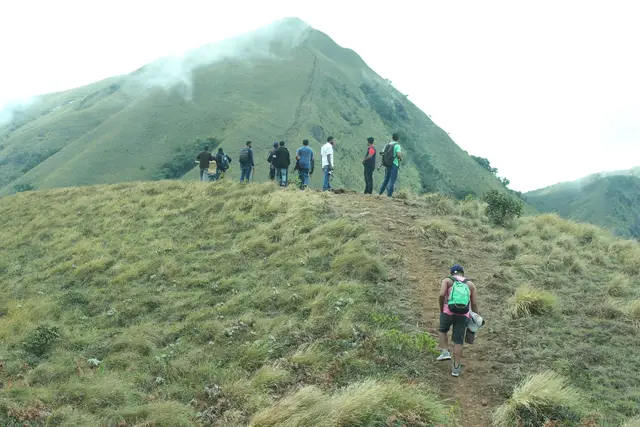
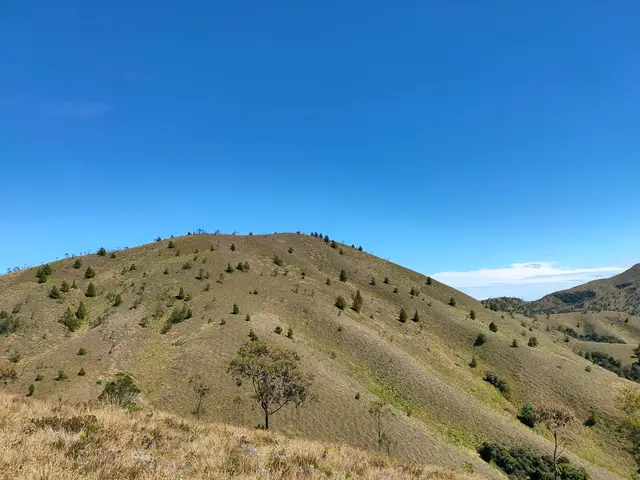
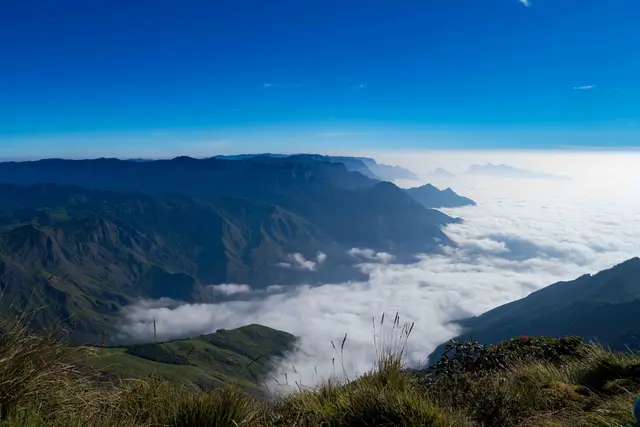
The drier rain-shadow climate makes Marayoor cooler-feeling, quieter and less crowded than Munnar, with open grasslands, rocky hills and space to breathe.
It is a superb base for the wider area — Chinnar Wildlife Sanctuary, the Thoovanam waterfall and the orchard village of Kanthalloor are all close by, along with the living culture of the Muthuvan community.