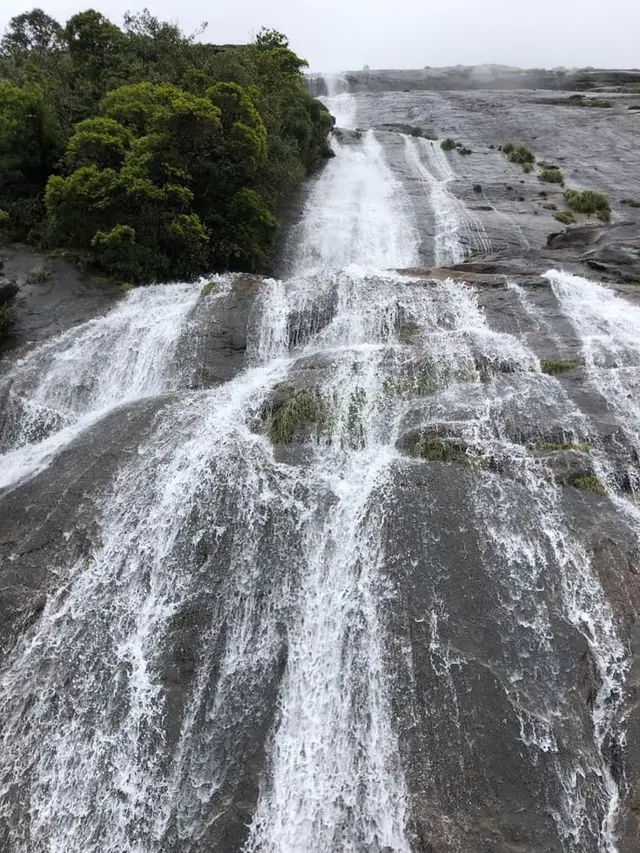
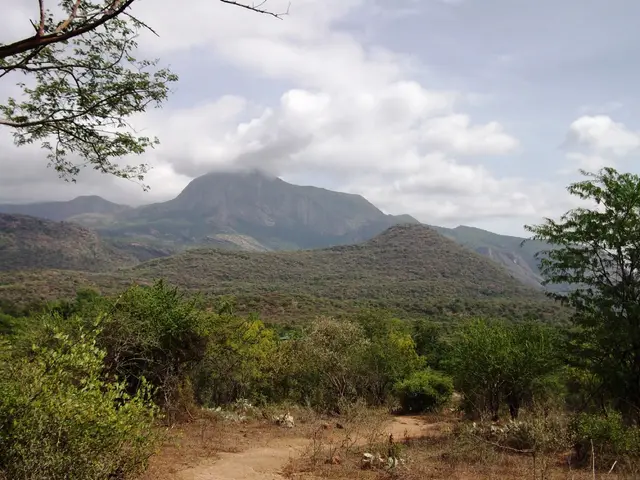
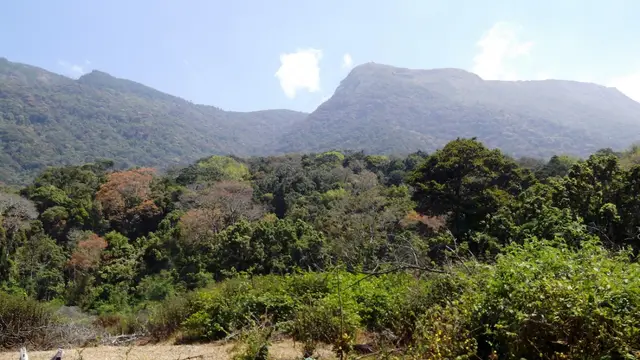
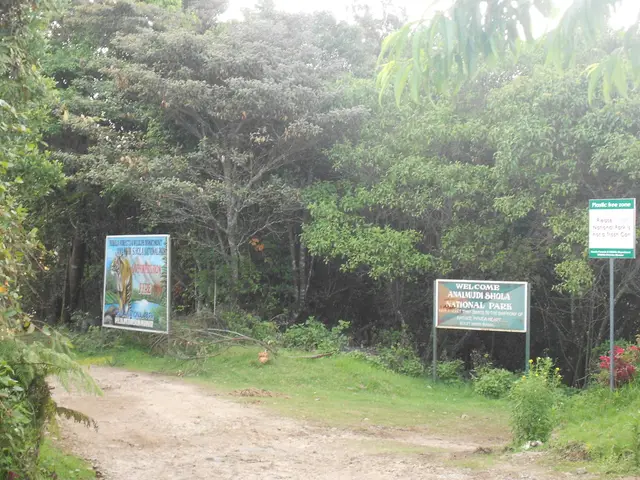
On the wild, winding Munnar–Marayoor–Udumalpet road, where the tea country begins to surrender to grassland and sandalwood forest, a curtain of cold water spills over dark rock into a wooded gorge. This is Lakkam Waterfalls — also spelt Lakkom — a forest-department cascade fed by the Eravikulam stream, one of the freshest, least-crowded stops on the high road out of Munnar.
The story of Lakkam Waterfalls
Most travellers meet Lakkam almost by accident. You leave Munnar climbing north, the tea estates fall away behind you, and somewhere between Rajamalai and Marayoor the road bends past a modest forest-department gate. A short walk down a stepped, tree-shaded path — ten minutes or so — and the sound arrives before the sight: a steady rush of water tumbling over rock into a shaded pool below.
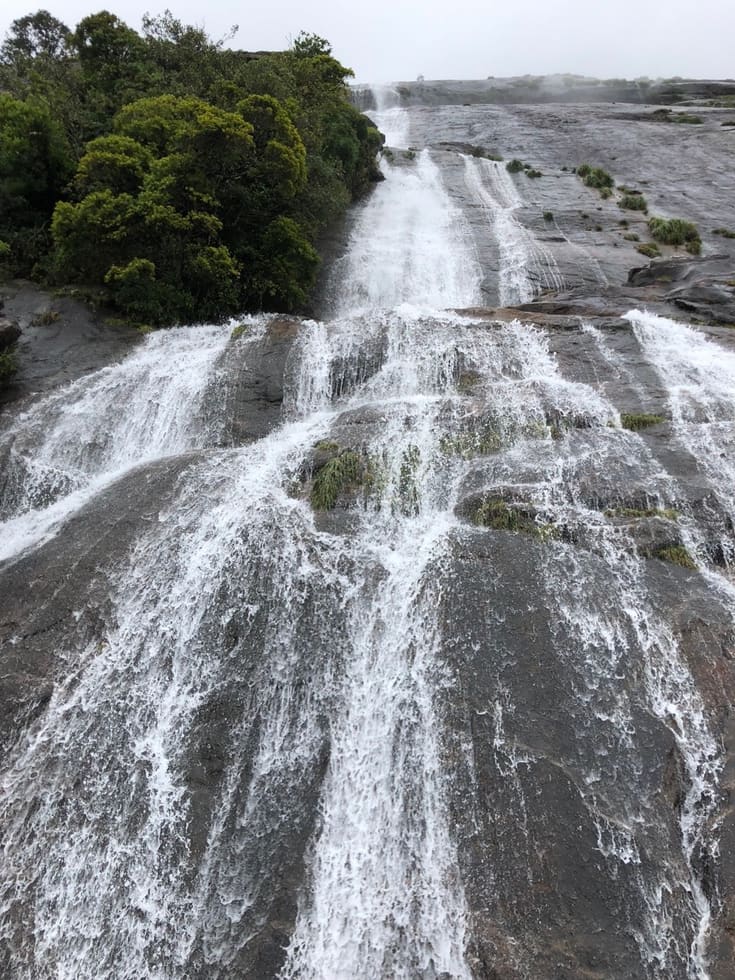
The falls drop something on the order of fifteen metres — sources tend to say over fifty feet, though nobody seems to measure it precisely — and spread across a broad face of stone rather than plunging in a single thread. In good flow the water fans out white and cold, throwing spray across the ferns and the mossy boulders that crowd the gorge. It is a wide, generous sort of waterfall, more curtain than spout.
What makes Lakkam special is the water itself. It is genuinely cold, mineral-clear, and it comes straight down from the high shola grasslands of the Eravikulam plateau above Munnar. The forest department has built a small bathing area at the base, with steps and a railed pool, so visitors can wade and splash in the shallows under the spray — one of the few places on this stretch where you are actively invited to get into the water.
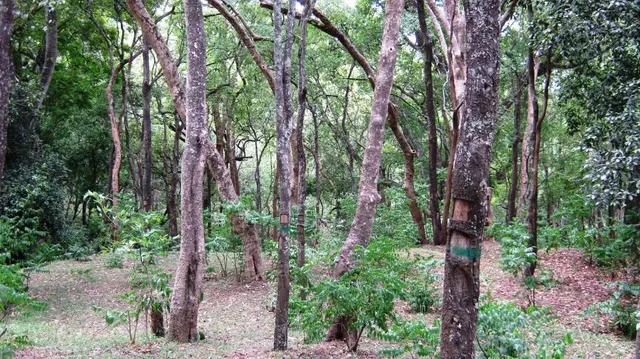
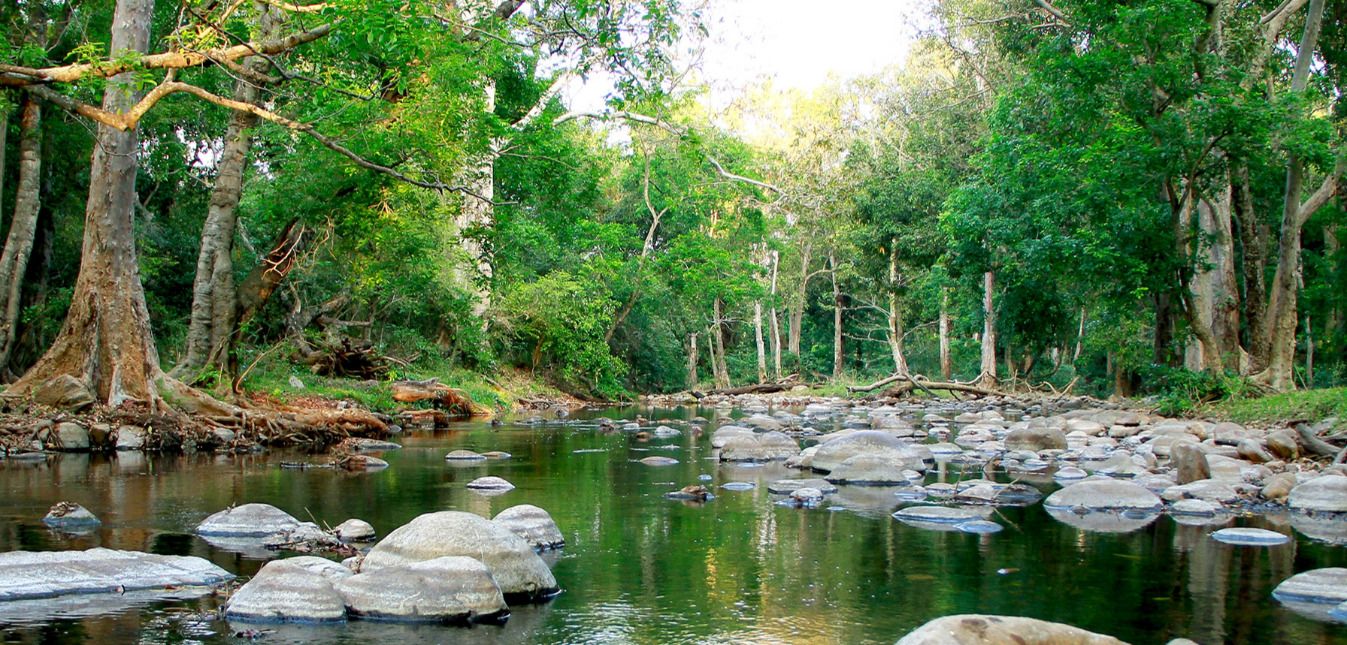
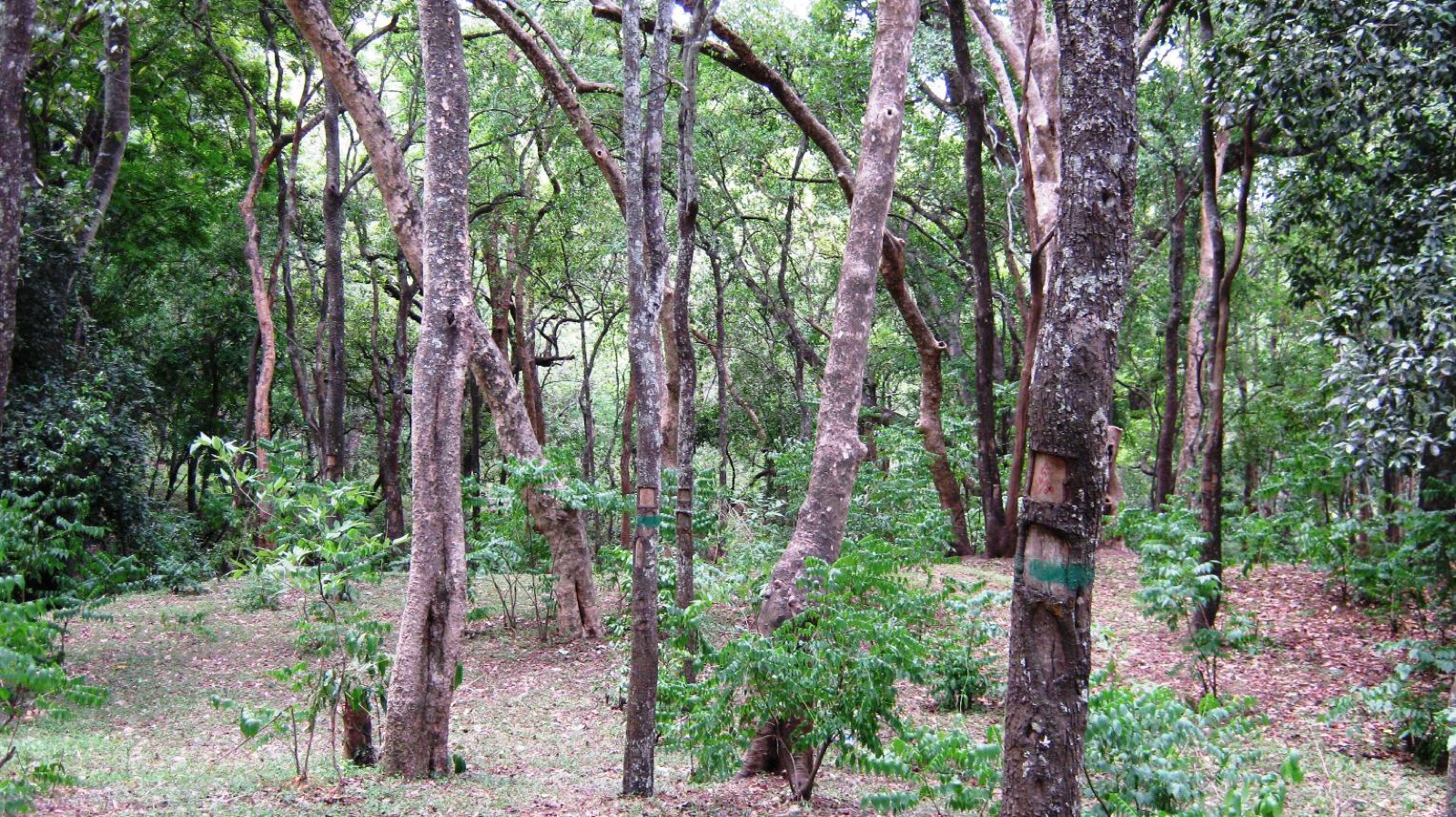
The setting is the other draw. Lakkam sits deep in wooded country on the edge of the Eravikulam–Chinnar landscape, and the walk down feels like slipping briefly into the forest proper. Birdsong, dappled light, the smell of wet leaf litter — it is a green, quiet pocket, a long way in spirit from the busy viewpoints closer to Munnar town.
Because it lies on the route to Marayoor and the Tamil Nadu border, Lakkam works beautifully as a break in a longer day. Travellers heading up to the sandalwood forests, the ancient dolmens and the sugarcane jaggery country of Marayoor often pause here to stretch their legs, dip their feet and eat a packed lunch before pressing on. It rewards the unhurried far more than the rushed.
It is not a manicured attraction, and that is the point. There is a ticket counter, a few steps and a railing, and beyond that the forest does the work. Come in the right season, with a change of clothes and a little patience for the short climb back up, and Lakkam gives you the rarest thing on the Munnar circuit — a cold, clean, uncrowded waterfall you can actually stand under.
History
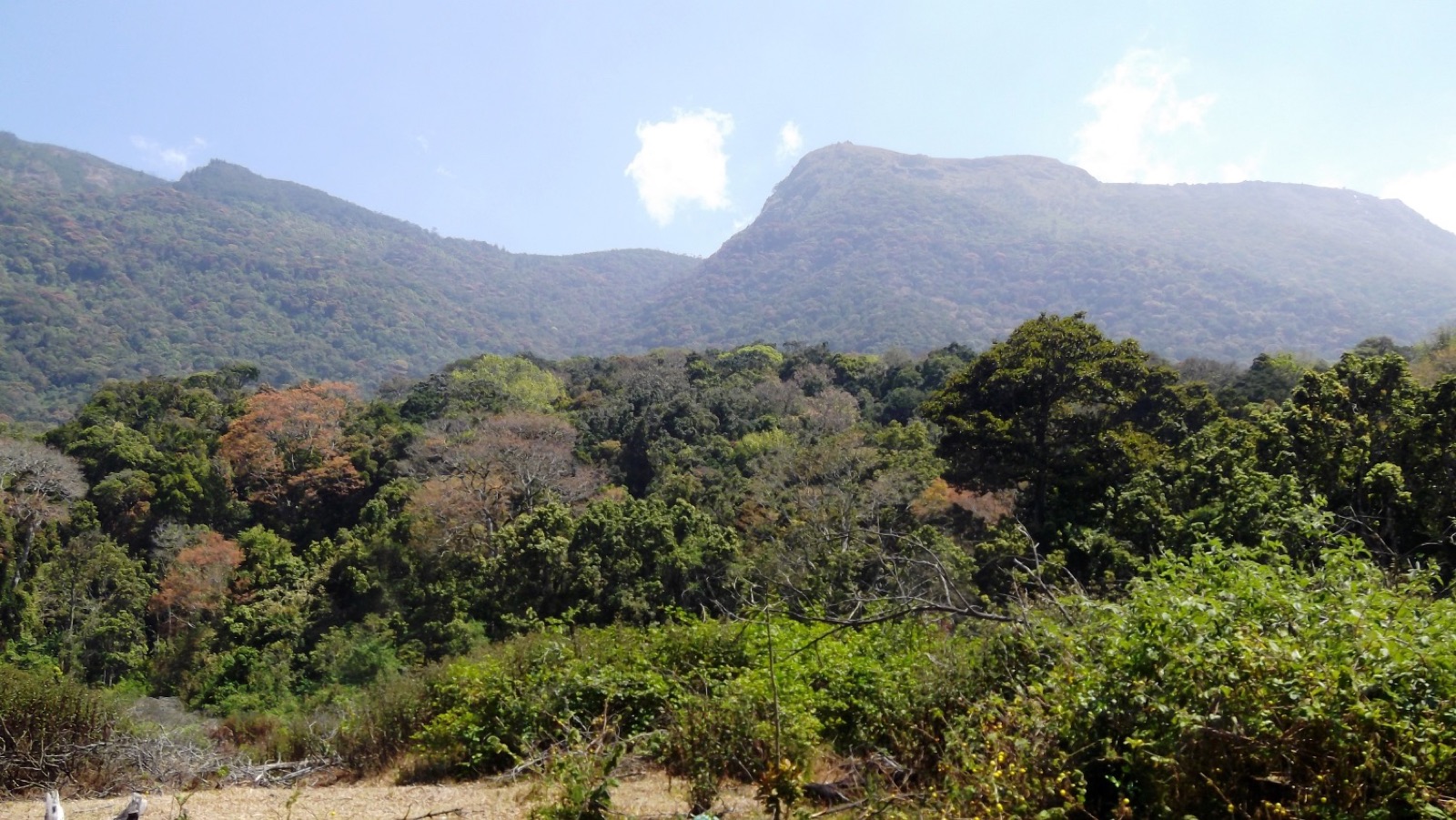
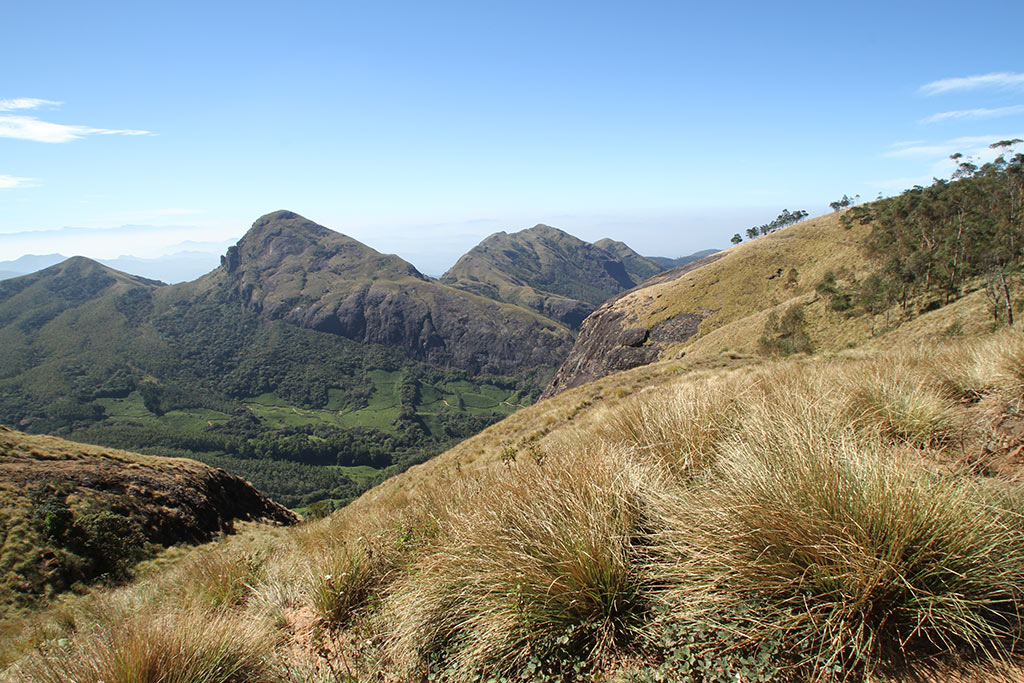
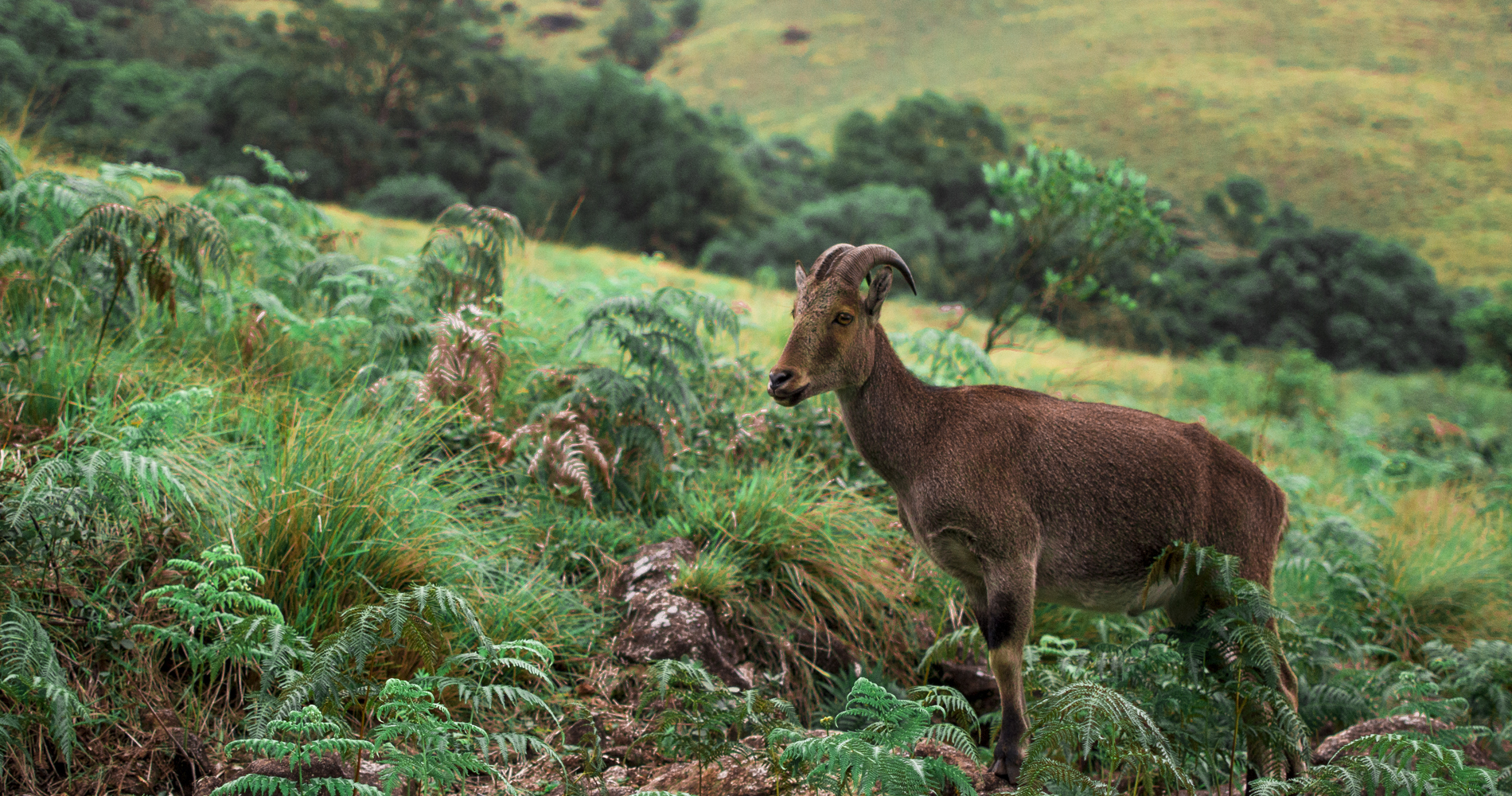
Lakkam Waterfalls owes its existence entirely to the high country above it. The falls are fed by the Eravikulam stream, which rises in the core zone of Eravikulam National Park — the same rolling shola-grassland plateau that shelters the Nilgiri tahr and crowns the Munnar highlands. That stream is counted among the major tributaries of the Pambar, one of the few east-flowing rivers of Kerala, which eventually crosses into Tamil Nadu to join the Cauvery system.
For most of its history this was simply forest — remote, thickly wooded country on the old track between the Munnar tea belt and the plains around Udumalpet and Marayoor. The route that now carries visitors past the falls, today numbered as a state highway running Munnar–Marayoor–Udumalpet, is the same corridor that long linked the hill estates to the Tamil Nadu lowlands, threading through some of the driest and most unusual forest in the district.
The waterfall lies within land managed by the Kerala Forest Department, on the fringe of the Eravikulam and Chinnar protected landscape. Rather than leave it as an informal roadside stop, the department developed a small regulated visitor area — a ticket counter, a stepped path down from the road, and a railed bathing pool at the base — so that people could enjoy the water without damaging the surrounding forest. Access is controlled by daytime timings and a modest entry ticket.
That protected status is why Lakkam has stayed relatively wild while other spots around Munnar grew crowded and commercial. There are no big resorts crowding the gorge and no sprawling market at the gate; the forest frame is deliberately kept intact. The falls remain a low-key, department-run natural attraction rather than a built-up tourist complex.
In recent years Lakkam has steadily earned a place on the standard Munnar–Marayoor itinerary, valued precisely for what it is not: not a viewpoint you photograph from a railing, but a cold forest pool you can step into, on a road that carries you onward into the sandalwood country and dolmen sites of Marayoor beyond.
Why visit
You can actually get in the water. Unlike the many look-but-do-not-touch viewpoints around Munnar, Lakkam has a forest-department bathing area at the base of the falls where you can wade and splash in the cold, clear shallows.
The water is genuinely special — cold, mineral-clear and fed straight from the shola grasslands of Eravikulam National Park high above, rather than from farmland or town.
It is refreshingly uncrowded. Sitting well out of Munnar town on the road to Marayoor, Lakkam sees far fewer visitors than the marquee spots, so the setting stays quiet and green.
The short walk down through wooded country is a small adventure in itself — a stepped, tree-shaded path that drops you into a shaded gorge full of ferns, boulders and birdsong.
It slots perfectly into a bigger day out. Because it is on the Munnar–Marayoor–Udumalpet road, it pairs naturally with the sandalwood forests, ancient dolmens and jaggery villages of Marayoor and the Chinnar landscape.
It is a broad, scenic curtain of a waterfall rather than a thin trickle, so in the right season — post-monsoon into the early months of the year — the flow is full, cold and genuinely photogenic.