The story
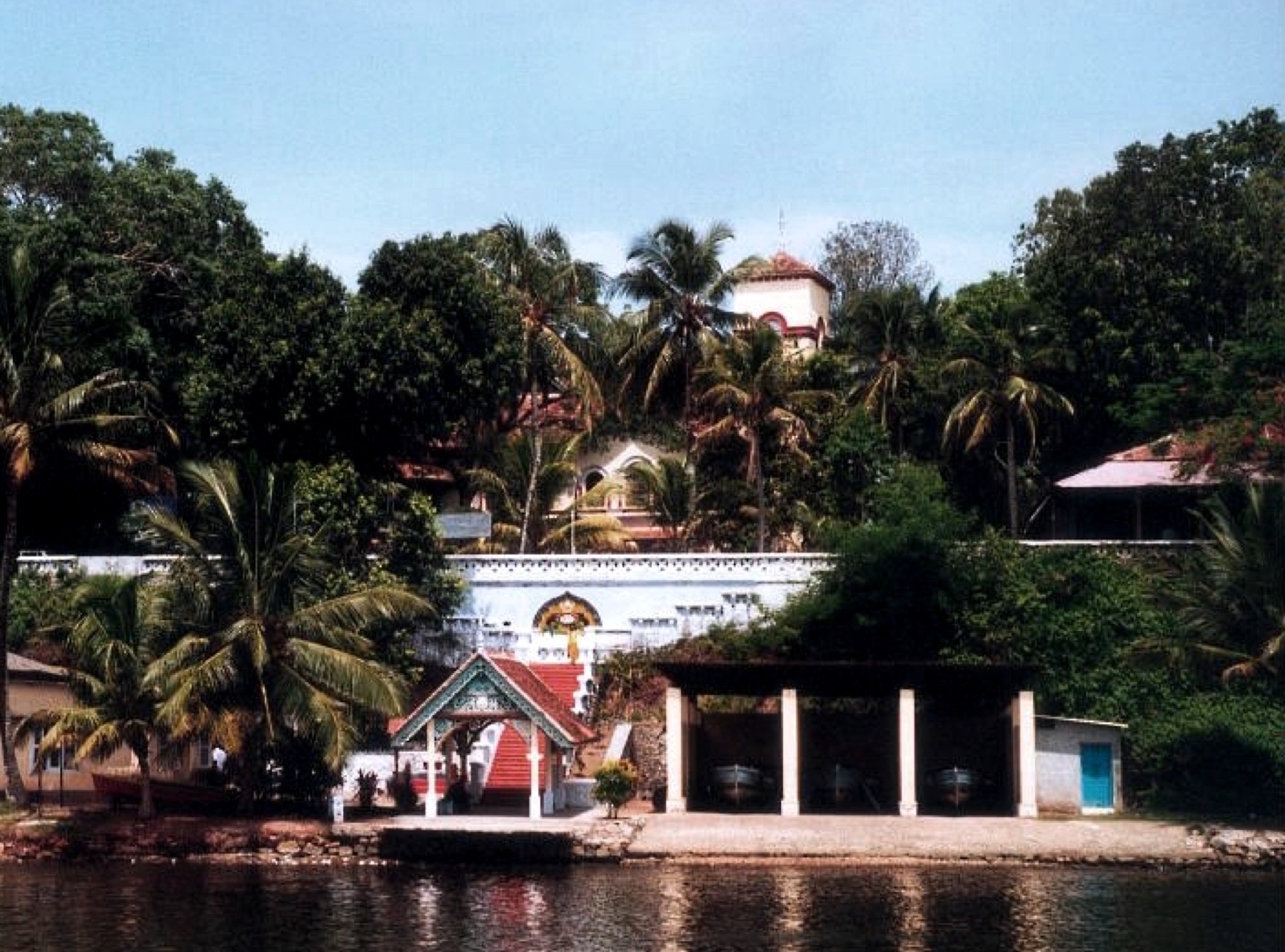
Cradled by low green hills about 25–29 km inland from Kollam town, Sasthamcotta Lake is the largest freshwater lake in Kerala and one of the state’s three Ramsar wetlands — a shimmering, spring-fed sheet of sweet water that quietly slakes the thirst of half a million people while a temple full of holy monkeys keeps watch from its bank.
The story of Sasthamcotta Lake
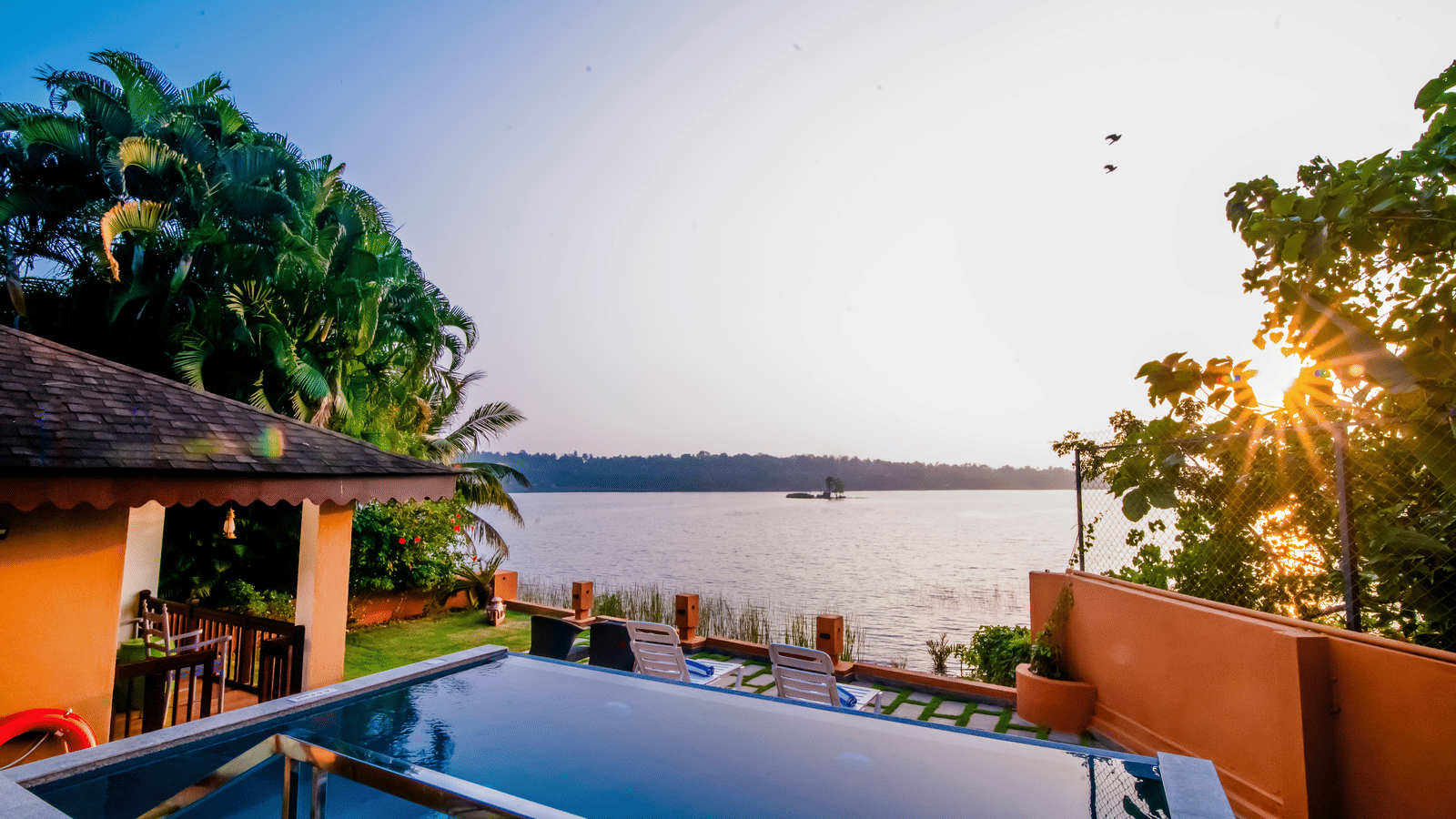
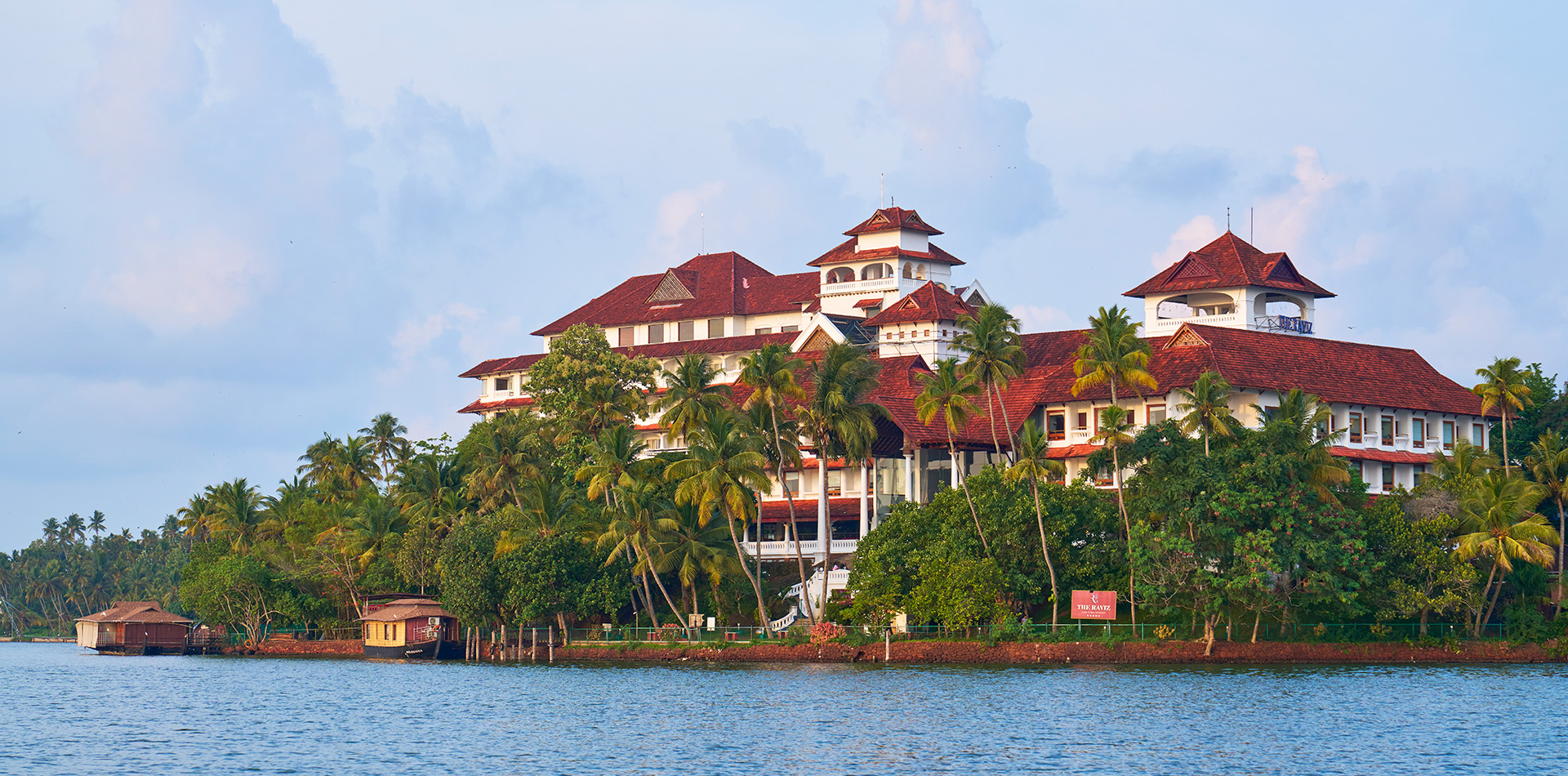
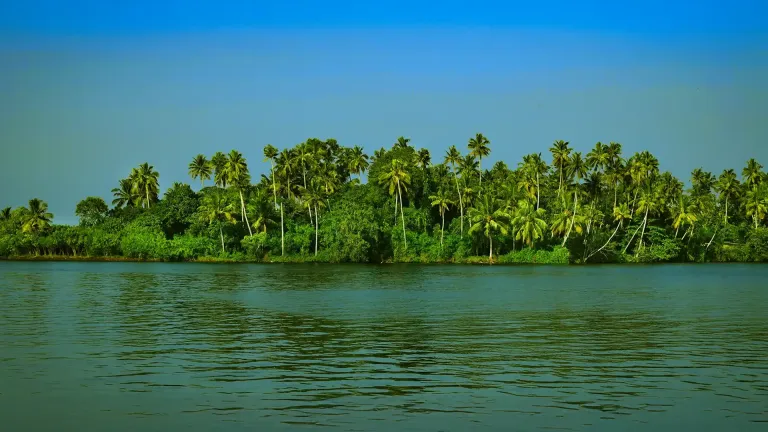
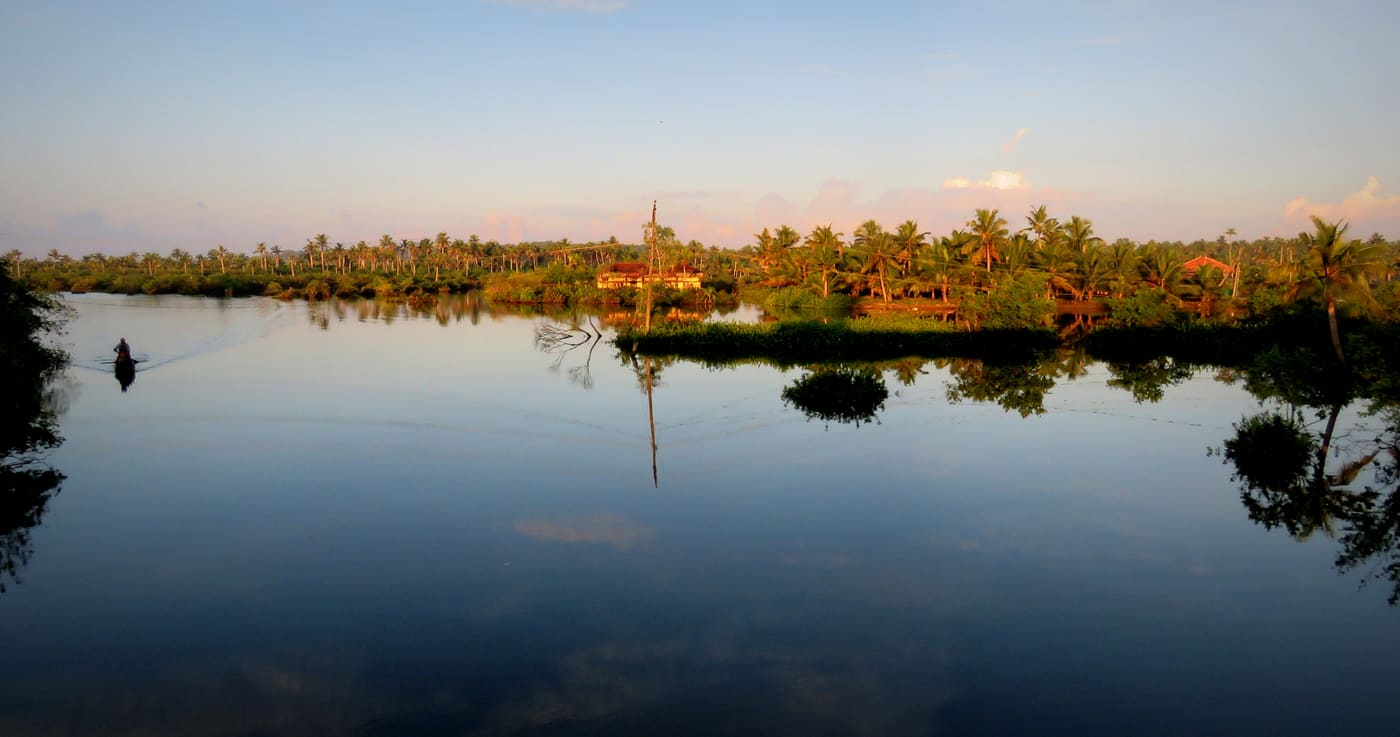
Most of Kerala’s famous waters are backwaters — brackish lagoons where the sea and the rivers meet. Sasthamcotta is the great exception. It is pure freshwater, holding no common salts and supporting almost no floating water plants, which gives its surface an unusually clear, glassy stillness. Ringed on nearly every side by steep little hills that fall into narrow valleys, and closed off to the south by a long earthen embankment (indicatively about 1.5 km) that holds the water back from the paddy fields, the lake feels less like a Kerala backwater and more like a hill tarn that wandered down to the coastal plain.
Its surface spreads across roughly 373 hectares (about 920 acres), and it is deep by Kerala standards — an average of around 6.5 m and a maximum of about 15 m in places (indicative figures — confirm locally). That depth and volume are why it matters far beyond tourism: Sasthamcotta is the principal source of drinking water for the Kollam (Quilon) region, meeting the everyday needs of roughly half a million people. To sit on its bank is to look out over the water supply of an entire city.
The lake takes its name from the shrine on its shoulder — the Sasthamcotta Sree Dharma Sastha Temple, an ancient Sastha (Ayyappa) temple that the water wraps around on three sides. The place-name literally binds the deity to the lake, and the two have been thought of as a single sacred landscape for centuries. Pilgrims to the temple and day-trippers to the lake arrive in the same stream, so the shore mixes the hush of a protected wetland with the bustle of a working shrine.
The lake’s most-repeated wonder is its cleanliness. Local and eco literature widely credits the water’s freedom from many disease-causing organisms to a tiny larva commonly called ‘cavaborus’, said to feed on bacteria in the water — a claim you will hear from guides, tourism notes and popular writing, and one worth treating as a commonly-cited local and ecological belief rather than a settled scientific fact (verify before repeating as certainty). Whatever the mechanism, the water has long been prized for being remarkably sweet and drinkable.
It is also a living wetland, not just a reservoir. The lake and its wooded hills shelter freshwater fish (commonly cited at around 27 species), together with butterflies, dragonflies, wetland birds and shoreline greenery — the sort of quiet biodiversity that earned it international recognition. Small country boats and pedalos ply the near shore, and a lakeside walk under the trees, with the temple bell drifting across the water, is the classic Sasthamcotta afternoon.
And then there are the monkeys. Resident troops live around the temple and along the bank, sometimes in large numbers, and are regarded by devotees as holy — a detail that turns an ordinary lakeside stroll into a slightly mischievous one. They are as much a part of the Sasthamcotta experience as the water itself, and visitors are wise to guard their bags, snacks and spectacles accordingly.
Legend & myth
Temple tradition tells that Lord Rama, returning to Ayodhya after defeating Ravana, halted here and performed rituals by the lake. As he left, he is said to have deputed Neelan — the chief architect of his vanara (monkey) army — to remain and serve at the spot. The troops of monkeys that live around the temple today are, by this legend, descendants of Neelan, which is why they are treated as sacred. It is a story told as devotional legend rather than history — offered here as the temple’s own tradition, not as verified fact.
History
Geologically the lake sits on ancient rock — Archaean formations laced with charnockite, biotite gneiss and dolerite — and is fed largely by springs and rainfall rather than by a major river, which is part of why its water stays fresh and sweet rather than turning brackish like the coastal backwaters. That closed, spring-fed character made it, over generations, the natural water bowl of the Kollam region.
On 19 August 2002 (indicative date — confirm locally) Sasthamcotta was designated a Ramsar site, a Wetland of International Importance, carrying Ramsar reference number 1212. It was recognised in the same period as two of Kerala’s other great wetlands, Ashtamudi and the Vembanad-Kol system, formally placing this quiet inland lake alongside the state’s most celebrated waters on a global conservation list.
The designation reflects the lake’s twin value: it is both an ecologically distinctive freshwater wetland and a critical drinking-water source, piped to serve roughly half a million people in and around Kollam. Few Ramsar sites anywhere carry so direct a role in a city’s daily survival, which is exactly what makes its protection so urgent.
That protection is now genuinely tested. In recent decades the lake has faced a documented fall in its water level and shrinkage of its margins — reports indicate that a stretch of the lakebed (commonly cited at around 46 acres) has dried out, attributed to sand mining, water abstraction and a lowering water table. Encroachment along the banks, conversion of catchment vegetation to plantations, and untreated sewage and plastic reaching the water have all been flagged by researchers and conservation bodies as pressures on its quality and extent (details indicative — confirm current status locally).
Because of all this, Sasthamcotta has been the subject of repeated restoration and management proposals — de-silting, catchment protection, pollution control and community-led clean-ups among them. Visitors should come understanding that this is first and foremost a protected drinking-water source and an internationally recognised wetland under stress, and behave accordingly: the lake’s beauty and its fragility are the same thing.
Why visit
Stand on the bank of the single largest freshwater lake in Kerala — a rare sweet-water expanse ringed by hills, quite unlike the state’s brackish backwaters.
Tick off one of Kerala’s three Ramsar wetlands of international importance, a genuine conservation landmark that most visitors to the coast never reach.
Visit the ancient Sasthamcotta Sree Dharma Sastha Temple on the lake’s edge, wrapped by water on three sides — one of Kerala’s five old Sastha shrines, alongside Sabarimala, Achankovil, Aryankavu and Kulathupuzha.
Meet the temple’s famous resident monkeys, regarded by devotees as holy and woven into the Rama–Neelan legend of the place.
Take a gentle boat ride or pedalo on the calm, unusually clear water, and hear the much-repeated local lore of the ‘cavaborus’ larva said to keep it clean (a commonly-cited claim, not settled science).
Enjoy an unhurried, uncrowded lakeside walk under shady trees with birds, butterflies and dragonflies — a quiet, local counterpoint to the busier Ashtamudi and Kollam beach circuit nearby.