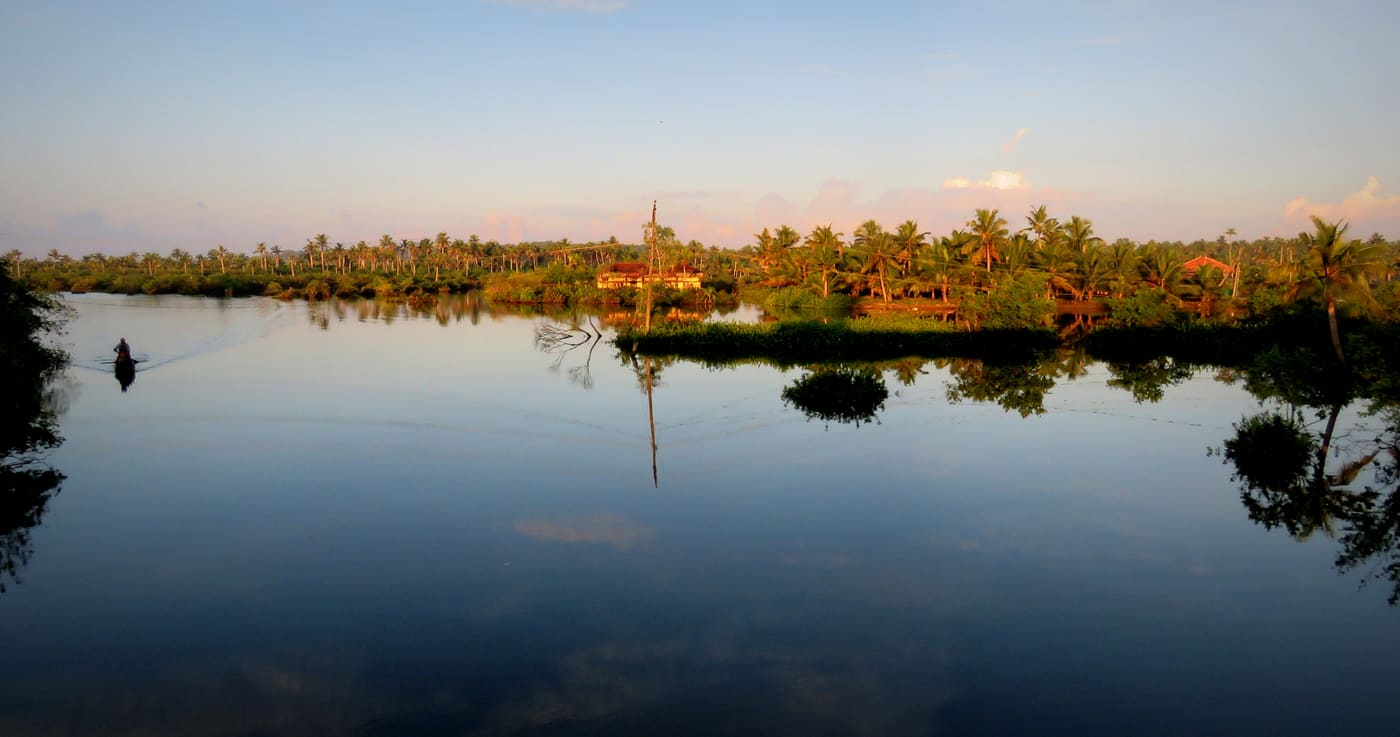
Just north of busy Kollam, a gentle crescent of golden sand curls beneath leaning coconut palms — and at low tide the sea pulls back to reveal a rocky islet you can almost walk out to.
The story of Thirumullavaram Beach
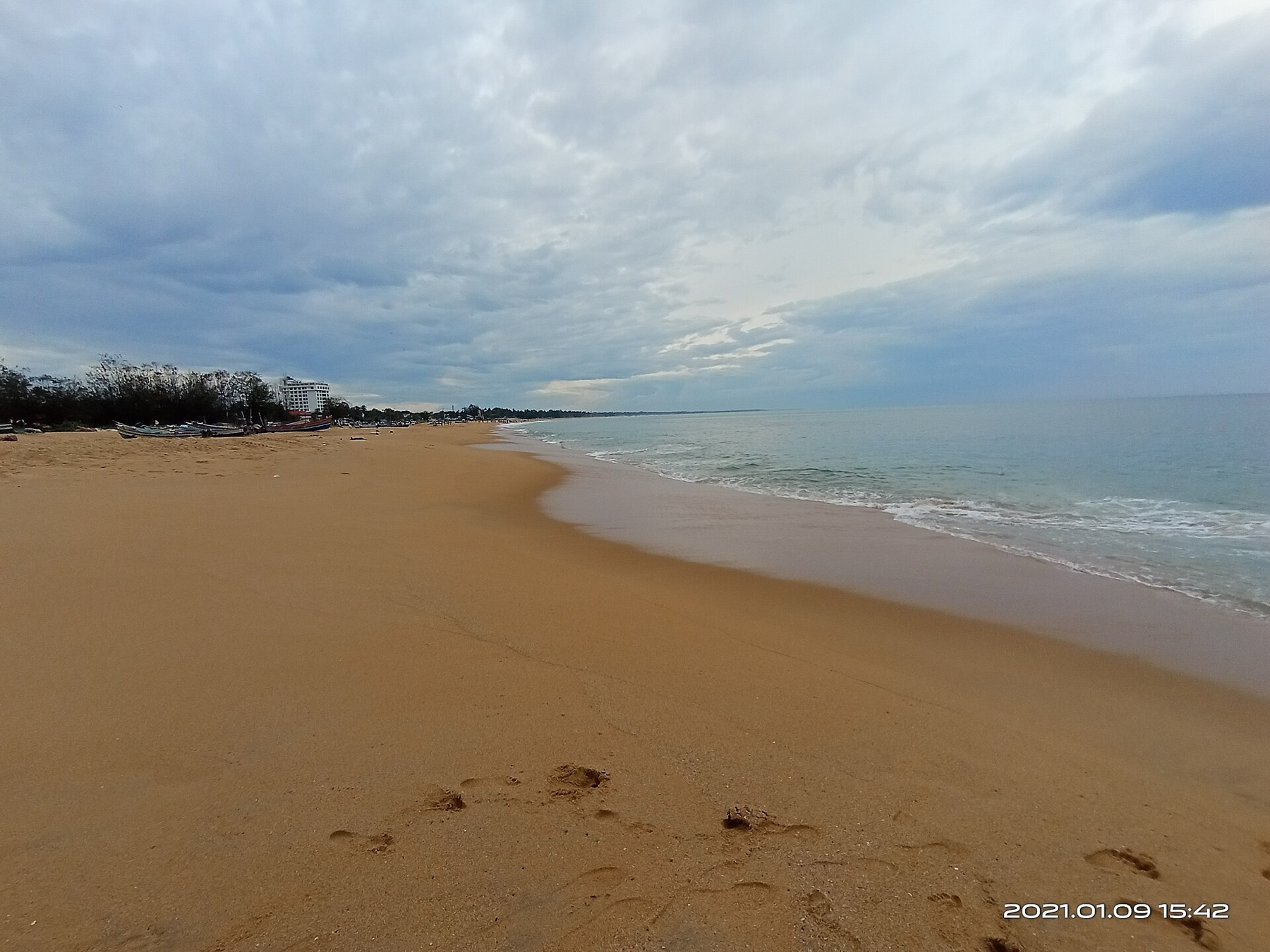
Thirumullavaram Beach lies roughly 6 km north of Kollam town, a calm curving bay that locals have treasured for generations as a picnic and sunset spot. Where Kerala’s open coast can pound and drag, this pocket of shoreline feels comparatively sheltered — a shallow, gently shelving beach backed by dense groves of coconut palms that throw cool, dappled shade right down to the sand. It is the kind of place families spread a mat, children chase the surf’s edge and old friends sit talking until the light turns gold.
The beach’s signature curiosity is its offshore rock, known locally as Njarazhcha Para — literally the “Sunday Rock” — a low rocky outcrop that lies out in the water and grows dramatically more visible at low tide, when the sea is said to recede by as much as half a kilometre. As the water pulls back it exposes wet sand, tide pools and rock, and visitors wade out toward the islet-like formation; when the tide returns the rock retreats once more into the waves. Timing a visit to the ebb tide is the classic Thirumullavaram experience.
Because the waters here are relatively gentle and the slope shallow, Thirumullavaram has a long reputation as one of the safer, calmer beaches near Kollam — a 2018 study by India’s Central Marine Fisheries Research Institute even ranked it among the country’s best-kept beaches, the top-listed from Kerala. That said, there are no permanent lifeguards, currents can shift with the tide, and the reassuring calm can be deceptive, so swimming is best kept shallow and cautious.
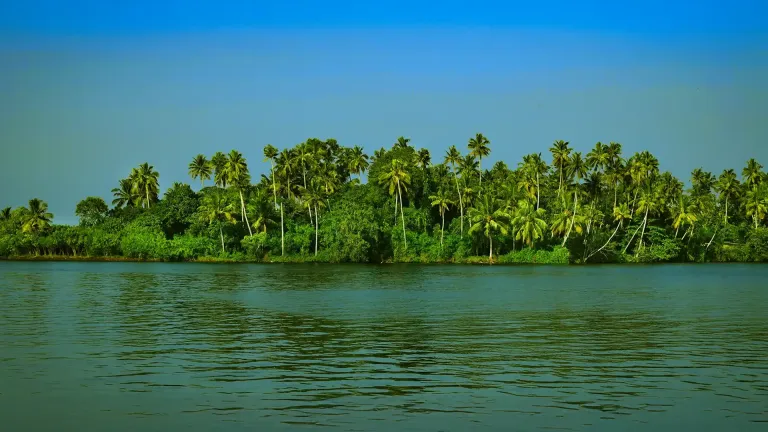
The coconut groves are as much a part of the atmosphere as the sea. They give the beach its “shady, quiet, silent place” character, so different from the wide-open glare of some Kerala shores, and they make it a favoured spot for a slow morning walk, an evening stroll or a shaded family lunch. Fishing catamarans and small boats often rest along the sand, a reminder that this is a working coast as well as a leisure one.
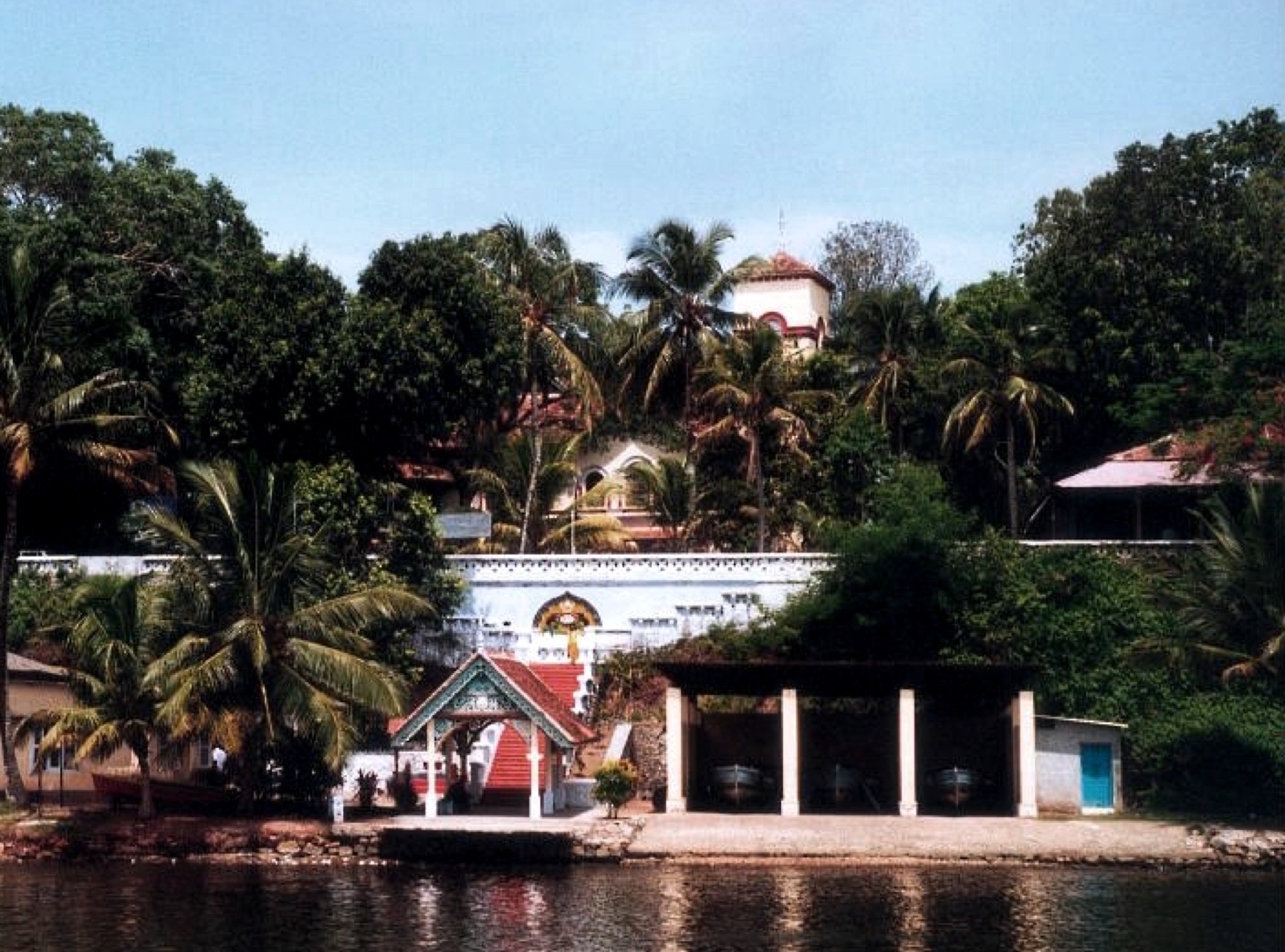
Set just above the beach is the old Thirumullavaram Sree Maha Vishnu (Sri Krishna) temple, which gives the place its name and lends it a quiet spiritual weight. On certain days of the year the sand fills with pilgrims performing ancestral rites at the water’s edge, transforming the everyday picnic beach into a solemn ritual ground — a duality that few Kerala beaches carry so vividly.
Compared with the more developed and crowded Kollam Beach in town, Thirumullavaram feels softer and more local — less a promenade, more a neighbourhood shore. It pairs naturally with a wider Kollam itinerary: the vast Ashtamudi Lake and its backwater cruises, the historic port town and the temple itself are all close by, making the beach an easy, unhurried half-day escape from the city.
Legend & myth
The beach takes on a deeply spiritual character during Karkidaka Vavu, the new-moon day of the Malayalam month of Karkidakam (roughly July–August), when Hindus across Kerala honour their departed ancestors. On this day thousands of devotees gather on the sand at dawn to perform Vavu Bali (Bali Tharpanam) — offering rice balls, sesame, tulsi and water at the sea’s edge in a rite believed to help departed souls find peace and moksha. Licensed priests lead the ceremony from pandals set up on the beach, and Thirumullavaram, alongside its Maha Vishnu temple, is one of the most important gathering points for the ritual in the Kollam region.
History
The beach draws its name from the adjacent Thirumullavaram Sree Maha Vishnu Swami temple — a Vishnu (worshipped here as Sri Krishna) shrine that gives the whole locality its identity. In Kerala place-names the honorific “Thiru” marks a sacred, revered spot, and it is the temple that anchors the name to this stretch of coast.
Kollam — historically known as Quilon — is one of the oldest continuously important port towns on India’s south-western coast, a hub of the ancient spice trade with links reaching to China, Arabia and the Mediterranean. Medieval travellers such as Marco Polo and Ibn Battuta noted Quilon’s significance, and the town lends its name to the Malayalam Era (Kollam Era / Kollavarsham). Thirumullavaram sits on this same ancient, trade-soaked coastline just north of the old port.
For most of its modern life, however, Thirumullavaram has been known less for commerce than for leisure. Sheltered, shaded and calm, it became a traditional local picnic and outing spot — a place Kollam families and day-trippers have come to for sunsets, sea air and the low-tide walk out toward the Sunday Rock, well before it appeared on wider tourist maps.
Its religious role is long-standing and continues to grow. The Karkidaka Vavu Bali observance draws thousands of devotees each year to perform ancestral offerings on the sand, with elaborate arrangements coordinated through the Thirumullavaram Maha Vishnu temple; in recent years authorities have added eco-friendly measures to manage the crowds and offerings. This annual gathering has cemented the beach’s reputation as one of the principal Vavu Bali venues in southern Kerala.
Recognition of the beach’s natural quality is more recent: the 2018 Central Marine Fisheries Research Institute assessment that named it among India’s best-kept beaches — and the strongest entry from Kerala — helped raise its profile from a purely local haunt to a destination worth seeking out on a Kollam itinerary.
Why visit
A calm, curving bay that is gentler and less crowded than town beaches.
The low-tide walk out toward Njarazhcha Para, the offshore “Sunday Rock”.
Shady coconut groves running right down to the sand — ideal for picnics.
One of Kerala’s top-rated, best-kept beaches (2018 CMFRI study).
A classic Kollam sunset spot with a quiet, local atmosphere.
Easy to combine with Ashtamudi Lake, backwater cruises and the temple.