Marmala Waterfalls

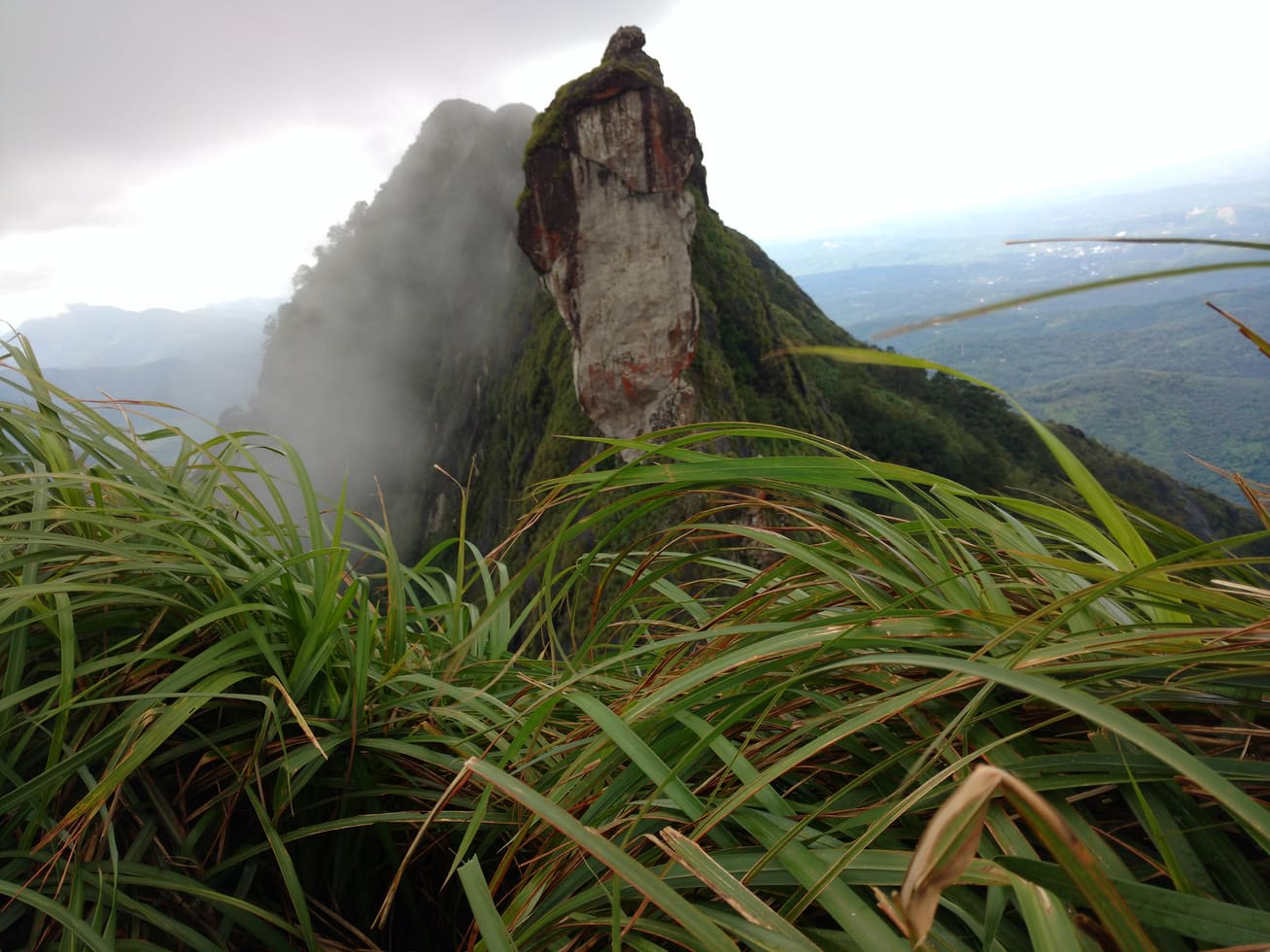
Marmala Waterfalls is a forest-edge waterfall reached from the Teekoy/Erattupetta side of eastern Kottayam, useful for travellers exploring the Pala highlands, Illikkal Kallu and Meenachil valley viewpoints. It is more of a short nature outing than a polished mass-tourism waterfall.

Marmala Waterfalls, Pala and Erattupetta highlands
Practical guide

Plan Marmala Waterfalls

Typewaterfall
Nearest basePala and Erattupetta highlands
Best timePost-monsoon to winter is usually best for flow and access
Time needed2 to 3 hours locally
EntryGenerally no formal entry fee to the falls; a small local parking charge may apply, and access crosses private estate land so local permission or conditions can vary (indicative — confirm locally).
Nearest town/basePala and Erattupetta highlands
DistrictKottayam
Place typewaterfall
Time needed2 to 3 hours locally; half a day if paired with nearby viewpoints.

Marmala Waterfalls is a forest-edge waterfall reached from the Teekoy/Erattupetta side of eastern Kottayam, useful for travellers exploring the Pala highlands, Illikkal Kallu and Meenachil valley viewpoints. It is more of a short nature outing than a polished mass-tourism waterfall.

The important guidance is access and safety: road condition, parking, final walking approach and water level can change by season. Verified local drivers and guides are more useful here than generic waterfall tour packages.

The story

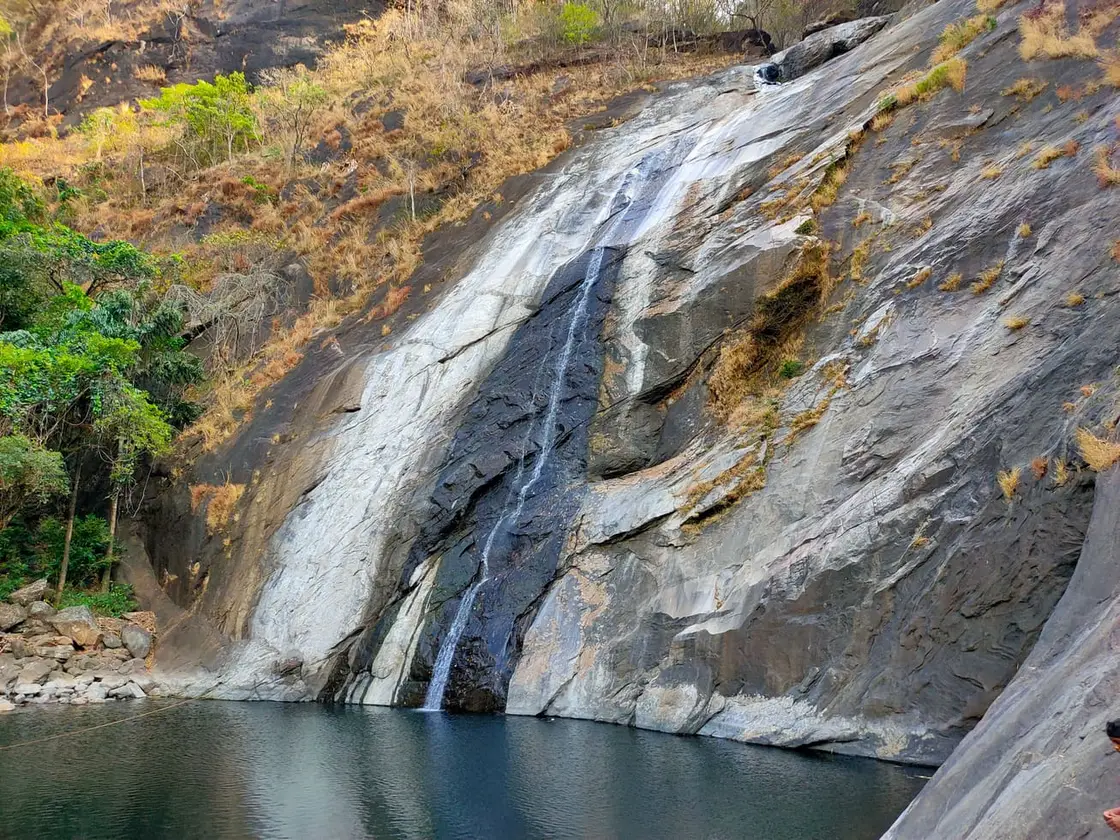
Hidden in the rubber-and-spice country above Erattupetta, Marmala Waterfalls is a tall, white ribbon of water that slides off a forest cliff on the Vanchipuzha stream and crashes into a deep green pool below. It rewards those willing to leave the tarmac and walk in — a short, slippery descent through plantation and forest that most day-trippers never bother with. That effort is precisely why it still feels wild, unhurried and a little secret.

The story of Marmala Waterfalls

The first thing you hear is the water, long before you see it. From the last drivable point above Teekoy, the path drops away through rows of rubber trees, their trunks scored with tapping spirals and hung with little collection cups, and then the plantation gives way to older forest. Somewhere ahead a low roar builds, and the light changes as the canopy thickens. Then the trees open and there it is — a long fall of white water, roughly 50 to 60 metres by popular reckoning (indicative — sources vary between about 40m and 60m; confirm locally), pouring off a dark rock face into a broad, shadowed pool.

Locals also call the stream feeding it the Vanchipuzha, and the water itself is startlingly clear where it gathers at the base. The pool is deep — commonly described as around 12 metres (indicative — confirm locally) — which is exactly what makes it both beautiful and dangerous. In the dry months the flow narrows to a graceful curtain and the rocks around the basin bake in dappled sun, perfect for sitting and simply watching. After the monsoon, the same fall becomes a thundering column that throws spray across the whole clearing and drowns out conversation.

Getting there is half the experience. The last stretch — roughly a couple of kilometres beyond the estate road (indicative — confirm locally) — is done on foot or by a bone-rattling jeep along forest track, and the final descent to the pool is a scramble over wet, root-laced, moss-slicked rock. It is not a manicured tourist walkway. There are no railings, no steps in places, and the ground stays greasy even on dry days because of the constant mist. Good grip on your shoes matters more here than almost anywhere else in the Kottayam highlands.

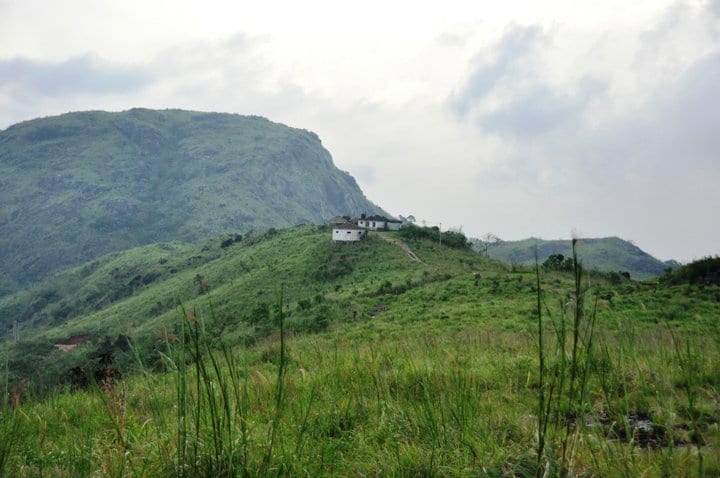
The setting is quintessential Meenachil-valley highland: rubber estates stitched into steep folds of the Western Ghats foothills, patches of cardamom and pepper, and remnant forest where the plantation runs out. Butterflies drift through the clearing, the pool edges are cushioned with fern and wet leaf, and the air carries the cool, mineral smell of moving water and turned earth. It is the kind of place where you notice the small things — a kingfisher flash, the drip of the canopy, the way the light comes down in bars.

Marmala has quietly built a reputation as an offbeat favourite — talked about among Kerala trekkers and weekenders far more than it is signposted. That word-of-mouth fame is a double edge. On busy weekends and holidays the clearing can fill with visitors and the frailness of the place shows: litter, crowding at the pool edge, people wading in where they should not. Go early on a weekday and you may have the roar of the fall almost to yourself.

For all its beauty, Marmala demands respect rather than bravado. The combination of a deep pool, strong current under the fall and rock that is permanently slick has claimed lives at Kerala waterfalls of exactly this type. The people who love this place most are usually the ones who stay well back from the plunge, keep a hand for the rock on the descent, and treat the water as something to admire rather than conquer.

History

Marmala is a natural feature, not a built monument, so its story is really the story of the land around it — the Teekoy and Thalanadu highlands on the eastern edge of Kottayam district, where the coastal plain crumples up into the foothills of the Western Ghats. For most of recorded history this was thickly forested hill country on the frontier of the old Meenachil taluk, sparsely settled and known chiefly to hunters, forest-produce gatherers and the streams that drain west toward the Meenachil river system.

The landscape you walk through today was largely shaped in the plantation era. Through the nineteenth and twentieth centuries the Kottayam and Pala highlands became one of the engines of Kerala's plantation economy, first with spices and later, decisively, with rubber. The rows of tapped rubber trees around the Marmala trail, the estate tracks, and the mixed pepper-and-cardamom smallholdings are all part of that long agricultural remaking of the hills (general regional history — details of the specific estate are not well documented; confirm locally).

A large wave of settler-farmers moved into these midland and highland belts through the mid-twentieth century as families migrated from more crowded parts of central Travancore in search of cultivable land. Villages like Teekoy, Thalanadu and the wider Erattupetta uplands grew out of that movement, and much of the land immediately around the falls remains privately held estate ground rather than public forest — which is why access has always been informal and courteous rather than ticketed.

As a visitor destination, Marmala is a recent arrival. It stayed essentially local knowledge until Kerala's boom in offbeat and adventure tourism, and the spread of social media, pushed places like it into wider view over the last decade or so. It now appears on state tourism listings and countless travel blogs, yet it has never been formally developed with the infrastructure of a marquee site — a status that keeps it raw and beautiful but also means safety and upkeep depend heavily on visitors behaving well.

That informal status is the key thing to understand about Marmala's present. There is no grand founding legend to tell, no temple or fort layered onto it — its whole appeal is that it is simply a wild waterfall in working plantation country, reached the old way, on foot.

Why visit

The fall itself is genuinely spectacular — a tall, clean drop of roughly 50 to 60 metres (indicative — confirm locally) into a deep forest pool, at its most dramatic in the weeks after the monsoon when the whole clearing shakes with spray and sound.

It is a real little trek, not a drive-up viewpoint. The descent through rubber estate and forest to the pool gives you the satisfaction of arriving somewhere you had to work for, which is exactly why it still feels unspoilt.

The setting is classic Western Ghats foothill country — rubber plantations, spice gardens, ferns, butterflies and cool moving water — a lush, green, sensory place that photographs beautifully in almost any light.

It is offbeat. Compared with Kerala's headline waterfalls, Marmala is quiet, especially on weekday mornings, and rewards travellers who want nature without the full tourist apparatus of railings, shops and crowds.

It slots neatly into the wider Pala–Erattupetta–Vagamon highland circuit, so you can pair it with a plantation drive, a hill viewpoint or a run up to Vagamon and make a full, scenic day of the highlands.

For nature-lovers and slow travellers it offers something increasingly rare — a place to just sit by clear water in the forest, watch the fall, and hear almost nothing but the water and the birds.
Visiting

Marmala Waterfalls — at a glance

TimingsTypically visited during daylight hours, roughly 6:00 AM to 6:00 PM, with locals often advising you arrive and start back well before around 4:00 PM for safety on the slippery return (indicative — no formal ticketed gate; confirm locally).
Best timeBest from about September to February, post-monsoon, when flow is strong and the trail is drying; peak monsoon gives maximum water but the most dangerous, slipperiest conditions; flow drops noticeably by late summer (March–May). (Indicative — confirm locally.)

Entry: Generally no formal entry fee to the falls; a small local parking charge may apply, and access crosses private estate land so local permission or conditions can vary (indicative — confirm locally).

Dress code: Practical trekking clothes and, above all, sturdy shoes with good grip for wet rock; carry a change of clothes if you plan to get near the spray. Modest, comfortable attire is sensible in this rural plantation setting.

Festivals: No festival is associated with the waterfall itself; it is a natural site rather than a place of worship.

Photography: Excellent for photography — the fall, the pool and the forest all photograph beautifully; protect gear from spray and mist, and never put yourself near the plunge or on slick rock for a shot.

Getting here

How to reach Marmala Waterfalls

  • ✈︎ By air The nearest major airport is Cochin International Airport (Nedumbassery), roughly 80 km away depending on route, from where you can hire a taxi to the Erattupetta–Teekoy highlands (indicative distance — confirm locally).
  • 🚆︎ By train The nearest convenient railhead is Kottayam railway station, roughly 45 km away, from where taxis and buses run toward Pala and Erattupetta (indicative distance — confirm locally).
  • 🚗︎ By road By road the route runs via Pala and Erattupetta and on toward Teekoy, after which an estate/forest track leads to the falls; the last stretch is rough and best in a high-clearance vehicle or jeep (indicative — confirm locally).
  • 🚌︎ By bus Take a bus to Erattupetta, which is well connected, then a local bus, taxi or hired jeep toward Teekoy and the trailhead; there is no direct bus to the waterfall itself (indicative — confirm locally).
Do

Things to do

  • Trek down through the rubber estate and forest to the base of the fall — the short, atmospheric approach is a highlight in itself.
  • Watch and photograph the main cascade, roughly 50–60m tall (indicative — confirm locally), especially dramatic just after the monsoon.
  • Relax by the clear pool and the surrounding forest clearing — a quiet spot for a picnic and nature-watching (keep well back from the deep water).
  • Look out for birds, butterflies and highland flora along the trail through the plantation and forest edge.
  • Explore the rubber-and-spice plantation landscape of the Teekoy–Thalanadu highlands on the drive in.
  • Combine the visit with the wider Pala–Erattupetta–Vagamon circuit for viewpoints, meadows and plantation scenery.
  • Simply sit and take in the sound and spray of moving water — the reason most people fall for Marmala.

Safety first: the rocks are permanently slippery, the pool is deep and the current under the fall is strong — drownings have occurred at Kerala waterfalls of this kind, so swim only with great caution and only where clearly safe and permitted, and avoid the water entirely in high flow or after rain. Much of the surrounding land is private plantation, so tread respectfully, take your litter out, and confirm access locally (indicative — confirm locally).

What to expect

Highlights

  • Eastern Kottayam waterfall stop near the Pala-Erattupetta highland circuit.
  • Pairs well with Illikkal Kallu, Ilaveezhapoonchira, Teekoy and Meenachil valley drives.
  • Priority inventory for local drivers, homestays, simple food stops and guide-supported nature visits.
Getting there

How to visit

  • Base in Pala, Erattupetta, Teekoy or a nearby highland homestay.
  • Check road and path condition locally before setting out, especially after rain.
  • Wear footwear with grip and keep the visit daylight-only unless staying nearby.

Distance by road

  • Kochi62 km
  • Thiruvananthapuram146 km
  • Coimbatore237 km
  • Madurai250 km
  • Kozhikode261 km

Road km to Kottayam; ghat roads and traffic vary — allow extra.

Timing

Best time

Post-monsoon to winter is usually best for flow and access. Heavy monsoon rain can make rocks, paths and water levels unsafe.

Weather in Marmala WaterfallsSeasonal guide

Live forecast loads in your browser.

Visitor notes

  • Facilities are limited; carry water and do not depend on last-minute food options.
  • The final approach may not suit very young children, seniors or travellers with mobility limitations.
  • Listings should distinguish Teekoy, Erattupetta and Pala addresses clearly.
Safety

Good to know

  • Do not enter strong currents or slippery rock pools.
  • Avoid the falls during heavy rain or sudden water-level changes.
  • Keep away from edges and use local guidance on safe viewing areas.
On the map

Where Marmala Waterfalls is

Stay · eat · do · rent · see · shop

Stays, food & things to do near Marmala Waterfalls

Verified hotels, homestays, restaurants, experiences, sights, shops and rentals around Marmala Waterfalls — commission-free, with direct contact. Filter by what you need.

B
Brilliant Car Rentals
Vehicle rental
Top pick Verified
Self-drive car rental · Pala and Erattupetta highlands
Brilliant Car Rentals
5.0 (2)

Self-drive car rental in pala and erattupetta highlands — confirm vehicles, rates, documents and deposit directly. (vehicle rental option in Pala and Erattupetta highlands)

Commission-freeView details
M
Maharani Restaurant Pala
Where to eat
Top pick Verified
Town restaurant · Pala and Erattupetta highlands
Maharani Restaurant Pala

eat option in Pala and Erattupetta highlands: Maharani Restaurant Pala is a Town restaurant option for eat planning in Pala and Erattupetta highlands, Ernakulam, kerala, India. Use Maharani Restaurant Pala as a eat option in Pala and Erattupetta highlands, Ernakulam, kerala, India. compare menus, pricing and location against your route. Key details: Hotel Maharani, Main Road, Pala, Kottayam, Kerala 686575 · Price range: Contact direct / check current rules · Amenities: pala-and-erattupetta-highlands, eat, Town restaurant.

Commission-freeView details
S
SRTO Pala
Things to do
Top pick Verified
Transport office · Pala and Erattupetta highlands
SRTO Pala

do option in Pala and Erattupetta highlands: SRTO Pala is a Transport office option for do planning in Pala and Erattupetta highlands, Ernakulam, kerala, India. Use SRTO Pala as a do option in Pala and Erattupetta highlands, Ernakulam, kerala, India. book timing, permits and local support before heading out. Key details: SRTO, Building No.168 C, Ward No.15, Chethimattam, Pala Municipality, Kottayam, Kerala 686575 · Price range: Government service · Amenities: Pala, Transport, Government office.

Commission-freeView details
H
Hotel Maharani Pala
Place to stay
Top pick Verified
Hotel · Pala and Erattupetta highlands
Hotel Maharani Pala

stay option in Pala and Erattupetta highlands: Hotel Maharani Pala is a Hotel option for stay planning in Pala and Erattupetta highlands, Ernakulam, kerala, India. Use Hotel Maharani Pala as a stay option in Pala and Erattupetta highlands, Ernakulam, kerala, India. book your stay, transport and nearby food stops. Key details: Hotel Maharani, Pala Main Road, Pala, Kottayam, Kerala 686575 · Price range: Contact direct · Amenities: Pala, Hotel, Restaurant.

Commission-freeView details
S
Sunstar Residency and Food Plaza Pala
Place to stay
Top pick Verified
Hotel · Pala and Erattupetta highlands
Sunstar Residency and Food Plaza Pala

stay option in Pala and Erattupetta highlands: Sunstar Residency and Food Plaza Pala is a Hotel option for stay planning in Pala and Erattupetta highlands, Ernakulam, kerala, India. Use Sunstar Residency and Food Plaza Pala as a stay option in Pala and Erattupetta highlands, Ernakulam, kerala, India. book your stay, transport and nearby food stops. Key details: Sunstar Residency and Food Plaza, Pala, Kottayam, Kerala 686575 · Price range: Contact direct · Amenities: Pala, Hotel, Restaurant.

Commission-freeView details
P
PWD Rest House Erattupetta
Place to stay
Verified
Government rest house · Pala and Erattupetta highlands
PWD Rest House Erattupetta

stay option in Pala and Erattupetta highlands: PWD Rest House Erattupetta is a Government rest house option for stay planning in Pala and Erattupetta highlands, Ernakulam, kerala, India. Use PWD Rest House Erattupetta as a stay option in Pala and Erattupetta highlands, Ernakulam, kerala, India. book your stay, transport and nearby food stops. Key details: P.W.D Rest House, Erattupetta, Kottayam, Kerala 686121 · Price range: Contact direct · Amenities: Erattupetta, PWD rest house, District listed.

Commission-freeView details
P
PWD Rest House Pala
Place to stay
Verified
Government rest house · Pala and Erattupetta highlands
PWD Rest House Pala

stay option in Pala and Erattupetta highlands: PWD Rest House Pala is a Government rest house option for stay planning in Pala and Erattupetta highlands, Ernakulam, kerala, India. Use PWD Rest House Pala as a stay option in Pala and Erattupetta highlands, Ernakulam, kerala, India. book your stay, transport and nearby food stops. Key details: P.W.D Rest House, Pala, Kottayam, Kerala 686575 · Price range: Contact direct · Amenities: Pala, PWD rest house, District listed.

Commission-freeView details

Roampedia is commission-free — own or know a stay, eatery, guide or shop near Marmala Waterfalls? List it and it appears here once verified.

Add a nearby business
Nearby

What’s near Marmala Waterfalls

Poonjar Palace
heritagePoonjar Palace 5.2 km · ~13 min by auto
Illikkal Kallu
viewpointIllikkal Kallu 5.5 km · ~14 min by auto
trekIllikkal Kallu trek 5.5 km · ~14 min by auto
Bharananganam
churchBharananganam 13.1 km · ~22 min by cab
trekIlaveezhapoonchira trek 13.1 km · ~22 min by cab
Ilaveezhapoonchira
viewpointIlaveezhapoonchira 13.1 km · ~22 min by cab
Good to know

Marmala Waterfalls — frequently asked

When is the best time to visit Marmala Waterfalls?

Post-monsoon to winter is usually best for flow and access. Heavy monsoon rain can make rocks, paths and water levels unsafe.

What are the entry fee and timings at Marmala Waterfalls?

Entry: Generally no formal entry fee to the falls; a small local parking charge may apply, and access crosses private estate land so local permission or conditions can vary (indicative — confirm locally).. Timings: Typically visited during daylight hours, roughly 6:00 AM to 6:00 PM, with locals often advising you arrive and start back well before around 4:00 PM for safety on the slippery return (indicative — no formal ticketed gate; confirm locally).. Fees and timings are indicative — confirm on site before you travel.

How do I reach Marmala Waterfalls?

Base in Pala, Erattupetta, Teekoy or a nearby highland homestay. Check road and path condition locally before setting out, especially after rain. Wear footwear with grip and keep the visit daylight-only unless staying nearby.

How much time do I need for Marmala Waterfalls?

2 to 3 hours locally; half a day if paired with nearby viewpoints.

What else is near Marmala Waterfalls?

Nearby you can pair Poonjar Palace (5.2 km), Illikkal Kallu (5.5 km), Illikkal Kallu trek (5.5 km), Bharananganam (13.1 km).

What should I know before visiting Marmala Waterfalls?

Do not enter strong currents or slippery rock pools. Avoid the falls during heavy rain or sudden water-level changes. Keep away from edges and use local guidance on safe viewing areas.

Image credits
  • Marmala Waterfalls:athulvis · CC BY-SA 3.0