The story
Guruvayur Sree Krishna Temple is among the most revered Vaishnava shrines in India, drawing millions of pilgrims to a small temple town in Thrissur district where the child-form of Krishna — Guruvayurappan — is worshipped. Often called the “Dwarka of the South” and “Bhooloka Vaikuntha” (heaven on earth), it is a living centre of Kerala devotion, famed for its dawn-to-dusk queues, its temple elephants, and its status as an auspicious venue for weddings and a child’s first feeding.
The story of Guruvayur Temple
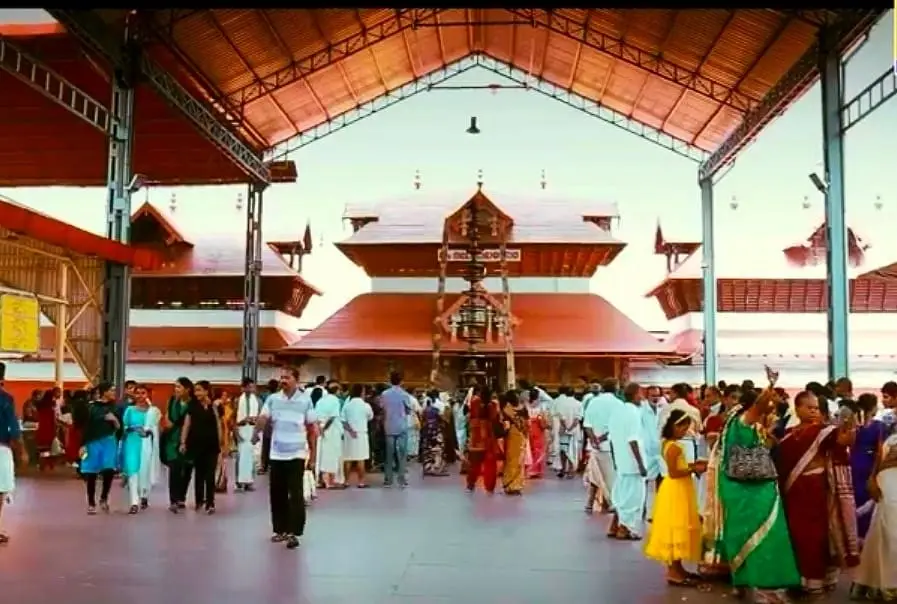
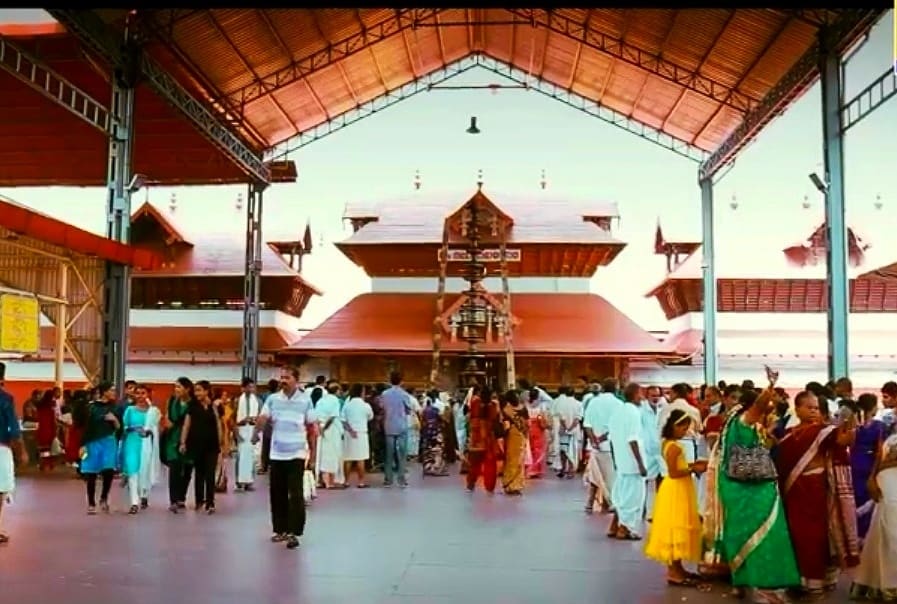
Long before first light, the streets around the shrine fill with barefoot devotees. The temple opens in the small hours for the Nirmalya darshanam — the day’s earliest glimpse, when the deity is still adorned with the previous night’s flowers and ornaments before the morning rituals begin. Standing in the pre-dawn dark for this first sight of Guruvayurappan is, for many pilgrims, the emotional heart of the whole visit, and the queues form well before the doors part.
The atmosphere inside is intensely devotional rather than touristic. Bare-chested men in mundus and women in traditional dress move slowly through the pradakshina path, chanting and pressing forward for a few seconds of darshan at the sanctum. Because the shrine draws such crowds, the experience is often brief and jostling, yet devotees speak of an unmistakable charge to the air — the collective longing of thousands focused on the small, dark idol holding conch, discus, mace and lotus.
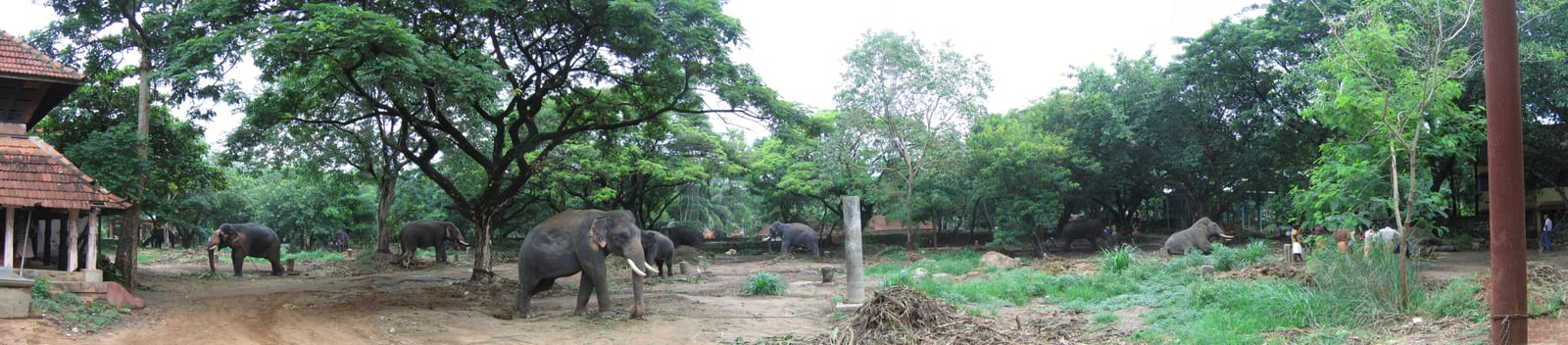
Guruvayur is inseparable from its elephants. A short distance from the temple, at Punnathurkotta, a former palace compound houses the temple’s herd — animals donated over the years by devotees as offerings to the Lord. On festival days the elephants are caparisoned in gold for processions, and the Anayoottu, a mass elephant-feeding ceremony, sees the tuskers lined up and fed ceremonially with rice, jaggery, coconut and greens amid great crowds (dates and practice vary — confirm locally).
The temple is one of Kerala’s most sought-after venues for life-milestones. Guruvayur weddings — simple, swift ceremonies performed in the presence of the deity — are booked far in advance, and on auspicious days a steady procession of couples marries under the Lord’s gaze. Equally cherished is the Annaprasana, or Choroonu, a baby’s first taste of solid rice, performed here by families who travel long distances so the child’s first meal is offered before Guruvayurappan. Tulabharam, where a devotee is weighed against offerings such as bananas, sugar or sandalwood, is another much-loved vow fulfilled at the temple.
Ritual offerings shape the day’s rhythm. Devotees sponsor the Udayasthamana pooja (a full day of worship from sunrise to sunset), light rows of lamps, and offer Palpayasam and other prasadam. The famous elephant race and the Ekadasi observances, the flag-hoisting festivals and the temple’s many seva slots mean the shrine is rarely still — there is almost always a ceremony, a name being called, a family fulfilling a promise made in gratitude or hope.
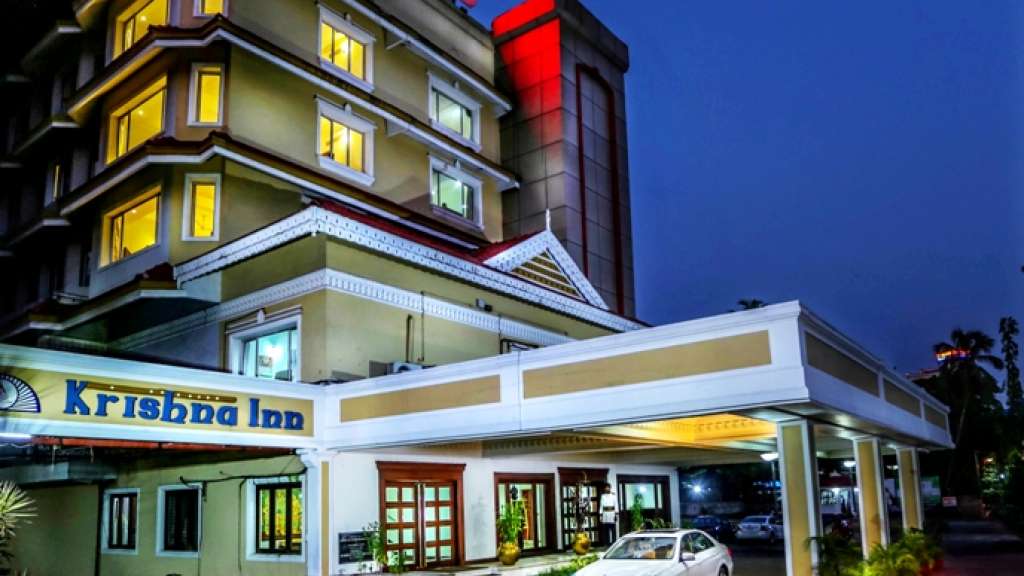
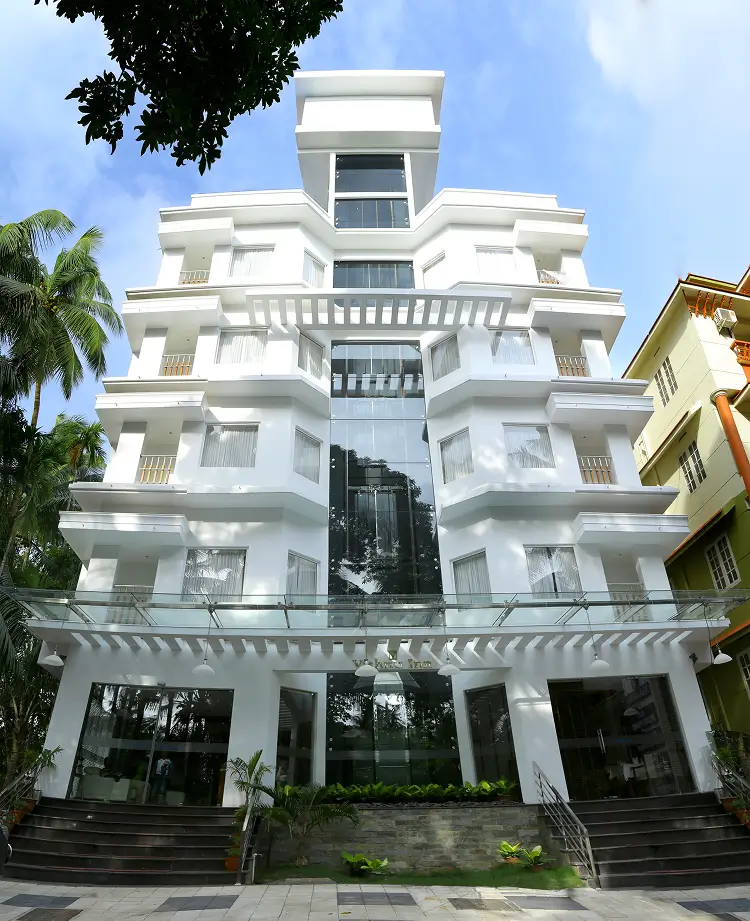
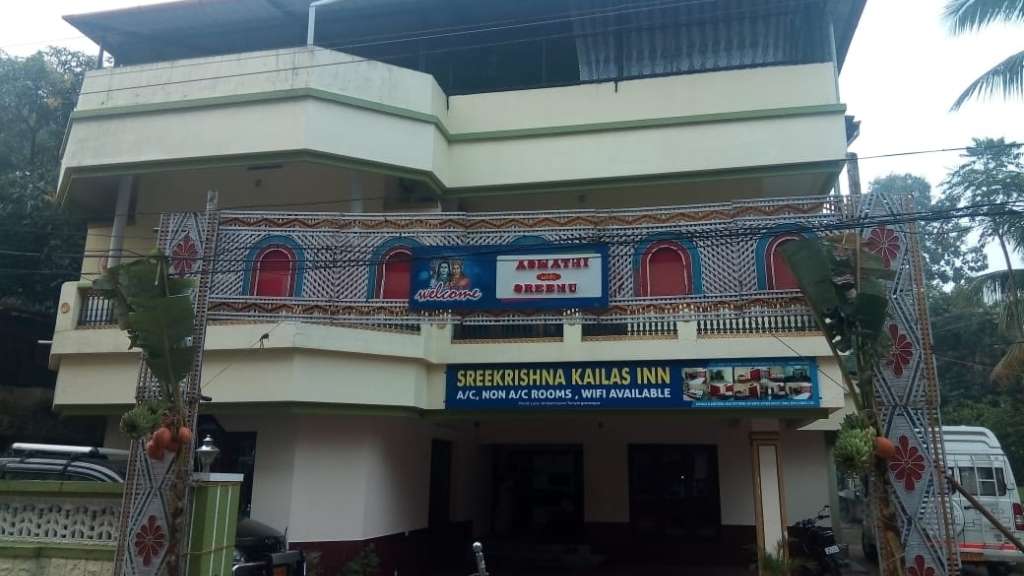
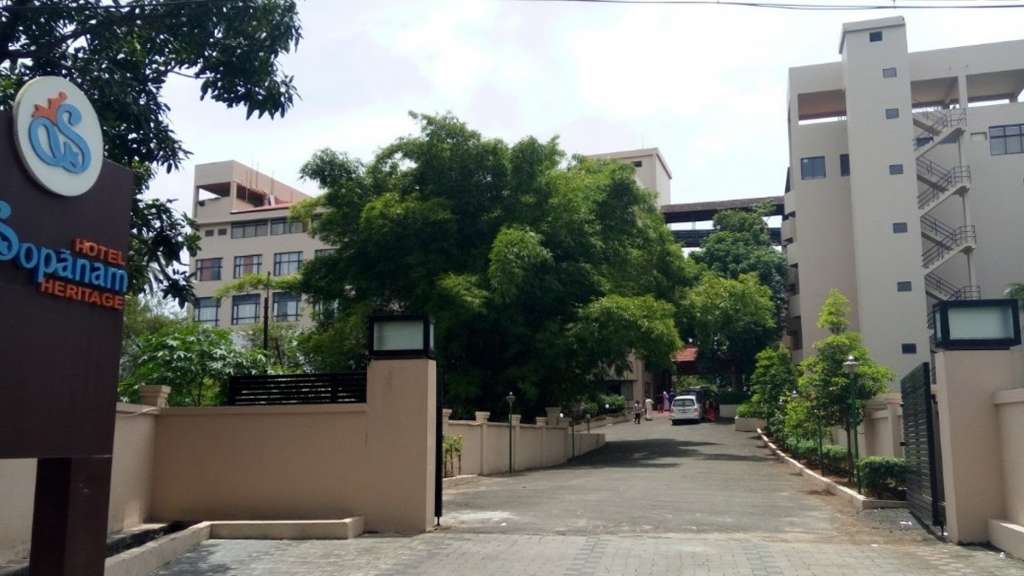
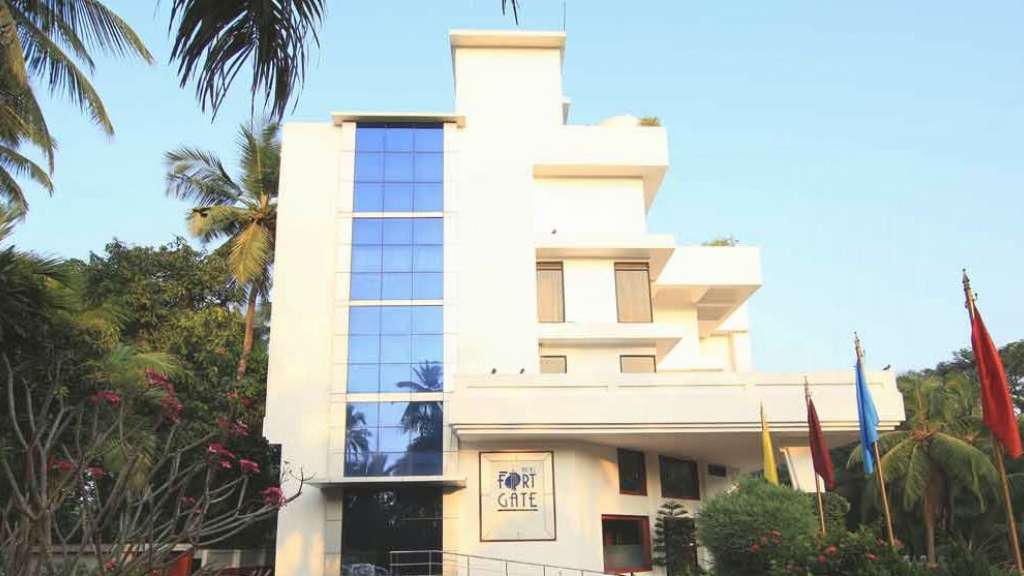
The town itself has grown up entirely around the shrine. Lanes radiating from the eastern and western gates are lined with stalls selling tulsi garlands, framed images of the Lord, brass lamps, prasadam sweets and pilgrim provisions, alongside modest lodges, choultries and eateries serving Kerala vegetarian meals. Nearby stand associated shrines including the Mammiyur Mahadeva Temple, and pilgrims often combine Guruvayur with a wider Thrissur circuit — but everything in this town, from its economy to its daily timetable, orbits the presence of Guruvayurappan.
Legend & myth
By legend, the idol worshipped at Guruvayur is no ordinary image but one fashioned by Vishnu himself and worshipped across ages — passed, the stories say, from Brahma to the king Sutapas and his consort Prishni, and eventually to Krishna at Dwarka, where the Lord worshipped it in his own palace. It is said to be carved from a rare stone, patala-anjana, and to be many thousands of years old.
When, according to the legend, Krishna departed the earthly world and the city of Dwarka was swallowed by the sea, his devotee Uddhava was anxious to save the sacred idol from the waters. It was entrusted to Brihaspati — Guru, preceptor of the gods — and to Vayu, the wind god, who is said to have carried it across the land in search of a worthy place to install it. The tale holds that Shiva himself guided them to a beautiful spot beside a lake and consecrated the site, and because Guru and Vayu installed the Lord there, the place became known as Guruvayur — Guru + Vayu + ur (place). This account is preserved and cherished as sacred tradition.
So closely is the shrine linked to Krishna’s own city that Guruvayur is popularly called the “Dwarka of the South,” a place where devotees believe they stand before the very form the Lord worshipped in his mortal days. Whatever a historian may say of the idol’s age, for the pilgrim the legend is the point — it is what transforms a brief, crowded darshan into a meeting with an image believed to have travelled from Vaikuntha to Dwarka to this small Kerala town.
History
Guruvayur is an ancient shrine, though pinning an exact founding date is difficult; devotional tradition claims immense antiquity, while the temple in something like its present institutional form is documented across the medieval and early-modern centuries. It grew into one of Kerala’s foremost Krishna centres, closely associated for long periods with the Zamorins of Calicut, who are traditionally credited with rebuilding and patronising the shrine, and later passing through periods of turbulence including a raid during Tipu Sultan’s campaigns in the region (historical detail varies by source — confirm locally).
The temple’s religious literature made it famous across the Sanskrit and Malayalam devotional worlds. In the 16th–17th centuries, Melpathur Narayana Bhattathiri (1559–1632) is said to have composed the Narayaneeyam here — a Sanskrit devotional work of over a thousand verses distilling the Bhagavata Purana — traditionally as he sought relief from illness through the Lord’s grace. His contemporary Poonthanam Nambudiri, author of the beloved Malayalam Jnanappana, is remembered in the affectionate tradition that the Lord favoured Poonthanam’s heartfelt devotion over mere scholarship, a story still told to pilgrims.
On 30 November 1970 a major fire broke out in the temple, reportedly starting in the western part of the complex and burning for hours. The Sreekovil (sanctum) with the main idol and several sub-shrines were spared, but significant portions of the surrounding structures were damaged. An extensive restoration followed, funded in large part by devotee contributions, and the temple was reopened after renovation in the early 1970s (accounts commonly cite a reopening in 1973 — confirm locally).
Punnathurkotta, once a palace and fort compound near the temple, was acquired to house the shrine’s elephants and today functions as the temple’s elephant sanctuary and care centre. Over generations, devotees have gifted elephants to Guruvayurappan, and the sanctuary has at times sheltered dozens of animals used in temple processions and festivals; its most legendary resident, the tusker Guruvayur Kesavan, is still commemorated with an annual observance on the anniversary of his death (details and current animal numbers vary — confirm locally).
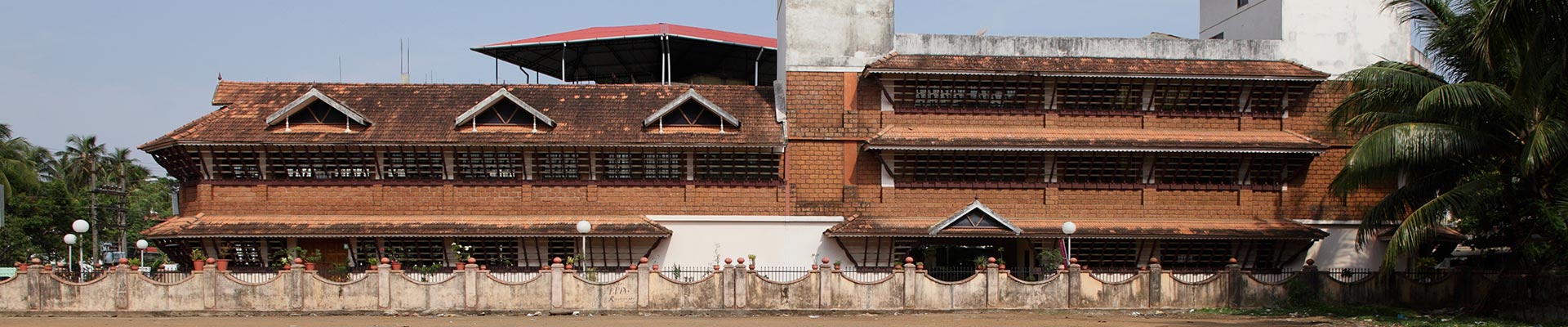
In the modern era the temple is administered by the Guruvayur Devaswom, a statutory management body, which oversees the shrine, its finances, festivals, queue and darshan systems, wedding and Annaprasana bookings, guest houses and the elephant sanctuary. Access to the inner temple is restricted to Hindus, and a strict traditional dress code is enforced — a point long noted in the temple’s history and still central to how it presents itself to visitors.
Why visit
To experience one of India’s most intensely devotional living temples, where the child-Krishna Guruvayurappan is worshipped amid dawn queues, lamp light and near-constant ritual.
For the Nirmalya darshanam — the pre-dawn first sight of the deity still bedecked in the night’s flowers — considered by devotees the most blessed glimpse of the day.
To see the temple elephants at Punnathurkotta, a sanctuary of tuskers gifted to the Lord, and, on the right days, the spectacular Anayoottu mass elephant-feeding (confirm dates locally).
As an auspicious place for life’s milestones — weddings, a baby’s first rice-feeding (Annaprasana), Tulabharam and other vows fulfilled before the deity.
For a window into Kerala’s devotional literary heritage, tied to Melpathur’s Narayaneeyam and Poonthanam’s Jnanappana.
To combine the shrine with a wider Thrissur pilgrimage and cultural circuit, including nearby associated temples and the town’s vibrant devotional bazaars.