In the heart of Thrissur — the town he himself carved out of teak forest — stands the palace of the Cochin ruler who shaped modern Kerala's cultural capital. Shakthan Thampuran Palace, once the Vadakkechira Kovilakam, is now a State Archaeology heritage museum, a place where you can read the whole arc of one of the most formidable kings in Cochin's history against a backdrop of Kerala–Dutch architecture, cool tiled halls and a quiet memorial garden.
The story of Shakthan Thampuran Palace
The palace you see today rose in 1795, rebuilt on the site of the older Vadakkekara (Vadakkechira) Kovilakam by Raja Rama Varma, the Cochin Maharaja whom Kerala remembers simply as Sakthan Thampuran — the powerful one. He shifted the royal seat here from Thrippunithura and made Thrissur the working capital of his kingdom, and so this building is not a decorative garden-palace but the administrative nerve-centre from which a determined ruler ran Cochin at the close of the eighteenth century.
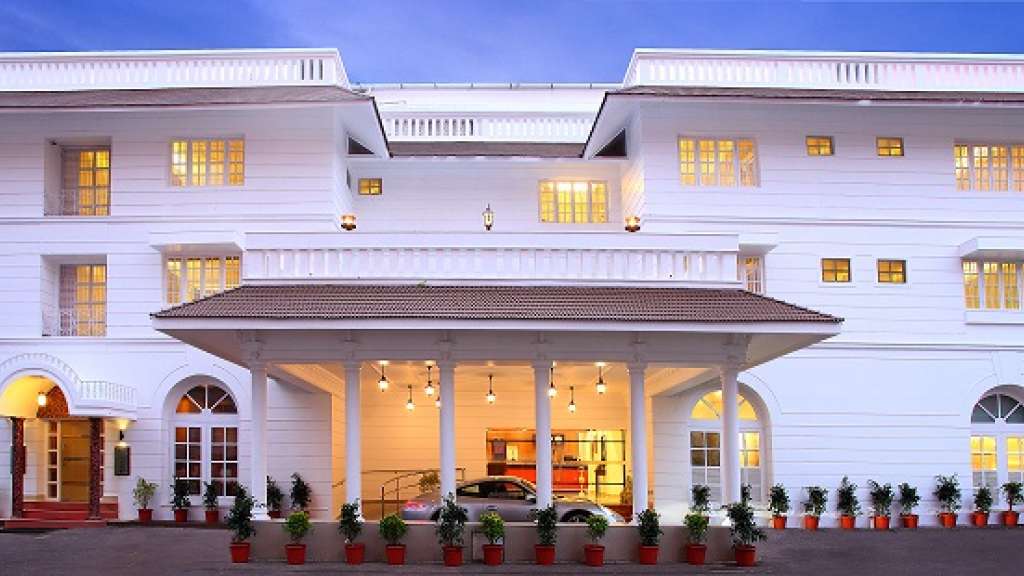
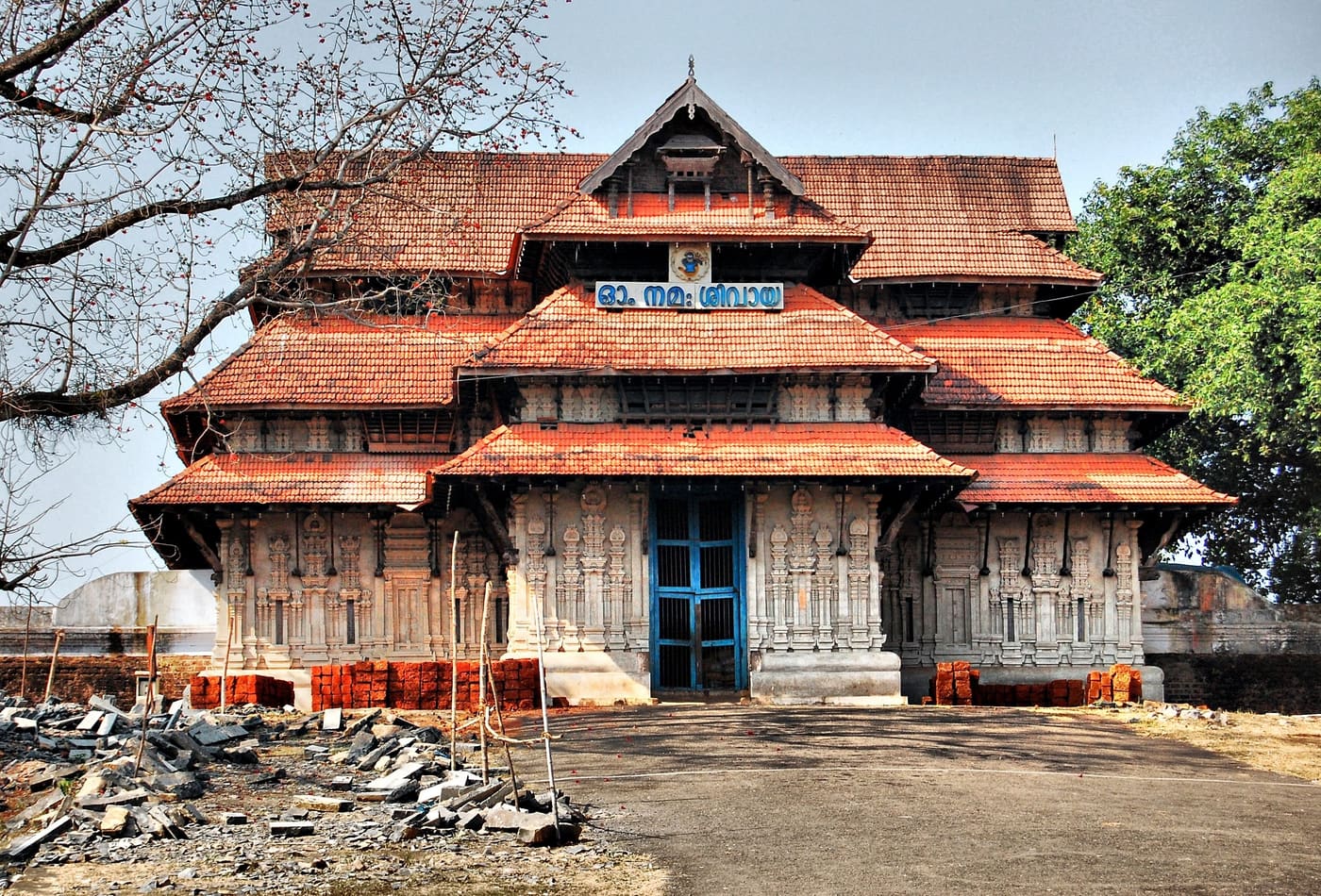
Architecturally it is a fascinating hybrid. The core is a traditional Kerala nalukettu — the four-winged courtyard house — but the reconstruction folded in Dutch ideas the Cochin court had absorbed from decades of trade along the Malabar coast. The result is a two-storeyed structure with unusually thick walls, high tiled roofs and, on the floors, Italian marble. Those heavy walls and lofty ceilings are not just for grandeur; they keep the interiors remarkably cool and even-tempered whatever the weather outside, a piece of climate-clever design that still works two centuries on.
Spread over roughly six acres, the compound is far more than the main block. Since 2005 the Kerala Department of Archaeology has run it as a heritage museum, and the rooms that once held a king's household now hold his kingdom's deep past — galleries of bronzes, coins, sculpture, inscriptions and megalithic relics that carry the story of the region back thousands of years before Sakthan Thampuran himself.
Step out from the halls and the grounds open into a garden on the southern side, planted to display and preserve indigenous Kerala species, so the greenery itself is part of the exhibit. Within the compound lies a Sarpakavu, a traditional serpent grove of the kind attached to old Kerala households for the ritual worship of serpent deities — a reminder that this was a living family home as much as a seat of power.
The most solemn corner of all is the memorial. Sakthan Thampuran died at Thrissur on 26 September 1805 and was cremated here at the Vadakkechira Palace; a commemorative monument marks the spot, and the site is remembered as the resting place of the king and other rulers of the Kochi line. To stand there is to stand at the grave of the man who literally drew the map of the town around you.
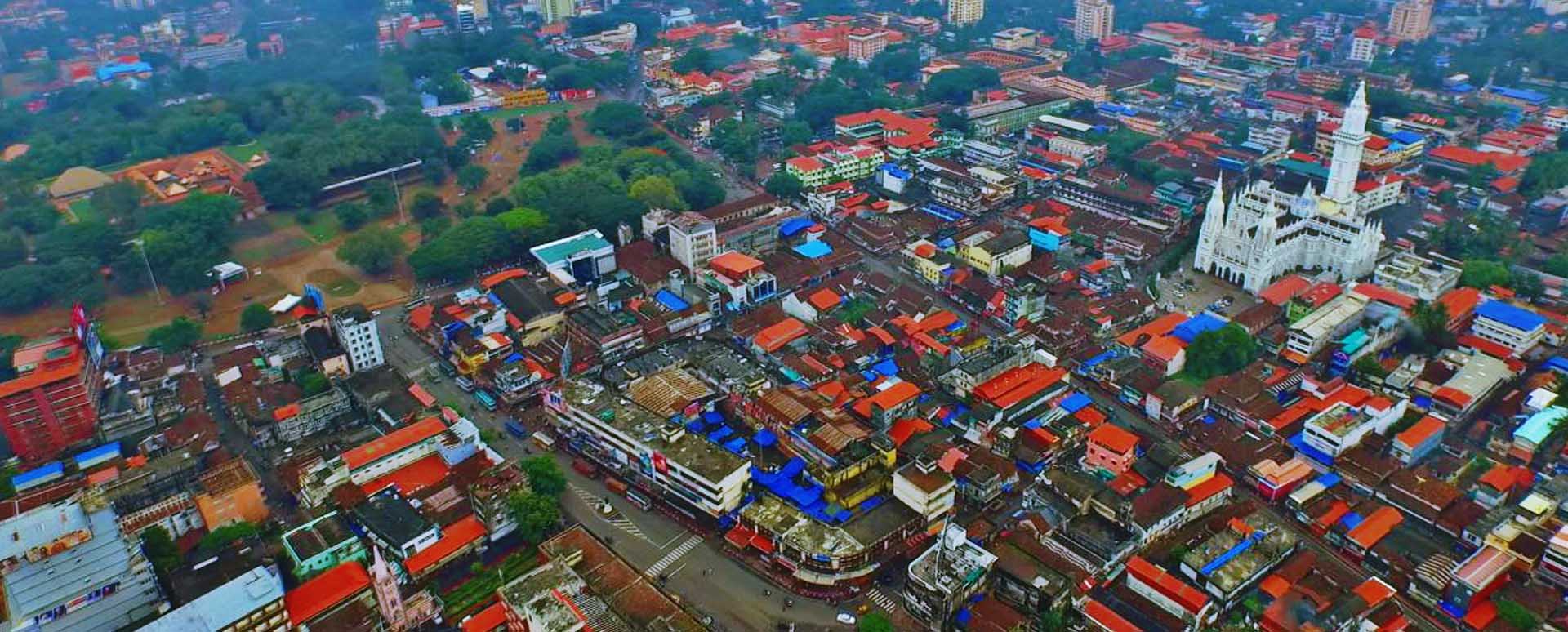
For the visitor, that is the quiet power of the place. It is compact and easily seen in an hour or two, yet it braids together everything that makes Thrissur what it is — the king, the temple town, the Thrissur Pooram he founded, and the layers of Kerala history laid out gallery by gallery. It sits a short walk from the Vadakkunnathan Temple and the great Thekkinkadu Maidan, so it slots naturally into any day exploring the city centre.
History
Raja Rama Varma (1751–1805), Rama Varma IX of the Cochin royal family, was born on 26 July 1751 at Vellarapally Palace in Puthiyedam, near Kaladi. He lost his mother when he was three and was raised by a maternal aunt, and was educated by respected scholars of the day. He became Maharaja of Cochin in 1790 and was formally crowned in 1791, reigning until his death in 1805.
His epithet Sakthan — the powerful — was earned by the way he governed. He set about consolidating royal authority that had drained away to feudal chieftains, reclaiming lands and curbing the power of local lords. In a decisive move he brought the great Vadakkunnathan and Peruvanam Mahadeva temples under royal control, ending the entrenched authority of the Namboothiri temple oligarchy and abolishing the old Yogiatirippad system. His firm, sometimes severe, hand with criminals and over-mighty subjects sealed the name in popular memory.
It is to Sakthan Thampuran that Thrissur owes its very shape. Choosing the town as his capital, he cleared some sixty acres of teak forest around the hilltop Vadakkunnathan Temple, opening up the vast green Thekkinkadu Maidan at the city's centre and laying out the encircling Swaraj Round — the ring road that still defines Thrissur's plan. A shrewd administrator, he actively invited merchants of every religion, and even British officials, to settle and trade in his new town, seeding the commercial vigour Thrissur is still known for.
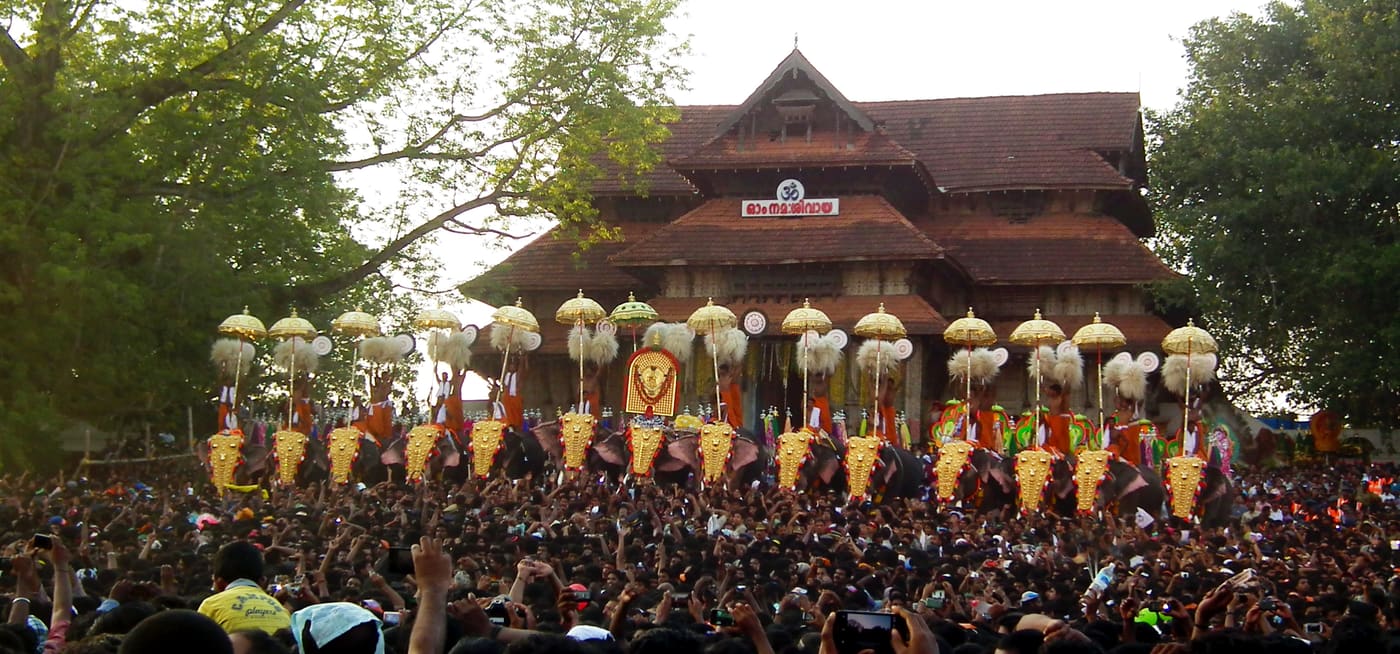
His most enduring creation is the Thrissur Pooram, begun around 1796. When temples around Thrissur were shut out of the older Arattupuzha Pooram for arriving late, Sakthan Thampuran invited them instead to bring their deities to Thrissur and pay homage to Lord Shiva at the Vadakkunnathan Temple. He organised the participants into two great camps — an eastern group led by the Paramekkavu Devaswom and a western group led by the Thiruvambadi Devaswom — and from that act of royal defiance grew what is today one of the most spectacular temple festivals in India.
Sakthan Thampuran died at Thrissur on 26 September 1805 and was cremated at this very palace, where his memorial still stands. The building he rebuilt in 1795 outlived his dynasty's power and, since 2005, has been conserved by the State Department of Archaeology as a protected monument and museum — a fitting keeper of the legacy of the man who made Thrissur the cultural capital of Kerala.
Why visit
You are visiting the working seat of Sakthan Thampuran himself — the ruler who founded modern Thrissur and the Thrissur Pooram — so the building is a primary source for the city's whole story, not a generic heritage stop.
The Kerala–Dutch architecture is genuinely distinctive: a traditional nalukettu core wedded to thick Dutch-influenced walls, high roofs and Italian marble floors, and it stays naturally cool inside even in the heat.
The archaeological museum packs a lot into a small space — bronze, numismatics (coins), sculpture, epigraphy (inscriptions) and megalithic galleries that trace the region's past across millennia, with bronzes reported to date back to around the twelfth century.
The memorial to Sakthan Thampuran, on the spot where he was cremated, lets you pay respects to a towering figure of Cochin history at the place where his story ends.
The southern heritage garden of indigenous Kerala plants and the traditional Sarpakavu (serpent grove) give a calm, green counterpoint to the galleries and a glimpse of old Kerala household life.
Its location in the town centre, a short walk from the Vadakkunnathan Temple and the Thekkinkadu Maidan where the Pooram unfolds, makes it an easy and rewarding anchor for a day in the cultural capital of Kerala.