High on the road to Top Station, Kundala Lake lies like a shard of mirror among the tea hills — still, cold and cupped by shola forest, where a lone shikara slides across water that holds the whole sky.
The story of Kundala Lake
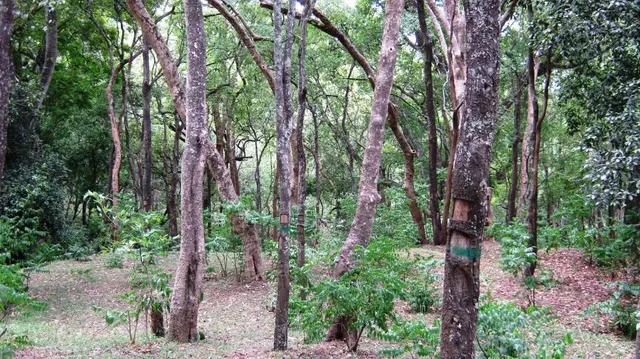
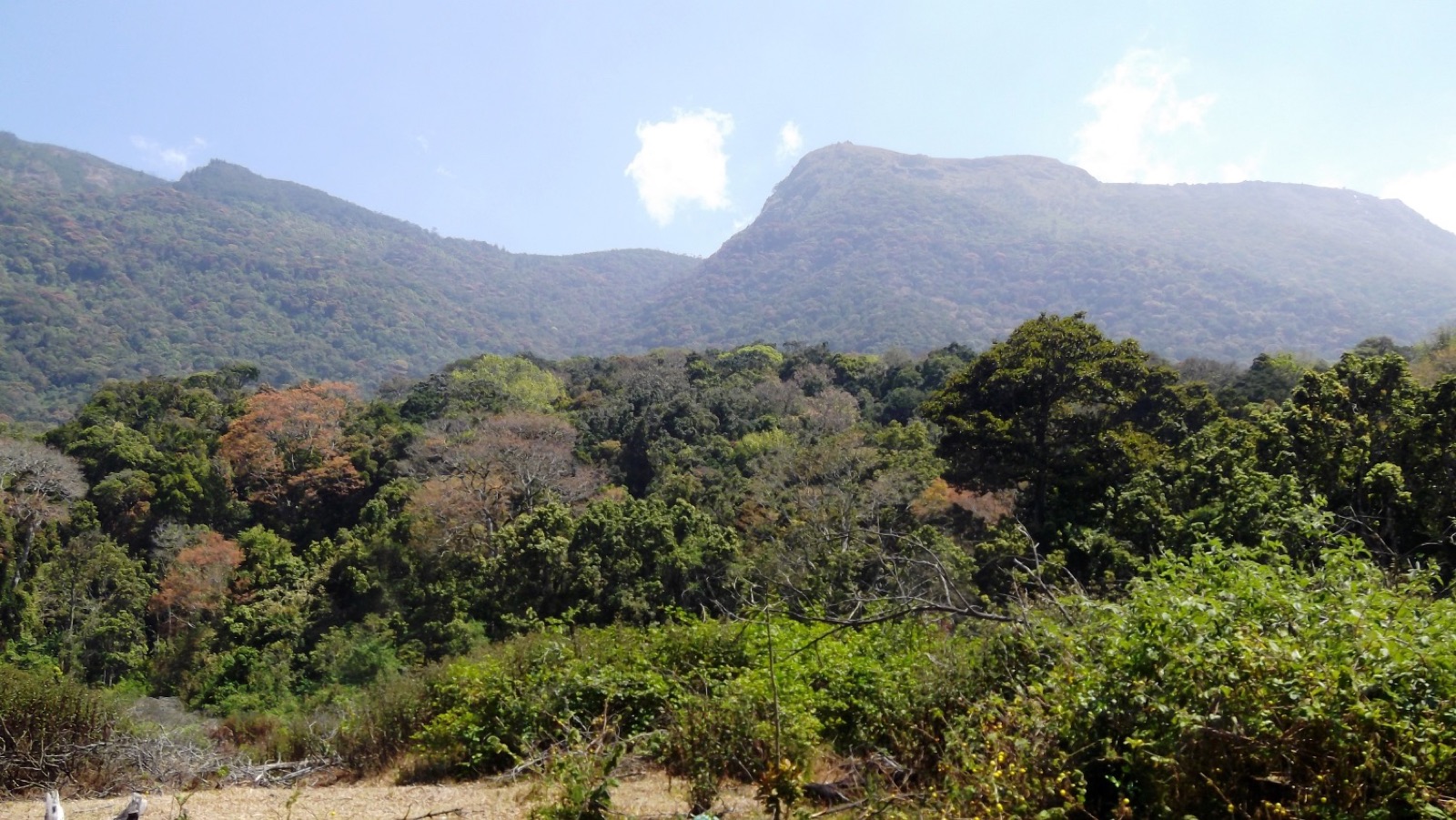
Kundala Lake is not a natural sheet of water but an artificial reservoir, held back by the Kundala Dam roughly 20 to 26 km from Munnar town (indicative — confirm locally) on the scenic High Range road that climbs towards Top Station. At around 1,700 metres above sea level (indicative — confirm locally) it is one of the coolest, quietest stops in the Munnar circuit — a place people come to slow down rather than tick off. The tea gardens of the Kannan Devan Hills roll right down to the shoreline, and behind them rise dark ridges of shola forest, so that the lake sits in a natural amphitheatre of green.
The signature experience here is being on the water. A boating centre on the shore rents out pedal boats, row boats and — the crowd favourite — Kashmiri-style shikaras, the flat wooden gondolas with their canopied seats that glide almost silently across the reservoir. On a calm morning the surface turns to glass and the tea slopes double themselves in perfect reflection, which is exactly why the pedal-boat-and-shikara combination has become one of the most photographed half-hours in Munnar. Sessions typically run about 30 minutes (indicative — confirm locally).
Kundala’s other claim to fame is seasonal and almost improbable for South India: cherry blossoms. Ornamental cherry trees along the lake and its approach roads are said to flower twice a year, softening the hillsides with a wash of pale pink and drawing photographers who never expected sakura at these latitudes. The bloom is short-lived and weather-dependent, so it rewards those who happen to time it right rather than those who plan around it — treat it as a bonus, not a booking.
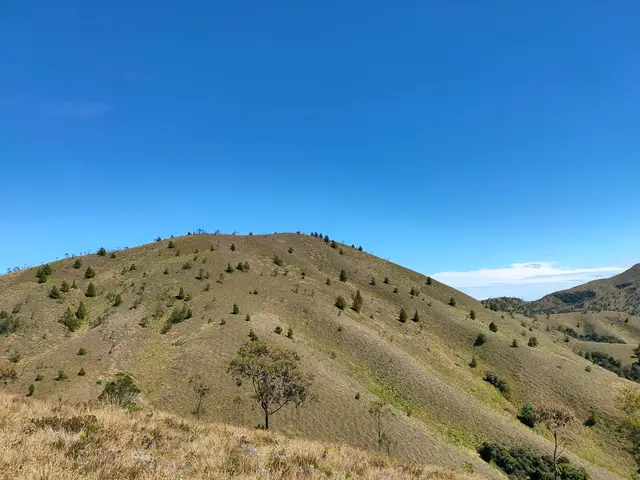
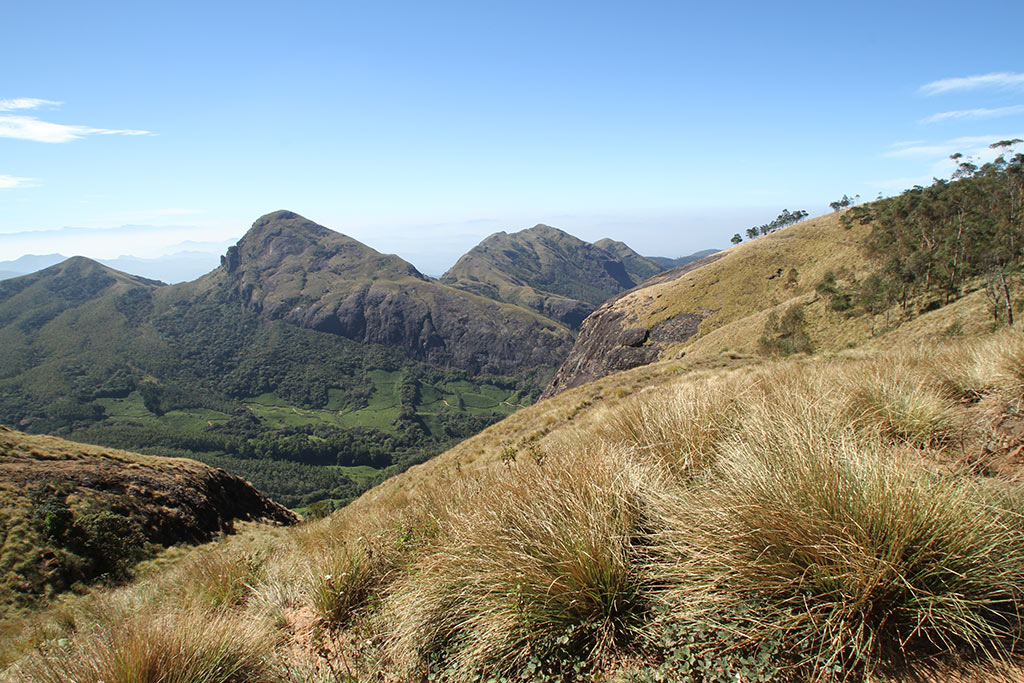
Far rarer still is the Neelakurinji. The hills and valleys around Kundala fall within Neelakurinji country, where the shrub is said to bloom just once every twelve years and turns whole slopes a haze of violet-blue. When it happens it draws visitors from across the world; in the eleven years between, the surrounding grasslands and shola simply keep their quiet green, and the lake carries the show on its own.
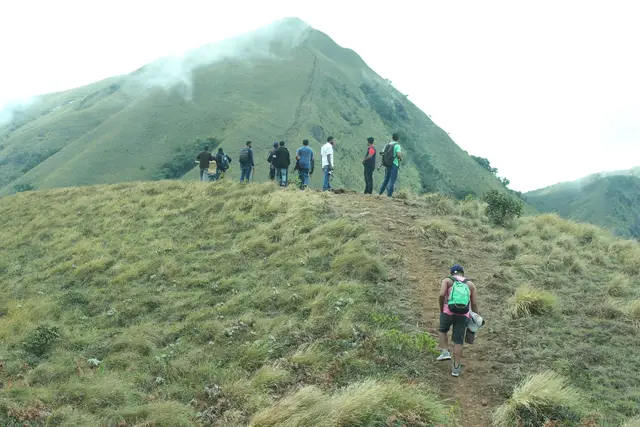
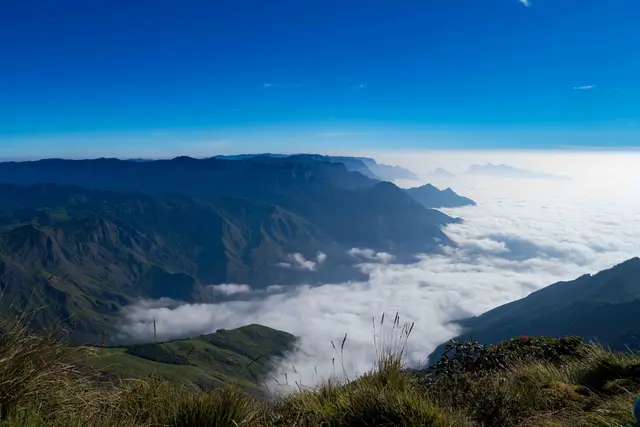
The drive up to Kundala is half the pleasure. The road from Munnar threads through some of the most manicured tea country in India before the landscape opens onto the reservoir, and most travellers fold the lake into a longer loop that takes in Mattupetty, Echo Point and, at the very top, the viewpoint of Top Station on the Kerala–Tamil Nadu border. Mist is a frequent companion up here — it rolls in without warning, erases the far shore, and then lifts to hand the view back, which is part of why the light and mood at Kundala change hour to hour.
For all its beauty, Kundala rewards a relaxed, low-expectation visit. It is a photogenic pause rather than a full-day destination: a boat ride, a walk along the bund, a hot tea from a stall, and a long look at the reflections. Come early, dress for cold, and let the stillness of the water do the rest.
History
The lake owes its existence to the Kundala Dam, built in 1946 and constructed as part of the Pallivasal Hydro-Electric Project — Kerala’s pioneering hydro scheme in the High Range. The dam is also known by the name Sethuparvathi (Sethuparvathi Puthen Dam), and impounding the Kundala stream created the reservoir that visitors boat on today.
The Kundala Dam is very widely described as one of the earliest — often ‘the first’ — arch dams in Asia. This claim is repeated across almost every tourism source, but it should be treated as a popular, oft-quoted description rather than a rigorously verified engineering record (said to be — confirm before citing as fact). What is clear is that it is an early and historically notable arch dam of the region, curved to carry the water’s load into the surrounding rock, and it remains a point of pride in local accounts of Munnar’s tea-era engineering.
All of this sits inside the story of the Kannan Devan Hills, the vast tea landscape opened up by British planters from the late nineteenth century onward and today managed largely by Kanan Devan Hills Plantations. The reservoirs, dams and hydro works of the High Range — Kundala, Mattupetty and others — were built to serve the estates and the growing power needs of the region, and only later became the sightseeing stops travellers know them as.
Kundala’s shift from working reservoir to tourism draw came with Munnar’s rise as a hill-station destination. Its position on the road to Top Station put it squarely on the classic sightseeing route, and a boating operation on its shore turned a quiet dam-lake into an attraction in its own right, complete with shikaras imported in spirit from Kashmir’s Dal Lake.
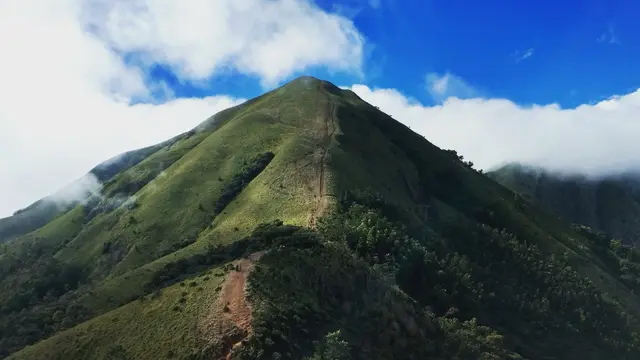
The Neelakurinji association threads through the area’s more recent identity too. The Munnar High Range is the heartland of the once-in-twelve-years bloom, and the hills around Kundala are counted among the places where it appears — a natural event that, in its rare years, briefly turns this hydro-electric reservoir into one of the most sought-after vantage points in Kerala.
Why visit
One of Munnar’s most photogenic stops — mirror-still water framed by tea slopes and shola hills.
Pedal boats, row boats and canopied Kashmiri shikara rides on a calm high-altitude lake.
Seasonal cherry blossoms — a rare wash of pink you don’t expect in South India.
Neelakurinji country: the surrounding hills join the famous once-in-twelve-years blue bloom.
Sits on the scenic Top Station road, easy to combine with Mattupetty and Echo Point.
Cool, quiet and misty — a relaxed pause rather than a crowded checklist sight.