Muzhappilangad is that rare beach where the road runs out and the sand becomes the road. Stretching some 4 km of hard-packed, sun-baked shore along the Malabar Coast between Kannur and Thalassery, it is Asia’s longest drive-in beach — the one place in India where you can legitimately point a car or motorbike down the tideline, wind up the windows against the spray, and drive with the Arabian Sea unspooling beside you. A wall of black volcanic rock tames the surf into a sheltered swimming lagoon, migratory birds pick over the shallows in winter, and the green smudge of Dharmadam Island floats just offshore, close enough to walk to when the tide pulls back.
The story of Muzhappilangad Drive-in Beach
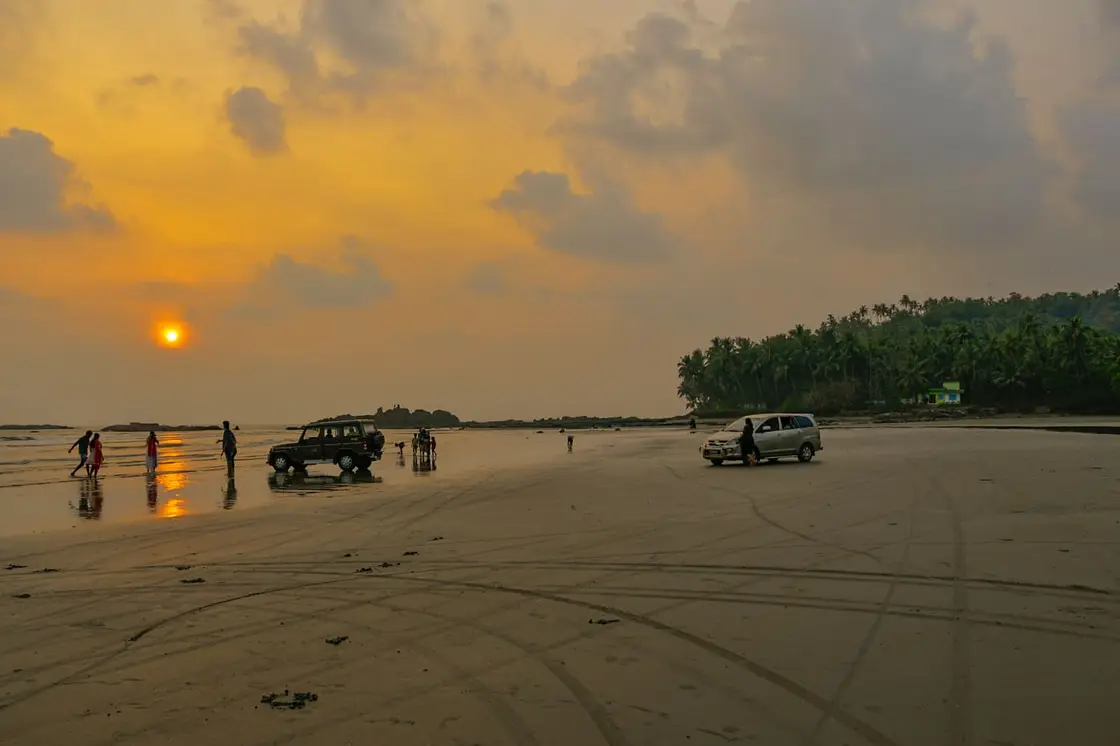
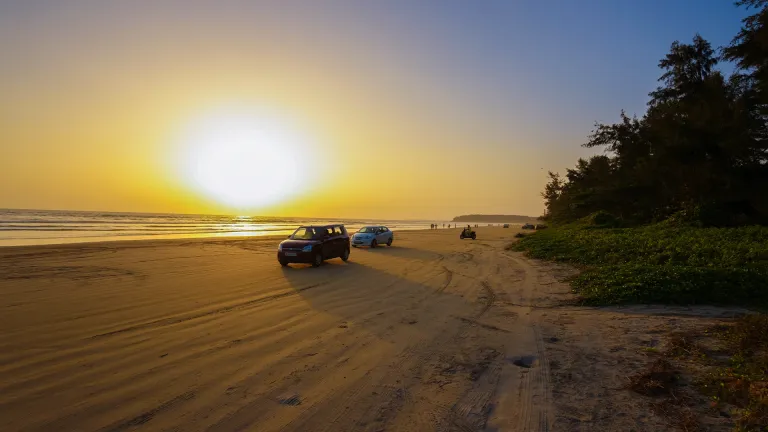
The thing that makes Muzhappilangad unlike any other beach in Kerala is simple: you drive on it. When the tide is out, the sand near the waterline compacts into a firm, glossy ribbon that will carry a hatchback, an SUV or a scooter for roughly 4 km, the longest such run in Asia. There is no substitute for the sensation — the steady hiss of tyres on wet sand, the salt haze on the windscreen, the sea sliding past your door on one side and the palm-fringed shore on the other. Newcomers tend to creep along at first, then grin, then find themselves tracing long lazy arcs across the emptiness. It is less a car park than a four-kilometre open-air driving stage, and it has turned an otherwise quiet Malabar beach into a place people travel across the country to reach.
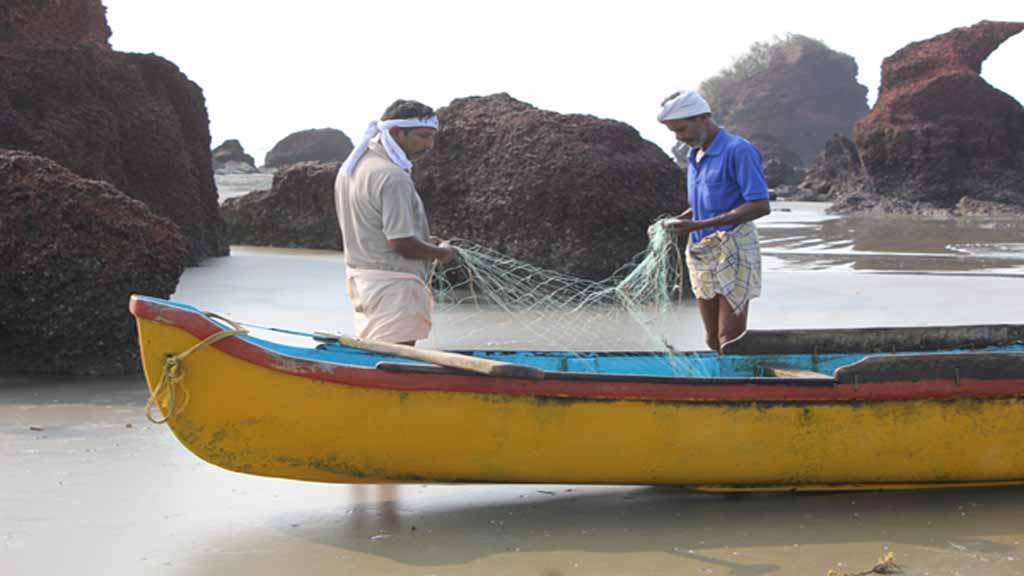
That thrill peaks each April, when the beach hosts its annual Muzhappilangad Beach Festival. For a few days the sand fills with car and bike stunt riders throwing up rooster-tails of spray, cultural performances, food stalls and dense, cheerful crowds. The festival has done more than anything to fix Muzhappilangad in the national imagination as India’s driving beach — a carnival built entirely around the novelty of a shoreline you are allowed to race along. Off-season it reverts to something gentler: families paddling, a handful of vehicles idling near the water, fishermen and birdwatchers going about their business on the same sand that, months earlier, roared with engines.
For all the horsepower, the beach’s quieter genius is its lagoon. A natural barrier of black rock runs along part of the shore, breaking the force of the Arabian Sea’s currents before they reach the sand and pooling the water into a calm, crescent-shaped basin. Those same rocks are studded with blue mussels and busy with crabs, and they are the reason Muzhappilangad is one of the few Kerala beaches where swimming feels genuinely relaxed rather than a wrestle with the undertow. The sensible rule is to stay inside the rock-sheltered zone — the calm water is calm precisely because the rocks are doing the work, and beyond them the open sea reasserts itself.
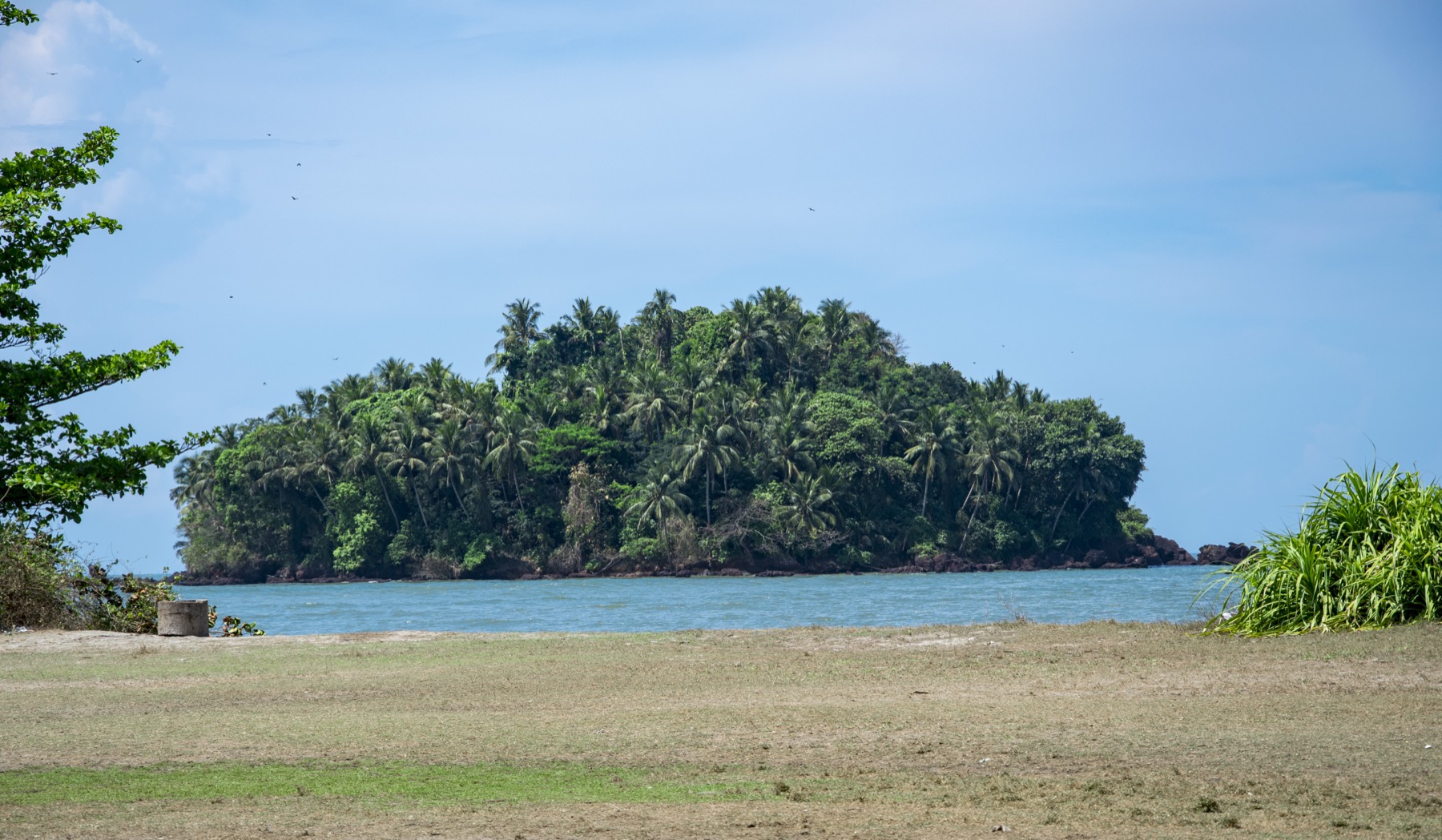
Just offshore lies Dharmadam Island — a mere five acres of coconut palms and dense green bush that the locals simply call Pachathuruth, the Green Island. It sits about 100 m out, cradled between the Anjarakandy and Thalassery rivers where they meet the sea, and at low tide the water drops far enough that you can wade and walk across to it over the exposed sand and shallows. Reaching a small, uninhabited tropical island on foot — no boat, no ticket, just good timing — is one of the strange delights of a Muzhappilangad visit. The window is short and tide-dependent, so it rewards travellers who check the tide tables and time their walk carefully (indicative — confirm locally).
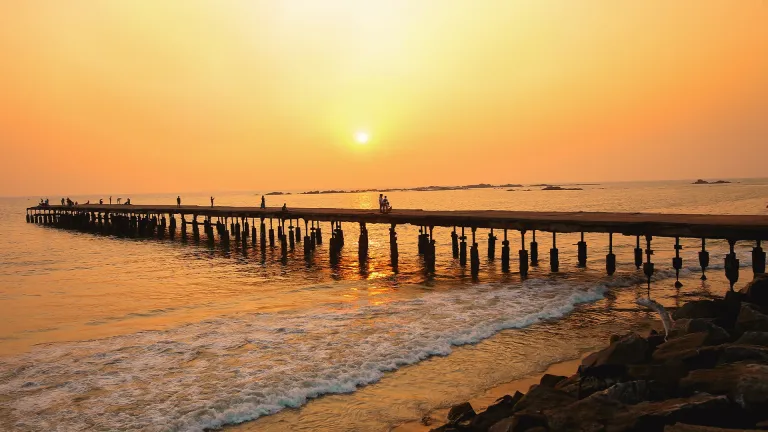
Come evening, the driving winds down and the beach turns its attention west. Muzhappilangad faces the open Arabian Sea, and its sunsets are the unhurried Malabar kind — the sky flaring orange and rose over a flat horizon while the wet sand mirrors the whole show back at itself and the last silhouettes of cars, cyclists and strollers stretch out long across the flats. It is the moment the beach empties of its adrenaline and fills, instead, with light.
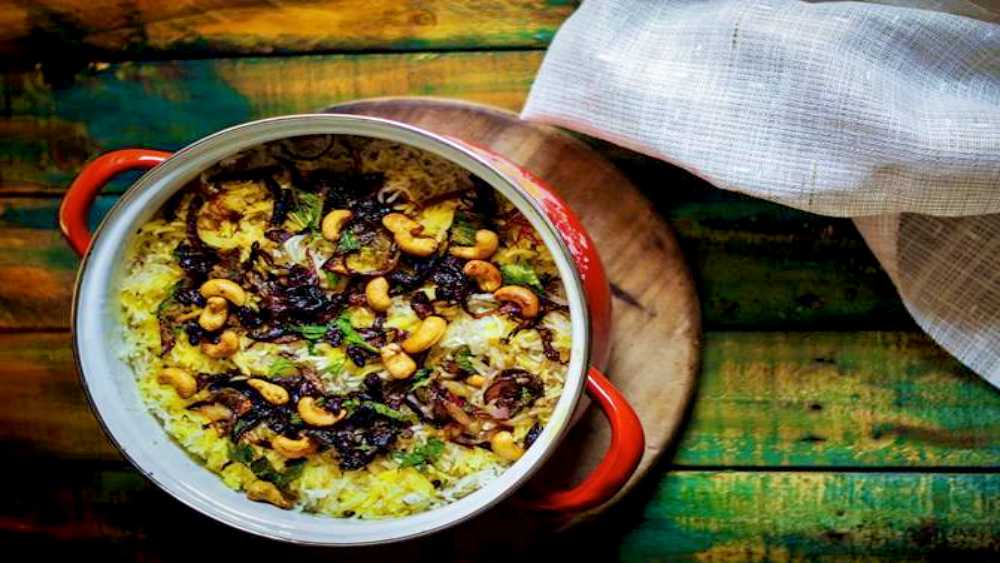
There is more here than the drive, too. Accredited operators offer paragliding, parasailing, microlight flights and water sports such as power-boating and catamaran rides for those who want the coast from above or further out (indicative — confirm locally), while the local kitchens lean hard into Malabar cuisine — seafood in fragrant coconut-milk gravies, and the beach’s own blue mussels, prised from those black rocks and cooked with herbs and spice. Between the driving, the swimming lagoon, the island walk and the food, Muzhappilangad packs an unusual amount into one strip of sand.
History
Muzhappilangad’s modern fame rests on one line in an international article: the BBC named it among the world’s top six beaches for driving, the only Asian beach on that list. That single accolade transformed a locally-loved Malabar shore into a destination with a global calling card, and it is still the fact repeated in almost every account of the place — the beach where, unusually and legally, you are permitted to drive on the sand.
The permission itself is what underpins everything. Running parallel to National Highway 66 between Kannur and Thalassery, the beach’s firm, wide sand allowed local authorities to sanction driving along roughly 4 km of its length, making it Asia’s longest drive-in beach. What might elsewhere be an offence became the headline attraction — a shoreline treated, at low tide, almost as an extension of the road network — and word of a beach you could drive on spread far beyond Kerala.
The annual Beach Festival, held each April, formalised that identity. Built around car and bike stunts alongside cultural programmes and food, the festival draws crowds and media each year and has become the calendar fixture that keeps Muzhappilangad’s reputation as India’s driving beach renewed and growing. It is a rare example of a tourism event created entirely around a single, geographically specific quirk — sand you are allowed to race across.
The little island offshore carries the deeper history. Dharmadam — from a root meaning ‘place of dharma’ or ethics — was known in earlier times as Dharmapattanam and is remembered as an old Buddhist stronghold, its name said to come from Buddhist monks who visited to gather medicinal herbs growing there. The five-acre isle has been noted by traders across centuries under a string of names: the Jews and Arabs knew it as Dahfattan, the Portuguese as Darmapatao, the British as Darmapatam. Today it survives as an uninhabited green speck of coconut palm and scrub, reachable on foot from Muzhappilangad only when the tide obliges.
The beach also earns a second reputation each winter as a birdwatching hotspot. When the season turns, more than 30 species of migratory birds — terns, gulls, sandpipers and others — settle onto the shallows and the black rocks, drawing birders to the same sands that, come April, will thunder with engines. Best visited between October and May, Muzhappilangad manages to be several beaches at once: a racetrack, a swimming lagoon, a stepping-stone to an island, and a quiet stage for migrant birds.
Why visit
Drive on the sand — this is Asia’s longest drive-in beach, roughly 4 km where cars and motorbikes are actually permitted on the shore, an experience you cannot legally have almost anywhere else in India.
Swim in a naturally sheltered lagoon, where a barrier of black rock breaks the Arabian Sea’s currents into calm, crescent-shaped water — one of Kerala’s more relaxed beach swims (inside the sheltered zone only).
Walk to Dharmadam ‘Green’ Island at low tide, a five-acre uninhabited islet of coconut palm and bush reachable on foot when the sea pulls back.
Catch the April Beach Festival, with car and bike stunt riders, cultural events and crowds — the carnival that made Muzhappilangad India’s driving beach.
Watch flat, open-horizon Malabar sunsets mirrored in the wet sand, and eat Malabar seafood and the beach’s own blue mussels at nearby kitchens.
Come in winter for the birds — over 30 species of migratory birds work the shallows and rocks between roughly October and May.