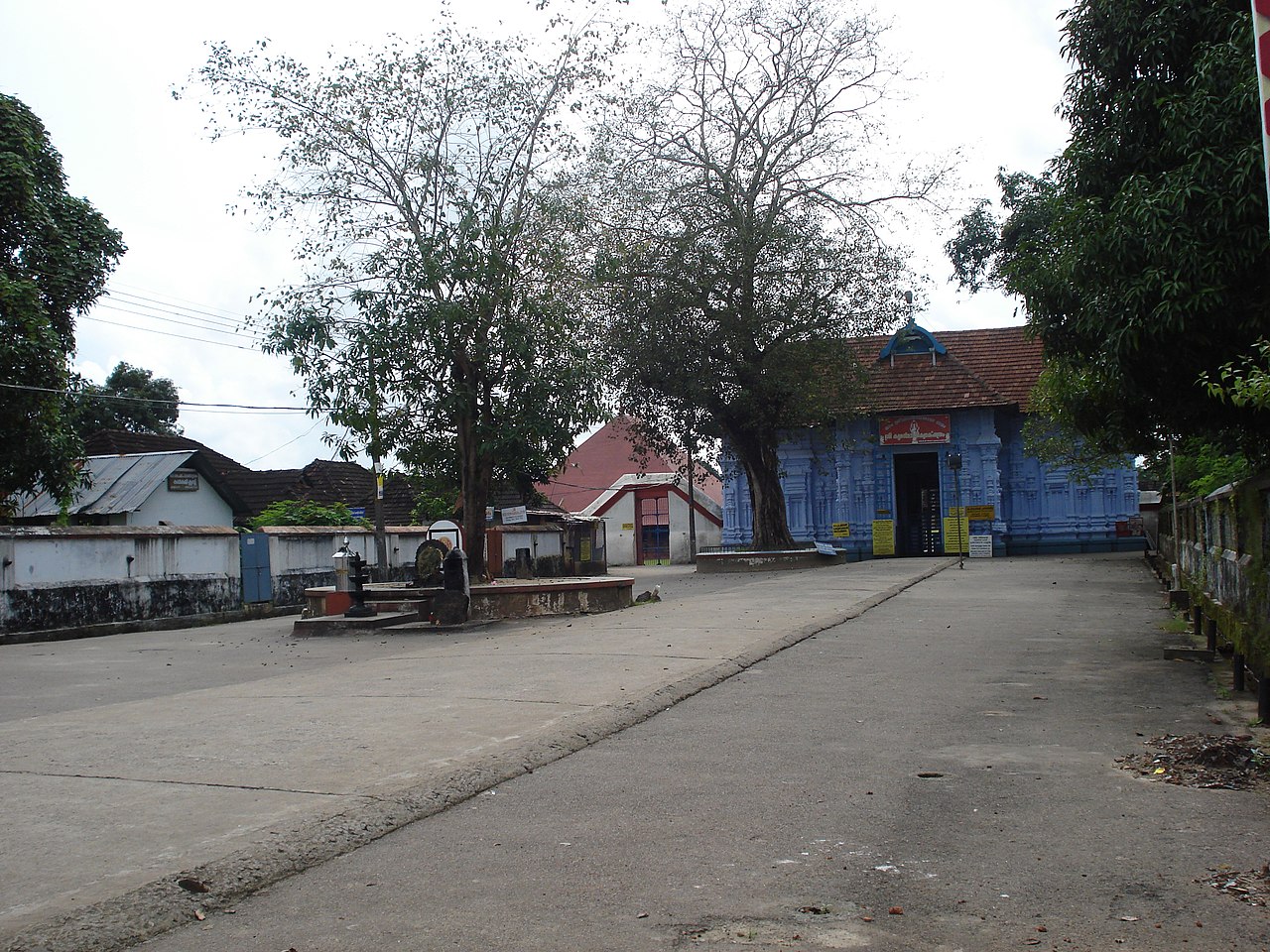
The story
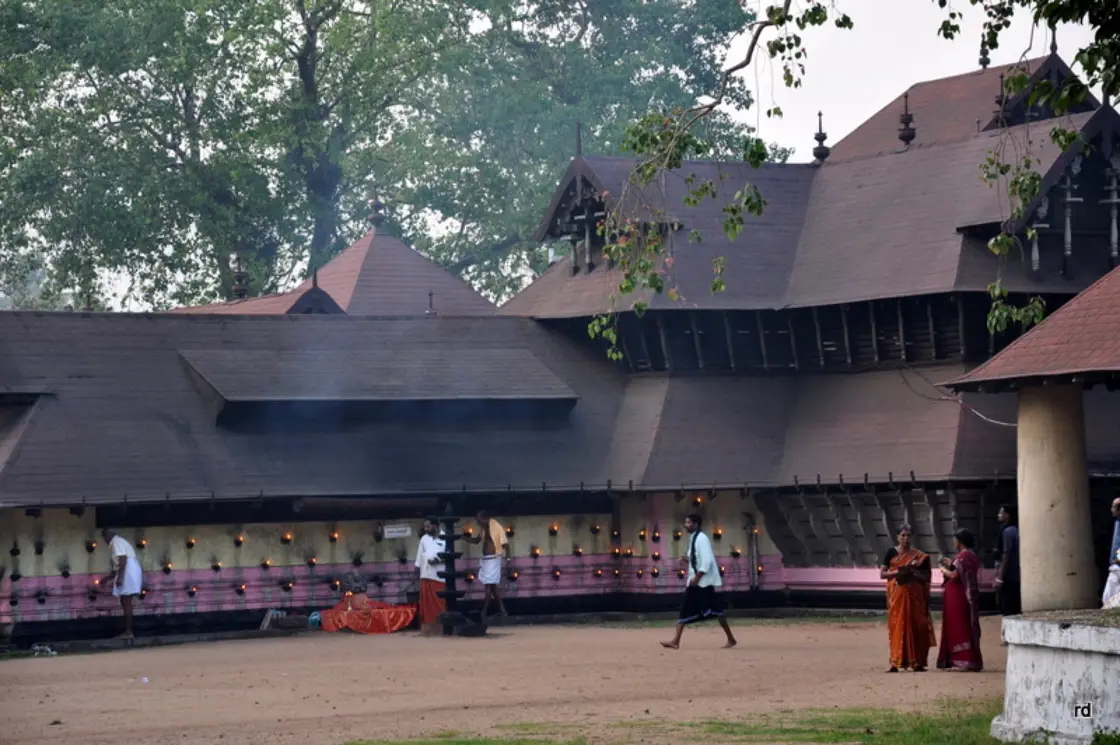
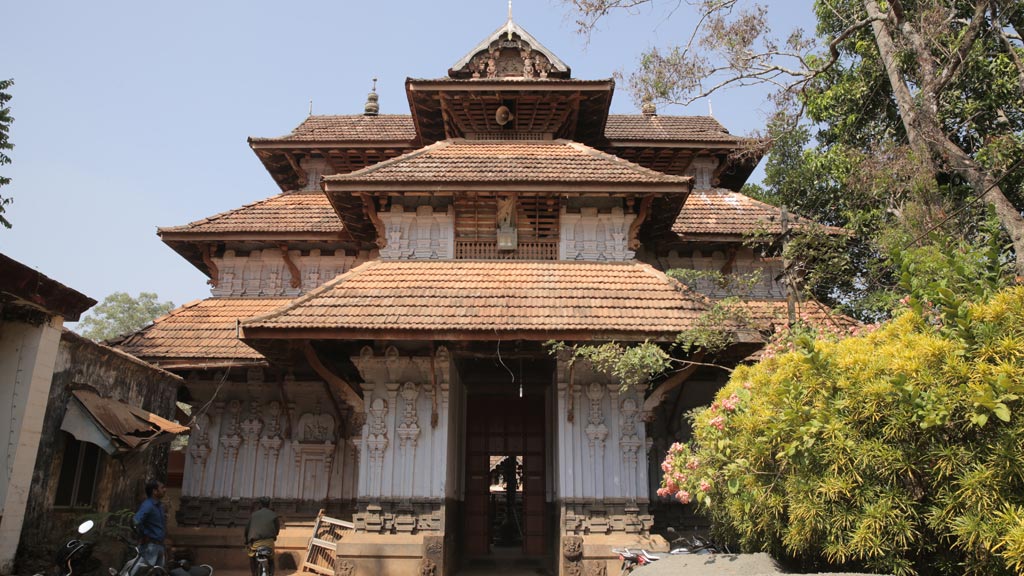
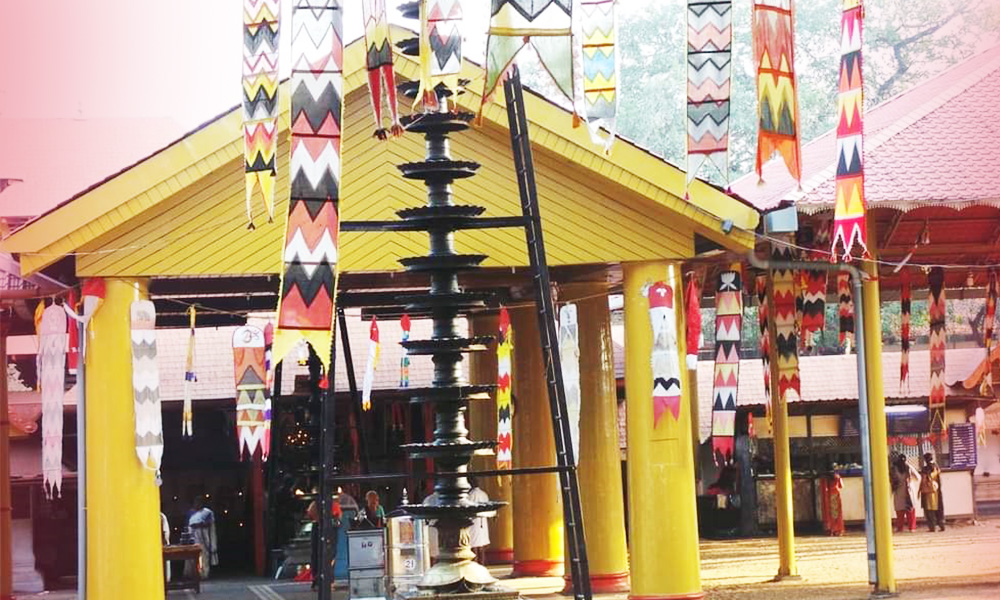
At the heart of ancient Kodungallur — the storied Muziris of the spice routes — stands the Sree Kurumba Bhagavathy Temple, one of the oldest and most powerful Devi shrines in Kerala. Worshipped as Sree Kurumba, a fierce form of Bhadrakali, she is affectionately called Kodungallur Amma, the Mother of Kodungallur, and is revered as the great mother-shrine from which many Kerala Bhagavathy temples trace their Devi.
The story of Kodungallur Bhagavathy Temple
Kodungallur Amma is no gentle household goddess. The presiding deity is Sree Kurumba, a fierce, war-like form of Bhadrakali, worshipped here as Mahakali and Aadi Parashakti. In the dim, lamp-lit sanctum sits a majestic wooden image, reported to stand around six feet tall, depicting the goddess in her ferocious aspect — eight-armed, facing north, holding among her attributes a sickle-shaped sword, an anklet, a bell and, in one hand, the severed head of the demon Daruka. To stand before her is to feel the raw, unsoftened power that has drawn devotees to this ground for close to two thousand years.
The temple is regarded as one of the oldest functioning temples in Kerala, and indeed in India. Local tradition places its origins in the Sangam age, roughly eighteen hundred to two thousand years ago, layering the Devi over what many believe was an even older Shiva shrine. This double sanctity — Shakta power set within an ancient Shaiva ground — is written into the very layout of the temple, and it gives Kodungallur a depth of atmosphere that few other shrines can match.
The sanctum is arranged in the rare Rurujit Vidhana pattern: Shiva stands at one end and Ganesha at the other, with the Sapta Matrikas — the seven mother-goddesses — ranged between them, and the Bhadrakali of Kodungallur presiding at the centre. Five Sri Chakras, traditionally ascribed to Adi Shankaracharya, are held to be the seat of the Deviʼs power. This is a temple built for the worship of shakti in its most concentrated form, and the rituals here have always carried an intensity that sets Kodungallur apart.
Above all, Kodungallur is a mother-shrine. The temple is honoured as the head of sixty-four Bhadrakali kavus across Malabar, and countless Bhagavathy temples of Kerala — the celebrated Chettikulangara Devi temple among them — trace the descent of their goddess back to this sanctum. For generations of families and village shrines, a pilgrimage to Kodungallur is a return to the source, a way of paying respect to the original Amma from whom their own Devi is believed to have travelled.
The colour of Kodungallur is red — the raktha-varna of the goddess. Red silk and red cloth are draped around the stones that surround the idol, red is worn by the oracles who serve her, and red offerings run through the templeʼs ritual life. That vivid, almost primal palette speaks to the character of the Devi herself: a goddess of blood and battle, of protection fiercely given, whom devotees approach not with timidity but with a kind of familial urgency, pouring out their sorrows and demands to a mother believed powerful enough to answer them.
The templeʼs greatest expression of this bond is the Kodungallur Bharani — one of the largest Devi festivals in Kerala, when tens of thousands of oracle-devotees converge on the shrine. For most of the year, though, the temple keeps a quieter rhythm: the steady round of daily poojas, the murmur of pilgrims, the smoke of lamps, and the sense — palpable to anyone who visits — of standing on ground that has been sacred for a very, very long time.
Legend & myth
The best-loved tradition surrounding Kodungallur ties the temple to the great Tamil epic Silappadikaram and its tragic heroine, Kannaki. In the story, Kannakiʼs innocent husband is wrongly executed by the Pandya king; in her grief and fury she tears off one of her breasts and hurls it at the city of Madurai, which is consumed in flames. Deified as an embodiment of pure, avenging shakti — merged in tradition with Bhadrakali herself — she is believed to have journeyed on and, according to legend, attained moksha at Kodungallur after worshipping the goddess here.
Woven into this is the figure of the Chera king Cheran Chenkuttuvan, celebrated in the Silappadikaram itself. Tradition holds that the Chera monarch, moved by Kannakiʼs story, raised a shrine to the deified Kannaki-Bhadrakali and consecrated her worship at Kodungallur roughly eighteen hundred years ago, through the fierce Shakteya rites for which the temple remains famous. This account, cherished though it is, belongs to the realm of legend and living tradition rather than documented history, and it should be received in that spirit.
An older layer of legend reaches back to Parasurama, the axe-wielding avatar of Vishnu credited with raising the land of Kerala from the sea. In this telling, the sage — beset by the demon Darika (Darikan) — was counselled by Lord Shiva, and installed the goddess Bhadrakali beside an existing Shiva shrine so that she might destroy the demon. Bhadrakali, born of the fire of Shivaʼs third eye for exactly this purpose, slays Darika, and it is that triumphant, blood-stained victor who is believed to be enshrined at Kodungallur.
These strands — the martyred Kannaki, the Chera king who deified her, the Devi born to slay Darika, and the still older Shiva ground beneath — do not so much contradict one another as pile up, legend upon legend, into the extraordinary sanctity of the place. Whichever story a devotee holds closest, all agree on one thing: that Kodungallur is a fountainhead of Devi worship, the original Amma from whom a great family of Kerala goddesses is believed to flow.
History
Kodungallur is history layered upon legend. The town is widely identified with the ancient port of Muziris (Muchiri), the fabulous emporium of the pepper trade praised by Roman and Tamil sources alike, where merchants from Rome, West Asia and beyond once bartered gold for Malabar spices. As a seat of Chera power and one of the earliest gateways between India and the wider world, Kodungallur — later known as Cranganore — gave its temple a setting of remarkable antiquity, at the meeting point of empires, faiths and trade winds.
The temple itself is reckoned among the oldest continuously worshipped shrines in the region. Tradition attributes its consecration variously to Parasurama, to the Chera king Cheran Chenkuttuvan, and to the line of the Cheraman Perumals, and connects its early Shakta rites to priests drawn from the Malabar community. Beneath the layers of legend lies the plain fact of great age: for many centuries the Bhadrakali of Kodungallur has stood at the head of the Devi worship of Malabar, her festival and her sixty-four subordinate kavus binding a wide web of shrines to this one sanctum.
The temple was long associated with the local ruling house, the Kodungallur royal family, whose head traditionally holds a ceremonial role in the Bharani rites to this day. That older dispensation gave way to modern administration in 1950, when the Cochin Devaswom Board assumed management of the temple, as it does for many major shrines across the region — a transition that placed the ancient sanctum within the framework of Keralaʼs organised temple governance.
Kodungallurʼs turbulent later history is bound up with the Mysorean invasions of Malabar in the late eighteenth century. Local accounts hold that during Tipu Sultanʼs campaigns of around 1789 to 1790 — the same years in which the Cranganore (Kottappuram) fort changed hands and was ultimately destroyed — the temple suffered damage before being restored and reconsecrated in the years that followed. Precise details of what befell the sanctum are matters of tradition and reported memory rather than firmly settled record, and are best treated with due caution.
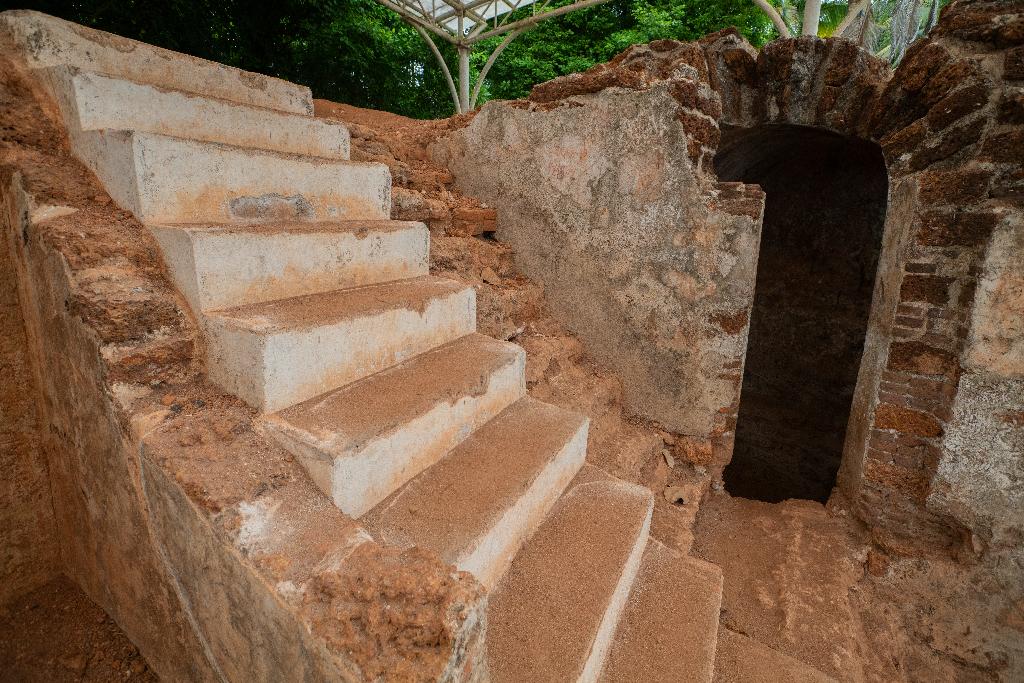
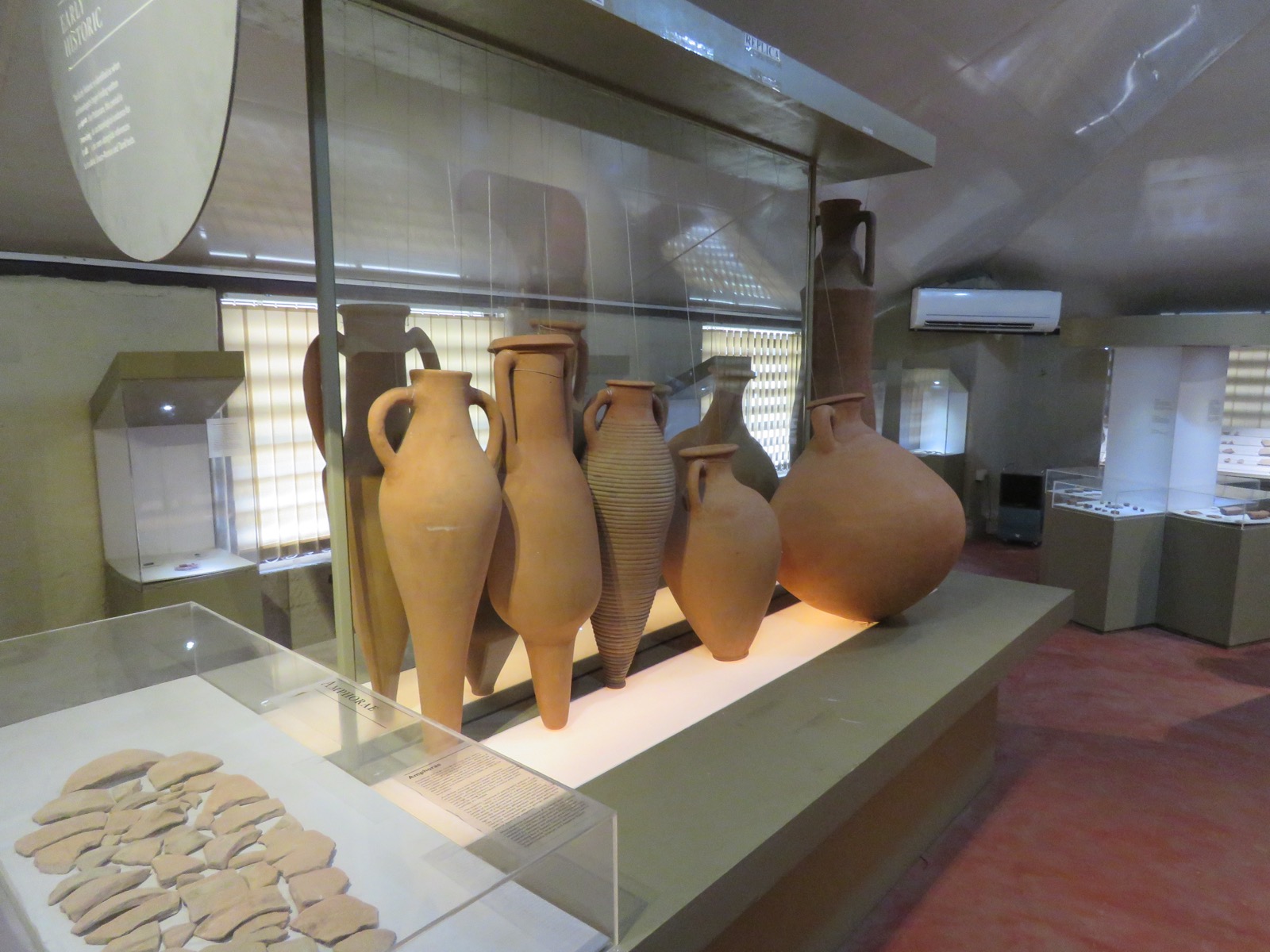
Today the temple sits at the centre of the wider Muziris Heritage Project, an ambitious effort to conserve and interpret the region's extraordinary past — its forts, spice-trade sites, ancient places of worship and the Pattanam excavations that have yielded tangible traces of the lost port. Visiting Kodungallur Amma, then, is also a way of stepping into one of the oldest continuously inhabited crossroads in India, where a fierce and ancient goddess still presides over ground that has been sacred, and cosmopolitan, for two millennia.
Why visit
You stand before one of Keralaʼs oldest and most powerful Devi shrines — a mother-temple whose Bhadrakali is revered as the source from which a great family of Kerala Bhagavathy temples traces its goddess. Few places carry this much accumulated sanctity.
The sanctum is genuinely atmospheric: a large, fierce, north-facing wooden image of the eight-armed Devi holding the head of the demon Daruka, set within the rare Rurujit Vidhana arrangement of Shiva, Ganesha and the Sapta Matrikas, and surrounded by the red cloth and red offerings that give Kodungallur its unmistakable character.
History runs deep beneath your feet. This is ancient Muziris, the Roman-era spice port and Chera capital, so a visit weaves temple pilgrimage together with one of the most storied chapters of Indiaʼs trading past — the Muziris Heritage trail lies all around.
The living legends are unforgettable: the deified Kannaki of the Silappadikaram, the Chera king Cheran Chenkuttuvan, Parasuramaʼs installation of the Devi to slay Darika — a place where Tamil epic, Kerala myth and ancient Shaiva ground all converge.
If you can time it, the Kodungallur Bharani around Meena Bharani (March-April) is one of the great spectacles of Devi worship in Kerala, when red-clad oracle-devotees gather in their thousands — an intense, deeply traditional festival unlike anything else in the state.
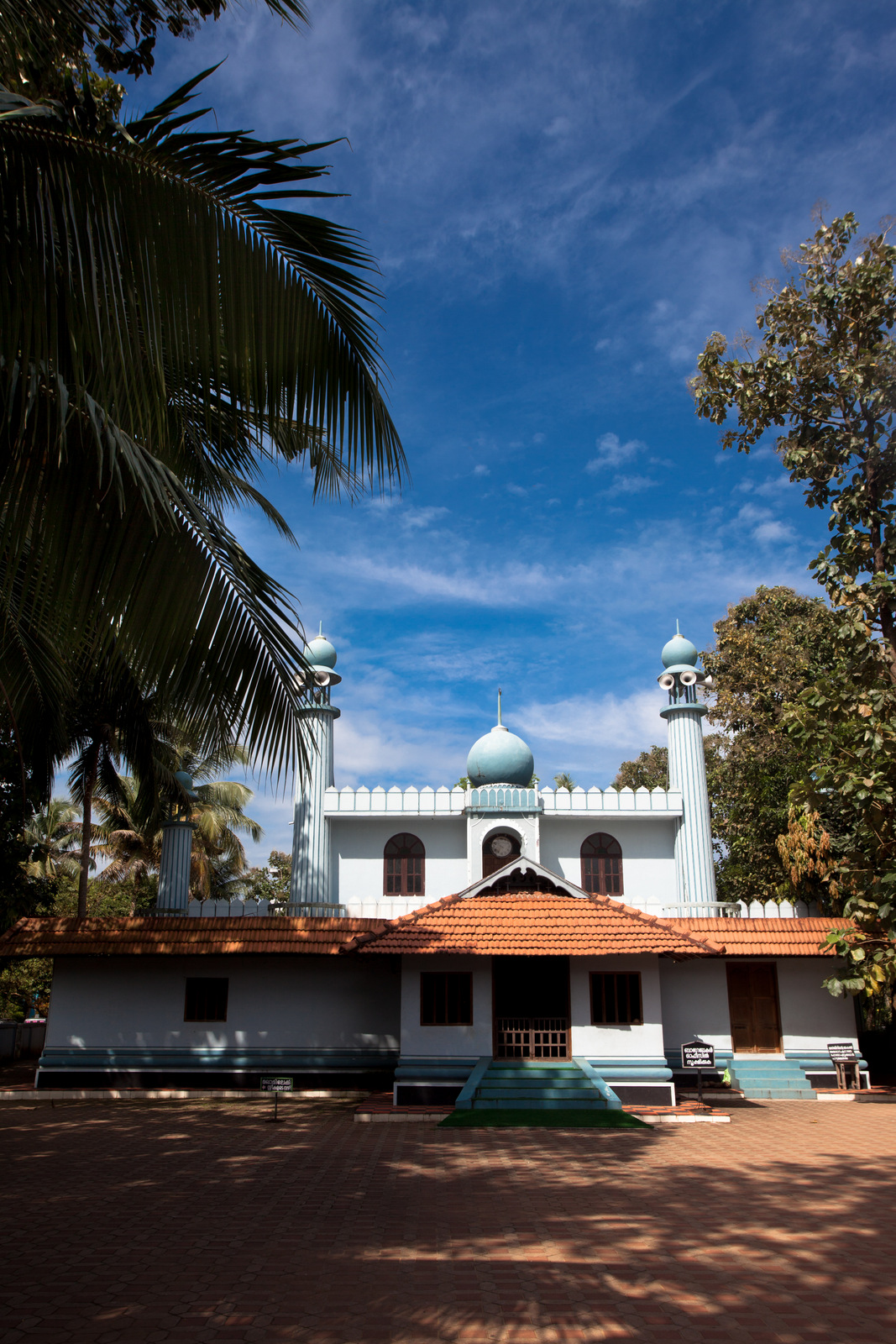
Nearby stand two more remarkable sites — the Cheraman Juma Masjid, traditionally held to be among the very first mosques in India, and the Kottappuram (Cranganore) Fort — making Kodungallur a rare spot where Hindu, Muslim, Jewish and Christian antiquity sit within a few kilometres of one another.