In the quiet forests north of Mananthavady, an open jeep noses into teak-shadowed jungle where a herd of wild elephants can materialise out of the morning mist — this is Tholpetty, Wayanad’s wildest frontier.
The story of Tholpetty Wildlife Sanctuary
Tholpetty is the northern range of the Wayanad Wildlife Sanctuary, a strip of moist-deciduous teak forest and semi-evergreen woodland spread near Kutta on the Kerala–Karnataka border, roughly 20 kilometres from Mananthavady (indicative — confirm locally). It is not a manicured park but a genuine tract of working wilderness, and the only way in is aboard a forest jeep with a compulsory departmental guide. That single rule sets the tone: you surrender control, the engine drops to a crawl, and for two hours the forest decides what you will see.
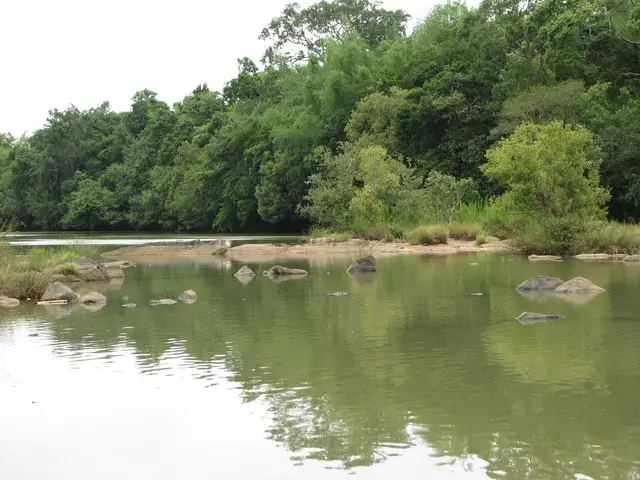
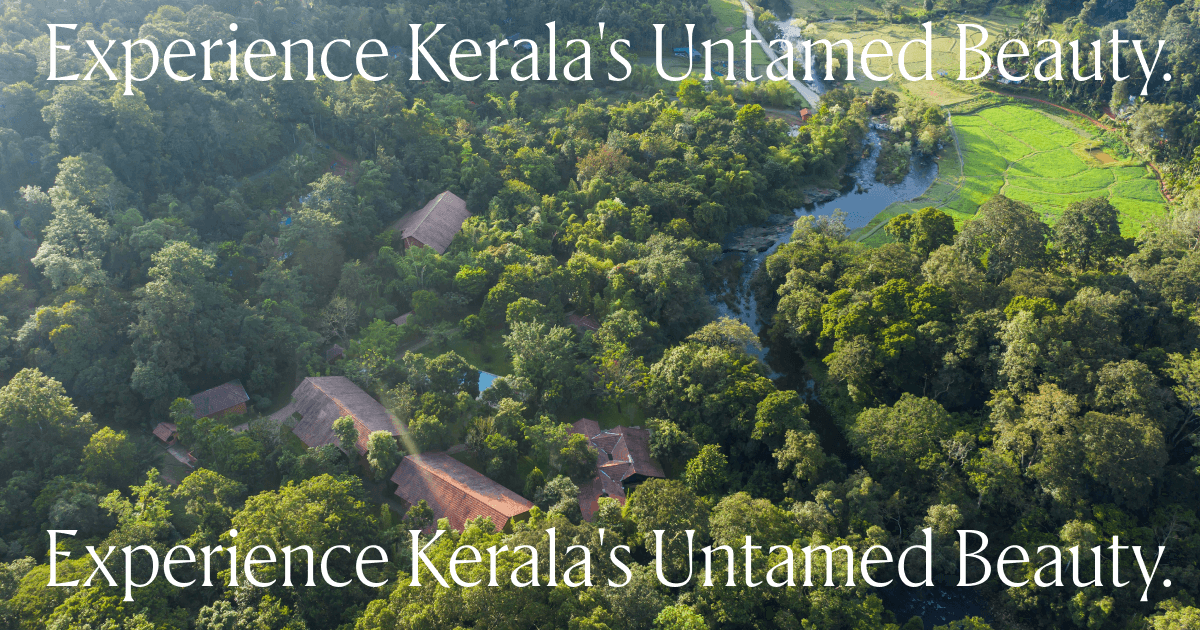
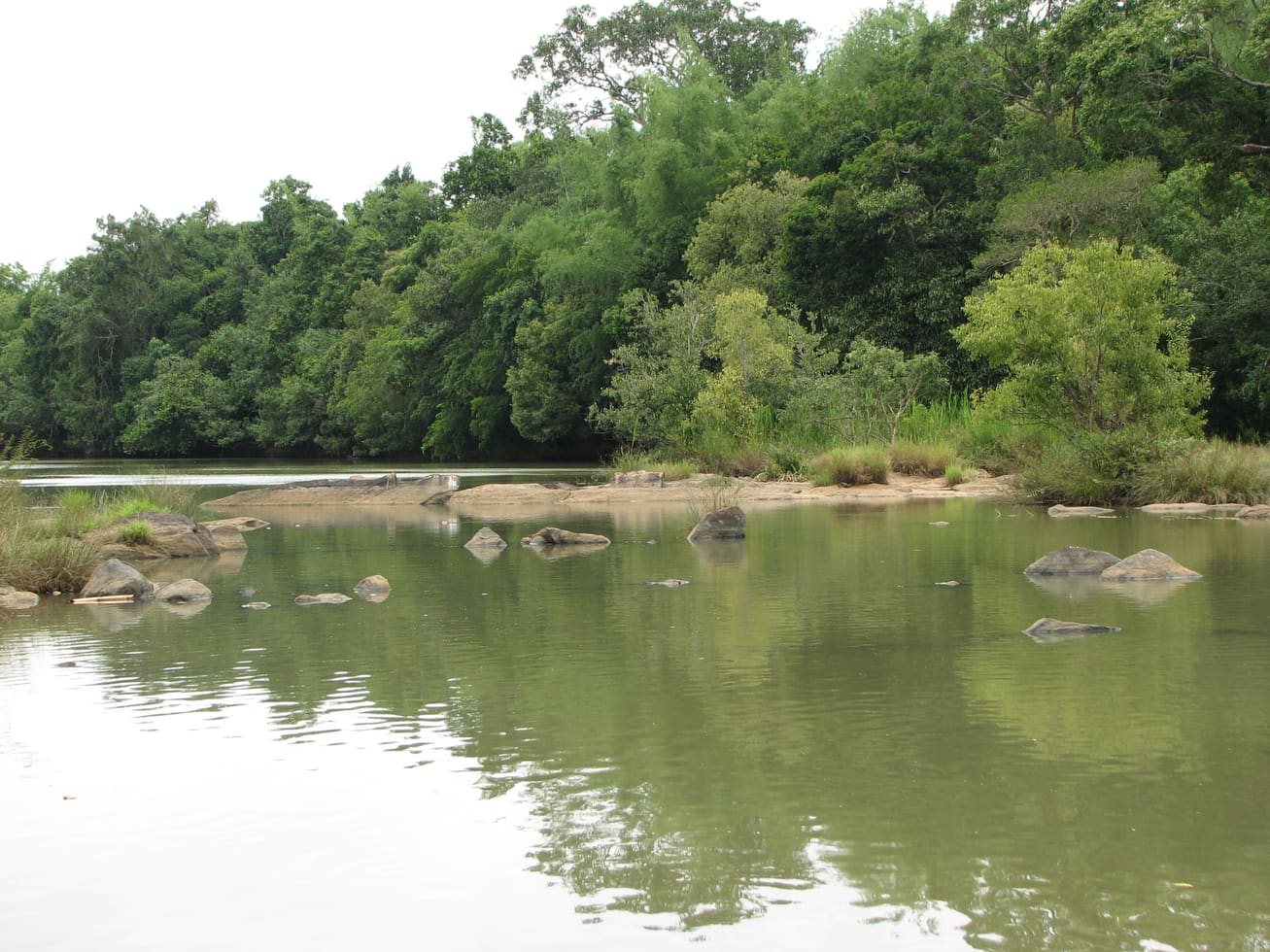
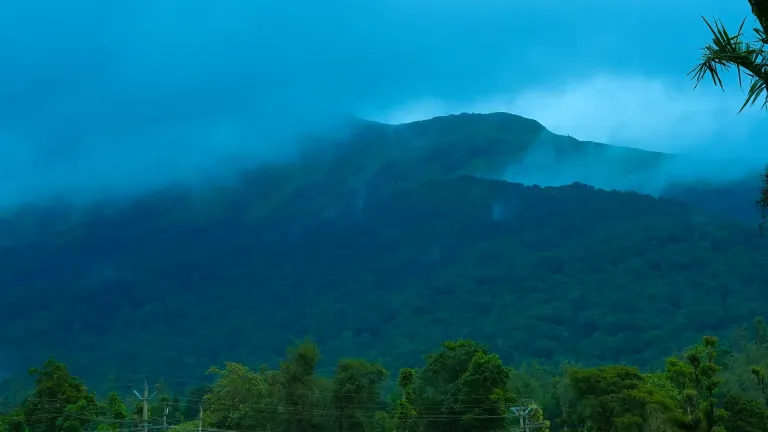
The landscape here is classic Western Ghats foothill country — tall teak and rosewood, bamboo brakes that rustle with unseen movement, grassy clearings where light pools in the early hours, and seasonal streams feeding towards the Kabini system. Because Tholpetty sits at the edge of a vast contiguous forest block, the sense of scale is real; the trees do not simply stop at a fence, they roll on into Karnataka for hundreds of kilometres.
Wildlife is the whole reason to come, and the cast is genuinely thrilling. Wayanad’s forests hold one of Kerala’s densest elephant populations, and herds are the sanctuary’s signature sighting, especially around water in the dry months. Add gaur (Indian bison the size of a small car), spotted deer and sambar, wild boar, langur and bonnet macaque, the occasional sloth bear, and packs of dhole — the russet-coloured Indian wild dog that hunts in daylight. Leopard and tiger are present but shy; a glimpse is a matter of luck rather than expectation, which is exactly what keeps the anticipation electric.
The safari itself is an exercise in patient watching. Your guide reads alarm calls — the bark of a deer, the scolding of a langur — and the jeep pauses at clearings and salt licks where animals drift out to feed. Birdlife is superb for those who slow down: hornbills, jungle fowl, woodpeckers, drongos and raptors. Early morning slots tend to be the most productive, when the air is cool, the light is soft, and the forest is still moving after the night.
What makes Tholpetty special is its position within a wildlife supercorridor. It abuts Nagarhole and Bandipur in Karnataka and connects onward towards Mudumalai in Tamil Nadu, all knit together inside the Nilgiri Biosphere Reserve. Animals move freely across these invisible state lines, which is why a modest-looking Kerala range can deliver big-jungle drama. Compared with the busier Muthanga range to the south, Tholpetty feels quieter and more intimate — fewer vehicles, a slower rhythm, a stronger feeling of being a guest in someone else’s wild home.
Practically, Tholpetty rewards travellers who plan for the forest’s terms rather than their own. Sightings are never guaranteed, mobile signal is thin, and the gates open on the department’s schedule, not yours. But the payoff — a herd crossing the track ahead, a gaur lifting its head in a sunlit glade, the sheer green silence between engine notes — is the kind of memory that outlasts any checklist.
History
The Wayanad Wildlife Sanctuary, of which Tholpetty is the northern range, was notified in 1973, making it one of Kerala’s older protected areas and today the state’s second-largest wildlife sanctuary at roughly 344–345 square kilometres. It is administered by the Kerala Forest Department in four ranges — Sulthan Bathery, Muthanga, Kurichiat and Tholpetty — with Tholpetty guarding the northern flank towards Nagarhole.
In 1991–92 the sanctuary was brought under Project Elephant, a recognition of Wayanad’s importance as elephant country. The forest’s value lies less in its own boundaries than in its connectivity: it forms a critical link in the Nilgiri Biosphere Reserve, joining Nagarhole and Bandipur in Karnataka and Mudumalai in Tamil Nadu into one of southern India’s largest surviving stretches of tiger and elephant habitat. Rivers of the Kabini system drain the region, and the wider landscape is central to conservation across three states.
These hills are deep tribal country. Wayanad’s forests are home to several indigenous communities — among them the Kurichiya and Kuruma (Mullu Kurumba), along with the Paniya, Kattunayakan, Adiyan and Ooralis. The Kurichiya in particular are remembered as skilled archers and cultivators, and their traditional knowledge of these jungles runs generations deep. Their heritage is woven into the human story of the land the sanctuary now protects.
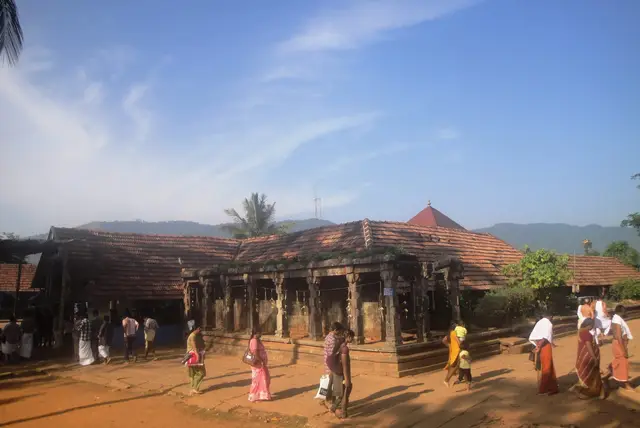
The region carries a stirring chapter of anti-colonial history. In the closing years of the 18th and early 19th centuries, Kerala Varma Pazhassi Raja — the ‘Lion of Kerala’ — waged a long guerrilla resistance against the British East India Company, and the dense Wayanad forests around Mananthavady gave him and his Kurichiya allies shelter and cover. Pazhassi Raja was killed in 1805, and his memorial (Pazhassi Tomb) at Mananthavady, near the sanctuary’s gateway town, keeps that legacy alive for visitors passing through en route to Tholpetty.
Modern Tholpetty operates on a strict, low-impact visitor model. Access is restricted to guided forest jeep safaris in fixed morning and afternoon windows, booked through the Forest Department check-post, an arrangement designed to limit disturbance while still letting travellers experience the forest. In recent decades the wider Wayanad landscape has featured prominently in national conversations about human–wildlife conflict, elephant corridors and eco-sensitive-zone protection, underlining how fragile and important this green frontier remains.
Why visit
One of Kerala’s best chances to see wild elephant herds in genuine jungle, not a park enclosure.
Quieter and more intimate than the busier Muthanga range — fewer jeeps, a slower, wilder feel.
Sits inside the Nilgiri Biosphere Reserve, bordering Nagarhole and Bandipur — big-forest wildlife on Kerala soil.
Compulsory guided jeep safaris put an expert reader of the forest beside you for every sighting.
Rich supporting cast: gaur, dhole, sambar, spotted deer, sloth bear, plus superb birdlife.
Pairs naturally with Mananthavady’s heritage — the Pazhassi Raja memorial and tribal Wayanad — for a fuller day.